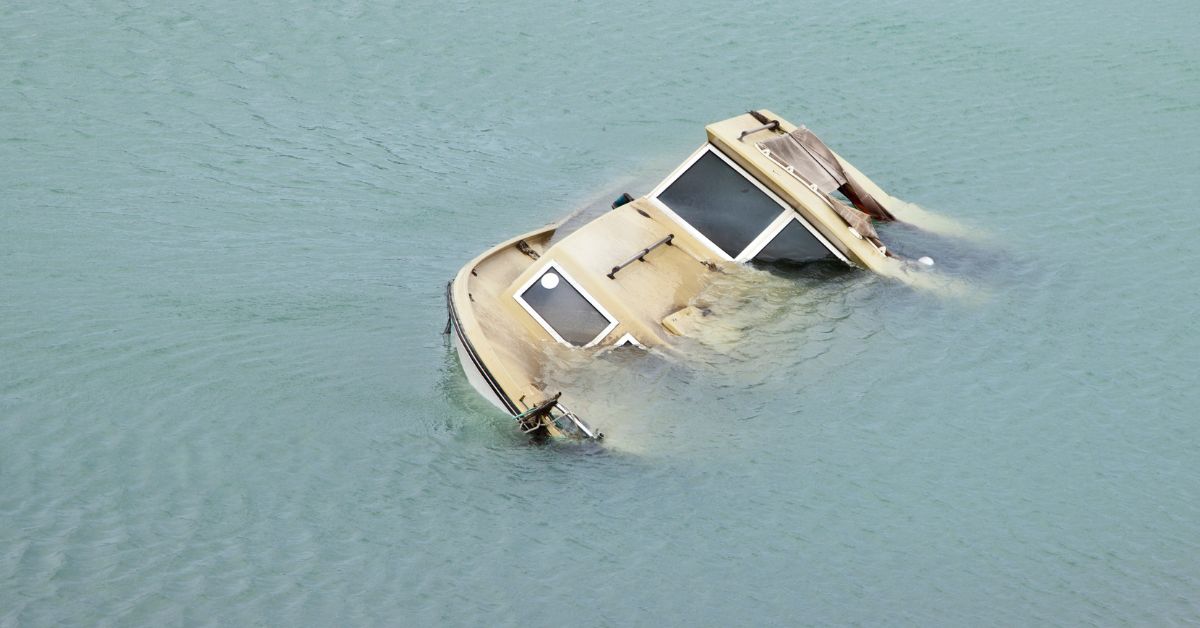
Boat Accident Lawyers in Spokane
A boat accident can cause serious problems due to liability questions and property damage. Unlike roadway collisions, these incidents involve unique factors such as water conditions, operator inexperience, equipment failure, or limited visibility that complicate how responsibility is determined. Boat accident lawyers in Spokane evaluate how these elements combined at the moment of impact and how they influenced the outcome that followed. Ritchie-Reiersen Injury & Immigration Attorneys examines each case by focusing on how all the factors combined to cause the accident.
The effects of a boating accident are not just the immediate injury, but also recovery, lost income, and long-term physical limitations tied to the incident. Boat accident lawyers in Spokane develop claims by connecting medical evidence, accident reports, and witness accounts to show how the event occurred and how it continues to affect daily life. Establishing a clear narrative requires aligning all available information to prevent gaps that could weaken the claim. Ritchie-Reiersen Injury & Immigration Attorneys structures each case to reflect both immediate impact and long-term consequences tied to the accident. If you were in a boat accident and want experienced legal help, call Ritchie-Reiersen Injury & Immigration Attorneys at (888) 884-7337 to get a free consultation today.
How Boat Accident Lawyers in Spokane Determine Liability on the Water
Liability in boating accidents depends on analyzing how decisions were made in an environment where conditions shift quickly and visibility, control, and reaction time all influence outcomes. Boat accident lawyers in Spokane evaluate how the operator handled navigation, how surrounding vessels behaved, and how external conditions affected the situation at the time of impact. Unlike roadway incidents, fault on the water often involves overlapping factors that must be examined together rather than isolated into a single cause. The analysis focuses on identifying how control was maintained, how hazards were addressed, and how risk was either managed or ignored. Ritchie-Reiersen Injury & Immigration Attorneys builds claims by connecting these elements into a clear explanation of how responsibility developed.
Establishing liability also requires examining how boating rules, safety expectations, and operator responsibilities applied under the specific circumstances of the incident. Evidence must show not only what occurred but also what should have been done differently based on accepted navigation practices. Boat accident attorneys in Spokane structure claims to demonstrate how failures in awareness, decision-making, or equipment use contributed to the collision. Insurance carriers frequently attempt to shift blame between operators or attribute incidents to unpredictable water conditions. A well-developed claim prevents this by showing how specific actions led to the outcome rather than relying on general environmental explanations.

Interpreting Operator Judgment and On-Water Decisions
Boat accident lawyers in Spokane assess how the operator responded to changing conditions, nearby vessels, and navigational challenges during the moments leading up to the collision. This includes evaluating speed adjustments, directional choices, and awareness of surrounding activity in open or congested water areas. Decisions made in real time can determine whether a situation escalates into an accident or is avoided entirely through proper handling. The analysis focuses on whether the operator maintained appropriate control and awareness throughout the sequence of events. Understanding these decisions helps define how responsibility is assigned.
Reviewing Reaction Timing and Maneuvering Choices
Attorneys examine how quickly the operator responded to emerging hazards and whether maneuvers were appropriate for the situation. Delayed reactions or improper handling can increase the likelihood of a collision. These findings reveal how operator judgment influenced the outcome.
Connecting Decision-Making to Collision Outcome
Evidence is used to show how specific choices directly contributed to the accident. This connection prevents liability from being attributed to general conditions alone. Clear linkage strengthens the overall liability claim.
Evaluating Environmental and Waterway Conditions
Boat accident attorneys in Spokane analyze how water conditions such as currents, weather, visibility, and traffic density influenced the incident and whether those conditions were properly accounted for. Operators are expected to adjust behavior based on these factors, including reducing speed or altering course when necessary. The evaluation focuses on whether conditions were foreseeable and whether reasonable precautions were taken. Environmental factors do not eliminate responsibility when they are ignored or mismanaged. This analysis helps determine how external conditions contributed to the accident.
Assessing Visibility and Water Traffic Conditions
Attorneys review environmental data and witness accounts to determine how visibility and traffic influenced navigation. Poor visibility or congested areas require increased caution and awareness. These conditions shape how responsibility is evaluated.
Determining Whether Conditions Were Properly Managed
Evidence is used to show whether the operator adjusted behavior based on environmental risks. Failure to respond appropriately can indicate negligence in operation. This connection supports liability findings in complex scenarios.
Identifying Equipment and Mechanical Factors
Attorneys investigate whether equipment failure, maintenance issues, or mechanical defects played a role in the accident. Boats require proper upkeep to ensure safe operation, and failures can create dangerous conditions when systems do not function as expected. The analysis examines whether equipment issues were known, preventable, or improperly addressed before the incident. Mechanical factors may contribute to liability when they reflect poor maintenance or defective components. Identifying these issues helps expand the scope of responsibility.
Reviewing Maintenance and Equipment Condition
Attorneys evaluate maintenance records and inspection history to determine whether the vessel was in safe operating condition. Poor upkeep can lead to system failures that increase accident risk. These findings contribute to establishing liability.
Linking Mechanical Issues to the Incident
Evidence is used to connect equipment failure directly to how the accident occurred. This connection shows whether the issue contributed to loss of control or delayed response. Strong linkage supports claims involving mechanical factors.
Determining Shared Responsibility Between Multiple Parties
Attorneys assess whether more than one party contributed to the accident through separate actions that combined to create the outcome. Multiple vessels, passengers, or third parties may influence how responsibility is distributed. This evaluation focuses on how each party’s conduct interacted within the same sequence of events. Liability is assigned based on how these actions collectively led to the collision. Identifying shared responsibility ensures that all contributing factors are included in the claim.
Analyzing Interaction Between Multiple Vessels
Attorneys review how different operators navigated in relation to one another during the incident. Conflicting actions can create situations where responsibility is divided. This analysis clarifies how multiple parties contributed to the outcome.
Allocating Fault Across Involved Parties
Evidence is used to determine how responsibility should be distributed based on each party’s actions. Clear allocation prevents blame from being unfairly shifted. This approach strengthens claims involving shared liability.
What Determines the Value of a Boat Accident Claim in Spokane
The value of a boat accident claim is determined by how clearly the incident changed physical ability, financial position, and long-term stability beyond the immediate aftermath. Attorneys evaluate how the collision disrupted normal function and created ongoing consequences that extend into recovery and future planning. Each claim must establish how the events on the water produced measurable effects that continue influencing daily life and overall capacity. This requires a structured presentation of evidence that explains both immediate harm and how those effects evolve over time. Lawyers develop claims that reflect the full scope of impact rather than limiting value to early treatment outcomes.
Accurate valuation also depends on whether medical documentation, financial records, and recovery timelines consistently support the same explanation of harm without contradictions or gaps. Insurance carriers attempt to isolate individual elements to minimize compensation or challenge projections related to long-term effects. Boat accident attorneys in Spokane structure claims so each component reinforces a unified narrative that connects the accident directly to ongoing limitations. This alignment prevents important factors from being dismissed or reduced during evaluation. A well-developed claim ensures that value is based on comprehensive impact rather than fragmented details.
Injury Severity and Recovery Progression
Boat accident lawyers in Spokane analyze injury severity by examining how the body responded to impact forces and how recovery develops through ongoing medical treatment. Water-related collisions frequently produce complex injury patterns due to abrupt movement, impact surfaces, and delayed stabilization after the incident. The progression of recovery reveals whether injuries are resolving as expected or creating complications that extend beyond initial treatment phases. Medical records are used to track how conditions change and how treatment responds to those changes over time. This evaluation establishes how injury severity contributes to overall claim value.
Tracking Physical Recovery Through Medical Documentation
Attorneys review detailed treatment records to understand how injuries evolve throughout different stages of recovery. Changes in condition can reveal complications that increase long-term impact and require additional care. These findings provide a foundation for accurate valuation tied to recovery progression.
Identifying Lasting or Permanent Functional Limitations
Evidence is analyzed to determine whether injuries result in permanent impairment or ongoing physical restrictions. These limitations influence how long-term impact is measured within the claim. Clear identification of lasting effects increases the overall compensation value.
Financial Disruption and Earning Capacity Changes
Lawyers evaluate financial disruption by analyzing how the accident affected income, employment stability, and the ability to maintain consistent work over time. Immediate wage loss is considered alongside whether the injured person can return to previous job responsibilities or sustain similar earning levels. Long-term limitations may require career adjustments that alter earning potential and financial security. Financial records and employment history are used to demonstrate how the accident created ongoing economic consequences. A detailed analysis of these factors strengthens claim valuation.
Evaluating Work Limitations and Employment Impact
Attorneys examine job requirements and employment records to determine how injuries affect work performance and consistency. Limitations may prevent returning to previous roles or reduce productivity in current positions. These changes directly contribute to financial loss calculations.
Projecting Long-Term Earning Capacity Reduction
Evidence is used to estimate how injuries may limit earning potential over an extended period. Reduced capacity or necessary career changes can significantly affect long-term financial stability. These projections increase the total value of the claim.
Medical Costs and Ongoing Treatment Requirements
Boat accident lawyers in Spokane calculate medical costs by examining both current treatment expenses and anticipated future care needs that arise from the injury. Injuries may require extended therapy, follow-up procedures, or long-term monitoring that increases total cost over time. The evaluation focuses on how treatment evolves and whether additional care will be necessary as recovery progresses. Medical documentation is used to connect these expenses directly to the accident and resulting injuries. A comprehensive cost analysis ensures that all treatment-related expenses are included in the valuation.
Assessing Continued Medical Treatment Needs
Attorneys review treatment plans to determine whether ongoing care is required beyond initial recovery stages. Continued medical needs increase the overall cost associated with the injury. These findings support claims involving extended treatment requirements.
Including Future Medical Expenses in Claim Valuation
Projected care requirements are evaluated to determine how future treatment will affect the total financial impact. Future expenses must be clearly connected to the accident to be included in the valuation. Including these costs strengthens the overall claim value.
Impact on Daily Function and Long-Term Stability
Lawyers assess how injuries affect daily activities, independence, and overall lifestyle following the incident on the water. Limitations may alter how routine tasks are performed and require adjustments to maintain independence over time. These changes can extend into long-term stability by influencing both personal functioning and financial circumstances. Evidence is used to demonstrate how the accident reshaped daily life and future capability. Long-term impact on stability plays a significant role in determining claim value.
Evaluating Changes in Daily Activities and Independence
Attorneys analyze how injuries affect movement, coordination, and the ability to perform routine personal tasks. These limitations can reduce independence and require additional support over time. This analysis supports claims involving significant lifestyle changes.
Connecting Lifestyle Changes Directly to the Accident
Evidence is used to show how the accident caused measurable changes in daily function and long-term stability. This connection prevents unrelated factors from being considered during evaluation. Strong linkage increases the overall value of the claim.
How Ritchie-Reiersen Injury & Immigration Attorneys Positions Boat Accident Claims for Strategic Settlement Outcomes
Settlement positioning in boat accident cases depends on how effectively the claim demonstrates the full sequence of events that led to injury and how those events continue affecting recovery and stability over time. Ritchie-Reiersen Injury & Immigration Attorneys approaches this process by shaping the claim around a detailed narrative that connects on-water decisions, environmental factors, and resulting harm into a cohesive explanation. This strategy ensures that each component of the case reinforces the overall position rather than existing as isolated pieces of information. Insurance carriers attempt to evaluate claims by separating elements to reduce perceived exposure and limit compensation. Ritchie-Reiersen Injury & Immigration Attorneys builds claims that prevent this fragmentation by presenting a unified structure supported by consistent evidence.
Strategic settlement outcomes are influenced by how clearly the claim defines both immediate consequences and longer-term implications tied to the accident. Boat accident lawyers in Spokane organize documentation, expert input, and financial projections to demonstrate how the injury continues to affect physical ability and financial stability. This approach places pressure on opposing parties to respond to the full scope of impact rather than focusing on individual details. A well-positioned claim shifts negotiation dynamics by emphasizing risk and accountability throughout the process. Strong positioning increases the likelihood of achieving a resolution that reflects the total impact of the accident.

Structuring Claims Around a Unified Case Narrative
Ritchie-Reiersen Injury & Immigration Attorneys develops boat accident claims by organizing all evidence into a consistent narrative that explains how the accident occurred and how it continues to influence recovery. This narrative connects operator actions, environmental conditions, and injury outcomes into a single framework that supports liability and damages simultaneously. Each piece of documentation is aligned to reinforce this explanation without creating contradictions or gaps. The goal is to present a clear and logical sequence that cannot be easily challenged or minimized. A unified narrative strengthens the overall effectiveness of settlement positioning.
Aligning Evidence With a Consistent Explanation
Attorneys ensure that medical records, incident reports, and witness statements support the same version of events. Consistency across documentation prevents disputes that could weaken the claim. This alignment reinforces the strength of the case during negotiations.
Preventing Fragmentation of Key Claim Elements
Evidence is structured to avoid separation into isolated issues that reduce overall impact. Fragmentation allows opposing parties to minimize responsibility or damages. Preventing this ensures that the claim is evaluated as a complete and connected case.
Anticipating Insurance Evaluation Strategies
Ritchie-Reiersen Injury & Immigration Attorneys prepares boat accident claims by analyzing how insurance carriers typically assess liability and damages in water-related incidents. Insurers review claims by questioning projections, narrowing the scope of injuries, and challenging long-term effects tied to the accident. Anticipating these strategies allows the claim to be structured in a way that addresses potential challenges before they are raised. This preparation reduces opportunities for insurers to weaken the case. Proactive planning strengthens negotiation positioning from the outset.
Identifying Common Insurance Review Methods
Attorneys examine how insurers evaluate claims to understand patterns in their approach to reducing exposure. These methods often involve selective analysis of evidence and limitations on projected impact. Understanding these tactics allows for more effective claim development.
Preparing Responses to Reduce Dispute Opportunities
Evidence is organized to address potential challenges related to liability and damages before they arise. This preparation limits the effectiveness of insurer arguments during negotiations. Anticipating disputes strengthens the overall case position.
Shaping Settlement Progress With Evidence
Ritchie-Reiersen Injury & Immigration Attorneys positions boat accident claims by emphasizing the strength of evidence and the clarity of the narrative to influence how negotiations progress. A well-developed case increases perceived risk for insurers by demonstrating that liability and damages are fully supported. This shifts the focus of discussions toward resolution rather than prolonged dispute. Strategic use of evidence encourages more serious evaluation of the claim. Strong case presentation plays a critical role in achieving favorable outcomes.
Demonstrating Comprehensive Case Development
Attorneys present evidence in a way that highlights the completeness of the claim and its supporting documentation. This approach reduces uncertainty and strengthens credibility during negotiations. Comprehensive development increases leverage in settlement discussions.
Increasing Pressure Through Evidentiary Strength
Well-supported claims limit opportunities for insurers to dispute liability or damages effectively. This creates pressure to resolve the case based on its merits. Increased pressure improves the likelihood of meaningful settlement outcomes.
Maintaining Leverage Throughout the Negotiation Process
Ritchie-Reiersen Injury & Immigration Attorneys maintains leverage by controlling how information is introduced and how discussions are guided during settlement negotiations. This involves presenting evidence at key stages to reinforce the strength of the claim and maintain momentum. Timing and structure influence how opposing parties respond and how negotiations develop. Maintaining control prevents the claim from being weakened through inconsistent presentation or reactive strategies. Strong leverage supports more favorable settlement results.
Managing Timing and Presentation of Evidence
Attorneys determine when and how evidence is introduced to maximize its impact during negotiations. Strategic timing influences how information is received and evaluated. This approach strengthens overall negotiation effectiveness.
Sustaining Pressure During Settlement Discussions
Consistent presentation and strong evidence maintain pressure on opposing parties throughout negotiations. This prevents delays or attempts to reduce claim value. Sustained pressure supports stronger final outcomes.
Speak With Ritchie-Reiersen Injury & Immigration Attorneys Today for a Free Case Review
The aftermath of a boat accident can leave unanswered questions about what truly happened and how those events continue affecting recovery and everyday life. Small details from the incident can reveal how decisions, conditions, and timing all contributed to the outcome. Building a strong claim depends on turning those details into a clear explanation that reflects both immediate disruption and long-term consequences tied to the accident. Ritchie-Reiersen Injury & Immigration Attorneys approaches these cases by focusing on how each factor fits into the bigger picture.
Moving forward with a claim requires a strategy that brings together evidence, timing, and positioning so the case is evaluated based on its full impact. A well-prepared approach changes how insurers respond by presenting a claim that is difficult to minimize or divide into smaller components. If you were recently in a boat crash, call Ritchie-Reiersen Injury & Immigration Attorneys at (888) 884-7337 or visit our contact page today to begin your free consultation.








Get In Touch
Schedule a Free Legal Consultation With Us
If you or a loved one needs the assistance of a personal injury or immigration attorney, don’t hesitate to reach out. Ritchie-Reiersen Injury & Immigration Attorneys can help you with their extensive experience.
- Proven results
- Years of courtroom experience
- No upfront costs for injury clients
- We are available 24/7 for clients