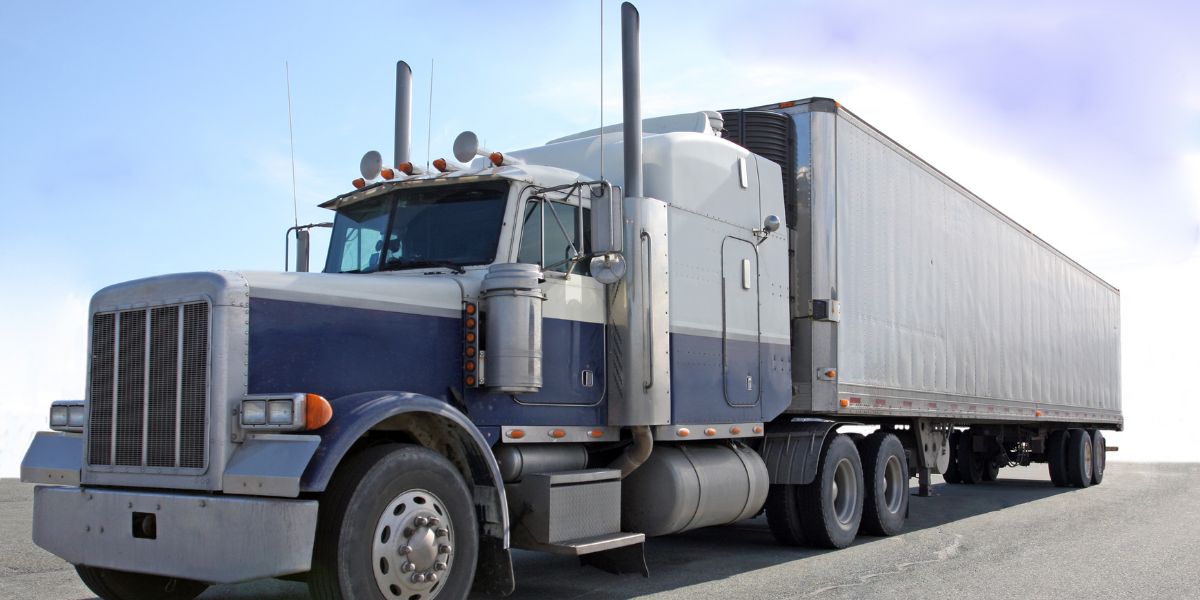
18-Wheeler Truck Accident Lawyers
An 18-wheeler crash in the Pacific Northwest often triggers catastrophic harm because these rigs carry extreme weight, limited maneuverability, and long stopping requirements. 18-Wheeler Truck Accident Lawyers in Washington State aim to help injured drivers handle the added complexity that comes with major commercial collisions of this kind. 18-wheeler crash claims tend to include multiple insurance layers, massive corporate defense pressure, and evidence that can disappear quickly if no one preserves it. These cases demand clear proof and steady case management from the beginning. A focused legal strategy can protect your claim while you focus on medical care and rebuilding stability.
18-Wheeler collisions in the Seattle area can involve sudden lane compression, heavy stop-and-go patterns, and multi-vehicle impact chains that leave victims facing long recoveries and serious financial disruption. Strong legal representation keeps attention on crash mechanics, trucking records when relevant, and damages documentation that reflects future care and work impact, not just immediate costs. Ritchie-Reiersen Injury and Immigration Attorneys approach 18-wheeler injury claims with careful preparation and clear communication so clients feel supported throughout the process.
Call Ritchie-Reiersen Injury and Immigration Attorneys at (888) 884-7337 to discuss your 18-wheeler accident and learn what next steps can protect your claim.
How Truck Accident Lawyers Calculate Full Compensation After an 18-Wheeler Crash
Full compensation after an 18-wheeler crash requires more than adding up emergency bills and a few missed paychecks. These collisions often cause complex injuries, longer recoveries, and life changes that do not fit neatly into a short insurance spreadsheet. Trucking insurers commonly try to narrow value to what looks immediate and simple, while minimizing the future medical needs and long-term work impact that become clearer over time. Ritchie-Reiersen builds a damages picture that reflects the true cost of the crash and supports a settlement demand that can withstand scrutiny.
Medical Damages That Account for the Entire Recovery Timeline
High-force crashes often create layered injuries that evolve, including spine trauma, head injuries, and joint damage that becomes more apparent after the initial shock fades. Treatment can involve specialists, imaging, therapy, and follow-up care that continues for months, not days. A thorough valuation includes both current costs and medically supported future needs, so clients do not get stuck paying out of pocket after a case closes. An experienced lawyer helps connect treatment plans and provider notes to a clear projection of what recovery is likely to require.
Showing Why Future Care Is a Reasonable Medical Need After an 18-Wheeler Collision
Insurers treat future treatment more seriously when the medical file explains why it is needed and what it aims to address. Referrals, continuing symptoms, and provider recommendations help support that requirement and reduce accusations of speculation. Clear documentation also helps distinguish between temporary discomfort and lasting impairment that affects daily life. Legal guidance can help clients keep records consistent and organized so the need for future care reads as credible.
Protecting Truck Crash Claims from the “You Are Better Now” Argument
Trucking insurers often point to a brief improvement period and argue that the injury resolved. Symptoms can fluctuate, and many people function through pain while still needing treatment and modifications at home and work. Follow-up records, consistent reporting, and objective findings when available help keep the claim aligned with reality. A lawyer can help ensure the file reflects the full timeline so the case does not get undervalued based on a short window of improvement.
Wage Loss and Reduced Earning Capacity Beyond Immediate Time Off
18-wheeler crashes frequently cause work disruption that extends beyond the first missed week. Some people cannot return to their prior job duties, and others return but lose hours, overtime, or the ability to take on physically demanding tasks. In some cases, the injury changes the person’s career trajectory and long-term earning potential. A knowledgeable attorney helps quantify these losses with employer records, job descriptions, and medical restrictions that support the economic impact.
Documenting the True Cost of a Changed Work Life
A strong file shows what you did before the crash, what you could not do after, and what restrictions limited your performance. Wage statements help, but they do not tell the full story without context about duties, physical demands, and productivity expectations. Medical notes that confirm restrictions can make the work impact much harder to dispute. An experienced lawyer helps organize this proof so it becomes easy to understand and difficult to dismiss.
Accounting for Self-Employed and Gig Worker Income Loss
Non-traditional income can be harder to prove, but it can still be documented in a reliable way. Invoices, client communications, scheduling records, and tax filings can show what work was lost and how capacity changed. Clear documentation also helps separate crash-related losses from ordinary business ups and downs. Legal guidance helps clients present these losses clearly so claim value does not get discounted unfairly.
Pain and Suffering Calculations in 18-Wheeler Crashes
Non-economic damages often carry substantial weight after an 18-wheeler crash because the injury impact can touch every part of daily living. Chronic pain, sleep disruption, anxiety about driving, and reduced mobility can limit family involvement and quality of life in ways that bills cannot show. Insurers often treat these losses as vague unless they are tied to consistent medical reporting and specific functional limitations. A skilled attorney helps connect these damages to proof that reflects real changes rather than broad statements.
Making Daily Limitations Clear and Verifiable After a Seattle 18-Wheeler Accident
Functional losses become easier to prove when they are described in practical terms, such as difficulty lifting a child, inability to sit for long periods, or reduced ability to drive or work full shifts. Provider notes that reference these limitations strengthen the claim because they show consistent reporting over time. A simple routine log can also help, especially when it matches medical documentation. Legal support helps ensure these details remain consistent across the claim, which protects credibility.
Avoiding Overstatement While Still Capturing the Full Impact of 18-Wheeler Crash Injuries
Clients do not need dramatic language to show real suffering, they need consistency and specificity. Overstatement can backfire because the defense will look for any mismatch between a statement and the medical record. A lawyer helps clients describe their limitations in a measured, factual way that still reflects how the crash changed life. This helps the claim feel trustworthy and supports stronger negotiation leverage.
Future Life Costs and Long-Term Support Needs
Some 18-wheeler injuries result in permanent limitations that require home modifications, ongoing therapy, mobility aids, or assistance with daily tasks. These future costs can be significant and should be part of a complete damages analysis. The right valuation looks at what the person needs to function safely and independently, not only what the insurer is willing to acknowledge early. An experienced attorney can incorporate these costs into a structured damages demand supported by documentation.
Knowing When the Medical Picture Is Stable Enough to Value the Case
Settling too early can leave future care and long-term limitations unpaid once the release is signed. Waiting for medical clarity can protect clients, but it must be balanced with legal deadlines and case strategy. A knowledgeable lawyer helps assess whether the injury has stabilized enough to understand future needs and whether additional documentation would materially increase claim value. This planning helps clients feel more confident about timing decisions.
How Ritchie-Reiersen Builds 18-Wheeler Wreck Damage Demands That Holds Up
At Ritchie-Reiersen Injury and Immigration Attorneys, we calculate compensation by building a clear record of medical costs, work losses, and daily impact supported by consistent documentation. We focus on evidence that insurers must take seriously, including treatment timelines, functional limitations, and future care needs when supported by providers. Clients value clear communication and a structured plan that avoids rushed decisions while still moving the case forward. Our goal is to pursue maximum compensation that reflects the true cost of an 18-wheeler crash.
Important Safety Regulations That Govern 18-Wheeler Operations in WA
Safety rules for 18-wheelers exist because a single mistake can create catastrophic harm on Washington highways and in Seattle freight corridors. Federal regulations set minimum standards for who can drive, how long they can stay on the road, how vehicles must be maintained, and how cargo must be secured. When an 18-wheeler crash happens, these standards often provide the clearest framework for evaluating preventability and accountability. A knowledgeable 18-wheeler truck accident lawyer uses the applicable rules to identify where the operation fell short and how that failure connects to the collision and your damages.
Federal Motor Carrier Safety Regulations Set the Baseline
Most commercial trucking safety duties flow from the Federal Motor Carrier Safety Regulations, which govern interstate motor carriers and many vehicles engaged in commercial transport. These rules cover driver qualification, driving conduct, recordkeeping, and equipment safety in ways that go far beyond ordinary traffic laws. When a carrier ignores these responsibilities, the risk of fatigue, poor decision-making, or mechanical failure increases. A skilled attorney can map the crash facts to the rules that apply, so liability arguments stay specific and evidence-driven.
18-Wheeler Driver Qualification and Training Standards Matter After Serious Truck Crashes
Carriers have responsibilities related to who they hire and how they train drivers for safe operation. This includes verifying that a driver meets licensing requirements and remains medically qualified to operate a commercial vehicle. Training and supervision can also matter when a collision involves unsafe lane changes, following distance errors, or poor hazard recognition in heavy traffic. An experienced lawyer reviews these issues to determine whether the crash resulted from a one-time error or a deeper safety breakdown.
How Documentation Can Reveal Safety Gaps in Hiring and Oversight
A trucking operation often leaves a paper trail that shows what checks were performed and what was missed. If documentation is incomplete or inconsistent, it can raise questions about whether the carrier followed its own safety process. Those gaps can also affect credibility when the defense tries to present the driver and company as careful and compliant. Strong legal guidance helps identify what records matter and how to use them to support accountability.
Hours-of-Service Rules Aim to Reduce Fatigue-Related 18-Wheeler Collisions
Driver fatigue remains a predictable danger in 18-wheeler operations, especially on routes that involve long stretches, overnight driving, or tight delivery windows. Hours-of-service rules limit driving time and require rest periods to reduce the risk of slow reaction time and impaired judgment. When a crash occurs in stop-and-go conditions or during a shift change window, fatigue analysis can become a key part of understanding how the collision happened. A knowledgeable attorney can evaluate whether the driving schedule and logs align with safe operation or point to unsafe pressure.
Electronic Logging and Trip Records Can Clarify the Real Driving Pattern
Many commercial vehicles use electronic logging devices to track driving time and duty status. Those records can help confirm whether the driver took required breaks and whether the trip timeline makes sense. When logs conflict with other proof, such as fuel receipts, dispatch timing, or location data, the discrepancy can become important. An experienced lawyer can use these records to keep the case grounded in provable facts rather than assumptions.
Why Fatigue Analysis Often Changes Truck Accident Case Value
Fatigue-related violations can strengthen liability because they show a preventable safety breakdown, not a random event. They also help explain why a driver failed to respond to changing traffic conditions, especially in congested corridors like I-5 and I-90. When fault becomes clearer, negotiation leverage tends to improve because the defense has less room to argue uncertainty. Careful review of this issue can help injured people pursue compensation that matches the seriousness of the crash.
Inspection, Repair, and Maintenance Requirements Protect Road Users
Mechanical failures become far more dangerous when they involve an 18-wheeler, because weight and momentum amplify the consequences. Federal rules require systematic inspection and maintenance practices designed to keep brakes, tires, steering components, lights, and coupling systems in safe condition. If a carrier delays repairs or ignores warning signs, a manageable issue can turn into a catastrophic crash. A skilled attorney can evaluate whether maintenance practices met safety obligations and whether mechanical issues contributed to the collision.
Pre-Trip and Post-Trip Inspections Can Show What the Driver Knew
Commercial drivers are expected to inspect key systems and report defects, and carriers must address safety-related issues. When inspection notes are missing or vague, the defense may claim there were no known problems even when a failure occurred. Clear records can also show repeated defects or patterns of delayed repairs. An experienced lawyer can connect inspection documentation to crash mechanics so mechanical issues do not get dismissed as unavoidable.
Proving Preventability When Equipment Failure Played a Role
The defense often tries to frame mechanical issues as sudden and unforeseeable. Maintenance logs, repair invoices, and inspection history can show whether the problem existed earlier and whether a reasonable safety program would have caught it. If preventability is established, it strengthens accountability and supports a more serious damages discussion. Strong case development keeps this analysis focused on evidence the defense must address.
Cargo Securement Standards Reduce Rollover and Load Shift Risk
Cargo weight and distribution influence braking distance, stability, and the risk of jackknife or rollover events. Federal securement rules and industry practices require loads to be properly restrained and balanced so the trailer does not become unstable during turns or hard braking. When cargo shifts, it can change the center of gravity and reduce control at the worst moment. A knowledgeable attorney can investigate whether loading practices, securement methods, or weight issues contributed to the crash.
When Multiple Companies Share Responsibility for Unsafe Loading in 18-Wheeler Wrecks
Loading and securement can involve shippers, warehouses, contractors, and the carrier, depending on how the transport was arranged. Responsibility matters because it can expand who must answer for the unsafe condition and which insurance coverage applies. When companies point fingers at each other, the injured person should not be stuck in the middle. An experienced lawyer helps identify the responsible parties and keep the claim aimed at the entities that had control over safety.
How Regulatory Violations Support Stronger Negotiation Positioning
When the evidence suggests a regulatory breach, it can strengthen the argument that the crash was preventable. It also reduces the defense’s ability to treat the collision as an unavoidable traffic event. A well-supported regulatory analysis can improve case clarity and help push settlement talks toward full value. At Ritchie-Reiersen Injury and Immigration Attorneys, we focus on building an evidence-based narrative that connects safety duties to crash cause and to the damages you need to recover.
Truck Crash Attorneys Protect Your Rights after a Tractor-Trailer Collision
After a tractor-trailer collision, protecting your rights means protecting the integrity of your case before the defense can narrow the story. Trucking cases often involve multiple insurers, formal claim procedures, and early efforts to frame the crash as shared fault or a minor impact. Your choices in the first days can influence what evidence remains available and how your injuries get documented over time. A skilled truck crash attorney helps you take control of the process so accountability and compensation stay tied to provable facts.
Preserving Your Claim Narrative Before the Defense Sets It for You
Trucking insurers and defense counsel often begin building their file immediately, which can create a version of events that becomes hard to dislodge later. They may seek recorded statements, request broad medical authorizations, and push for a quick resolution while you still feel shocked or medicated. Even small inconsistencies in early communications can later get used to challenge credibility or reduce claim value. An experienced attorney helps manage communications and keep your file consistent so the case is built on accurate information rather than pressure-driven answers.
How 18-Wheeler Crash Lawyers Control the Effects of Recorded Statements
Recorded statements can lock you into details that you may not fully understand in the aftermath of a high-force crash. Broad record requests can also invite distractions that insurers use to argue your injuries came from something else. A knowledgeable lawyer can provide necessary information while keeping requests appropriate and focused. This approach improves the client experience because it reduces stressful calls and keeps the case moving on a clear track.
Preventing “Innocent” Comments From Becoming Comparative Fault Arguments in Truck Collisions
Defense teams often look for language they can spin into blame, such as uncertainty about speed, visibility, or lane position. Comments made at the scene or in early calls can get repeated in a way that makes your actions sound careless when the evidence says otherwise. A skilled attorney helps you avoid speculation and keeps the case grounded in what can be proven. This protects both credibility and claim value.
Securing Critical Records That Support Liability and Damages
Tractor-trailer collisions often involve data and documentation that do not exist in a typical car accident. Digital records, maintenance history, dispatch communications, and inspection notes can help explain how the crash happened and whether it was preventable. Many of these records sit in corporate systems and are not automatically preserved unless someone takes action quickly. An experienced attorney helps pursue the right records and take steps to prevent loss that would weaken your claim.
Protecting Time-Sensitive Evidence Like Video and Vehicle Condition
Camera footage can overwrite quickly, and commercial vehicles can be repaired or returned to service before a full inspection occurs. Early documentation of vehicle damage, lane conditions, and impact mechanics can provide clarity in later disputes. Witness contact information also matters, because people forget details and become harder to locate as time passes. A knowledgeable lawyer can coordinate preservation efforts so the case does not depend on memory alone.
Using Evidence Organization to Strengthen Negotiation Leverage
A well-organized file changes how insurers evaluate risk. When liability proof and damages documentation are clear and consistent, it becomes harder for the defense to delay or undervalue the claim. Strong organization also makes the process easier for clients because it reduces confusion and creates a sense of steady progress. Legal guidance helps keep the case structured so settlement discussions reflect value rather than uncertainty.
An 18-Wheeler Truck Crash Lawyer Protects Your Medical Rights
After a tractor-trailer crash, many injuries evolve, and symptoms can appear days later as the body responds to trauma. Protecting your rights includes documenting your condition honestly and consistently so the medical record reflects what you are dealing with, including limitations at work and at home. Insurers often try to minimize injuries by focusing on early notes that do not capture long-term impact. An experienced attorney helps clients understand how consistent documentation supports both recovery and compensation.
Coordinating Treatment Documentation Without Overcomplicating Recovery
Patients should focus on getting appropriate care, but they also need a record that shows the full timeline of symptoms and treatment. Follow-up visits, referrals, and provider notes can clarify why care continued and what limitations remained. When documentation is incomplete, insurers often assume improvement that did not actually occur. A knowledgeable lawyer can help you stay organized and avoid gaps that later reduce claim value.
Connecting Work Impact and Daily Limitations to Damages
Claim value often depends on whether the documentation shows real-life consequences, not just diagnoses. Work restrictions, reduced capacity, and changes to daily functioning can be supported through employer records and consistent medical notes. A skilled attorney helps translate these impacts into a damages presentation that remains credible and easy to verify. This helps injured people pursue full compensation instead of a number based only on immediate bills.
How Seattle Truck Accident Lawyers Protects You From Early Settlement Pressure
After a tractor-trailer collision, insurers may offer early money to close the case before the injury stabilizes. These offers can ignore future treatment, long-term limitations, and the full work impact that becomes clearer over time. Once you sign a release, you cannot reopen the claim if recovery takes longer than expected. An experienced attorney helps evaluate timing and value so decisions are made with medical clarity and a realistic plan.
How Ritchie-Reiersen Helps Clients Maintain Control After a Truck Crash
At Ritchie-Reiersen Injury and Immigration Attorneys, we help tractor-trailer crash victims maintain control through organized evidence collection, careful documentation, and consistent communication. We focus on building a case the defense must take seriously, with liability proof and damages support that reflect the true cost of the collision. Clients value clear guidance and steady updates because it reduces stress and creates confidence in the process. Our goal is to protect your rights while pursuing compensation that fits the facts of your case.
Talk to an Attorney at Ritchie-Reiersen After an 18-Wheeler Crash Near Seattle
An 18-wheeler crash near Seattle can leave you facing high-stakes decisions quickly, especially when the collision causes serious injuries and the trucking side moves to limit exposure. You may feel pressure to describe your injuries before symptoms stabilize, or to accept an offer before you understand the long-term cost of recovery. Legal support helps you protect the claim by keeping the record consistent, preserving key proof, and presenting damages in a way that reflects future care and lasting limitations. When the case stays anchored to evidence and documentation, insurers have less room to minimize what the crash changed.
Ritchie-Reiersen Injury and Immigration Attorneys represents injured people in the Seattle area with a focused approach built for major truck collisions. We concentrate on clear communication, organized case development, and a plan that addresses both liability and full damages without adding unnecessary stress to your recovery. Clients value steady guidance when the defense pushes blame-shifting or early settlement pressure, because those tactics can make the process feel uncertain. Our goal is to help you move forward with confidence while we pursue compensation that matches the facts of your 18-wheeler crash.
Call Ritchie-Reiersen Injury and Immigration Attorneys at (888) 884-7337 to discuss your 18-wheeler accident and learn what next steps can protect your claim.








Get In Touch
Schedule a Free Legal Consultation With Us
If you or a loved one needs the assistance of a personal injury or immigration attorney, don’t hesitate to reach out. Ritchie-Reiersen Injury & Immigration Attorneys can help you with their extensive experience.
- Proven results
- Years of courtroom experience
- No upfront costs for injury clients
- We are available 24/7 for clients