Washington Immigration Waiver Lawyers (I-601 and I-601A)
Many people who qualify for a green card through a spouse, parent or child are blocked by a ground of inadmissibility: time spent in the United States without status, a past misrepresentation, a criminal conviction or a prior removal. A waiver asks the government to forgive that ground so the case can move forward. Waivers are won or lost on the quality of the hardship evidence, and they are among the most document-heavy applications in immigration law.
Attorney Stephen Brown has represented clients in fraud waiver, extreme hardship and medical waiver cases before the immigration courts, USCIS and U.S. embassies abroad. The attorneys at Ritchie-Reiersen Injury & Immigration Attorneys prepare waiver packages that tell your family’s story with the records to back it up. Consultations are available in English and Spanish.
The Provisional Unlawful Presence Waiver (Form I-601A)
People who entered the United States without inspection usually cannot get a green card from inside the country, even when married to a U.S. citizen. They must attend an immigrant visa interview at a consulate abroad. Leaving, however, triggers a bar to returning: three years if they were unlawfully present for more than 180 days, and ten years if more than one year.
The I-601A provisional waiver solves this problem. It allows you to apply for forgiveness of the unlawful presence bar while you are still in the United States, before you leave for the consular interview. If the waiver is approved, you travel to the interview knowing the bar has already been waived and typically return within weeks. To qualify you must:
- Be physically present in the United States and at least 17 years old
- Have an approved immigrant petition, such as an I-130, or a selected diversity visa, and a pending immigrant visa case with the Department of State
- Show that refusing your admission would cause extreme hardship to your U.S. citizen or lawful permanent resident spouse or parent. Children are not qualifying relatives for this waiver.
- Have unlawful presence as your only ground of inadmissibility. Other grounds, such as fraud or a criminal issue, must be handled through the I-601 after the interview instead
Processing times for the I-601A have been long, often several years. We file complete packages so that the case is not slowed further by a request for evidence.
The Application for Waiver of Grounds of Inadmissibility (Form I-601)
The I-601 covers grounds that the provisional waiver does not. It is filed after a consular officer or USCIS finds you inadmissible, and the standard and qualifying relative depend on the ground:
- Unlawful presence, when the person is already outside the United States: extreme hardship to a U.S. citizen or resident spouse or parent
- Fraud or willful misrepresentation, such as a false claim on a visa application or using someone else’s documents: extreme hardship to a U.S. citizen or resident spouse or parent
- Certain criminal grounds, including crimes involving moral turpitude and a single offense of simple possession of 30 grams or less of marijuana: extreme hardship to a spouse, parent, son or daughter who is a U.S. citizen or resident, or proof that the offense happened more than 15 years ago and you are rehabilitated
- Health-related grounds: available in several circumstances, including for people with a qualifying family member
Some grounds cannot be waived, including false claims to U.S. citizenship made after September 30, 1996, most drug trafficking offenses and aggravated felonies. Knowing whether a waiver is even available is the first question we answer.
Prior Removal Orders and the Permanent Bar
A person who was deported or who left under an order of removal needs permission to reapply for admission, requested on Form I-212, in addition to any waiver. A person who returned or tried to return unlawfully after a removal order or after more than a year of unlawful presence may face the permanent bar, which generally cannot be waived until ten years have passed outside the United States. These situations are not hopeless, but they require an honest review of the full history before any filing. Filing the wrong application can alert the government to problems and make things worse.
Proving Extreme Hardship
Extreme hardship means more than the ordinary difficulty of separation. USCIS and consular officers look at the hardship your qualifying relative would face both if they stayed in the United States without you and if they moved to your country to be with you. Evidence that carries weight includes:
- Medical and mental health records of the qualifying relative, with letters from treating providers
- Financial records showing the household’s dependence on your income and what separation or relocation would cost
- Educational and career consequences for the relative and for children, even though children are not the qualifying relative
- Caregiving responsibilities for parents, children or other family members with special needs
- Country conditions in your home country, including safety, medical care and economic conditions, drawn from government and independent reports
- Detailed declarations from the qualifying relative and others who know the family
We organize this evidence around a written legal argument so the officer sees how each document supports the conclusion, not just a stack of records.
Why Families Choose Ritchie-Reiersen for Waivers
- Attorney experience with fraud, extreme hardship and medical waiver cases before USCIS and U.S. embassies around the world
- Spanish-speaking attorneys who prepare declarations directly with you and your family
- Eleven offices across Washington, Oregon, Idaho and Arizona, with phone and video consultations
- Candid advice about whether a waiver is available and how strong your hardship case is before you invest in filing
Related Guides
Frequently Asked Questions
How long does an I-601A waiver take?
Processing times have ranged from many months to several years depending on USCIS workload. After approval, the consular interview is scheduled by the National Visa Center, which adds time. An attorney can give you the current estimate.
Do my children count as qualifying relatives for the unlawful presence waiver?
No. For the unlawful presence waiver, the qualifying relative must be a U.S. citizen or lawful permanent resident spouse or parent. Hardship to your children can still be presented as evidence of hardship to your spouse.
What happens if my I-601A waiver is denied?
There is no appeal of a provisional waiver denial, but you can file a new I-601A with stronger evidence as long as the immigrant visa case is still pending. You can also proceed to the consular interview and file an I-601 abroad, which carries the risk of being stuck outside the United States while it is decided.
Can I get a waiver if I used a false Social Security number or someone else’s documents?
Possibly. Using false documents to work may or may not amount to a finding of fraud or misrepresentation under immigration law, depending on how and to whom they were presented. If a fraud ground applies, the I-601 waiver is available with a qualifying spouse or parent. A false claim to U.S. citizenship is treated much more harshly and must be reviewed carefully.
Will I have to leave the United States to get my green card?
If you entered without inspection and are not eligible for adjustment of status under another provision, yes, you will attend an interview at a U.S. consulate in your home country. The provisional waiver is designed to make that trip short and predictable.
Our Immigration Attorneys
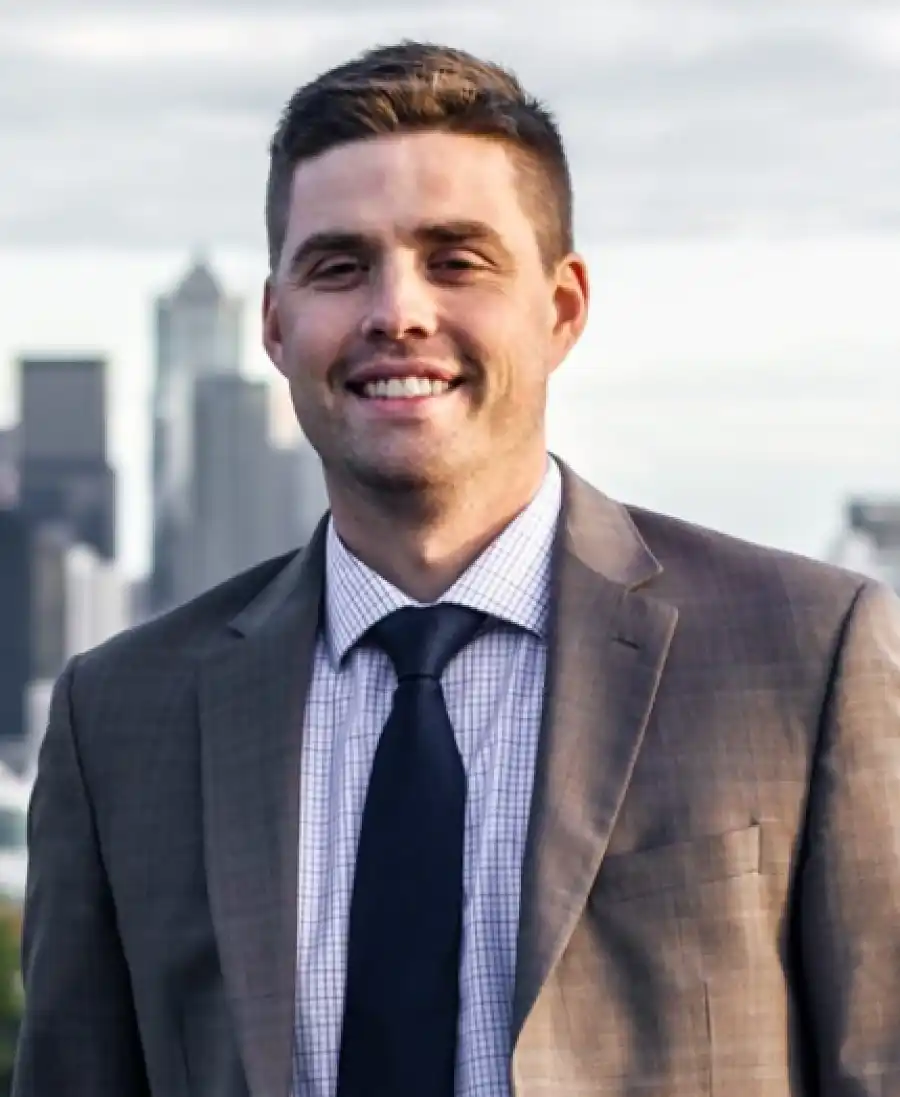
Stephen Brown
Stephen (Steve) Brown has practiced immigration law exclusively throughout his career, with experience in the Seattle and Tacoma Immigration Courts and before USCIS in Seattle and Yakima. He is fluent in Spanish, holds a J.D. from Seattle University School of Law, and is a member of the American Immigration Lawyers Association (AILA).
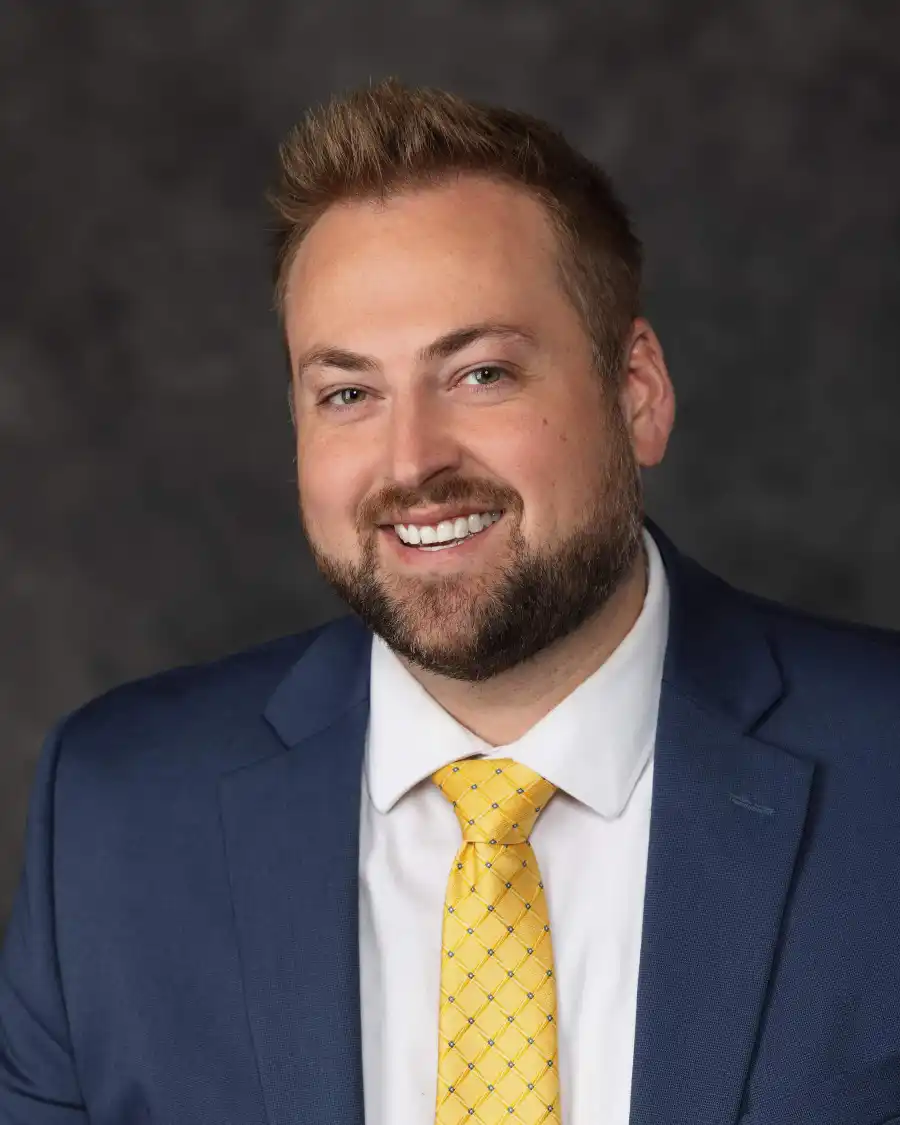
Shane Crager
Shane Crager has worked solely as an immigration attorney, focusing on family-based cases, U visas, deportation defense, asylum and naturalization. He is fluent in English and Spanish and holds a J.D. from Marquette University Law School.
Attorney Eric Reiersen, also fluent in Spanish, practices immigration law alongside the team. Every consultation is available in English or Spanish.
We meet clients at our offices in Kennewick, Tacoma, Auburn, Yakima, Moses Lake, Everett, Spokane, Wenatchee, Portland, OR, Twin Falls, ID, Mesa, AZ. Phone and video consultations are available throughout Washington, Oregon, Idaho and Arizona.
Talk to an Immigration Lawyer
Call (888) 884-7337 or send us a message to schedule a confidential consultation. Se habla español.






Get In Touch
Schedule a Free Legal Consultation With Us
If you or a loved one needs the assistance of a personal injury or immigration attorney, don’t hesitate to reach out. Ritchie-Reiersen Injury & Immigration Attorneys can help you with their extensive experience.
- Proven results
- Years of courtroom experience
- No upfront costs for injury clients
- We are available 24/7 for clients