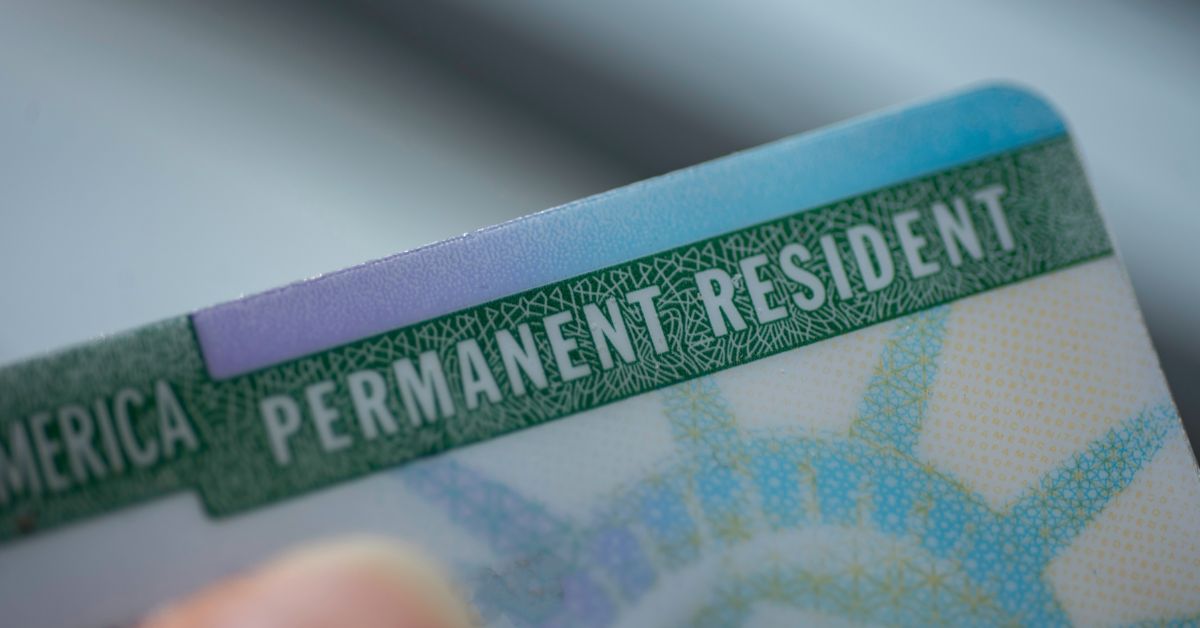
Immigration Green Card Lawyers in Portland
Permanent residence in the United States grants the ability to live and work in the country indefinitely under federal immigration law. Achieving this status requires demonstrating eligibility through a recognized immigration category along with submitting documentation that verifies identity, immigration history, and the reason for the request. Immigration green card lawyers in Portland help people seeking lawful permanent residence by evaluating which legal pathway may apply to their situation. Legal review focuses on immigration records, prior visa activity, and the documentation required to support a permanent residence application. Careful evaluation of these factors helps determine how a green card case should proceed before filings are submitted to immigration authorities.
Applications for lawful permanent residence require organized records and detailed compliance with government filing procedures. Immigration green card attorneys in Portland examine supporting evidence such as immigration filings, identity records, and documents connected to the qualifying eligibility category. This review helps ensure that the application meets federal immigration documentation requirements. Consistent records allow immigration officers to evaluate eligibility for permanent residence based on clear supporting evidence. Structured preparation helps avoid delays caused by incomplete forms. Call Ritchie-Reiersen Injury & Immigration Attorneys at (888) 884-7337 to speak with our immigration green card lawyers in Portland and learn how we can help you today.
How Immigration Green Card Lawyers in Portland Analyze Permanent Residence Eligibility
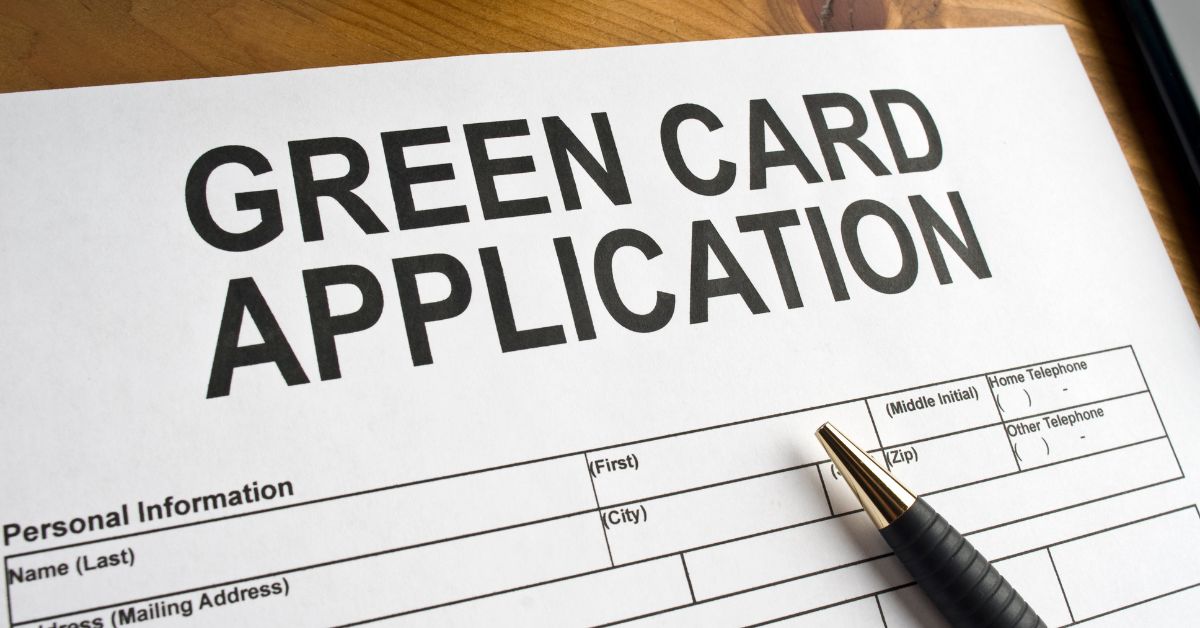
Determining eligibility for lawful permanent residence requires reviewing how a person qualifies under federal immigration categories recognized by United States immigration law. Several pathways may lead to permanent residence, including family sponsorship, employment based immigration, humanitarian protections, and other specialized eligibility categories. Ritchie-Reiersen Injury & Immigration Attorneys examines immigration history, visa records, and supporting documentation to determine which pathway may apply. This evaluation helps identify the legal requirements that immigration authorities will review during the application process. Understanding eligibility categories allows applicants to pursue the appropriate immigration pathway. Careful eligibility analysis helps guide permanent residence applications.
Permanent residence eligibility also depends on factors such as immigration compliance, admissibility requirements, and documentation demonstrating the qualifying basis for the application. Government officials evaluate these factors before approving green card requests under immigration law. Immigration green card lawyers in Portland review immigration records and supporting evidence to confirm that applicants satisfy the legal standards associated with their eligibility category. Legal review also helps identify issues that could affect the approval process. Early analysis allows applicants to prepare documentation addressing potential concerns. Accurate preparation supports the permanent residence application process.
Family Based Green Card Eligibility
Family based immigration allows certain relatives of United States citizens or lawful permanent residents to apply for permanent residence through sponsorship petitions. Eligibility depends on the legal relationship between the petitioner and the applicant along with supporting documentation confirming that relationship. Immigration authorities review records such as marriage certificates, birth records, and other official documents when evaluating family based green card eligibility. Attorneys examine these records to ensure that the qualifying relationship satisfies immigration requirements. Accurate documentation allows immigration officers to evaluate family sponsorship eligibility. Family relationships may provide a pathway to permanent residence.
Confirming Qualifying Family Relationships
Immigration law recognizes specific family relationships that allow sponsorship for permanent residence. Attorneys review documentation verifying these relationships before preparing a green card application. Careful review confirms that the relationship qualifies under immigration law.
Organizing Relationship Documentation
Green card applications must include records demonstrating the qualifying family relationship. Attorneys organize birth certificates, marriage records, and other documentation before submission. Organized evidence supports the family based green card application.
Employment Based Green Card Eligibility
Employment based immigration categories allow certain workers to apply for lawful permanent residence based on professional qualifications or employer sponsorship. Eligibility requirements depend on the employment category and the worker’s qualifications under immigration regulations. Immigration authorities review employment records, labor certification requirements, and supporting documentation when evaluating employment based green card applications. Attorneys review employment history and employer sponsorship documents to determine whether the applicant qualifies. Understanding employment based eligibility helps determine the appropriate immigration category. Employment sponsorship may provide a path toward permanent residence.
Reviewing Employment Qualifications
Employment based immigration requires demonstrating qualifications that satisfy federal immigration standards. Attorneys review employment history, education records, and employer sponsorship documentation. Accurate records help confirm eligibility for employment based green cards.
Preparing Employer Sponsorship Documentation
Employer sponsored green card cases require supporting records confirming the job offer and employment qualifications. Attorneys organize these documents before submitting the permanent residence application. Proper documentation supports employment based immigration filings.
Humanitarian Green Card Eligibility
Certain humanitarian protections recognized under immigration law may allow individuals to pursue lawful permanent residence after receiving protected immigration status. These protections sometimes arise from asylum, refugee status, or other humanitarian programs established by federal immigration regulations. Immigration authorities review documentation confirming that the applicant qualifies under the applicable humanitarian category. Attorneys evaluate eligibility requirements and supporting evidence connected to these humanitarian pathways. Understanding these categories helps determine how humanitarian protections may lead to permanent residence. Humanitarian eligibility may provide another path toward green card status.
Evaluating Humanitarian Immigration Status
Humanitarian immigration categories require documentation confirming that protected status was granted under federal immigration law. Attorneys review government records establishing eligibility for these protections. Careful evaluation confirms eligibility for permanent residence under humanitarian provisions.
Preparing Humanitarian Immigration Documentation
Green card applications based on humanitarian status require records verifying the protected immigration classification. Attorneys organize documentation demonstrating that the applicant qualifies for permanent residence. Organized records support humanitarian green card applications.
Admissibility and Immigration Compliance
Permanent residence eligibility also depends on satisfying admissibility requirements established under federal immigration law. Immigration authorities review criminal history, immigration violations, and other factors that may affect eligibility for lawful permanent residence. Attorneys analyze immigration records and background information to determine whether any admissibility issues may arise. Understanding these requirements helps applicants prepare documentation addressing potential concerns. Careful legal review allows applicants to respond appropriately to immigration compliance requirements. Immigration compliance remains essential for permanent residence approval.
Reviewing Immigration History
Immigration authorities review prior visa activity, entry records, and previous immigration filings when evaluating green card applications. Attorneys examine these records to identify issues that could affect eligibility. Accurate immigration records support the permanent residence evaluation.
Addressing Potential Admissibility Issues
Some immigration cases involve issues that require additional documentation or legal review before approval may occur. Attorneys evaluate these concerns and determine how immigration law addresses them. Proper legal analysis helps prepare applicants for admissibility review.
The Legal Process for Applying for Lawful Permanent Residence
Applying for lawful permanent residence involves submitting a formal request to immigration authorities demonstrating eligibility under federal immigration law. The process requires detailed forms, supporting documentation, and verification that the applicant qualifies through an approved immigration category. Immigration green card lawyers in Portland help applicants understand how these procedures apply to their immigration history and eligibility pathway. Attorneys review required forms, identity records, and eligibility documentation before preparing the application for submission. Careful preparation helps ensure that the filing meets immigration documentation standards. Accurate submissions support government review of permanent residence applications.
Permanent residence applications also require coordination between the applicant, government agencies, and sometimes petitioning sponsors such as family members or employers. Immigration authorities examine immigration history, admissibility requirements, and supporting documentation before granting permanent resident status. Immigration green card lawyers in Portland evaluate these requirements and determine how the application should proceed under immigration regulations. Legal review also helps identify documentation that may be required during government processing. Preparing these records early helps applicants avoid delays during the review process. Organized filings support the progress of permanent residence applications.
Adjustment of Status Applications
Adjustment of status allows eligible applicants already present in the United States to request lawful permanent residence without leaving the country. This process requires submitting immigration forms and supporting documentation demonstrating eligibility under federal immigration law. Immigration authorities review these materials along with the applicant’s immigration history and admissibility requirements. Attorneys examine immigration records before filing to confirm that the applicant qualifies for adjustment of status. Accurate documentation allows immigration officers to evaluate the application efficiently. Adjustment of status provides a pathway toward permanent residence.
Reviewing Adjustment Eligibility
Eligibility for adjustment depends on immigration status, visa availability, and compliance with immigration regulations. Attorneys examine immigration records and prior filings before preparing the application. Careful review helps confirm eligibility for adjustment.
Preparing Adjustment Documentation
Adjustment applications require government forms and supporting documentation submitted to immigration authorities. Attorneys organize immigration records and identity documents before filing the request. Organized documentation supports the adjustment application.
Consular Processing for Immigrant Visas
Applicants located outside the United States may pursue permanent residence through consular processing. This procedure requires submitting documentation to the National Visa Center before attending an immigrant visa interview at a United States consulate. Immigration authorities review these records before scheduling the visa interview. Attorneys assist applicants in organizing civil documents and financial sponsorship records required during this stage. Proper preparation helps ensure that immigration officers receive complete documentation. Consular processing allows approved applicants to pursue immigrant visas abroad.
Preparing National Visa Center Submissions
The National Visa Center reviews forms and supporting records before forwarding the case to a consulate. Attorneys organize required documentation including financial sponsorship forms and civil records. Accurate submissions help advance the case toward interview scheduling.
Attending the Consular Interview
Immigrant visa applicants must attend a consular interview conducted by a United States immigration officer. During the interview officials verify identity, documentation, and eligibility for permanent residence. Successful interviews allow applicants to continue toward immigration entry approval.
Responding to Government Evidence Requests
Immigration authorities sometimes request additional documentation while reviewing permanent residence applications. These requests occur when immigration officers determine that submitted records do not fully establish eligibility. Attorneys review these requests to determine what documentation immigration authorities require. Applicants gather additional records addressing the issues identified by immigration officers. Accurate responses help immigration authorities continue reviewing the application. Complete submissions support continued processing of the case.
Analyzing Evidence Requests
Requests for evidence identify specific documentation immigration authorities require before continuing review. Attorneys analyze these requests to determine what materials must be submitted. Careful review helps prepare a complete response.
Preparing Evidence Submissions
Responding to evidence requests requires documentation addressing every issue identified by immigration officers. Attorneys organize records and prepare submissions responding to those requests. Complete submissions help continue application processing.
Completing Permanent Residence Approval Steps
After immigration authorities approve a green card application, additional administrative steps occur before permanent resident status becomes fully effective. Applicants may receive instructions regarding final documentation or entry procedures depending on the processing pathway. Attorneys review approval notices and explain what steps must occur before permanent residence is finalized. Understanding these procedures helps applicants prepare for receiving permanent resident documentation. Clear guidance allows applicants to complete final immigration requirements correctly. Completion of these steps confirms lawful permanent residence.
Reviewing Approval Documentation
Approval notices contain instructions describing the final stages of the permanent residence process. Attorneys review these notices to explain what steps applicants must complete. Understanding approval documentation helps applicants follow immigration instructions.
Receiving Permanent Resident Documentation
Immigration authorities issue documentation confirming lawful permanent resident status after final approval. Applicants receive permanent resident identification demonstrating their authorized status in the United States. This documentation confirms lawful permanent residence.
Navigating Green Card Applications With Ritchie-Reiersen Injury & Immigration Attorneys

Pursuing lawful permanent residence involves more than completing government forms. Each application must demonstrate eligibility through documentation that immigration authorities evaluate under federal immigration regulations. Ritchie-Reiersen Injury & Immigration Attorneys works with applicants who need to understand how these requirements affect their permanent residence request. Legal review focuses on immigration history, the category supporting the application, and the records that must accompany the filing. Careful preparation allows immigration officials to examine the request using consistent documentation. Immigration green card lawyers in Portland help applicants understand how permanent residence applications move through the immigration system.
Preparing a green card case requires coordinating documentation that clearly reflects identity, eligibility, and compliance with immigration law. Immigration agencies examine submitted records closely to confirm that the information matches prior immigration filings and government databases. Ritchie-Reiersen Injury & Immigration Attorneys evaluates these materials before submission to ensure that the application accurately reflects the applicant’s immigration history. This preparation reduces the risk that inconsistencies will delay processing or prompt additional government inquiries. Structured case organization helps immigration authorities evaluate eligibility efficiently. Clear documentation strengthens permanent residence submissions during government review.
Reviewing Permanent Residence Eligibility Records
Permanent residence requests rely on documentation confirming the eligibility category through which the applicant seeks a green card. Immigration authorities evaluate these records before determining whether the application meets federal immigration requirements. Legal review focuses on identifying the documents necessary to demonstrate eligibility under the selected pathway. Supporting materials may include immigration filings, civil records, and documentation connected to the qualifying category. Careful record examination helps ensure that submitted information aligns with immigration requirements. Accurate records help support the permanent residence request.
Examining Immigration Filing History
Prior immigration filings may influence how immigration authorities evaluate a green card application. Legal review includes examining earlier visa applications, travel records, and prior immigration submissions. Consistent records support accurate immigration filings.
Confirming Documentation Consistency
Immigration agencies compare submitted records with existing government databases during application review. Legal review helps ensure that the application presents consistent information across all documentation. Consistency strengthens the credibility of the filing.
Organizing Green Card Application Documentation
Green card filings require extensive documentation verifying eligibility for lawful permanent residence. Applicants must provide records supporting identity, immigration status, and the qualifying category associated with the application. Ritchie-Reiersen Injury & Immigration Attorneys reviews these materials before submission to ensure that they comply with immigration documentation requirements. Properly organized submissions allow immigration authorities to examine the case based on complete supporting evidence. Structured documentation reduces the likelihood that additional evidence will be requested. Clear documentation helps facilitate efficient application review.
Preparing Required Application Forms
Permanent residence requests involve multiple government forms that must be completed accurately before submission. Legal review ensures that the information provided on these forms matches supporting documentation. Accurate forms support reliable immigration filings.
Assembling Supporting Evidence
Supporting evidence demonstrates eligibility for the immigration category underlying the green card request. Legal preparation organizes these materials so immigration authorities can evaluate the application clearly. Organized evidence supports immigration case review.
Responding to Immigration Agency Inquiries
Immigration authorities sometimes request additional information while reviewing green card applications. These requests may arise when officials require clarification regarding documentation or eligibility. Ritchie-Reiersen Injury & Immigration Attorneys evaluates these notices to determine what information immigration officers require. Applicants then gather documentation addressing the specific questions raised during review. Accurate responses allow immigration authorities to continue evaluating the case. Complete responses help maintain progress during the application process.
Interpreting Government Evidence Requests
Evidence requests identify the records immigration authorities require before continuing application review. Legal analysis focuses on determining what documentation must be submitted. Careful evaluation supports accurate responses.
Preparing Supplemental Submissions
Supplemental submissions provide the documentation requested by immigration officials during case review. Legal preparation organizes records addressing the issues raised in the request. Clear submissions allow the application review to continue.
Coordinating Final Application Review
Before submission, permanent residence applications benefit from final review to confirm that documentation satisfies immigration filing requirements. Legal analysis verifies that forms, supporting records, and eligibility evidence align with immigration regulations. Ritchie-Reiersen Injury & Immigration Attorneys conducts this review to ensure that the application accurately reflects the applicant’s immigration history. This step helps reduce the risk of delays caused by missing documentation or incomplete filings. Organized case preparation allows immigration officers to evaluate the application efficiently. Careful review strengthens permanent residence submissions before filing.
Verifying Application Completeness
Final preparation involves verifying that all forms, supporting documents, and identity records appear consistently across the application package. Legal review ensures that immigration forms correspond with supporting documentation and eligibility records. Accurate filings reduce the likelihood of delays during immigration processing.
Preparing the Application for Submission
Once documentation has been verified, the application package is assembled according to immigration filing procedures. Attorneys confirm that the submission includes all required forms, supporting records, and filing requirements. Complete submissions support efficient government review of permanent residence requests.
Call Ritchie-Reiersen Injury & Immigration Attorneys Today for a No Obligation Free Case Review
Applying for lawful permanent residence can shape a person’s ability to live and work in the United States for years to come. Every green card request requires documentation that immigration authorities will review carefully before granting permanent resident status. Immigration green card lawyers in Portland help applicants evaluate their immigration history and prepare records that reflect eligibility under federal immigration law. Clear preparation helps ensure that the application accurately presents the facts immigration officials must review.
Green card cases can require coordinating documentation from multiple sources such as prior immigration filings, family sponsorship records, employment documentation, and identity records. Immigration green card lawyers in Portland work with applicants to organize these materials so immigration authorities can review the request using reliable documentation. When questions arise during government review, applicants may need to respond to requests for additional records explaining immigration history or eligibility. Planning a permanent residence application benefits from understanding the legal requirements before submitting immigration paperwork. Immigration green card lawyers in Portland explain eligibility pathways, documentation expectations, and how immigration agencies evaluate green card requests during the review process. Call Ritchie-Reiersen Injury & Immigration Attorneys at (888) 884-7337 or visit our contact page to get a free consultation today.









Get In Touch
Schedule a Free Legal Consultation With Us
If you or a loved one needs the assistance of a personal injury or immigration attorney, don’t hesitate to reach out. Ritchie-Reiersen Injury & Immigration Attorneys can help you with their extensive experience.
- Proven results
- Years of courtroom experience
- No upfront costs for injury clients
- We are available 24/7 for clients