Rideshare Accident Lawyers in Everett
Rideshare accidents are unique because liability is not as easy to assign as you may think. A driver may be waiting for a ride request, actively transporting a passenger, or transitioning between trips when the accident occurs, and each stage can affect how the situation is evaluated. Rideshare accident lawyers in Everett focus on identifying what role the driver was in during those moments and how that status influenced both responsibility and available coverage. Ritchie-Reiersen Injury & Immigration Attorneys builds these cases by examining how app data, driver behavior, and surrounding traffic conditions combined to create the incident. Rideshare accident lawyers in Everett present claims that reflect how those overlapping factors shaped both the accident and the resulting injuries.
In many rideshare situations, understanding what happened requires looking beyond the physical collision and into how the platform itself was being used at the time. Driver acceptance of a ride, navigation through the app, and interaction with passengers can all affect how attention and decision-making develop before impact. Attorneys use trip records, timing data, and movement patterns to reconstruct how the situation unfolded from start to finish. Ritchie-Reiersen Injury & Immigration Attorneys structures each case around how those elements connect to responsibility and injury outcomes without relying on simplified explanations. Call Ritchie-Reiersen Injury & Immigration Attorneys at (888) 884-7337 to begin your case.
How Rideshare Activity at the Time of a Crash Affects Responsibility
Responsibility in a rideshare accident can change depending on what the driver was doing within the app at the exact moment the collision occurred. A driver waiting for a request, navigating to a pickup, or transporting a passenger is treated differently when fault and insurance coverage are evaluated. Rideshare accident lawyers in Everett analyze how that activity aligns with the timing of the crash rather than focusing only on roadway behavior. The relationship between app status and driver conduct often determines how responsibility is distributed across multiple parties. Ritchie-Reiersen Injury & Immigration Attorneys uses these distinctions to explain how layered involvement shaped the outcome.
The lead-up to the collision also carries weight, since each phase of a rideshare trip introduces different expectations and risks for the driver. Interacting with navigation, monitoring incoming ride requests, or managing a passenger can divide attention during critical moments. Rideshare accident lawyers in Everett reconstruct how those actions unfolded in sequence to show how the situation developed before impact. Small timing differences or attention shifts can change how responsibility is interpreted when multiple parties are involved. Rideshare accident lawyers in Everett present claims that reflect how these conditions influenced both fault and resulting harm.

Waiting for a Ride Request and Divided Attention
During periods when a driver is logged into the rideshare app without an active trip, incoming notifications and route planning can compete for attention while the vehicle remains in motion. Glancing at the screen to evaluate ride opportunities or adjust positioning can interrupt continuous monitoring of surrounding traffic. A driver who is alternating focus between the app interface and roadway conditions may fail to recognize hazards as they develop. These interruptions can delay braking decisions or reduce the ability to adjust direction in time to avoid contact. Responsibility during this phase often depends on how that divided attention influenced the driver’s response to changing conditions.
Interaction With Incoming Requests and Driving Awareness
Evaluating ride requests requires visual attention that can briefly shift focus away from the roadway environment. Even short interruptions can affect how quickly surrounding movement is recognized and processed. Reduced awareness during these moments can contribute to missed hazards or delayed reactions.
How Divided Focus Contributes to Collision Conditions
Switching attention between the app and the roadway can shorten the time available to respond to developing risks. Delayed recognition of changing conditions can increase the likelihood of impact in active traffic areas. These circumstances help explain how responsibility is assigned during this phase.
Navigating to a Pickup Location Under Time Pressure
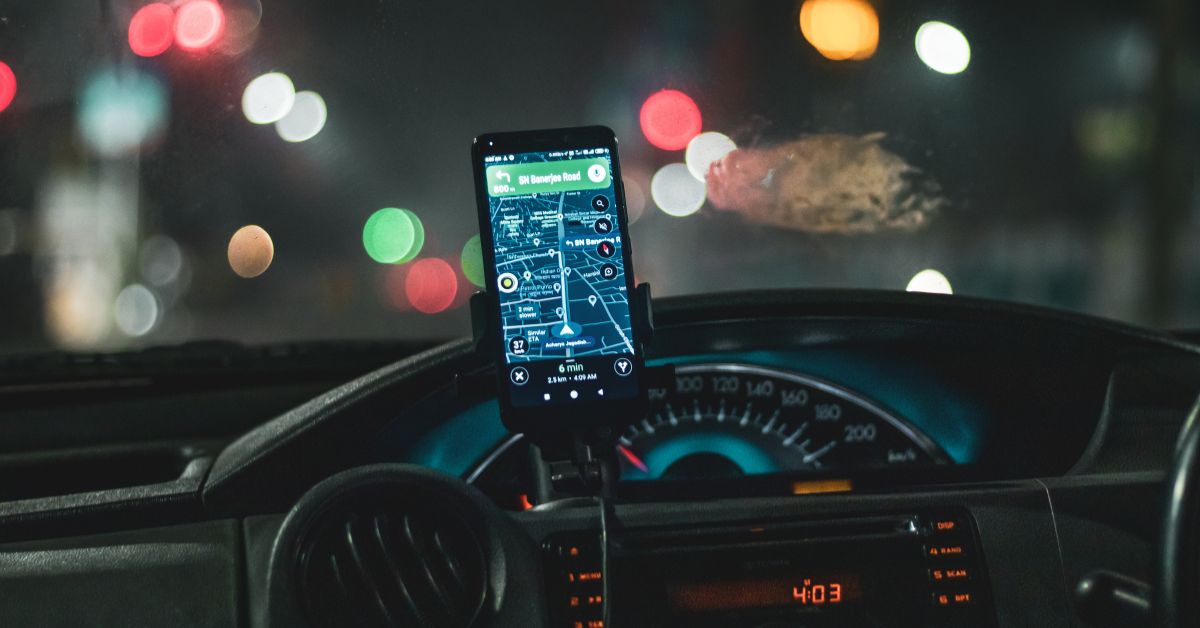
Once a ride is accepted, drivers rely on in-app navigation while attempting to reach the pickup location efficiently, often under perceived time pressure. Frequent route updates and directional prompts can draw attention toward the device rather than the surrounding environment. Adjusting position to reach the pickup point may involve sudden turns, lane changes, or speed variations that affect traffic flow. A driver balancing navigation with roadway awareness may not fully process nearby hazards during these adjustments. These behaviors influence how responsibility is evaluated when a collision occurs during this phase.
Navigation Demands and Real-Time Decision Making
Following app-based directions requires drivers to make quick decisions about positioning, turns, and lane changes while remaining aware of surrounding vehicles. Attention directed toward navigation prompts can interfere with continuous observation of the roadway. This combination of demands can reduce the effectiveness of real-time decision-making.
How Route Adjustments Increase Exposure to Risk
Frequent directional changes can create unpredictable movement patterns that affect how other drivers and pedestrians respond. Sudden adjustments in speed or direction may reduce the margin for error during critical moments. These conditions contribute to how responsibility is determined.
Passenger Presence and Increased Cognitive Load
Transporting a passenger introduces additional responsibilities that can divide attention between the roadway and interactions inside the vehicle. Conversation, route adjustments requested by the passenger, or changes in navigation can shift focus during important moments. Maintaining awareness while managing these factors requires sustained concentration that can be disrupted by competing demands. A lapse in attention during this phase can directly affect how quickly hazards are recognized and addressed. These conditions play a role in how responsibility is evaluated when a crash occurs during an active trip.
Passenger Interaction and Attention Allocation
Engaging with a passenger can require cognitive focus that competes with the need to monitor traffic conditions continuously. Even brief interactions can interrupt the driver’s ability to track movement around the vehicle. These shifts in attention can influence how the driver responds to developing hazards.
How In-Ride Conditions Affect Responsibility Analysis
Managing passenger-related factors while navigating traffic can alter reaction timing and decision-making under pressure. Reduced focus during critical moments may contribute to delayed responses or incorrect maneuvers. These elements help define how responsibility is assigned during an active ride.
Transitioning Between Trips and Shifting Focus
Moments immediately after completing a ride or preparing for the next request often involve interaction with the app while the vehicle remains in motion. Drivers may confirm trip completion, review incoming requests, or adjust settings during this transitional period. Attention directed toward these tasks can temporarily reduce awareness of surrounding traffic conditions. Even brief lapses during this phase can create situations where hazards are not recognized in time to avoid impact. These transitions influence how responsibility is evaluated when a crash occurs outside an active trip.
Post-Trip App Interaction While Driving
Completing trip-related actions within the app often requires visual and cognitive focus while the vehicle is still moving through traffic. This interaction can interrupt continuous observation of the roadway environment. Reduced attention during these moments can affect how quickly hazards are detected.
How Transitional Phases Contribute to Collision Risk
Shifting between ride phases can create brief periods where attention is divided between the app and driving conditions. These lapses can reduce the driver’s ability to respond effectively to sudden changes in traffic. These factors contribute to how responsibility is determined in transitional scenarios.
How Rideshare Accident Claims in Everett Are Affected by Multiple Insurance Policies
Insurance coverage in a rideshare accident does not come from a single source, since different policies may apply depending on what stage of the trip the driver was in when the crash occurred. Personal auto coverage, company-provided policies, and contingent layers can all become relevant at different points in time. Rideshare accident lawyers in Everett examine how these policies overlap rather than assuming one source applies to the entire incident. The timing of the crash in relation to app activity often determines which coverage becomes primary and which remains secondary. Rideshare accident attorneys in Everett use this framework to explain how multiple policies interact when determining responsibility for damages.
Complications arise when coverage boundaries are not clearly defined or when insurers attempt to shift responsibility between policies to reduce exposure. A driver’s transition between offline status, waiting for a ride, and actively transporting a passenger can create gaps where coverage is disputed. Attorneys reconstruct how the trip progressed to show exactly which policy should apply at each stage. Small discrepancies in timing or status can lead to disagreements about which insurer is responsible for paying a claim. Attorneys present claims that clarify these transitions so coverage is applied correctly.
Personal Insurance Coverage Limits
Personal auto insurance policies are typically designed for private use and may exclude coverage when a vehicle is being used for commercial purposes, such as rideshare driving. When a driver is logged into the app or engaged in ride-related activity, personal policies may limit or deny coverage based on those exclusions. This creates situations where reliance on personal insurance alone does not reflect the actual use of the vehicle at the time of the crash. Understanding these limitations is essential when determining how coverage should be applied. Exclusions written into personal policies often determine how responsibility is redirected toward other available coverage sources.
Policy Restrictions During App Engagement
Insurance agreements often include language that restricts coverage once a driver begins using the vehicle for rideshare purposes. Even passive app activity can trigger limitations depending on how the policy is written. Restrictions tied to app engagement influence which insurer becomes responsible when a crash occurs.
How Personal Coverage Interacts With Rideshare Use
When personal policies limit coverage, responsibility may shift to other available insurance layers tied to rideshare activity. The interaction between these policies depends on how the driver was using the app during the incident. Coverage relationships formed between policies determine how claims are processed and resolved.
Company Coverage During Active Trips
Rideshare companies typically provide higher levels of insurance coverage when a driver is actively transporting a passenger or traveling to a confirmed pickup location. Policies during this phase are structured to address the increased risk associated with commercial driving activity. Coverage may include liability protection, uninsured motorist provisions, and additional safeguards tied to passenger transport. Availability of these protections depends on whether the driver was engaged in an active ride phase when the collision occurred. Distinctions between ride phases influence how responsibility is distributed across involved parties.
Coverage Levels Based on Trip Status
Insurance provided by rideshare companies can vary depending on whether the driver is waiting for a request, navigating to a pickup, or transporting a passenger. Each phase carries different coverage limits, conditions, and expectations for driver behavior. Variation in coverage across these stages affects how claims are evaluated when responsibility is disputed.
How Active Trip Status Expands Coverage
When a driver is actively engaged in a ride, higher coverage limits typically become available compared to periods without an assigned trip. Expanded coverage reflects the increased exposure associated with transporting passengers in active service. Availability of these higher limits directly influences how compensation is evaluated in the claim.
Coverage Gaps Between Trip Phases
Transitions between different stages of a rideshare trip can create periods where coverage is less clear or subject to dispute between insurers. A driver switching between app statuses may fall into a gap where neither personal nor company coverage applies fully without question. These gaps often become a central issue when determining which insurer is responsible for damages resulting from the crash. Understanding how transitions occur between ride phases helps explain why disputes arise over coverage. Ambiguity during these transitions can complicate how responsibility is assigned across multiple policies.
Identifying Periods With Limited Coverage
Moments between ride phases may involve reduced coverage or conflicting interpretations of policy applicability based on app activity. These periods depend heavily on how the driver’s status is recorded at the exact time of the crash. Accurate identification of these transitional moments helps clarify which policy should respond first.
How Coverage Gaps Affect Claim Resolution
When coverage remains unclear, insurers may delay decisions or attempt to shift responsibility to another provider to reduce financial exposure. Disputes over policy applicability can slow the claims process and create uncertainty for those seeking compensation. Resolution depends on clearly connecting the driver’s activity to the correct coverage layer.
Disputes Between Insurance Providers
When more than one policy could apply to a rideshare accident, insurers may attempt to limit their involvement by shifting responsibility to another provider. Conflicting interpretations of policy language can lead to disagreements over which coverage is primary and which applies secondarily. These disputes require a clear explanation of how the accident occurred and which policy conditions were satisfied at that time. Resolving these conflicts depends on how well the sequence of events is documented and supported by available evidence. Disagreement between insurers often plays a major role in how and when claims are finalized.
Conflicting Policy Interpretations
Different insurers may interpret the same set of facts in ways that support their position while minimizing financial responsibility. These interpretations often focus on timing, app status, or driver activity during the moments leading up to the crash. Understanding how these interpretations differ helps address disputes more effectively.
How Disputes Shape Claim Outcomes
The resolution of conflicts between insurers can determine how quickly a claim is processed and which damages are ultimately covered. Clear documentation of events reduces ambiguity and limits opportunities for conflicting interpretations. The outcome of the claim depends on how effectively these disputes are resolved.
How Ritchie-Reiersen Injury & Immigration Attorneys Moves Rideshare Accident Claims Toward Resolution in Everett
Progress in a rideshare accident claim depends on how clearly responsibility, coverage, and injury impact are aligned before discussions begin with insurers. Ritchie-Reiersen Injury & Immigration Attorneys approaches this stage by organizing how the accident developed, how the driver was operating within the app, and how injuries progressed after the collision. Rideshare accident lawyers in Everett focus on presenting a complete sequence so insurers cannot separate individual details to reduce the overall impact. Claims that lack this structure often become vulnerable to partial interpretations that shift attention away from the full context. Rideshare accident attorneys in Everett position each case so that resolution efforts are based on a consistent and well-supported explanation.
Movement toward resolution also depends on how effectively the claim addresses the layered nature of rideshare coverage and responsibility. A driver’s app status, interaction with navigation, and surrounding traffic conditions all influence how insurers evaluate exposure. Lawyers connect those elements to injury outcomes so discussions remain grounded in how the incident actually unfolded. When these relationships are clearly established, it becomes more difficult for insurers to delay or dispute key aspects of the claim. Ritchie-Reiersen Injury & Immigration Attorneys maintains that focus to keep negotiations moving in a productive direction.

Establishing Position Before Negotiations Begin
Before any settlement discussions take place, the claim must present a version of events that remains stable across every supporting detail. Inconsistent timelines or unclear connections between actions and injuries can create openings for insurers to challenge responsibility or reduce value. Ritchie-Reiersen Injury & Immigration Attorneys develops each case by aligning trip data, driver conduct, and injury progression into a unified explanation. Rideshare accident lawyers in Everett rely on this structure to ensure that every element supports the same sequence of events. A clearly defined position makes it harder for opposing parties to reinterpret the situation during negotiation.
Aligning Case Details With a Single Narrative
All records, including app activity, driver behavior, and medical information, must reflect the same sequence without contradiction. Differences between sources can weaken how the claim is understood when reviewed by insurers. Alignment across these details reinforces how the accident and injuries are connected.
Reinforcing Stability Across Supporting Evidence
When every piece of information points to the same explanation, challenges based on inconsistency become less effective. A stable presentation keeps the focus on how the incident actually developed. Strong alignment supports a more controlled negotiation process.
Managing Resistance From Insurance Providers
Insurance companies frequently respond to rideshare claims by narrowing how responsibility or injury severity is interpreted. Selective use of information or emphasis on isolated details can shift attention away from how the event unfolded as a whole. Ritchie-Reiersen Injury & Immigration Attorneys anticipates these approaches and prepares responses that reconnect each stage of the incident. Lawyers address these challenges by maintaining a consistent explanation supported by documented evidence. This method prevents negotiations from being shaped by incomplete or misleading interpretations.
Identifying Where Disputes Are Likely to Arise
Insurers often focus on areas where timing, app status, or injury progression appears open to interpretation. These points may be used to question how responsibility should be assigned. Recognizing these areas allows them to be addressed before they affect the claim.
Reconnecting Disputed Details to the Full Sequence
A complete explanation places each contested detail back within the broader sequence of events. This approach limits the ability to isolate information in a way that reduces overall impact. Maintaining context helps preserve the integrity of the claim.
Advancing the Claim When Resolution Delays Occur
Some rideshare accident claims do not resolve quickly, especially when insurers continue to dispute responsibility or coverage. Ritchie-Reiersen Injury & Immigration Attorneys prepares for this possibility by ensuring that the claim remains consistent and fully supported at every stage. Lawyers maintain pressure by demonstrating that the case can withstand continued review without losing clarity or strength. This readiness discourages unnecessary delays and keeps the claim moving forward. A well-developed case allows resolution efforts to continue without interruption, even when challenges arise.
Maintaining Momentum During Extended Discussions
Delays can introduce new arguments or revisit previously addressed issues in an attempt to shift interpretation. Maintaining a consistent presentation prevents these changes from weakening the claim over time. Stability across all elements supports continued progress toward resolution.
Preserving Strength as the Case Moves Forward
Ongoing review ensures that all information remains accurate, connected, and aligned with the original sequence of events. Adjustments are made as needed to incorporate new developments without disrupting consistency. A strong foundation allows the claim to remain effective throughout the process.
Call Now and Learn How Ritchie-Reiersen Injury & Immigration Attorneys Can Help You Today
Rideshare accident claims can escalate when different insurance layers and driver roles are interpreted in conflicting ways. Details tied to app activity, trip timing, and how the collision occurred must be connected so the full situation is not reduced to isolated moments. When those connections are not clearly presented, key parts of the impact can be overlooked or challenged during the process. Ritchie-Reiersen Injury & Immigration Attorneys works to keep every part of the case aligned so nothing important is separated or minimized.
Each decision made during the case affects how responsibility and compensation are understood. Ritchie-Reiersen Injury & Immigration Attorneys prepares claims so every element remains consistent from beginning to resolution. Call Ritchie-Reiersen Injury & Immigration Attorneys at (888) 884-7337 or visit our contact page today to speak with our Everett rideshare accident attorneys about your situation.








Get In Touch
Schedule a Free Legal Consultation With Us
If you or a loved one needs the assistance of a personal injury or immigration attorney, don’t hesitate to reach out. Ritchie-Reiersen Injury & Immigration Attorneys can help you with their extensive experience.
- Proven results
- Years of courtroom experience
- No upfront costs for injury clients
- We are available 24/7 for clients