
Pedestrian Accident Lawyers in Everett
A pedestrian accident can become very serious due to the lack of protection a pedestrian has compared to the driver. A driver’s split-second decision, limited visibility, or failure to anticipate someone entering the roadway can create a situation where impact becomes unavoidable. Pedestrian accident lawyers in Everett concentrate on identifying what prevented the driver from stopping or adjusting course before contact occurred. Ritchie-Reiersen Injury & Immigration Attorneys develops these cases by examining how traffic flow, driver attention, and roadway layout influenced the sequence of events. Pedestrian accident attorneys in Everett present claims that explain how these conditions combined to create the circumstances that led to injury.
Many pedestrian accidents depend on how both movement and timing are aligned in the seconds before impact, rather than a single mistake. Pedestrian accident attorneys in Everett use scene details, traffic behavior, and available evidence to reconstruct how those elements interacted. Ritchie-Reiersen Injury & Immigration Attorneys builds each case around how those factors connect to responsibility and injury outcomes. Call Ritchie-Reiersen Injury & Immigration Attorneys at (888) 884-7337 to get a free case review today.
How Pedestrian Accident Lawyers in Everett Break Down the Moments Before Impact
In many pedestrian incidents, the final seconds are shaped by how movement from both the vehicle and the pedestrian converged in a shared space with a limited margin for correction. Pedestrian accident lawyers in Everett analyze how speed, direction, and proximity developed together rather than isolating a single action. A driver approaching a turn, a pedestrian stepping forward, and surrounding traffic patterns can all shift timing in ways that reduce available reaction distance. When those elements align improperly, even small misjudgments can eliminate the ability to avoid contact. Ritchie-Reiersen Injury & Immigration Attorneys builds these claims by showing how those overlapping movements created the conditions for impact.
Breaking down these moments requires mapping how each decision affected what followed in real time as the situation unfolded. Vehicle positioning, pedestrian trajectory, and signal changes all influence how quickly risk increases within a confined space. A slight delay in braking, a misread crossing opportunity, or an obstructed line of sight can change the outcome within seconds. Instead of relying on general assumptions, this approach focuses on how each movement altered the timing of the next. Reconstructing that sequence helps clarify how responsibility connects directly to specific actions.

Movement Conflicts That Develop Near Crosswalks
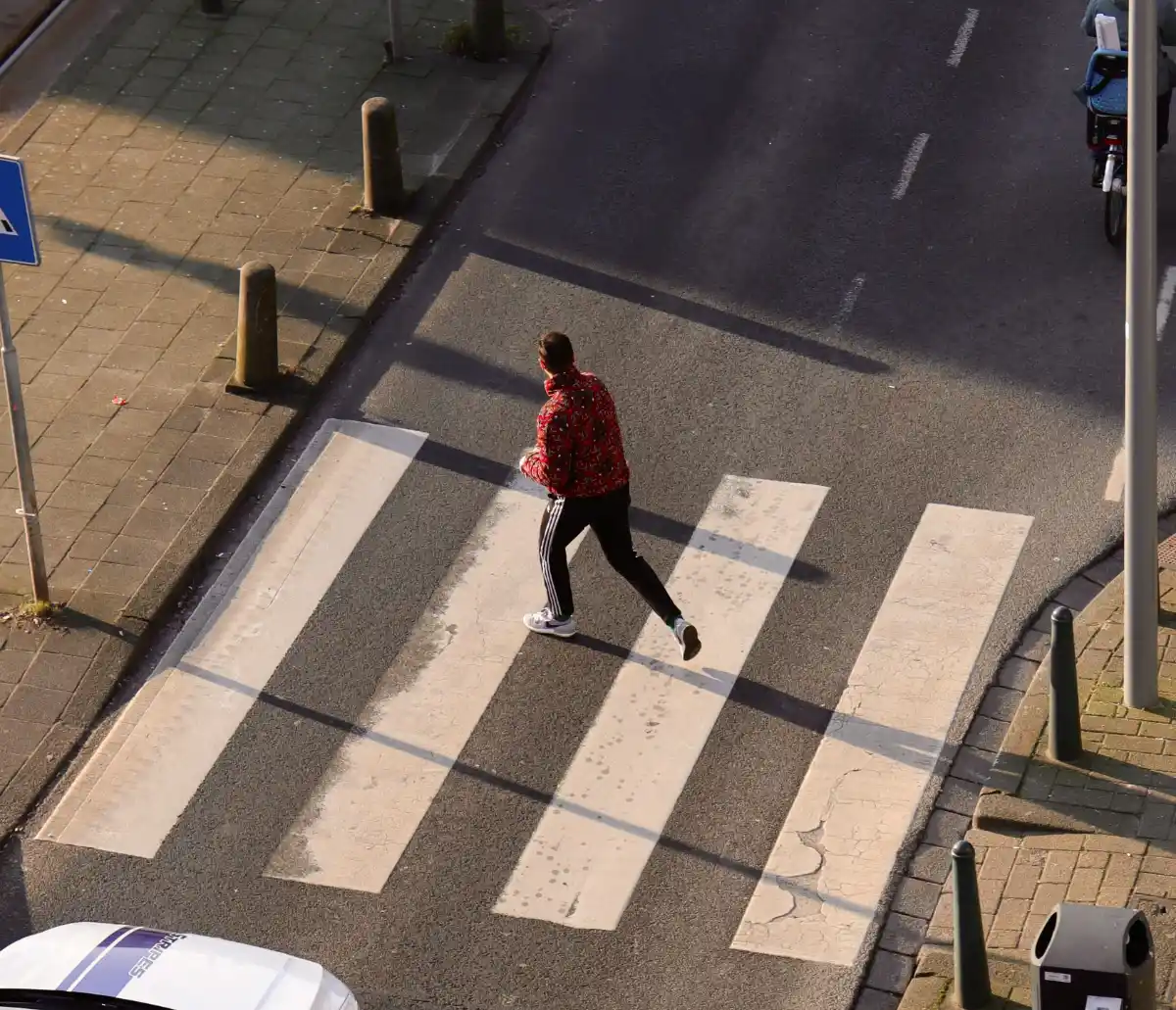
Crosswalk areas frequently become points of conflict when turning vehicles intersect with pedestrians who have already entered the roadway. A driver initiating a turn may focus on gaps in traffic while failing to account for someone crossing within the same path. Pedestrians moving at a steady pace can enter a driver’s path faster than expected when visibility is partially limited. Turning angles and lane positioning can further narrow the space available for adjustment. These overlapping movements often define how quickly a situation becomes unavoidable.
Timing Gaps Created by Turning Decisions
Turning maneuvers require drivers to judge both traffic flow and pedestrian presence within a limited timeframe. A delayed recognition of someone crossing can reduce the distance needed to slow or stop safely. Even a brief hesitation during a turn can shift timing enough to create immediate risk.
How Turning Angles Affect Reaction Distance
Sharper turning angles can limit how far ahead a driver can see while entering a crosswalk. Reduced visibility shortens the time available to respond to unexpected movement. These constraints directly influence how quickly impact becomes likely.
Visibility Interruptions That Limit Driver Awareness
Obstructions such as parked vehicles, roadway design features, or surrounding traffic can block a driver’s view of pedestrians approaching the roadway. A person stepping into a crosswalk may not be visible until the vehicle is already within a short stopping distance. Glare, low light conditions, or weather can further reduce clarity at critical moments. When visibility is compromised, the ability to anticipate movement decreases significantly. These limitations play a major role in how the final seconds unfold.
Environmental Factors That Affect Line of Sight
Lighting conditions, weather patterns, and roadside obstacles can all interfere with how clearly a driver can detect pedestrians. Limited visibility often delays recognition until corrective action becomes difficult. These conditions shape how awareness develops during the approach.
How Obstructions Change Perception of Distance
Objects between the driver and the pedestrian can distort how far away someone appears to be. Misjudging distance affects how quickly a driver reacts or whether braking begins in time. These perception issues can accelerate the progression toward impact.
Speed Adjustments That Influence Available Reaction Time
Vehicle speed directly affects how much time exists to recognize and respond to a pedestrian entering the roadway. Higher speeds reduce the distance available for braking and increase the force involved if contact occurs. Even moderate speeds can become unsafe when combined with turning movement or limited visibility. Small variations in speed often determine whether avoidance remains possible. These differences become critical in the seconds before impact.
How Speed Alters Stopping Distance in Real Conditions
Stopping distance increases as speed rises, especially when reaction time and road conditions are factored together. A driver traveling slightly faster may lose the ability to stop within the available space. These changes affect how quickly a situation escalates.
How Acceleration and Deceleration Affect Control
Changes in speed during approach or turning can shift vehicle balance and control. Sudden braking or late deceleration may not provide enough time to prevent contact. These dynamics influence how the vehicle responds under pressure.
Pedestrian Movement Through Traffic Flow
A pedestrian’s location, pace, and direction influence how drivers perceive and react to their presence in the roadway. Entering a crosswalk, adjusting speed mid-crossing, or navigating between lanes can alter how visible someone appears. Movement that seems predictable in isolation can become difficult to anticipate when combined with surrounding traffic. Position within the roadway determines how much time drivers have to respond. These factors contribute to how the final moments before impact develop.
How Entry Point and Direction Affect Visibility
Where a pedestrian begins crossing and the direction they move can influence how early they are seen by approaching drivers. Certain entry points may delay visibility until the vehicle is already close. These details affect how awareness develops.
How Movement Patterns Influence Driver Expectation
Consistent walking patterns are easier for drivers to anticipate than sudden changes in pace or direction. Unexpected movement can reduce the ability to react safely. These shifts in behavior influence how quickly risk increases.
How Responsibility and Injury Severity Work Together to Shape Pedestrian Accident Claims in Everett
The outcome of a pedestrian accident claim depends on how fault and injury impact intersect, since both elements influence how the situation is evaluated and presented. Pedestrian accident lawyers in Everett look at how the collision occurred while also examining how the body was affected at each stage of impact. A driver’s actions may establish responsibility, yet the way the pedestrian was struck often determines how severe the injuries become. These two components must be connected clearly to explain why the consequences reached a certain level. When that connection is missing, the full extent of the harm may not be properly recognized.
Situations involving pedestrians rarely involve a single point of impact, which means injury severity often develops through multiple stages rather than one moment. Initial contact with the vehicle, followed by ground impact or secondary movement, can change how injuries progress over time. Pedestrian accident lawyers in Everett build claims by aligning how those stages unfolded with the actions that created them. The sequence of events provides context for both responsibility and the resulting physical impact. Linking these elements together helps ensure that the claim reflects what actually occurred.
Initial Impact and Early Injury Formation
The first contact between a vehicle and a pedestrian shapes both how responsibility is viewed and how injuries begin to develop. A forward strike at speed can suggest a delayed reaction, while side contact during a turn may indicate visibility limitations. Force distribution at the moment of impact determines how the body absorbs energy and where trauma begins. These mechanics explain both how the incident happened and why injuries formed in a specific pattern. Early impact conditions directly influence how the claim is interpreted.
Contact Location and Force Distribution
Where the vehicle strikes the body affects whether injuries begin in the lower body, torso, or head. Different impact points create different movement patterns immediately after contact. These variations shape how the body reacts under force.
How Initial Conditions Influence Claim Value
Stronger initial force generally produces more complex injury patterns and longer recovery timelines. Severity at first contact often affects how the claim is evaluated. These conditions directly influence overall compensation potential.
Secondary Impact and Compounding Injury Effects
After initial contact, many injuries worsen when the body hits the ground or surrounding surfaces during the fall. The angle of descent and surface type determine how additional force is absorbed after separation from the vehicle. Hard surfaces increase the likelihood of head trauma, fractures, or internal injuries that develop during this phase. This second stage often explains why injuries appear more severe than the initial contact alone would suggest. Recognizing this phase is essential when explaining how harm developed.
Surface Conditions and Injury Progression
Concrete, asphalt, and uneven terrain can significantly increase the severity of injuries during ground impact. Surface hardness affects how force transfers through the body during contact. These differences help explain variation in injury outcomes.
How Secondary Impact Expands Claim Scope
Injuries from ground contact may require a separate explanation to ensure they are properly connected to the accident. Additional trauma increases both medical complexity and recovery duration. Including this stage ensures the claim reflects full injury development.
Movement and Positioning in Fault Evaluation
The way a pedestrian moves through traffic influences how responsibility is evaluated alongside driver behavior. Position within a crosswalk, direction of travel, and pace all affect timing between both parties. Drivers are expected to adjust to these conditions, yet positioning can limit how quickly they respond. Movement patterns shape how risk develops as both parties approach the same space. These interactions help define how fault is assigned.
Visibility Based on Roadway Position
Location within the roadway determines how early a pedestrian becomes visible to approaching drivers. Certain positions reduce visibility until the vehicle is already close. These conditions influence how awareness develops.
Movement Patterns and Driver Expectation
Predictable movement is easier for drivers to anticipate than sudden changes in direction or speed. Unexpected shifts reduce available reaction time significantly. These dynamics affect how responsibility is interpreted.
Injury Severity and Long-Term Recovery Impact
The level of injury affects how recovery progresses and what support may be required over time. More severe trauma often involves extended treatment, rehabilitation, and lasting physical limitations. These outcomes influence how compensation is evaluated in relation to future needs. Long-term effects must be considered when determining how the injury changes daily life. This relationship plays a central role in how claims are structured.
Medical Complexity and Recovery Duration
Serious injuries may require ongoing treatment, specialized care, or extended rehabilitation beyond initial recovery stages. Healing timelines vary depending on injury type and response to treatment. These factors determine how long support is needed.
Long-Term Effects on Compensation Outcomes
Injuries that affect mobility, independence, or routine activities can extend far beyond initial recovery. These long-term impacts influence how compensation is calculated. Including these effects ensures a more complete evaluation.
How Ritchie-Reiersen Injury & Immigration Attorneys Handles Negotiations in Pedestrian Accident Cases
Negotiations in pedestrian accident cases rarely center on a single issue, since insurers usually attempt to narrow responsibility while also questioning how injuries developed across multiple stages. Ritchie-Reiersen Injury & Immigration Attorneys approaches these discussions by presenting how timing, visibility, and driver decisions combined to create conditions that led directly to injury. Pedestrian accident lawyers in Everett structure negotiation positions around how each phase of the incident contributed to the final outcome rather than allowing isolated details to define the claim. Separating these elements can make the situation appear less severe or less connected than it actually was during the event. Keeping those connections intact prevents responsibility and injury impact from being reduced during settlement discussions.
As negotiations continue, the strength of a claim depends on how clearly injury progression is tied to what occurred during the incident. Pedestrian accident lawyers in Everett prepare demands that reflect how initial contact, secondary impact, and recovery needs all developed from the same sequence of events. Insurance companies may attempt to rely on shorter recovery timelines or incomplete interpretations to justify lower settlement offers. A detailed explanation that accounts for how injuries evolved over time makes those arguments less effective during negotiation. Ritchie-Reiersen Injury & Immigration Attorneys maintains a focus on how each stage of injury development connects directly to the accident conditions.

Establishing Leverage Through Case Presentation
Leverage develops when every part of the claim supports a single, consistent explanation of how the accident occurred and how injuries resulted from that sequence. Gaps or inconsistencies allow opposing parties to challenge how responsibility or severity is interpreted during negotiation. A unified presentation keeps attention on how events unfolded rather than allowing smaller details to be taken out of context. When each component aligns with the same version of events, it becomes more difficult to reduce the overall value of the claim. This consistency strengthens the negotiating position by limiting opportunities to reinterpret key details.
Aligning Documentation With Event Progression
All records, statements, and supporting materials must reflect the same sequence without introducing conflicting timelines or interpretations. Differences between sources can weaken how the claim is understood during negotiation. Alignment ensures that the overall explanation remains stable across all supporting information.
Reinforcing Position Through Consistent Detail
When each detail supports the same sequence of events, opposing arguments lose effectiveness due to a lack of contradiction points. This reduces the ability to challenge responsibility or injury severity. Consistent detail strengthens how the claim holds up under pressure.
Proving How Insurance Companies Attempt to Limit Exposure
Insurance companies frequently attempt to narrow how pedestrian accident claims are interpreted by focusing on selective portions of the incident. Partial explanations can make responsibility appear less direct, or injuries appear less severe than they actually are. Recognizing these tactics allows responses to be developed before those arguments are introduced into negotiations. Addressing these points early prevents the claim from being reframed in a way that reduces its impact. This preparation ensures the full sequence remains central throughout discussions.
Identifying Where Interpretation May Be Restricted
Certain parts of the claim may be presented in a limited way to reduce perceived responsibility or injury severity. These areas often involve timing, visibility, or progression of physical symptoms. Identifying these points allows them to be clarified before they influence negotiation outcomes.
Reestablishing Full Context During Disputes
Providing a complete explanation reconnects each stage of the incident so that responsibility and injury progression remain linked. This approach prevents selective interpretation from distorting how the event is understood. Maintaining context protects the integrity of the claim.
Connecting Injury Progression to Settlement Value
Settlement outcomes depend on how accurately the claim reflects how injuries developed and how they continue to affect daily function over time. Immediate treatment alone does not represent the full impact when recovery involves multiple stages or lasting limitations. Linking each stage of injury progression to the incident explains why certain medical outcomes occurred. This connection ensures that settlement discussions account for both current and future needs. A complete explanation supports a more accurate valuation during negotiation.
Demonstrating Multi-Stage Injury Development
Injury progression may involve initial trauma followed by complications or delayed symptoms that emerge after the incident. These stages must be connected clearly to how the accident occurred. Demonstrating this progression strengthens how the claim is evaluated.
Incorporating Long-Term Effects Into Negotiation
Ongoing limitations and changes to daily function must be reflected when determining the appropriate settlement value. These effects extend beyond initial recovery and influence long-term stability. Including these impacts ensures the claim reflects total consequences.
Maintaining Readiness If Negotiations Fail
Some pedestrian accident claims require continued action when settlement discussions fail to address responsibility or the full injury impact. Preparation for this possibility begins by ensuring that all elements of the claim are fully developed and supported by consistent information. A claim that remains stable under pressure discourages delay tactics and strengthens overall positioning. Maintaining readiness allows the case to move forward without disruption if negotiations do not produce a fair outcome. This approach preserves leverage while keeping all options available.
Sustaining Case Strength During Extended Negotiations
Extended discussions can introduce new arguments or revisit previously addressed issues that attempt to shift interpretation. Maintaining a consistent presentation prevents these changes from weakening the claim over time. Stability across all elements supports long-term negotiation strength.
Maintaining Pressure Without Weakening Position
Pressure is maintained by demonstrating that the claim remains supported regardless of how long negotiations continue. A well-prepared case reduces the effectiveness of delay strategies used by insurers. Sustained pressure encourages movement toward resolution.
Call Ritchie-Reiersen Injury & Immigration Attorneys for a Free Case Review Today
The next step after a pedestrian accident is not always about revisiting what already happened, but about making sure nothing important gets overlooked as your situation moves forward. Injuries can evolve, recovery can take unexpected turns, and the way those changes are documented can directly affect how your case is understood. When details are incomplete or disconnected, it becomes easier for the overall impact to be underestimated during negotiations. Ritchie-Reiersen Injury & Immigration Attorneys focuses on keeping every part of your case aligned so the full picture remains intact.
Taking action now means making sure your claim reflects how the accident actually affected your health, mobility, and day-to-day life over time. A case built with that level of structure can better withstand challenges and avoid being reduced to partial explanations. Ritchie-Reiersen Injury & Immigration Attorneys works to maintain that consistency from the beginning so your position remains strong as the process unfolds. Call Ritchie-Reiersen Injury & Immigration Attorneys at (888) 884-7337 or visit our contact page to get a free consultation today.







Get In Touch
Schedule a Free Legal Consultation With Us
If you or a loved one needs the assistance of a personal injury or immigration attorney, don’t hesitate to reach out. Ritchie-Reiersen Injury & Immigration Attorneys can help you with their extensive experience.
- Proven results
- Years of courtroom experience
- No upfront costs for injury clients
- We are available 24/7 for clients