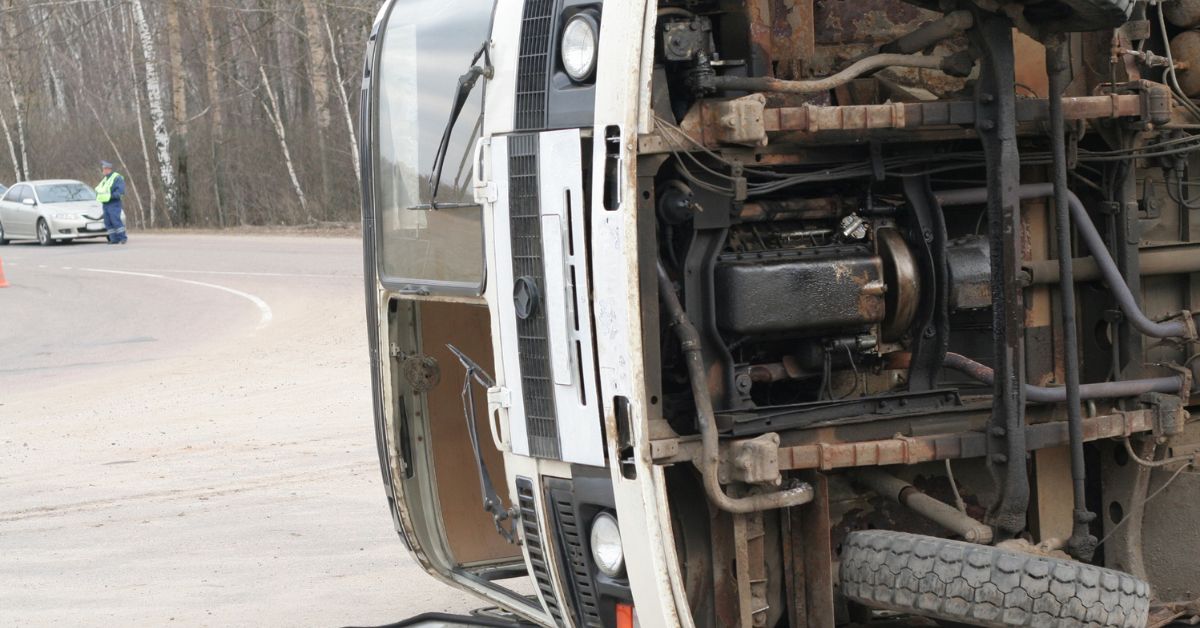
Bus Accident Lawyers in Everett
Bus accidents involve a unique set of risks compared to standard vehicle collisions because they include multiple passengers, commercial operation standards, and limited ability for riders to protect themselves during impact. A sharp turn, sudden braking, or loss of balance during movement can throw riders forward or sideways before they have time to react. Bus accident lawyers in Everett focus on how these situations develop by identifying what caused the bus to move the way it did, which caused the collision. Ritchie-Reiersen Injury & Immigration Attorneys builds these cases by examining how driver control, vehicle behavior, and surrounding traffic influenced the outcome.
Determining what led to a bus-related injury requires understanding how the vehicle was being operated in the moments before the event occurred. Route timing pressures, repeated stops, and interaction with surrounding vehicles can all influence how a bus is driven in real time. Bus accident attorneys in Everett use records, operator history, and witness observations to piece together how those factors shaped the situation. Ritchie-Reiersen Injury & Immigration Attorneys structures each case around how those details connect to responsibility and resulting harm. Call Ritchie-Reiersen Injury & Immigration Attorneys at (888) 884-7337 to talk with our Everett bus accident lawyers today and learn how we can help you.
What Actions Matter Most in the Hours Following a Bus Accident in Everett
The period immediately after a bus accident often determines how clearly events are understood and how effectively injuries are addressed in the hours that follow. Bus accident lawyers in Everett recognize that early decisions affect both medical outcomes and the ability to document what actually occurred. Movement inside a bus, lack of restraints, and multiple passengers can make injuries less obvious at first despite serious underlying conditions. Taking the right steps during this time helps ensure that important details are not lost or overlooked. Ritchie-Reiersen Injury & Immigration Attorneys develops claims that rely on what is documented and addressed during these early moments.
What happens shortly after the incident also influences how responsibility is evaluated under Washington law when multiple parties or conditions are involved. Bus accident attorneys in Everett consider how reports are made, how evidence is preserved, and how medical care is initiated following the accident. Delays or missing information can make it more difficult to connect injuries to the incident or explain how events unfolded. A clear sequence of actions helps establish what happened and how the situation developed. Lawyers use these early details to support a consistent explanation of responsibility and impact.

Securing Immediate Safety and Medical Attention
Prioritizing safety after a bus accident requires assessing injuries, moving away from potential hazards, and ensuring that emergency services are contacted without delay. Passengers may experience symptoms that are not immediately visible, including internal injuries or head trauma caused by sudden movement. Medical evaluation helps identify these issues before they worsen or become more difficult to treat. Emergency responders also document conditions that can later clarify how injuries occurred. Early attention to safety and medical care establishes a foundation for recovery and documentation.
Recognizing Injuries That May Not Be Immediately Obvious
Individuals involved in bus accidents may not feel the full extent of injuries due to adrenaline or shock in the moments following impact. Symptoms such as dizziness, confusion, or delayed pain can indicate more serious underlying conditions. Medical professionals can evaluate these signs and determine whether further treatment is required.
Understanding Why Early Treatment Affects Recovery
Receiving prompt medical care helps prevent complications and provides documentation linking injuries directly to the accident. Delayed treatment can allow conditions to worsen and make recovery more difficult. Early evaluation ensures that injuries are properly identified and addressed.
Documenting the Scene and Gathering Information
Collecting information after a bus accident helps preserve details that may become unclear as time passes or conditions change. Bus accident lawyers in Everett emphasize the importance of recording what can be observed at the scene, including vehicle positions, visible damage, and surrounding traffic conditions. Photographs, witness statements, and notes about what occurred provide valuable context when reconstructing events later. This information helps clarify how the accident developed and what factors contributed to it. Organized documentation supports a stronger understanding of the situation.
Identifying Key Details That Should Be Recorded
Important details include the bus number, driver information, location of the incident, and any visible hazards or contributing conditions. Witness names and contact information can also help verify how events unfolded. Recording these details early helps preserve accuracy.
Explaining How Scene Evidence Supports the Case
Information gathered at the scene helps establish how the accident occurred and how conditions influenced the outcome. This evidence provides a reference point when reviewing reports and statements later. Detailed documentation improves clarity.
Reporting the Incident and Preserving Records
Filing a report after a bus accident ensures that the incident is formally documented and available for review during the claims process. Bus accident lawyers in Everett rely on these reports to understand how the event was initially recorded and how different parties described what occurred. Reports may come from law enforcement, transit authorities, or other involved entities, depending on the situation. Maintaining copies of these records helps ensure that important details remain accessible. Proper reporting creates a documented starting point for the case.
Understanding Where and How Reports Are Filed
Reports may be completed by responding officers, transit agencies, or other authorities, depending on the nature of the accident. Each report can contain different details about how the incident was handled. Knowing where reports are filed helps ensure all relevant documentation is obtained.
Explaining Why Accurate Reporting Matters
Accurate reports help establish how the accident was described at the time it occurred and what information was considered important. Inconsistent or incomplete reporting can create challenges later in the process. Clear reporting supports a more reliable case.
Avoiding Early Mistakes That Can Affect the Claim
Actions taken after a bus accident can influence how responsibility and injury claims are evaluated as the case develops. Bus accident attorneys in Everett caution against making assumptions, providing incomplete information, or delaying necessary steps that affect documentation. Statements made without a full understanding of the situation can be misinterpreted or used in ways that do not reflect actual conditions. Maintaining accurate and consistent information helps prevent confusion later. Avoiding early mistakes supports a stronger position as the case progresses.
Recognizing Common Issues That Arise After an Accident
Common issues include failing to document details, not seeking medical attention, or providing statements without complete information. These actions can create gaps in how the incident is understood. Awareness of these risks helps reduce complications.
Explaining How Early Actions Influence Case Outcomes
Decisions made shortly after the accident shape how events are interpreted and how injuries are connected to the incident. Consistent documentation and timely action help maintain accuracy throughout the process. These factors contribute to a more reliable outcome.
How Responsibility Is Assigned When Multiple Parties Contribute to a Bus Accident in Everett
Bus accidents frequently involve more than one contributing factor, which means responsibility must be evaluated by looking at how different actions and conditions combined to create the situation. Bus accident lawyers in Everett examine how driver behavior, company policies, and surrounding traffic all influenced what happened before the collision. Washington law allows responsibility to be divided when multiple parties contribute to unsafe conditions that lead to injury. This requires understanding how each decision or failure affected the sequence of events leading up to the incident. Bus accident lawyers in Everett build claims that reflect how these overlapping factors created the final outcome.
Assigning responsibility also involves identifying how each party’s role changed as the situation developed in real time. Bus accident attorneys in Everett analyze whether actions such as sudden braking, improper lane positioning, or failure to monitor passengers contributed to injury risk. Transportation companies, maintenance providers, and other drivers may all play a part depending on how the accident occurred. Each element is evaluated based on how it increased or reduced the ability to avoid harm. Attorneys use this approach to show how responsibility is shared under Washington comparative fault rules.
Examining Driver Conduct During Bus Operation
Attorneys review how the bus driver handled speed, braking, and navigation while managing traffic and passenger movement during the incident. Driver decisions often determine how much time is available to react when conditions change unexpectedly. Sudden maneuvers can cause passengers to lose balance or create situations where collisions become more likely. Evaluating driver conduct helps identify where control or awareness was not maintained. Understanding these actions provides insight into how responsibility developed.
Evaluating Reaction Time and Vehicle Control
Attorneys examine how quickly the driver responded to changing traffic conditions and whether control of the bus was maintained during critical moments. Delayed reactions or overcorrections can increase the likelihood of injury inside the vehicle. Reaction timing often plays a key role in determining fault.
Connecting Driver Decisions to Passenger Injury Risk
Evidence shows how braking patterns, turning decisions, and speed adjustments affected passenger stability and safety during the incident. These factors explain how injuries occurred even without direct impact. Evaluating these actions clarifies how driver conduct contributed to harm.
Identifying Transportation Company Responsibility
Lawyers assess how company policies, scheduling demands, and oversight practices influenced the driver’s actions and overall safety conditions. Transportation companies are responsible for training drivers, maintaining vehicles, and enforcing safe operating standards. Pressures related to timing or workload can affect how drivers make decisions while operating the bus. Reviewing these factors helps determine whether company-level issues contributed to the accident. These conditions often play a significant role in assigning responsibility.
Reviewing Training, Supervision, and Operational Policies
Attorneys analyze whether the company provided adequate training, supervision, and support to ensure safe operation of the vehicle under normal and challenging conditions. Gaps in these areas can increase the likelihood of unsafe driving practices. These findings help establish broader responsibility.
Explaining How Company Practices Influence Driver Behavior
Operational expectations and management decisions can shape how drivers respond to time pressure, route demands, and safety concerns. These influences may lead to decisions that increase risk for passengers and others on the road. Evaluating these connections helps explain how company actions contributed to the incident.
Evaluating the Role of Other Drivers on the Road
Lawyers consider how surrounding drivers influenced the situation by creating hazards that required sudden responses from the bus operator. Other vehicles may cut off the bus, fail to yield, or make unpredictable movements that disrupt traffic flow. These actions can force the bus driver to react quickly, sometimes creating additional risk for passengers. Understanding how these interactions occurred helps determine whether responsibility extends beyond the bus operator. These factors are important when multiple vehicles are involved.
Analyzing Traffic Behavior Leading Up to the Collision
Attorneys review how other drivers positioned their vehicles, adjusted speed, and responded to the presence of the bus before the incident occurred. Traffic patterns often reveal whether another driver contributed to unsafe conditions. These observations help clarify how the situation developed.
Connecting External Driver Actions to the Outcome
Evidence demonstrates how the behavior of other drivers influenced the sequence of events that led to the accident. Sudden lane changes or failure to maintain distance can reduce reaction time for the bus operator. Evaluating these interactions helps define shared responsibility.
Considering Vehicle Condition and Maintenance Factors
Bus accident attorneys in Everett evaluate whether mechanical issues or maintenance failures affected the bus’s ability to operate safely during the incident. Faulty brakes, steering issues, or worn components can reduce control and increase stopping distance. Maintenance providers and operators share responsibility for ensuring that vehicles remain in safe working condition. Reviewing these factors helps determine whether mechanical conditions contributed to the accident. These issues can play a role in assigning responsibility across multiple parties.
Reviewing Maintenance Records and Inspection History
Attorneys examine maintenance logs and inspection reports to identify whether known issues were addressed before the bus was placed into service. Missed repairs or delayed maintenance can increase the risk of mechanical failure. These records help establish whether the vehicle was safe to operate.
Explaining How Mechanical Issues Affect Control and Safety
Evidence shows how equipment failures or poor maintenance reduced the driver’s ability to respond effectively during the incident. These conditions can increase the likelihood of a collision or worsen the severity of an impact. Evaluating these factors helps explain how mechanical issues contributed to the outcome.
What Sets Ritchie-Reiersen Injury & Immigration Attorneys Apart in Everett Bus Accident Claims
Bus accident cases often involve multiple layers of responsibility, including driver conduct, company policies, and conditions inside the vehicle that affect passenger safety during movement. Ritchie-Reiersen Injury & Immigration Attorneys handles these claims by focusing on how those layers interact rather than treating each factor in isolation. Bus accident lawyers in Everett examine how operational decisions, route demands, and traffic conditions combined to influence what occurred. This perspective allows the case to reflect how real-world conditions created risk rather than relying on simplified explanations. Ritchie-Reiersen Injury & Immigration Attorneys approaches each case with attention to how these factors connect over time.
Another factor that distinguishes these cases involves how evidence is organized to explain both the accident and the injuries that followed. Ritchie-Reiersen Injury & Immigration Attorneys focuses on presenting information in a way that shows how movement inside the bus, lack of restraints, and passenger positioning contributed to injury outcomes. Bus accident lawyers in Everett structure claims to explain how injuries occurred even in situations where external damage may appear limited. This approach helps clarify why certain injuries developed based on how the vehicle was operated. Ritchie-Reiersen Injury & Immigration Attorneys prepares each case to reflect how conditions inside the bus affected those involved.

Addressing Passenger Safety
Ritchie-Reiersen Injury & Immigration Attorneys evaluates how passengers were positioned, how the bus was moving, and how those factors influenced injury risk during sudden changes in motion. Bus accident lawyers in Everett consider how standing passengers, lack of seat restraints, and unexpected stops can create conditions where balance is lost. Movement inside the vehicle often determines how injuries occur, even without a direct collision. Reviewing these elements helps explain how safety conditions affected passengers. Understanding these factors provides context for how injuries developed.
Evaluating Movement and Stability During the Incident
Attorneys examine how speed changes, turning patterns, and braking affected passenger stability at the time of the event. Sudden shifts in motion can cause individuals to be thrown forward or sideways without warning. These movement patterns help explain how injuries occurred.
Connecting Passenger Position to Injury Outcomes
Evidence shows how standing, seating location, and proximity to other passengers or surfaces influenced the type and severity of injuries. These conditions determine how force is distributed during sudden movement. Evaluating these factors clarifies how injuries developed.
Focusing on Decisions That Influence Risk
Ritchie-Reiersen Injury & Immigration Attorneys analyzes how decisions made during the operation affected the level of safety inside the bus. Lawyers review how route timing, stop frequency, and interaction with traffic influenced driver behavior. These operational factors can increase pressure on drivers and affect how they respond to changing conditions. Understanding these influences helps explain how risk developed during the incident. These conditions often shape how accidents occur.
Reviewing Route Conditions and Driver Response
Attorneys assess how the driver adjusted to traffic patterns, stop schedules, and roadway conditions leading up to the event. These factors can affect decision-making and reaction timing. Evaluating these elements helps define how the situation progressed.
Explaining How Operational Pressure Affects Driving Behavior
Evidence demonstrates how time constraints and route demands can influence speed, braking, and navigation decisions. These pressures may contribute to actions that increase risk for passengers. Understanding these influences helps explain driver conduct.
Organizing Evidence to Reflect Real-World Conditions
Ritchie-Reiersen Injury & Immigration Attorneys structures evidence to show how the accident developed within the context of actual operating conditions rather than isolated moments. Bus accident attorneys in Everett focus on connecting documentation, witness accounts, and physical evidence into a consistent explanation. This method highlights how different elements interacted during the incident. Presenting information in this way helps clarify responsibility and injury outcomes. A structured approach improves how the case is understood.
Aligning Documentation With the Sequence of Events
Attorneys organize records and observations so they reflect how events unfolded before, during, and after the accident. This alignment helps create a clear timeline that supports the case. Consistency across evidence strengthens interpretation.
Demonstrating How Conditions Contributed to the Outcome
Evidence shows how operational factors, passenger movement, and external conditions combined to influence the final result. These connections explain how the accident developed in real time. Understanding these relationships supports the claim.
Preparing Claims to Address Liability Challenges
Ritchie-Reiersen Injury & Immigration Attorneys prepares bus accident claims by anticipating how responsibility may be disputed across multiple parties. Lawyers evaluate how drivers, companies, and external conditions contributed to the incident. This preparation includes identifying where opposing arguments may focus and addressing those points with supporting evidence. A detailed approach helps prevent gaps that could weaken the case. Preparing for these challenges ensures the claim remains consistent.
Identifying Areas Where Responsibility May Be Disputed
Attorneys review how different parties may attempt to shift responsibility or minimize their role in the accident. These disputes often involve the interpretation of events and contributing conditions. Identifying these areas helps prepare for challenges.
Explaining How Evidence Supports Responsibility Allocation
Evidence is presented to show how each party’s actions contributed to the conditions that led to the accident. These connections clarify how responsibility is assigned under Washington law. Understanding these factors supports a balanced evaluation.
Call Ritchie-Reiersen Injury & Immigration Today to Learn How We Can Help You
After a bus accident, the focus usually shifts from what happened to what needs to be addressed next. Situations involving passenger movement, driver decisions, and company operations can make it difficult to explain how the incident actually unfolded without a clear and structured approach. When those details are not fully developed, it becomes easier for responsibility to be redirected away from where it belongs. Ritchie-Reiersen Injury & Immigration Attorneys works to organize all evidence so the full context of the accident is accurately presented.
Moving forward involves more than documenting the event, since the way information is connected determines how your injuries and long-term needs are understood. Ritchie-Reiersen Injury & Immigration Attorneys prepares each case with precision so nothing important is minimized during the process. Call Ritchie-Reiersen Injury & Immigration Attorneys at (888) 884-7337 or visit our contact page to get a free consultation from our lawyers today.







Get In Touch
Schedule a Free Legal Consultation With Us
If you or a loved one needs the assistance of a personal injury or immigration attorney, don’t hesitate to reach out. Ritchie-Reiersen Injury & Immigration Attorneys can help you with their extensive experience.
- Proven results
- Years of courtroom experience
- No upfront costs for injury clients
- We are available 24/7 for clients