
Bicycle Accident Lawyers in Everett
Cyclists riding through Everett share the road with passenger vehicles, delivery trucks, buses, and commercial traffic, yet they remain far more exposed to serious injury when collisions occur. Even low speed impacts can result in traumatic brain injuries, spinal damage, fractures, or long-term mobility limitations that disrupt employment and daily life. Determining fault in a bicycle crash often requires analysis of traffic laws specific to cyclists, roadway design, and driver conduct at the time of impact. Many injured riders consult bicycle accident lawyers in Everett to understand whether a driver’s failure to yield, unsafe lane change, or distracted driving behavior supports a personal injury claim.
Bicycle accident lawyers in Everett evaluate crash reports, helmet damage patterns, crash scene, and available surveillance footage to reconstruct how the collision occurred. Insurance companies may attempt to shift responsibility to the cyclist by questioning visibility, positioning, or compliance with roadway rules, making early legal help and investigation important. Ritchie-Reiersen Injury and Immigration Attorneys develops bicycle injury cases through structured evidence preservation and coordinated liability analysis designed to withstand insurer challenge. Call Ritchie-Reiersen Injury and Immigration Attorneys at (888) 884-7337 or visit our contact page to schedule a free consultation regarding your bicycle accident claim.
Common Causes of Bicycle Accidents in Everett

Bicycle collisions in Everett frequently occur when drivers fail to recognize cyclists as lawful roadway users entitled to space and right of way protections. Intersections, multi-lane corridors, and shared roadway segments present heightened risk when drivers misjudge distance or speed. Establishing fault in these cases requires identifying the precise driving behavior that caused impact, whether it involved distraction, improper lane movement, or failure to yield. Bicycle accident lawyers in Everett analyze crash mechanics and traffic code violations to determine liability patterns. Understanding common causes strengthens claim development.
Bicycle accident lawyers in Everett also evaluate roadway design, visibility conditions, and traffic control compliance when reconstructing a collision. Some crashes result from door openings in urban areas, while others stem from unsafe passing or turning movements across designated bike lanes. Identifying the root cause of the collision allows attorneys to anticipate insurer defenses that attempt to shift comparative fault onto the cyclist. Early evidence preservation ensures that driver conduct remains the central focus of liability evaluation. Accurate cause identification supports recovery strategy.
Failure to Yield at Intersections
Intersections represent one of the most common locations for serious bicycle collisions. Drivers turning left across traffic or entering roadways from side streets may fail to recognize an approaching cyclist traveling lawfully within a lane or bike lane. Misjudging speed or visibility often leads to side-impact or front-end collisions with significant injury consequences. Establishing right-of-way violations requires careful review of traffic signal phases, signage, and positioning at impact. Intersection analysis clarifies fault allocation.
Evaluating Signal Timing and Traffic Control Devices
Traffic signals, stop signs, and yield markers define legal movement priority at intersections. Reviewing signal sequencing and signage placement helps determine whether a driver failed to obey traffic control requirements. Documentation of signal compliance strengthens negligence claims.
Assessing Driver Visibility and Line of Sight
Obstructed sightlines due to parked vehicles, vegetation, or roadway curvature may contribute to collisions. Investigating whether a driver maintained proper lookout remains critical. Visibility evaluation supports breach analysis.
Unsafe Passing and Lane Encroachment
Cyclists are entitled to safe passing distance under Washington traffic regulations, yet many collisions occur when drivers pass too closely or encroach into designated cycling space. High-speed overtaking without adequate lateral clearance can destabilize riders or force them off the roadway. Determining unsafe passing requires review of roadway width, lane markings, and vehicle positioning. Evidence of insufficient clearance supports liability findings.
Measuring Roadway Width and Clearance Distance
Accurate measurement of lane dimensions and shoulder space helps determine whether adequate passing distance existed. Photographic documentation and reconstruction mapping assist in evaluating available roadway space. Precise measurements strengthen evidentiary claims.
Reviewing Vehicle Positioning at the Time of Impact
Impact location on the vehicle and bicycle frame can reveal whether the driver maintained appropriate lateral distance. Damage patterns frequently demonstrate encroachment into cycling space. Physical evidence clarifies movement dynamics.
Distracted or Impaired Driving
Driver distraction from mobile device use or in-vehicle systems remains a significant contributor to bicycle collisions. Impaired driving due to alcohol or controlled substances may further reduce reaction time and hazard recognition. Establishing distraction or impairment often involves phone record subpoenas, toxicology analysis, and witness testimony. Linking distraction to delayed braking or failure to maneuver supports negligence arguments. Behavioral evidence reinforces liability.
Obtaining Cell Phone and Digital Usage Records
Phone usage records may reveal texting, calling, or app activity immediately before the collision. Subpoena procedures allow retrieval of timestamped data for analysis. Digital records strengthen proof of distraction.
Reviewing Toxicology and Impairment Indicators
Post-collision testing may identify alcohol or controlled substances affecting driver judgment. Observations recorded by responding officers provide additional context. Impairment evidence enhances fault claims.
Dooring and Urban Traffic Hazards
Urban bicycle collisions frequently involve drivers or passengers opening vehicle doors into an active travel lane without checking for approaching cyclists. Sudden door openings create minimal reaction time and can result in severe impact or secondary collisions with moving traffic. Establishing liability requires confirming that the door was opened without proper lookout. Door positioning and witness statements support negligence claims.
Examining Parking Patterns and Traffic Flow
Analysis of parked vehicle spacing and cyclist travel lane positioning clarifies whether adequate clearance existed. Urban roadway configuration influences dooring risk. Environmental review strengthens liability presentation.
Documenting Door Position and Impact Angle
Photographs and physical evidence from the scene help determine the angle and timing of the door opening. Damage patterns may indicate abrupt obstruction. Detailed documentation supports breach of duty findings.
How Bicycle Accident Lawyers in Everett Prove Driver Negligence
Proving negligence in a bicycle collision requires more than showing that contact occurred between a vehicle and a cyclist. Bicycle accident lawyers in Everett establish liability by demonstrating that the driver breached a specific duty imposed by Washington traffic law and that the breach directly caused the rider’s injuries. This analysis involves reconstructing vehicle movement, reviewing right-of-way rules, and evaluating whether the driver exercised reasonable care under the circumstances. Insurance carriers often argue that cyclists share responsibility, making precise proof critical. Structured evidence development strengthens claim viability.
Bicycle accident lawyers in Everett also focus on causation by linking the driver’s conduct to the physical injuries sustained. Liability requires demonstrating that the negligent action, such as unsafe passing or failure to yield, directly produced the crash and resulting harm. Expert analysis, physical evidence, and statutory violations collectively establish the foundation of a personal injury claim. Anticipating defense arguments early improves litigation posture. Coordinated proof supports recovery potential.
Demonstrating Violation of Traffic Laws
Traffic code violations frequently serve as strong indicators of negligence in bicycle collision cases. Drivers who fail to yield at intersections, ignore marked bike lanes, or overtake cyclists without sufficient clearance may violate statutory roadway protections. Establishing a violation requires reviewing citation records, officer observations, and applicable traffic regulations. Legal analysis clarifies whether conduct deviated from required standards. Statutory breach supports fault findings.
Analyzing Right of Way and Passing Requirements
Washington law grants cyclists the same rights and responsibilities as motor vehicle operators when lawfully using the roadway. Determining who possessed the right of way at the time of impact often requires examination of signal phases, lane markings, and directional movement. Proper right-of-way evaluation strengthens negligence arguments.
Comparing Driver Conduct Against Legal Standards
A driver’s actions must be measured against what a reasonably prudent driver would have done under similar conditions. Evidence of distraction, excessive speed, or improper lane movement may demonstrate deviation from reasonable care. Conduct comparison clarifies breach of duty.
Reconstructing Collision Mechanics
Accident reconstruction plays a central role in establishing how the crash unfolded and whether the driver could have avoided impact. Reconstruction experts analyze skid marks, vehicle damage, bicycle deformation, and roadway conditions to model the collision sequence. This analysis helps determine speed, braking effort, and reaction time. Technical modeling transforms physical evidence into a coherent liability narrative. Reconstruction evidence reinforces causation.
Interpreting Vehicle and Bicycle Damage Patterns
Damage patterns on the vehicle and bicycle frame provide insight into angle of impact and force distribution. These patterns may confirm unsafe passing or turning movements. Physical damage interpretation clarifies movement dynamics.
Calculating Reaction Time and Avoidance Opportunities
Expert analysis may determine whether the driver had sufficient time to perceive and avoid the cyclist before impact. Reaction time calculations consider speed, visibility, and roadway design. Avoidance analysis supports negligence conclusions.
Establishing Causation Between Breach and Injury
Liability requires proof that the driver’s negligent conduct directly caused the cyclist’s injuries rather than a separate intervening factor. Medical documentation, emergency response records, and expert testimony help establish the connection between impact forces and physical harm. Demonstrating causation prevents insurers from disputing injury origin. Clear linkage strengthens damage recovery claims. Causation evidence anchors liability.
Reviewing Emergency and Medical Records
Immediate medical evaluations document the nature and severity of injuries sustained in the collision. These records often provide contemporaneous descriptions of trauma mechanisms. Early documentation supports causation analysis.
Coordinating Medical Expert Testimony
Medical experts may explain how specific forces produced particular fractures, head injuries, or spinal trauma. Expert interpretation connects crash dynamics to physiological outcomes. Professional testimony reinforces injury claims.
Addressing Comparative Fault Arguments
Insurance companies frequently assert that cyclists contributed to their own injuries by riding outside designated lanes or failing to signal properly. Bicycle accident lawyers in Everett evaluate these claims by reviewing traffic laws, helmet use regulations, and roadway positioning standards. Washington’s comparative fault system allows recovery even if a cyclist bears partial responsibility, though compensation may be reduced proportionally. Effective rebuttal prevents unwarranted fault allocation. Strategic defense against comparative fault preserves claim value.
Examining Cyclist Compliance With Roadway Rules
Cyclists must adhere to applicable traffic regulations while maintaining lawful roadway presence. Reviewing positioning, signaling, and lighting compliance clarifies whether alleged violations occurred. Accurate compliance analysis protects recovery.
Challenging Insurer Attempts to Shift Blame
Insurers may rely on incomplete reports or assumptions about cyclist behavior to reduce payout exposure. Detailed evidence review can rebut unsupported blame assertions. Firm response strengthens negotiation leverage.
How Bicycle Accident Lawyers in Everett Maximize Financial Recovery
Securing full compensation after a bicycle collision requires more than submitting medical bills to an insurance carrier. Bicycle accident lawyers in Everett evaluate every category of economic and noneconomic loss to ensure that settlement discussions reflect the true long-term impact of the injury. Recovery analysis includes current medical treatment, projected rehabilitation needs, lost income, diminished earning capacity, and the broader disruption to daily functioning. Insurance companies frequently attempt to undervalue cyclist claims by minimizing injury severity or asserting shared fault. Structured valuation strengthens negotiation leverage.
Bicycle accident lawyers in Everett also examine insurance policy structure, available liability limits, and potential uninsured or underinsured motorist coverage that may supplement recovery. Calculating damages accurately requires coordination with medical providers, vocational experts, and financial analysts where appropriate. Presenting a well-supported demand package backed by documented loss projections shifts leverage away from insurers. Incomplete documentation can significantly reduce compensation potential. Comprehensive damage assessment drives financial outcomes.
Calculating Long-Term Medical and Rehabilitation Costs
Serious bicycle accidents often result in traumatic brain injuries, orthopedic fractures, spinal trauma, or long-term mobility impairments that extend well beyond initial emergency treatment. Valuation must include not only hospital expenses but also future surgical procedures, physical therapy, assistive devices, and potential home modifications. Projecting these costs requires consultation with treating physicians and rehabilitation specialists who can estimate anticipated care needs. Failing to account for future medical expenses may leave injured cyclists financially vulnerable after settlement. Accurate forecasting strengthens claim value.
Coordinating With Treating Providers for Future Care Projections
Medical providers can offer written opinions regarding anticipated treatment plans and recovery timelines. These projections help establish the expected duration and cost of care. Documented future needs increase settlement precision.
Incorporating Assistive and Adaptive Equipment Costs
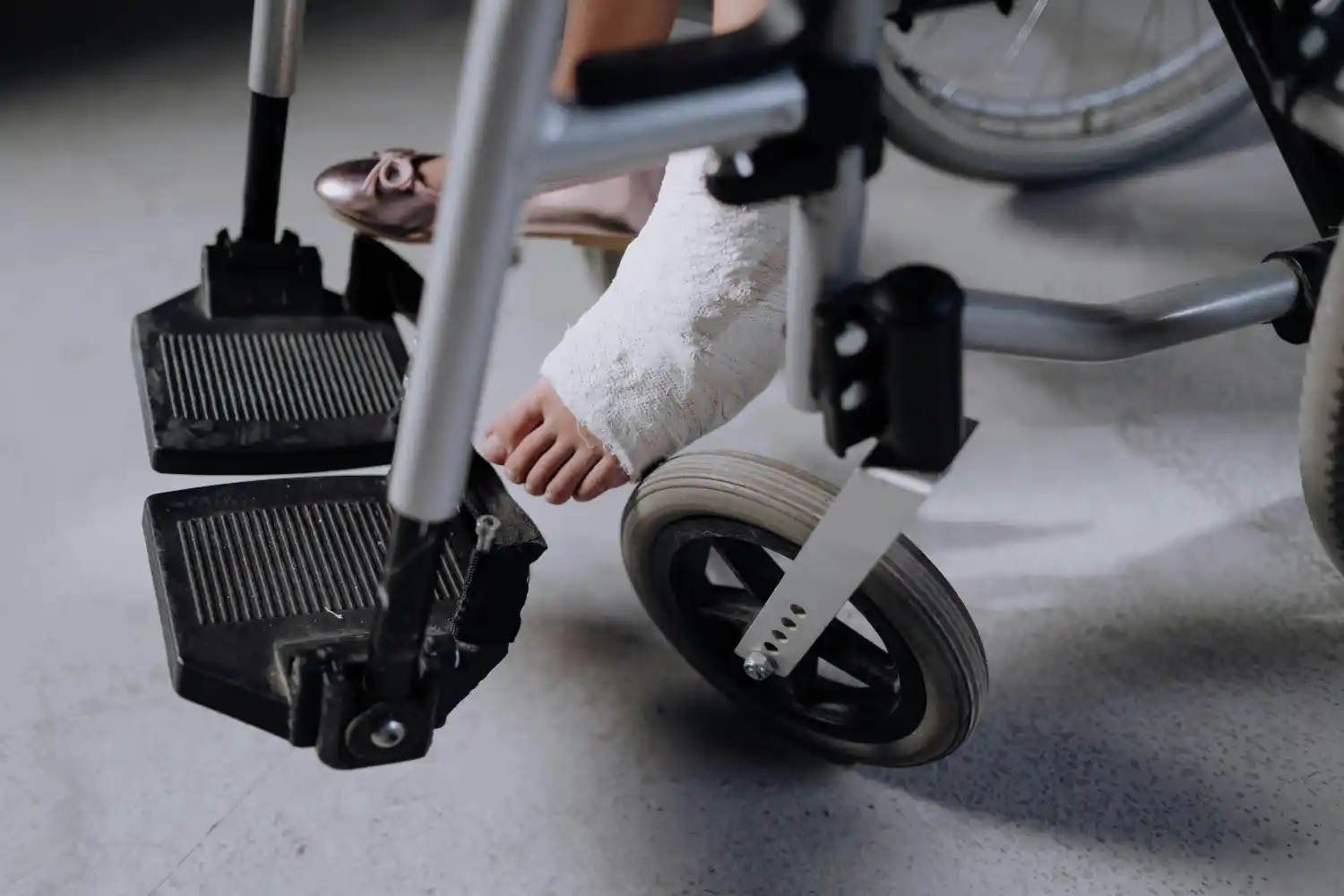
Injuries affecting mobility or neurological function may require wheelchairs, braces, or adaptive technology. Estimating these expenses ensures that settlement calculations reflect realistic long-term support needs. Comprehensive inclusion protects financial stability.
Evaluating Lost Income and Reduced Earning Capacity
Cyclists injured in collisions may miss weeks or months of employment while recovering from surgery or rehabilitation. Wage documentation establishes income lost during recovery, but more serious injuries may permanently limit occupational capacity. Economic experts can assess projected lifetime earnings based on age, profession, and expected career advancement. Presenting objective income analysis prevents insurers from disputing financial loss calculations. Detailed earnings evaluation supports fair compensation.
Documenting Employment History and Benefits
Pay stubs, tax returns, and employer statements provide baseline income verification. Benefits such as health insurance contributions or retirement plans may also represent compensable losses. Complete documentation strengthens financial claims.
Analyzing Permanent Work Limitations
Some injuries restrict physical labor capacity or cognitive performance required for certain occupations. Vocational assessments help determine whether career changes are necessary. Objective analysis substantiates diminished earning capacity.
Addressing Pain, Suffering, and Lifestyle Impact
Noneconomic damages compensate for physical pain, emotional distress, and the loss of activities previously enjoyed before the collision. Bicycle accident lawyers in Everett gather testimony and supporting documentation demonstrating how injuries affect daily routines, recreational activities, and personal relationships. Insurance carriers often attempt to undervalue these harms due to their subjective nature. Structured presentation of lifestyle disruption strengthens negotiation position. Clear narrative evidence enhances recovery.
Documenting Functional Limitations and Activity Restrictions
Medical records and personal statements may describe mobility restrictions, chronic pain, or cognitive symptoms following the crash. Photographs and therapy records may further illustrate impact. Documented limitations reinforce noneconomic valuation.
Demonstrating Ongoing Emotional and Psychological Effects
Anxiety, depression, or post-traumatic stress symptoms may develop after a severe bicycle collision. Mental health evaluations can provide objective support for emotional harm claims. Psychological documentation strengthens overall compensation analysis.
Why Riders Injured in Bicycle Accidents Choose Ritchie-Reiersen Injury and Immigration Attorneys

Cyclists facing medical recovery, insurance negotiations, and financial disruption require legal representation that treats their claim as a serious injury matter rather than a routine traffic incident. Ritchie-Reiersen Injury and Immigration Attorneys approaches bicycle collision cases with structured liability analysis, organized documentation review, and deliberate negotiation strategy grounded in evidentiary strength. Bicycle accident lawyers in Everett at the firm prepare cases with the expectation that insurers will challenge both fault and injury severity. This preparation shifts leverage during settlement discussions. Thorough development supports stronger outcomes.
Riders injured in bicycle accidents also seek clarity regarding timelines, legal standards, and potential recovery ranges before committing to litigation. The firm provides direct explanation of Washington negligence law, comparative fault principles, and available insurance coverage so that clients understand how their case will proceed. Case planning includes early identification of evidentiary gaps and proactive resolution of potential weaknesses. Consistent communication ensures that injured cyclists remain informed throughout the process. Structured representation reduces uncertainty.
Evidence-Driven Case Preparation
Successful bicycle accident claims depend on thorough evidence collection and organized presentation of liability proof. The firm gathers crash reports, photographs, vehicle damage documentation, medical records, and witness statements to build a cohesive narrative of negligence. Early preservation of physical and electronic evidence prevents insurers from disputing key facts. Detailed case assembly positions the claim for meaningful negotiation. Evidence depth strengthens leverage.
Coordinating Expert and Medical Review
Complex injury cases may require accident reconstruction specialists or medical experts to explain crash dynamics and long-term consequences. Expert consultation ensures that technical findings are translated into persuasive legal arguments. Professional analysis reinforces causation.
Anticipating Defense Strategies Early
Insurance carriers frequently argue comparative fault or preexisting injury conditions to reduce payouts. Reviewing potential defense arguments before formal negotiation allows for strategic rebuttal. Preparation protects claim value.
Structured Communication and Client Guidance
Clear legal guidance is essential when injured cyclists face mounting medical expenses and insurance correspondence. The firm explains procedural steps, expected timelines, and documentation requirements so that clients understand what to anticipate at each stage. Direct communication reduces confusion and supports informed decision-making. Organized case management keeps recovery efforts focused. Reliable guidance strengthens confidence.
Clarifying Comparative Fault Implications
Washington’s comparative fault system allows recovery even if the cyclist shares some responsibility. Understanding how fault allocation affects compensation prevents misinterpretation of insurer statements. Legal explanation ensures accurate expectations.
Providing Realistic Case Evaluations
Settlement value depends on documented injury severity, liability clarity, and available coverage limits. Providing realistic assessments helps clients evaluate negotiation offers responsibly. Informed evaluation supports strategic decisions.
Litigation Readiness When Necessary
While many bicycle accident cases resolve without trial, effective negotiation depends on preparation for courtroom presentation. The firm develops cases with formal discovery planning and evidentiary organization in mind from the outset. Insurance carriers assess risk differently when trial preparation is evident. Litigation readiness enhances settlement leverage. Preparedness supports enforceable recovery.
Utilizing Formal Discovery Tools Strategically
Depositions, document requests, and subpoenas may be necessary to obtain critical evidence from drivers or insurers. Structured use of these tools strengthens factual development. Procedural discipline protects case integrity.
Evaluating Settlement Offers Against Trial Risk
Settlement decisions require careful comparison between proposed offers and projected jury outcomes. Risk assessment includes cost, timeline, and evidentiary strength considerations. Strategic evaluation preserves long-term recovery interests.
Schedule a Free Consultation With Ritchie-Reiersen Injury and Immigration Attorneys Today
The days following a bicycle collision are often filled with medical appointments, insurance calls, and uncertainty about how future expenses will be managed. Early legal evaluation can clarify who bears responsibility, what evidence must be preserved, and how Washington’s comparative fault rules may influence recovery. Bicycle accident lawyers in Everett can assess liability risk, insurance coverage structure, and projected damages before critical legal deadlines approach. Careful case assessment at the start helps prevent missteps that could weaken a claim.
Ritchie-Reiersen Injury and Immigration Attorneys prepares bicycle injury cases with close investigation, structured negotiation planning, and readiness for litigation when insurers refuse fair compensation. If you are searching for bicycle accident lawyers in Everett who prioritize evidence development and long-term recovery protection, Ritchie-Reiersen Injury and Immigration Attorneys is here to help. Call (888) 884-7337 or visit our contact page to schedule a free consultation and learn how we can help. you.







Get In Touch
Schedule a Free Legal Consultation With Us
If you or a loved one needs the assistance of a personal injury or immigration attorney, don’t hesitate to reach out. Ritchie-Reiersen Injury & Immigration Attorneys can help you with their extensive experience.
- Proven results
- Years of courtroom experience
- No upfront costs for injury clients
- We are available 24/7 for clients