Washington U Visa and VAWA Lawyers
Immigration law gives victims of crime and abuse a way to obtain lawful status without depending on the person who hurt them. The U visa protects victims of certain crimes who help law enforcement. The Violence Against Women Act (VAWA) lets abused spouses, children and parents of U.S. citizens and permanent residents petition for themselves, without the abuser knowing.
The attorneys at Ritchie-Reiersen Injury & Immigration Attorneys prepare U visa and VAWA cases with the care they require: careful documentation of what happened, coordination with police and prosecutors, and a plan for your family members. Everything you tell us is confidential, and our attorneys speak Spanish.
The U Visa: Protection for Crime Victims
The U visa is for people who were victims of a qualifying crime in the United States, suffered substantial physical or mental abuse as a result, and have been, are being or are likely to be helpful to law enforcement in the investigation or prosecution. Qualifying crimes include domestic violence, sexual assault, felonious assault, kidnapping, extortion, witness tampering, trafficking and many others.
- Law enforcement certification (Form I-918, Supplement B) signed by a police department, prosecutor, judge or other certifying agency confirming your helpfulness. Washington law sets deadlines for agencies to respond to certification requests.
- Form I-918 with your personal statement describing the crime and its effect on you
- Evidence of the harm: medical and counseling records, police reports, photographs, protection orders and statements from people who know you
- A waiver application (Form I-192) if you have immigration violations or other grounds of inadmissibility, which most applicants do
Only 10,000 U visas are issued each year and demand far exceeds that number, so approved applicants wait years for a visa. While waiting, USCIS can issue a bona fide determination or place you on the waiting list, which brings work authorization and protection from removal. After three years in U status you can apply for a green card.
Who Can Be Included in a U Visa Case?
If you are 21 or older, you can include your spouse and unmarried children under 21. If you are under 21, you can also include your parents and unmarried siblings under 18. Family members do not need to have been victims themselves, and they can be inside or outside the United States.
VAWA Self-Petitions
VAWA allows certain abused family members to file their own petition for permanent residence, called a self-petition, on Form I-360. Despite the name, VAWA protects men and women equally. You may qualify if you are:
- The spouse or former spouse of a U.S. citizen or permanent resident who battered you or subjected you to extreme cruelty, including if your child was abused
- The child of an abusive U.S. citizen or permanent resident parent, generally filed before age 21 and in some cases up to 25
- The parent of a U.S. citizen son or daughter who is 21 or older and abused you
You must show that the relationship was real, that you lived with the abuser at some point, that you have good moral character, and that the abuse happened. Abuse does not have to be physical. Threats, isolation, control over money and immigration status, and other forms of extreme cruelty qualify. Divorce does not end your eligibility if you file within two years and the divorce was connected to the abuse.
Confidentiality and Safety
Federal law prohibits immigration officials from relying on information provided by an abuser and from disclosing that a VAWA, U visa or T visa application exists. The abuser is not notified and does not participate. Our office takes additional precautions with mail and phone contact when you ask us to. If you are in immediate danger, call 911 first. We can help with the immigration side once you are safe.
From Self-Petition to Green Card
An approved VAWA self-petitioner whose abuser is a U.S. citizen is treated as an immediate relative and can usually apply for adjustment of status right away, often at the same time as the I-360. If the abuser is a permanent resident, the self-petitioner falls into a preference category and waits for a visa to become available, with deferred action and work authorization in the meantime. Self-petitioners also benefit from relaxed rules on several grounds of inadmissibility, including entry without inspection. For people already in removal proceedings, VAWA cancellation of removal before the immigration judge may be an option.
Why Victims Choose Ritchie-Reiersen
- Attorneys who focus their practice on immigration, including U visa, family-based and removal defense cases
- Spanish-speaking attorneys who take your statement directly and privately
- Experience working with certifying agencies and building the evidence record USCIS expects
- Offices in Washington, Oregon, Idaho and Arizona, with phone and video appointments when coming to an office is not safe or practical
Related Guides
Frequently Asked Questions
Do I have to testify in court to get a U visa?
No. You must be helpful to law enforcement, which can mean reporting the crime, giving a statement and answering questions when asked. Many cases never go to trial. What matters is that you did not refuse reasonable requests for cooperation.
Can I apply for a U visa if the crime happened years ago?
Yes. There is no filing deadline for the U visa itself. The challenge in older cases is obtaining the law enforcement certification, which depends on the agency’s records and willingness to sign. We handle that request for you.
Will my abuser find out that I filed under VAWA?
No. USCIS does not notify the abuser, and federal confidentiality law prohibits disclosing your application to them. Our office will also arrange safe ways to contact you.
Can men file VAWA self-petitions?
Yes. VAWA applies regardless of gender. Abused husbands, sons and fathers of U.S. citizens or permanent residents qualify on the same terms.
I entered the United States without a visa. Can I still qualify?
Yes. The U visa includes a broad waiver for most grounds of inadmissibility, and VAWA self-petitioners are allowed to adjust status despite entry without inspection. These are two of the few paths where an unlawful entry does not block a green card.
Our Immigration Attorneys

Stephen Brown
Stephen (Steve) Brown has practiced immigration law exclusively throughout his career, with experience in the Seattle and Tacoma Immigration Courts and before USCIS in Seattle and Yakima. He is fluent in Spanish, holds a J.D. from Seattle University School of Law, and is a member of the American Immigration Lawyers Association (AILA).
Shane Crager
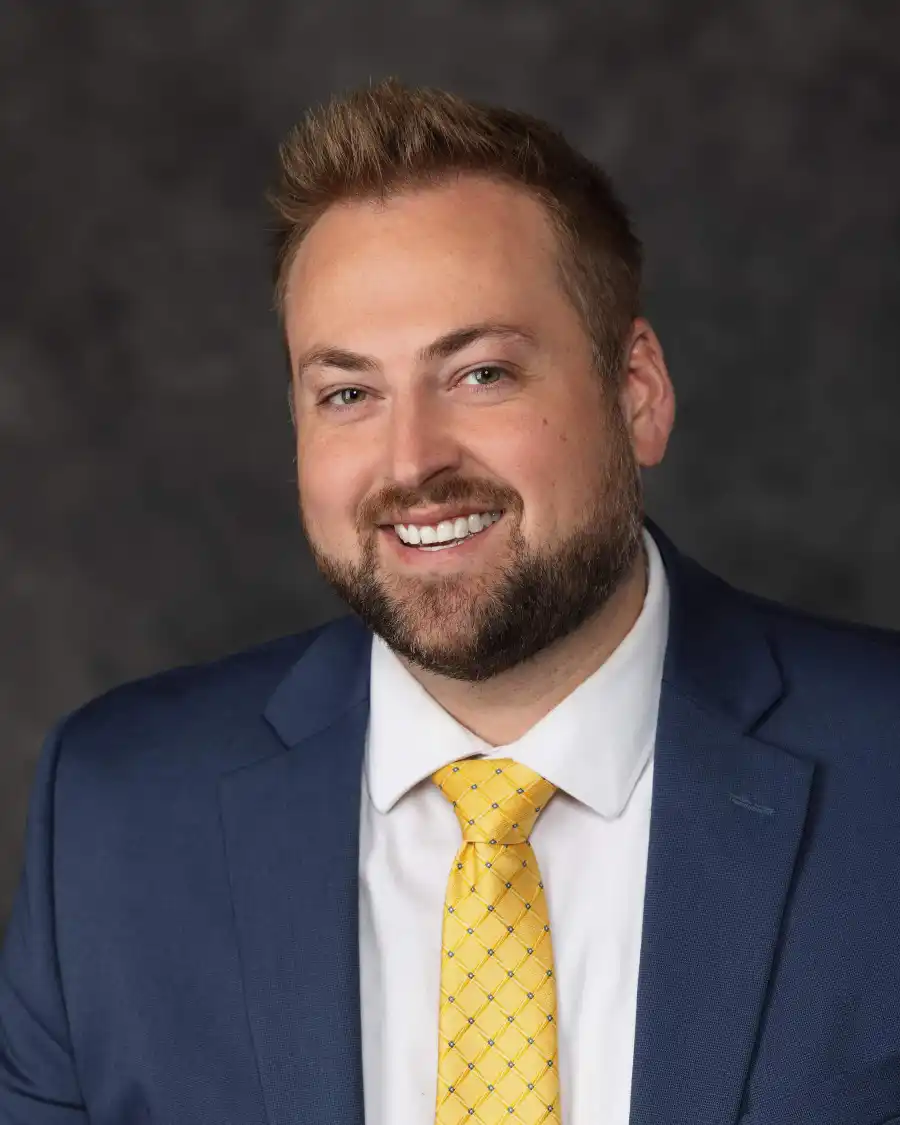
Shane Crager has worked solely as an immigration attorney, focusing on family-based cases, U visas, deportation defense, asylum and naturalization. He is fluent in English and Spanish and holds a J.D. from Marquette University Law School.
Attorney Eric Reiersen, also fluent in Spanish, practices immigration law alongside the team. Every consultation is available in English or Spanish.
We meet clients at our offices in Kennewick, Tacoma, Auburn, Yakima, Moses Lake, Everett, Spokane, Wenatchee, Portland, OR, Twin Falls, ID, Mesa, AZ. Phone and video consultations are available throughout Washington, Oregon, Idaho and Arizona.
Talk to an Immigration Lawyer
Call (888) 884-7337 or send us a message to schedule a confidential consultation. Se habla español.





Get In Touch
Schedule a Free Legal Consultation With Us
If you or a loved one needs the assistance of a personal injury or immigration attorney, don’t hesitate to reach out. Ritchie-Reiersen Injury & Immigration Attorneys can help you with their extensive experience.
- Proven results
- Years of courtroom experience
- No upfront costs for injury clients
- We are available 24/7 for clients