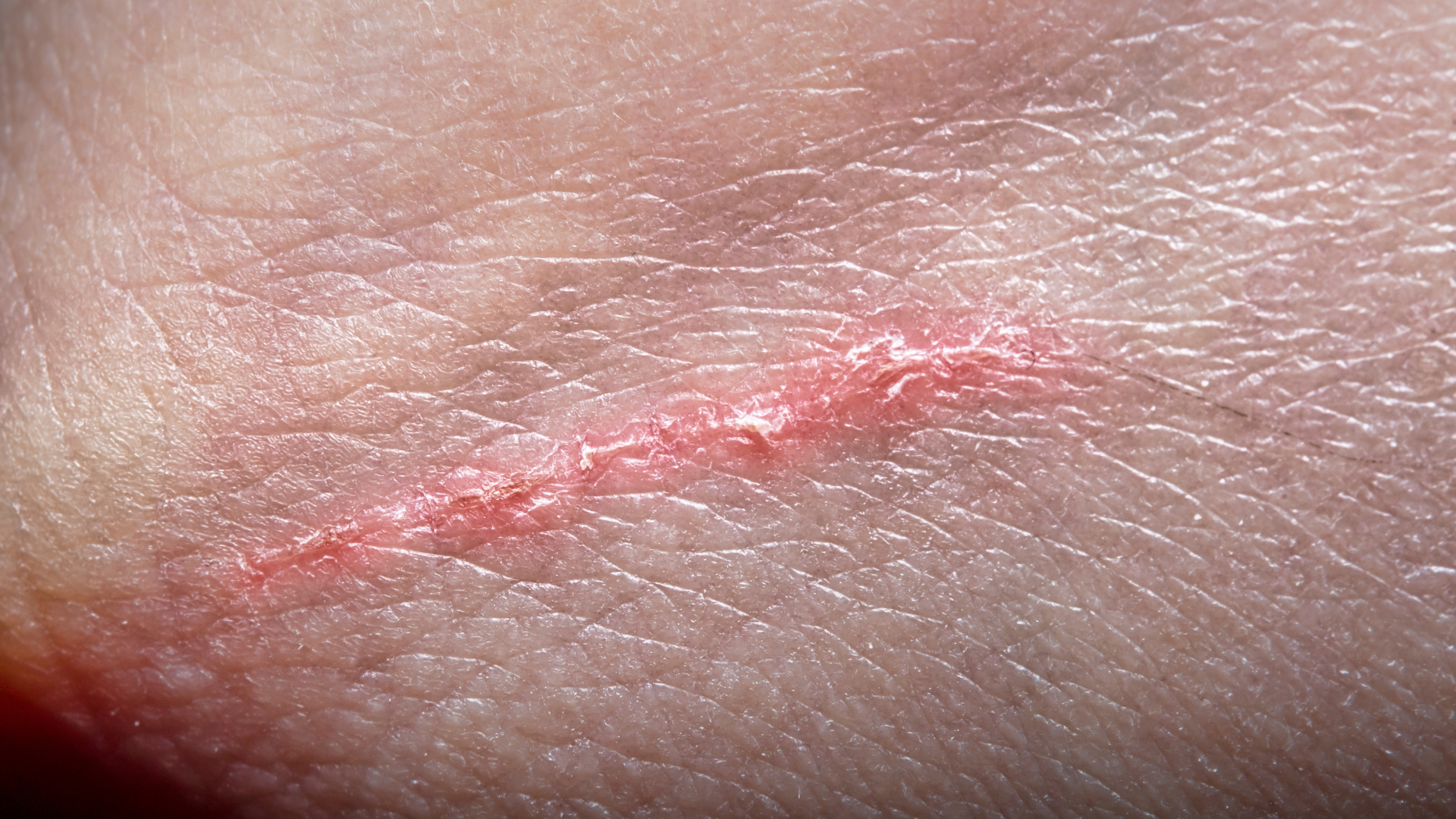
A young boy in Puyallup is recovering after a dog bite incident left him needing stitches while he was riding his bike in his neighborhood, according to WAFB News. The sudden nature of this Puyallup dog bite accident highlights how quickly these situations can escalate, especially when animals act unpredictably. Good Samaritans stepped in to help after the attack, showing how serious and alarming these incidents can be for victims and their families. Dog bite cases often result in physical injuries, emotional distress, and uncertainty about what steps to take next.
When a Puyallup dog bite accident occurs, victims and their families may face medical expenses, follow-up care, and concerns about long-term effects such as scarring or trauma. These situations can become even more complicated when dealing with insurance claims or determining liability. At Ritchie-Reiersen Injury and Immigration Attorneys, we understand how overwhelming these cases can feel, and we work closely with clients to protect their rights and pursue fair compensation. If your child or a loved one has been injured in a dog bite incident, call us at (206) 462-1883 today to discuss your options and take the next step forward.
Why Legal Representation Matters After a Puyallup Dog Bite Accident
At Ritchie-Reiersen Injury and Immigration Attorneys, we understand how a Puyallup dog bite accident can lead to complex legal and financial challenges, especially when injuries require medical treatment and ongoing care. We take a proactive approach by investigating the incident, gathering evidence, and identifying the responsible parties to build a strong claim. Our team works closely with you to ensure that your rights remain protected while pursuing compensation that reflects the full impact of the injury. With our support, you can focus on recovery while we handle the legal process with care and attention.
We also advocate on your behalf when dealing with insurance companies that may attempt to minimize payouts or dispute liability. Our team evaluates both immediate and long-term damages, including medical costs, emotional distress, and potential scarring, to ensure that your claim is fully supported. We maintain clear communication throughout the process so you always understand your options and next steps. When you work with us, you gain a dedicated legal partner committed to helping you move forward with confidence.

Who Is Liable in a Puyallup Dog Bite Accident
Determining liability in a Puyallup dog bite accident is one of the most important steps in building a strong legal claim and securing fair compensation. While many cases clearly point to the dog owner, liability can become more complex depending on where the incident occurred, who had control of the dog, and whether other parties contributed to unsafe conditions. Identifying all potentially responsible parties ensures that victims do not overlook additional sources of compensation. A thorough legal evaluation helps create a more complete and effective claim.
In addition, liability analysis often requires reviewing evidence such as witness statements, animal control reports, medical records, and property conditions. Each detail can influence how responsibility is assigned and how claims are pursued. Even situations that seem straightforward may involve shared fault or additional legal considerations. Taking a comprehensive approach allows victims to better protect their rights and maximize recovery.
Dog Owner Responsibility
Dog owners are typically the primary party responsible for injuries caused by their pets, especially when they fail to maintain proper control or take reasonable precautions. In Washington, laws often hold owners accountable when their dog causes harm, regardless of prior behavior. This makes owner responsibility a central focus in most Puyallup dog bite accident claims. Establishing this responsibility forms the foundation of a strong case.
Additionally, owners must take proactive steps to prevent foreseeable harm, which includes understanding their dog’s behavior and responding appropriately. Failure to meet these responsibilities may create clear liability. Courts often examine whether the owner acted reasonably under the circumstances. A detailed evaluation helps clarify these issues and strengthens the claim.
Failure to Restrain or Control the Dog
Owners may be held liable when they fail to properly restrain or control their dog, such as allowing it to roam freely or interact with others without proper supervision. These situations significantly increase the likelihood of an attack and often form the basis of liability claims. Proper restraint includes leashing, fencing, or otherwise securing the animal. When these measures are not followed, the risk of injury rises.
Furthermore, lack of control may also include situations where the dog escapes due to inadequate barriers or supervision. Even a brief lapse in control can lead to serious consequences. Courts often consider whether reasonable steps were taken to prevent the incident. Proper analysis of these factors helps establish liability.
Lack of Proper Supervision
Allowing a dog to interact with children, pedestrians, or others without supervision can lead to unpredictable and dangerous behavior. Dogs may react to movement, noise, or perceived threats, which makes supervision essential in many situations. When owners fail to monitor their dog’s actions, they increase the risk of injury. This lack of oversight often plays a direct role in dog bite incidents.
In addition, supervision becomes even more important in environments where dogs are exposed to unfamiliar people or situations. Owners must anticipate potential risks and act accordingly. Failure to do so may demonstrate negligence. Strong evidence of inadequate supervision can significantly support a claim.
Ignoring Known Risks
If an owner is aware that their dog has aggressive tendencies, prior incidents, or behavioral issues, they have an increased responsibility to prevent harm. Ignoring these risks can significantly strengthen a liability claim. Prior complaints, warnings, or incidents may demonstrate that the owner knew or should have known about the danger. This knowledge becomes a key factor in determining responsibility.
Moreover, failing to take corrective action, such as training, restraining, or isolating the dog, may show a pattern of negligence. Courts often view repeated inaction as a serious issue. Addressing these factors helps establish accountability. A detailed review of the dog’s history strengthens the case.
Violations of Local Animal Control Laws
Local ordinances in Puyallup and surrounding areas often require specific safety measures, such as leash laws, fencing requirements, and proper containment. Violating these laws can directly contribute to a dog bite accident and strengthen a victim’s claim. These regulations exist to protect public safety and reduce the risk of injury. When they are ignored, liability becomes more likely.
In many cases, documented violations of local laws provide clear evidence of negligence. Animal control reports and citations may support the claim. Understanding how these laws apply helps clarify responsibility. Proper documentation improves the strength of the case.
Leash Law Violations
Failing to follow leash laws can create dangerous situations, particularly in public areas where pedestrians and children are present. Dogs that are not properly restrained may act unpredictably and pose a risk to others. These violations often play a central role in establishing liability in a Puyallup dog bite accident. Evidence of non-compliance strengthens the claim.
Additionally, leash law violations may indicate a broader pattern of careless behavior by the owner. Courts often consider whether the owner disregarded safety rules. Addressing these violations helps support accountability. A clear connection between the violation and the incident strengthens the case.
Improper Containment on Private Property
Dogs must be properly secured on private property to prevent escape and potential harm to others. Inadequate fencing, broken gates, or lack of barriers can allow a dog to leave the property and cause injury. When containment measures fail, the owner may be held responsible for resulting damages. These situations often lead to serious liability issues.
Furthermore, repeated escapes or known containment issues may indicate negligence. Owners are expected to maintain secure environments for their pets. Failure to do so increases the risk of injury. A thorough evaluation of property conditions helps establish responsibility.
Third-Party Liability
In some cases, liability in a Puyallup dog bite accident may extend beyond the dog owner to include other parties who contributed to unsafe conditions. Identifying third-party liability helps expand potential sources of compensation and ensures a more complete claim. These situations often require detailed investigation and legal analysis. A comprehensive approach improves outcomes.
Additionally, third-party liability may arise when others had control over the environment or the dog at the time of the incident. Understanding these relationships helps determine responsibility. Including all liable parties strengthens the case. Careful evaluation remains essential.
Property Owners and Landlords
Property owners or landlords may be held liable if they were aware of a dangerous dog on the premises and failed to take reasonable action to address the risk. Their level of control over the property often determines their responsibility. When landlords ignore known hazards, they may share liability for resulting injuries. Evaluating their involvement helps clarify accountability.
In many cases, liability depends on whether the landlord had the authority to remove the dog or enforce safety rules. Failure to act when aware of a risk can create legal exposure. Courts often examine communication, complaints, and prior incidents. Strong evidence of knowledge strengthens the claim.
Knowledge of a Dangerous Animal
If a landlord knew about a dog’s aggressive behavior or prior incidents and allowed the situation to continue, they may share responsibility for injuries. This knowledge can be established through complaints, reports, or prior warnings. Demonstrating awareness becomes a key factor in liability. Proper documentation supports the claim.
Additionally, ignoring repeated concerns may indicate negligence. Landlords are expected to address known risks within their control. Failure to act can increase liability exposure. A detailed review of records helps establish this connection.
Failure to Address Safety Concerns
Ignoring tenant complaints or failing to enforce property rules regarding pets can contribute to unsafe conditions that lead to dog bite incidents. Property owners have a responsibility to maintain a safe environment for residents and visitors. When they fail to address known risks, they may be held accountable. This inaction often plays a role in liability claims.
Furthermore, lack of enforcement may signal broader negligence in property management. Courts often consider whether reasonable steps were taken to prevent harm. Addressing these failures helps strengthen the claim. A comprehensive evaluation improves outcomes.
Caretakers or Dog Handlers
Individuals responsible for handling or supervising a dog at the time of the incident may also be held liable if their actions contributed to the attack. This includes pet sitters, walkers, or anyone temporarily in control of the dog. Their responsibility depends on their level of control and the circumstances of the incident. Identifying these parties helps expand liability.
In many cases, caretakers assume a duty to act responsibly while the dog is under their supervision. Failure to meet this duty may result in shared liability. Evaluating their role helps clarify responsibility. A thorough investigation strengthens the claim.
Negligent Handling
Improper handling, such as failing to maintain control of the dog or allowing it to approach others unsafely, can lead to an attack. This negligence may directly contribute to the incident and create liability for the handler. Courts often evaluate whether reasonable care was exercised. Evidence of poor handling supports the claim.
Additionally, handlers must be aware of the dog’s behavior and respond appropriately. Ignoring warning signs may increase risk. Addressing these issues helps establish accountability. Strong evidence improves outcomes.
Temporary Custody Responsibility
Caretakers who assume responsibility for a dog must ensure that it remains under control and does not pose a danger to others. This responsibility includes proper restraint, supervision, and awareness of the environment. Failure to meet these obligations may result in shared liability for injuries. Evaluating custody arrangements helps clarify responsibility.
Furthermore, temporary responsibility does not reduce the duty to act safely. Courts often treat caretakers similarly to owners in certain situations. Understanding this dynamic helps strengthen the claim. A detailed review supports better results.

Compensation Available After a Puyallup Dog Bite Accident
Victims of a Puyallup dog bite accident may be entitled to compensation that reflects both the financial burden and the personal impact of their injuries. These incidents often lead to immediate medical costs, ongoing treatment, and emotional distress that can affect daily life long after the attack. A strong claim should account for both short-term expenses and long-term consequences to ensure full recovery. Understanding the types of compensation available helps victims pursue a more complete and accurate claim.
In addition, the value of a claim depends on several factors, including the severity of the injuries, the need for future care, and how the incident has affected the victim’s ability to work and live normally. Proper documentation, medical records, and legal guidance all play an important role in maximizing compensation. Each case requires a detailed and thoughtful evaluation to ensure nothing is overlooked. A comprehensive approach strengthens both the claim and the outcome.
Economic Damages
Economic damages represent the measurable financial losses that result from a Puyallup dog bite accident. These damages often form the foundation of a claim because they are supported by bills, records, and clear documentation. Covering these losses helps victims regain financial stability after the incident. A detailed accounting ensures that all expenses are included.
In many cases, economic damages extend beyond immediate costs and may include future financial burdens related to the injury. Proper evaluation ensures that both current and anticipated expenses are considered. This forward-looking approach helps prevent financial gaps later. Strong documentation improves recovery.
Medical Expenses and Treatment Costs
Medical expenses often represent the largest portion of a dog bite claim, especially when injuries require emergency care or ongoing treatment. These costs may include hospital visits, stitches, medications, and follow-up appointments. Even seemingly minor injuries can lead to significant expenses over time. Including all medical costs ensures a more complete claim.
Additionally, treatment may continue long after the initial injury, particularly in cases involving infection, nerve damage, or scarring. Ongoing care may require multiple providers and specialized services. Tracking every expense helps build a strong financial case. A thorough record supports fair compensation.
Ongoing Medical Care
Some dog bite injuries require extended treatment such as physical therapy, reconstructive procedures, or scar revision. These treatments may continue for months or even years depending on the severity of the injury. Including future care in the claim ensures that victims are not left covering these costs on their own. A long-term perspective improves financial recovery.
In addition, medical professionals may provide projections for future care needs, which can be used to support the claim. These estimates help demonstrate the lasting impact of the injury. Proper evaluation ensures that all anticipated expenses are addressed. A detailed approach strengthens the claim.
Documentation of Medical Bills
Accurate documentation of medical bills plays a critical role in proving the financial impact of a Puyallup dog bite accident. Victims should keep records of all treatments, prescriptions, and related expenses. These documents provide clear evidence that supports the claim and helps ensure proper reimbursement. Organized records improve efficiency.
Furthermore, incomplete or missing documentation can lead to disputes or reduced compensation from insurance companies. Maintaining detailed and consistent records helps avoid these issues. A structured approach to documentation strengthens the overall case. Proper preparation improves outcomes.
Lost Wages and Financial Impact
Victims may miss work while recovering from injuries, which can result in lost income and financial strain. Compensation for lost wages helps address this gap and provides support during the recovery period. Even short absences from work can have a meaningful impact on finances. Including these losses ensures a more complete claim.
In more serious cases, injuries may affect a victim’s ability to return to work or perform the same job duties. This can lead to long-term financial challenges that must be addressed. Evaluating the full impact on income helps strengthen the claim. A comprehensive approach supports stability.
Temporary Loss of Income
Time away from work during recovery may prevent victims from earning their usual wages, especially when medical restrictions limit activity. This temporary loss can create immediate financial pressure for individuals and families. Compensation helps offset this burden and maintain stability. Proper documentation supports recovery.
Additionally, employers may require verification of missed work, which can be included in the claim. Accurate records help demonstrate the extent of lost income. A clear timeline strengthens the case. Organized information improves outcomes.
Impact on Future Earnings
Severe injuries may affect a victim’s long-term earning capacity, particularly if they result in permanent limitations or ongoing medical issues. This impact may include reduced hours, inability to perform certain tasks, or a complete career change. Evaluating future earnings loss helps ensure fair compensation. A forward-looking approach strengthens the claim.
In addition, expert analysis may be used to calculate projected income loss over time. These evaluations provide a clearer picture of long-term financial impact. Including this information ensures a more complete recovery. Strong evidence improves results.
Non-Economic Damages
Non-economic damages address the personal and emotional effects of a Puyallup dog bite accident that go beyond financial loss. These damages recognize that injuries can affect quality of life, mental health, and daily activities. Including non-economic damages ensures that the claim reflects the full impact of the incident. A balanced approach improves recovery.
In many cases, these damages require detailed explanation and supporting evidence, such as medical evaluations or personal statements. While they are not tied to specific bills, they are just as important as economic losses. Proper presentation strengthens the claim. A comprehensive strategy supports better outcomes.
Pain and Suffering
Dog bite injuries often cause significant physical pain and discomfort, both immediately after the attack and during the recovery process. Compensation for pain and suffering reflects the physical hardship experienced by the victim. This damage category helps ensure that the human impact of the injury is recognized. Including these damages strengthens the claim.
In addition, pain may persist long after visible injuries heal, particularly in cases involving nerve damage or complications. Ongoing discomfort can affect daily activities and overall well-being. Proper documentation of symptoms helps support this claim. A detailed approach improves results.
Physical Pain
Injuries such as deep bites, infections, and nerve damage can lead to lasting physical pain that affects movement and daily function. This pain may require medication, therapy, or additional treatment. Recognizing this impact ensures that compensation reflects the full experience of the injury. A thorough evaluation supports recovery.
Furthermore, physical pain may interfere with sleep, work, and routine activities. These disruptions can significantly affect quality of life. Including these factors strengthens the claim. Proper documentation improves outcomes.
Emotional Distress
Victims may experience fear, anxiety, or trauma following a dog bite, especially if the incident was sudden or severe. These emotional effects can interfere with daily life and may require counseling or therapy. Addressing emotional distress ensures that the psychological impact of the incident is fully considered. Including these damages creates a more complete claim.
In addition, children may experience heightened emotional responses, including fear of animals or outdoor activities. Long-term psychological effects may require ongoing support. Documenting these challenges strengthens the case. A comprehensive approach improves recovery.
Scarring and Disfigurement
Dog bites can result in permanent scarring or disfigurement, particularly when injuries occur on visible areas such as the face, arms, or legs. These physical changes can affect both appearance and confidence. Compensation for scarring helps address the lasting impact of these injuries. A detailed evaluation ensures fair recovery.
In many cases, victims may require cosmetic procedures or ongoing treatment to manage scarring. These additional needs should be included in the claim. Recognizing both physical and emotional effects strengthens the case. A complete approach improves outcomes.
Visible Scarring
Scars on visible areas of the body may affect how victims feel about their appearance and how they interact with others. These changes can influence confidence and daily social interactions. Compensation reflects the long-term impact of these injuries. Proper documentation supports the claim.
Additionally, visible scarring may require treatment such as laser therapy or reconstructive procedures. Including these costs ensures full recovery. A thorough evaluation improves results.
Long-Term Emotional Effects
Disfigurement can lead to ongoing emotional challenges, including anxiety, self-consciousness, and changes in behavior. These effects may persist long after the physical injury heals. Addressing emotional impact ensures that compensation reflects the full scope of harm. A comprehensive claim supports better outcomes.
Furthermore, emotional effects may influence relationships, work performance, and overall quality of life. Recognizing these factors strengthens the case. Proper documentation improves recovery.
How Seattle Dog Bite Accident Attorneys Help Injured Victims Seek Justice
Seattle dog bite accident attorneys play a key role in helping victims navigate the legal and financial challenges that follow a serious dog attack. These cases often involve physical injuries, emotional trauma, and disputes over liability that can become difficult to manage without proper guidance. Victims may face medical treatment, insurance complications, and uncertainty about their legal rights. With experienced legal support, individuals can pursue accountability while focusing on recovery.
In addition, early legal involvement helps preserve evidence, strengthen claims, and prevent mistakes that could impact compensation. Attorneys provide structure and advocacy throughout the process while ensuring that each step aligns with the victim’s best interests. Understanding how this support works allows victims to move forward with greater clarity and confidence. A comprehensive approach improves both legal outcomes and recovery.
Investigating the Dog Bite Incident
Attorneys begin by conducting a thorough investigation to determine how the dog bite occurred and who may be responsible. This process involves gathering evidence, reviewing reports, and identifying key factors that contributed to the attack. A strong investigation forms the foundation of the case. Early action helps preserve critical details.
Collecting Medical Records and Incident Reports
Medical records document the severity of injuries and the treatment required, which plays a central role in any claim. Attorneys also review animal control reports and official incident records to understand how the attack occurred. These documents provide important evidence that supports liability. Accurate documentation strengthens the case.
Gathering Witness Statements and Evidence
Witnesses may provide valuable insight into the dog’s behavior, the owner’s actions, and the circumstances surrounding the incident. Attorneys collect statements and any available photos or videos from the scene. This evidence helps establish a clear timeline of events. Strong support improves claim credibility.
Establishing Liability and Responsibility
Determining liability in a dog bite case often involves evaluating the dog owner’s actions and whether proper precautions were taken. Attorneys analyze local laws and evidence to identify responsible parties. Establishing liability remains essential for pursuing compensation. A detailed evaluation strengthens the claim.
Proving Owner Negligence or Responsibility
Dog owners may be held responsible if they failed to control their pet or prevent the attack. Evidence such as prior incidents, lack of restraints, or failure to follow local regulations may support the claim. Attorneys use this information to demonstrate liability. Clear proof improves outcomes.
Evaluating Property Owner or Third-Party Liability
In some cases, property owners or other parties may share responsibility if unsafe conditions contributed to the incident. Attorneys investigate whether additional liability exists beyond the dog owner. Identifying all responsible parties helps maximize compensation. A comprehensive approach improves results.
Managing Insurance Claims and Legal Process
Insurance companies often play a significant role in dog bite cases, which can create challenges for victims seeking fair compensation. Attorneys manage communication and negotiations to protect their clients’ interests. This support helps prevent delays and disputes. Proper handling strengthens the claim.
Communicating With Insurance Companies
Attorneys handle all interactions with insurance adjusters to ensure that statements remain accurate and aligned with the evidence. This approach reduces the risk of claim denial or undervaluation. Professional communication protects the case. Clear representation improves outcomes.
Negotiating Fair Settlements
Insurance companies may attempt to offer settlements that do not reflect the full extent of injuries and damages. Attorneys evaluate these offers and negotiate for compensation that aligns with the victim’s losses. Strong negotiation ensures better results. A detailed approach supports recovery.
Calculating the Full Scope of Damages
A complete evaluation of damages ensures that all financial and personal losses are included in the claim. Attorneys assess both economic and non-economic damages to build a comprehensive case. This approach helps victims pursue full compensation. Proper evaluation strengthens the claim.
Medical Expenses and Ongoing Care
Dog bite injuries may require emergency treatment, surgeries, and long-term care such as therapy or follow-up procedures. Attorneys ensure that both current and future medical costs are included. Accurate documentation supports fair compensation. A thorough review improves outcomes.
Pain, Suffering, and Emotional Trauma
Dog attacks often result in emotional distress, anxiety, and long-term psychological effects, especially for children. Attorneys gather evidence to demonstrate these impacts and include them in the claim. Addressing these damages ensures a more complete recovery. A comprehensive approach strengthens the case.
Guiding Victims Through the Legal Process
The legal process after a dog bite accident can feel overwhelming, especially when victims are focused on healing. Attorneys provide guidance, manage legal requirements, and ensure that deadlines are met. This support reduces stress and allows victims to focus on recovery. A structured approach improves efficiency.
Managing Deadlines and Documentation
Filing deadlines and legal documentation must be handled carefully to avoid complications. Attorneys ensure that all paperwork is completed accurately and submitted on time. Attention to detail keeps the case on track. Proper management supports success.
Preparing for Litigation if Necessary
While many dog bite cases resolve through negotiation, some may require litigation to achieve fair results. Attorneys prepare by building a strong case supported by evidence and expert analysis. They represent clients in court and advocate for their rights. This readiness ensures strong representation throughout the process.

Contact an Experienced Puyallup Dog Bite Accident Lawyer Today
Taking action after a dog bite incident can feel overwhelming, especially when injuries involve children and require ongoing medical attention. Our team at Ritchie-Reiersen Injury and Immigration Attorneys carefully reviews every detail of your case and develops a strategy tailored to your specific needs and long-term goals. We handle communication with insurers, manage documentation, and ensure that your claim moves forward efficiently so you can focus on healing.
Every case deserves a thoughtful and strategic approach that reflects the seriousness of a Puyallup dog bite accident and its impact on your family. We work closely with you to understand the full scope of the injury, including physical, emotional, and financial challenges, while pursuing accountability and fair compensation. Our team remains committed to providing consistent support and strong advocacy, so call us at (206) 462-1883 today or reach out online to discuss your case and explore your options.