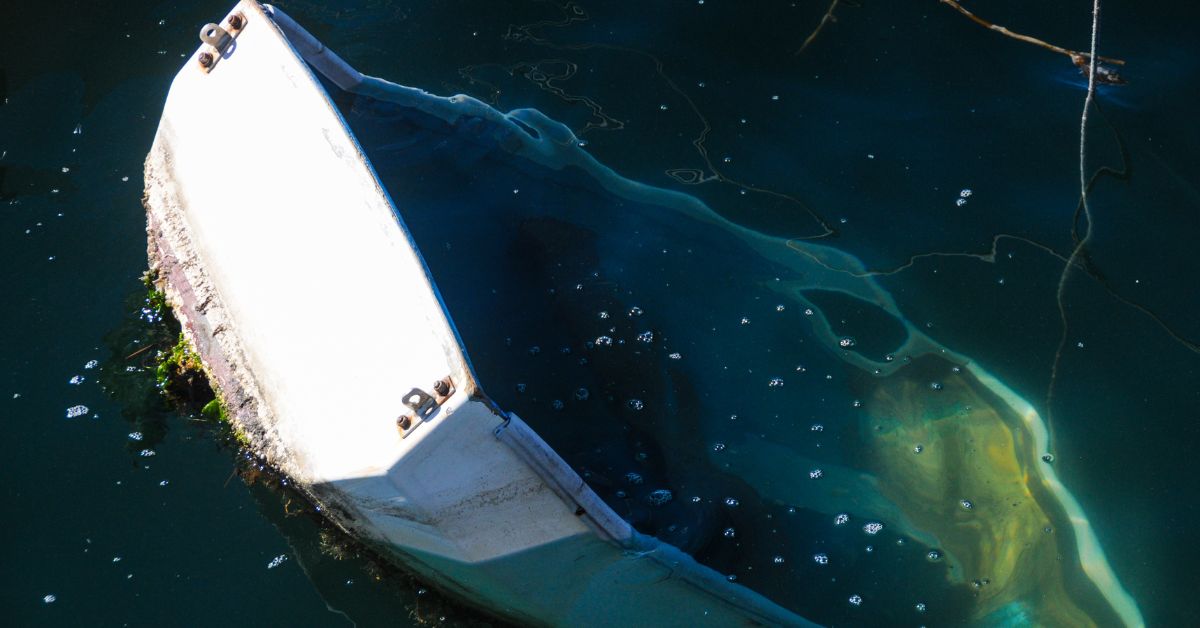
Boat Accident Lawyers in Everett
Boat accidents are serious issues as they can cause severe harm, and leave you wondering what the lasting effects can be and who is responsible for it. What begins as a normal situation can immediately become dangerous when visibility drops, spacing between boats narrows, or operators misjudge distance and timing. Boat accident lawyers in Everett focus on how these incidents unfold by identifying where control was lost. Ritchie-Reiersen Injury & Immigration Attorneys builds these cases by breaking down how operator behavior, equipment performance, and surrounding activity contributed to the incident. Boat accident lawyers in Everett develop claims that show how these combined factors led to injuries rather than treating the crash as an isolated mistake.
Speed adjustments, navigation choices, and awareness of nearby vessels determine how much time an operator has to react when conditions change. Boat accident lawyers in Everett use available evidence such as water condition reports, witness accounts, and vessel damage patterns to piece together that sequence of events. Ritchie-Reiersen Injury & Immigration Attorneys structures each case around how those details connect to responsibility and resulting harm. Call Ritchie-Reiersen Injury & Immigration Attorneys at (888) 884-7337 to get a free case review today and learn how we can help you with your boat accident case.
How Washington Boating Rules Influence Responsibility After an Everett Accident
Responsibility after a boating accident in Everett depends on how vessel operators followed safety expectations established under Washington law while navigating shared waterways. Boat accident lawyers in Everett examine whether operators maintained proper lookout, controlled speed appropriately, and adjusted navigation based on surrounding traffic and water conditions. Washington boating rules require operators to remain aware of nearby vessels, anticipate movement, and respond to changing conditions without delay. When those responsibilities are ignored, collisions become more likely in areas where space, visibility, and timing must be carefully managed. Ritchie-Reiersen Injury & Immigration Attorneys connects these rule violations to the sequence of events that led to the accident and resulting injuries.
Determining fault under Washington law also requires evaluating how multiple actions and conditions interacted leading up to the collision. Boat accident attorneys in Everett analyze how each operator approached the situation, including positioning, speed adjustments, and decision-making under pressure. Shared responsibility may apply when more than one operator contributed to unsafe conditions that escalated into a collision. This type of analysis focuses on how decisions unfolded over time rather than isolating a single moment of error. Lawyers build claims that explain how combined actions influenced the outcome under Washington standards.
Examining Operator Responsibilities During Navigation
Attorneys assess how vessel operators handled navigation duties while managing traffic, water movement, and visibility limitations during the incident. Operators must continuously monitor their surroundings, maintain control of their vessel, and adjust actions based on changing conditions in real time. Failure to respond appropriately can lead to delayed reactions that increase the likelihood of collision or loss of control. Reviewing these responsibilities helps identify where expectations under Washington boating rules were not met. Understanding these breakdowns provides a foundation for determining how responsibility developed.
Evaluating Awareness, Control, and Reaction Timing
Attorneys review how operators observed surrounding vessels, adjusted steering, and reacted to developing situations as conditions changed on the water. Delayed responses or lack of awareness can create situations where collisions become unavoidable despite available opportunities to adjust course. Reaction timing often determines whether a situation escalates or is safely managed.
Showing How Operator Actions Influenced the Outcome
Decisions involving speed, direction, and response time shape how events progress in the moments leading up to a collision. Poor judgment or delayed adjustments can reduce available space and increase the severity of impact. Analyzing these actions clarifies how the operator’s conduct contributed to the accident.
Understanding Right-of-Way and Vessel Interaction
Boat accident lawyers in Everett evaluate how the right-of-way rules applied based on vessel position, movement, and proximity during the incident. Washington boating rules establish expectations for when operators must yield or adjust course to prevent collisions in shared waterways. Misjudging these responsibilities can create situations where both vessels move into the same path without adequate time to avoid impact. Reviewing how vessels interacted helps explain how responsibility developed between operators. These interactions provide important context for determining fault under Washington law.
Analyzing Positioning and Movement Before the Collision
Attorneys examine how each vessel approached the situation, including direction of travel, spacing, and relative speed leading up to the collision. Positioning often determines which operator had the obligation to yield or adjust navigation to prevent conflict. Movement patterns help explain how the situation progressed over time.
Explaining How Navigation Decisions Led to Impact
Improper positioning, failure to yield, or incorrect course adjustments can create conditions where collision becomes increasingly likely. Limited space and reduced reaction time often follow poor navigation decisions in crowded waterways. Evaluating these factors explains how the impact occurred.
Evaluating Speed, Conditions, and Environmental Influence
Lawyers consider how speed and environmental conditions affected an operator’s ability to maintain control and respond effectively during the incident. Water conditions such as currents, wakes, and reduced visibility require constant adjustment to maintain safe operation. Excessive speed in these conditions limits reaction time and increases the force of impact during a collision. Reviewing these environmental factors helps explain how conditions influenced operator behavior. These considerations play a significant role in determining responsibility under Washington law.
Reviewing Visibility, Water Movement, and External Conditions
Attorneys assess how visibility, weather, and water activity affected navigation and the ability to detect hazards or nearby vessels in time. Changing conditions can reduce awareness and create situations that require immediate adjustments to maintain safety. Environmental factors often shape how quickly operators must react.
Explaining How Conditions Affected Operator Decisions
Failure to adjust speed or navigation based on environmental conditions can lead to loss of control or delayed response during critical moments. Rough water, glare, or obstructed visibility can reduce the effectiveness of corrective actions. Understanding these influences clarifies how conditions contributed to the collision.
How Boat Accident Lawyers in Everett Calculate Injury-Related Losses and Long-Term Impact
Injury-related losses from boat accidents often develop differently than roadway incidents because water conditions, delayed rescue response, and impact with hard surfaces can create complex medical outcomes. Boat accident lawyers in Everett examine how factors like ejection from the vessel, propeller contact, or sudden impact with wakes contributed to the severity of injuries. These incidents can involve prolonged exposure to cold water, delayed medical attention, or complications that worsen during transport back to shore. Each of these conditions affects how injuries develop and what treatment becomes necessary over time. Attorneys connect these accident-specific factors directly to the medical and financial impact that follows.
Long-term impact also depends on how injuries affect mobility, work capacity, and the ability to safely return to water-related environments or physical activity. Lawyers evaluate how recovery timelines differ when injuries involve fractures, head trauma, or soft tissue damage caused by water impact or vessel movement. Some individuals face extended rehabilitation due to instability, balance issues, or neurological symptoms that interfere with daily function. These outcomes require careful consideration of future care needs, ongoing limitations, and lifestyle changes. Attorneys build claims that reflect how water-related injuries create lasting consequences beyond initial treatment.
Evaluating Medical Complications
Attorneys assess how injuries develop when impact occurs against water surfaces, vessel structures, or moving equipment during the incident. High-speed contact with water can cause blunt force trauma similar to a hard surface impact, especially when individuals are thrown from the vessel. Exposure to cold water can also lead to hypothermia or respiratory complications that require additional treatment beyond visible injuries. These medical conditions often develop alongside physical trauma and require specialized care. Understanding these factors helps explain why recovery may be more complex than expected.
Identifying Delayed Symptoms After Water Exposure
Attorneys review how symptoms such as breathing difficulty, neurological changes, or internal injuries may appear hours or days after the incident. Delayed onset can complicate diagnosis and require additional monitoring or intervention. Recognizing these patterns helps explain extended recovery timelines.
Explaining How Water Conditions Affect Injury Severity
Cold temperatures, wave impact, and prolonged exposure can increase the severity of injuries and create additional medical risks during the incident. These environmental factors influence how the body responds to trauma. Evaluating these conditions helps clarify how injuries developed.
Measuring Loss of Work Capacity
Lawyers evaluate how injuries affect the ability to perform physical tasks, maintain employment, and return to previous job responsibilities. Many water-related injuries involve balance issues, reduced strength, or limited mobility that interfere with both manual and non-manual work. Recovery may require extended time away from work or permanent changes to job duties, depending on the severity of the injury. These limitations affect earning potential and financial stability over time. Understanding these changes helps define long-term economic impact.
Assessing Physical Limitations That Affect Employment
Attorneys examine how injuries restrict movement, coordination, and endurance needed to perform essential job functions. These limitations may prevent individuals from returning to physically demanding roles or maintaining consistent work schedules. Identifying these restrictions helps explain lost income.
Connecting Work Limitations to Injury Conditions
Evidence shows how specific injuries such as fractures, head trauma, or soft tissue damage affect the ability to perform job-related tasks safely. These connections clarify how employment changes result from the accident. Evaluating these effects helps quantify financial loss.
Calculating Ongoing Care and Rehabilitation Needs
Attorneys consider how injuries require continued medical care, therapy, and support services beyond initial treatment. Water-related injuries may involve complications that require physical therapy, neurological care, or long-term monitoring. Rehabilitation often focuses on restoring mobility, coordination, and overall function after trauma. Some individuals require assistive devices or modifications to daily routines to maintain independence. These needs contribute to long-term care costs.
Reviewing Rehabilitation and Therapy Requirements
Attorneys evaluate treatment plans to determine how long therapy will be required and what types of services will be necessary for recovery. These plans often include physical therapy, occupational therapy, and follow-up medical care. Understanding these requirements helps project future care needs.
Explaining How Recovery Extends Over Time
Extended recovery periods may result from complications such as delayed healing, persistent pain, or neurological effects following the accident. These factors influence how long care and support will be needed. Evaluating recovery progression helps define long-term impact.
Understanding Changes to Daily Life
Attorneys assess how injuries affect routine activities, physical independence, and participation in recreational or work-related tasks. Limitations may include difficulty walking, maintaining balance, or performing activities that require coordination. These changes can alter how individuals manage daily responsibilities and interact with their environment. Adjustments to living conditions or routines may become necessary to maintain safety. Understanding these impacts helps define how life changes after the accident.
Evaluating Loss of Mobility and Physical Independence
Attorneys examine how injuries affect the ability to move safely, complete daily tasks, and function without assistance. Reduced mobility may require ongoing support or changes in living arrangements. Identifying these changes helps explain long-term effects.
Connecting Lifestyle Changes to Injury Consequences
Evidence demonstrates how injuries limit participation in activities that were previously routine or essential for maintaining independence. These limitations affect both physical and emotional well-being over time. Evaluating these changes helps present a complete picture of impact.
How Ritchie-Reiersen Injury & Immigration Attorneys Handles Complex Boat Accident Claims in Everett
Boat accident claims often involve overlapping factors such as operator decisions, water conditions, vessel performance, and delayed response times that make responsibility more difficult to define. Ritchie-Reiersen Injury & Immigration Attorneys handles these cases by breaking down how each factor contributed to the sequence of events leading to the collision. Boat accident lawyers in Everett examine how navigation choices, visibility limitations, and surrounding traffic created conditions that increased risk before the incident occurred. Each case is developed to show how these combined elements influenced both the accident and the resulting injuries. This method ensures that responsibility is evaluated based on how the situation unfolded rather than a single isolated moment.
Handling complex boat accident claims also requires anticipating how insurance companies may attempt to simplify events or shift responsibility between multiple parties. Ritchie-Reiersen Injury & Immigration Attorneys organizes evidence in a way that explains how different actions and conditions interact over time. Boat accident attorneys in Everett focus on presenting a consistent narrative that connects operator behavior, environmental factors, and vessel dynamics without leaving gaps that can be challenged. Preparation includes identifying where opposing arguments are likely to focus and addressing those points with documented support. This approach allows the case to remain stable when liability is disputed.
Breaking Down Multi-Factor Collision Scenarios on the Water
Ritchie-Reiersen Injury & Immigration Attorneys examines how multiple conditions combined to create the circumstances that led to the boat accident. Waterway congestion, changing currents, and operator response time often interact in ways that reduce available reaction space. Boat accident attorneys in Everett identify how these overlapping elements contributed to the loss of control or inability to avoid impact. Each contributing factor is evaluated within the broader sequence of events leading up to the collision. Understanding how these elements interact provides a clearer picture of responsibility.
Identifying How Conditions and Actions Intersect
Attorneys analyze how operator decisions aligned with environmental conditions such as wake patterns, visibility, and vessel proximity during critical moments. Intersections between these factors often explain why corrective action was not taken in time. These relationships clarify how the situation escalated.
Explaining How Combined Factors Led to the Collision
Decisions related to speed, direction, and timing can interact with water conditions in ways that increase the likelihood of impact. Reduced reaction time and limited maneuverability often result from these combined influences. Evaluating these interactions helps explain how the collision occurred.
Structuring Evidence Around Sequence and Timing
Ritchie-Reiersen Injury & Immigration Attorneys organizes case evidence to reflect how events developed before, during, and after the boat accident. Boat accident lawyers in Everett focus on how timing affects responsibility, including when operators recognized risk and how quickly they responded. Evidence such as witness accounts, vessel damage patterns, and incident reports helps reconstruct this timeline. A clear sequence allows each action to be understood within its proper context. This structure supports a consistent explanation of events.
Reconstructing the Timeline of Events on the Water
Attorneys piece together when changes in speed, direction, and positioning occurred based on available evidence and observations. Timing often determines whether operators have the opportunity to avoid the collision. This reconstruction clarifies how events unfolded.
Connecting Timing Gaps to Missed Opportunities
Delayed reactions or failure to adjust course can create situations where avoidance becomes impossible within the available timeframe. Identifying these gaps helps explain why the collision was not prevented. These findings highlight where earlier action could have changed the outcome.
Addressing Disputes Involving Multiple Responsible Parties
Ritchie-Reiersen Injury & Immigration Attorneys handles cases where responsibility may be shared between operators, vessel owners, or other involved parties. Boat accident attorneys in Everett evaluate how each party contributed to the conditions that led to the incident. Multiple vessels, passenger behavior, and external conditions can all influence how responsibility is assigned. Each party’s role is examined within the broader sequence of events. This process ensures that responsibility reflects actual involvement.
Evaluating Shared Responsibility Under Washington Standards
Attorneys assess how Washington comparative fault rules apply when more than one party contributed to unsafe conditions leading to the accident. Responsibility may be divided based on how each action influenced the outcome. This evaluation helps define each party’s role.
Explaining How Fault Is Distributed Between Parties
Evidence is used to show how different actions combined to create the final conditions that resulted in the collision. Allocation of responsibility reflects how each factor contributed to the overall situation. This explanation supports fair distribution of fault.
Preparing Claims to Withstand Insurance Challenges
Ritchie-Reiersen Injury & Immigration Attorneys prepares boat accident claims by anticipating how insurers may challenge liability or minimize the impact of injuries. Boat accident attorneys in Everett address these challenges by presenting evidence that explains how the accident developed and why injuries occurred as a result. Insurance companies may attempt to isolate individual actions while ignoring how conditions interact. Preparation focuses on presenting a complete explanation that accounts for all contributing factors. This approach reduces the effectiveness of arguments aimed at limiting responsibility.
Identifying Common Defense Strategies in Boat Accident Claims
Attorneys review how insurers attempt to attribute fault to external factors or minimize the role of operator decisions in creating unsafe conditions. These strategies often rely on an incomplete interpretation of events. Recognizing these arguments allows them to be addressed effectively.
Using Evidence to Respond to Liability Disputes
Evidence is presented to demonstrate how documented conditions and actions support the claim’s explanation of responsibility. Medical records, witness accounts, and incident data provide support for these conclusions. This approach reinforces the strength of the claim.
Schedule With Ritchie-Reiersen Injury & Immigration Attorneys Today for a Free Consultation
A boat accident can leave you dealing with more than just the immediate injury, as long-term effects can leave you dealing with medical and financial problems for years to come. Situations involving water, vessel movement, and delayed response often create complications that are not fully addressed in the early stages. Ritchie-Reiersen Injury & Immigration Attorneys works to identify how each detail connects so the full picture is clearly presented.
A well-prepared claim explains how injuries developed, how recovery is expected to progress, and what support may be required over time. Ritchie-Reiersen Injury & Immigration Attorneys approaches each case with that level of focus so your position remains strong throughout the process. Call Ritchie-Reiersen Injury & Immigration Attorneys at (888) 884-7337 or visit our contact page to learn how we can help you today.







Get In Touch
Schedule a Free Legal Consultation With Us
If you or a loved one needs the assistance of a personal injury or immigration attorney, don’t hesitate to reach out. Ritchie-Reiersen Injury & Immigration Attorneys can help you with their extensive experience.
- Proven results
- Years of courtroom experience
- No upfront costs for injury clients
- We are available 24/7 for clients