
Pedestrian Accident Lawyers in Moses Lake
A pedestrian collision in Moses Lake can be complex due to right-of-way laws and Washington comparative fault law. Pedestrian accident lawyers in Moses Lake approach these cases by breaking down how driver decisions, roadway conditions, and timing all contributed to the impact itself. Vehicle speed, visibility conditions, and right-of-way compliance each influence how fault is ultimately assigned under Washington law. Pedestrian accident attorneys in Moses Lake counter that approach by securing scene evidence, reviewing traffic data, and aligning facts with applicable legal standards. That early intervention prevents distorted interpretations from reducing the value of a legitimate injury claim.
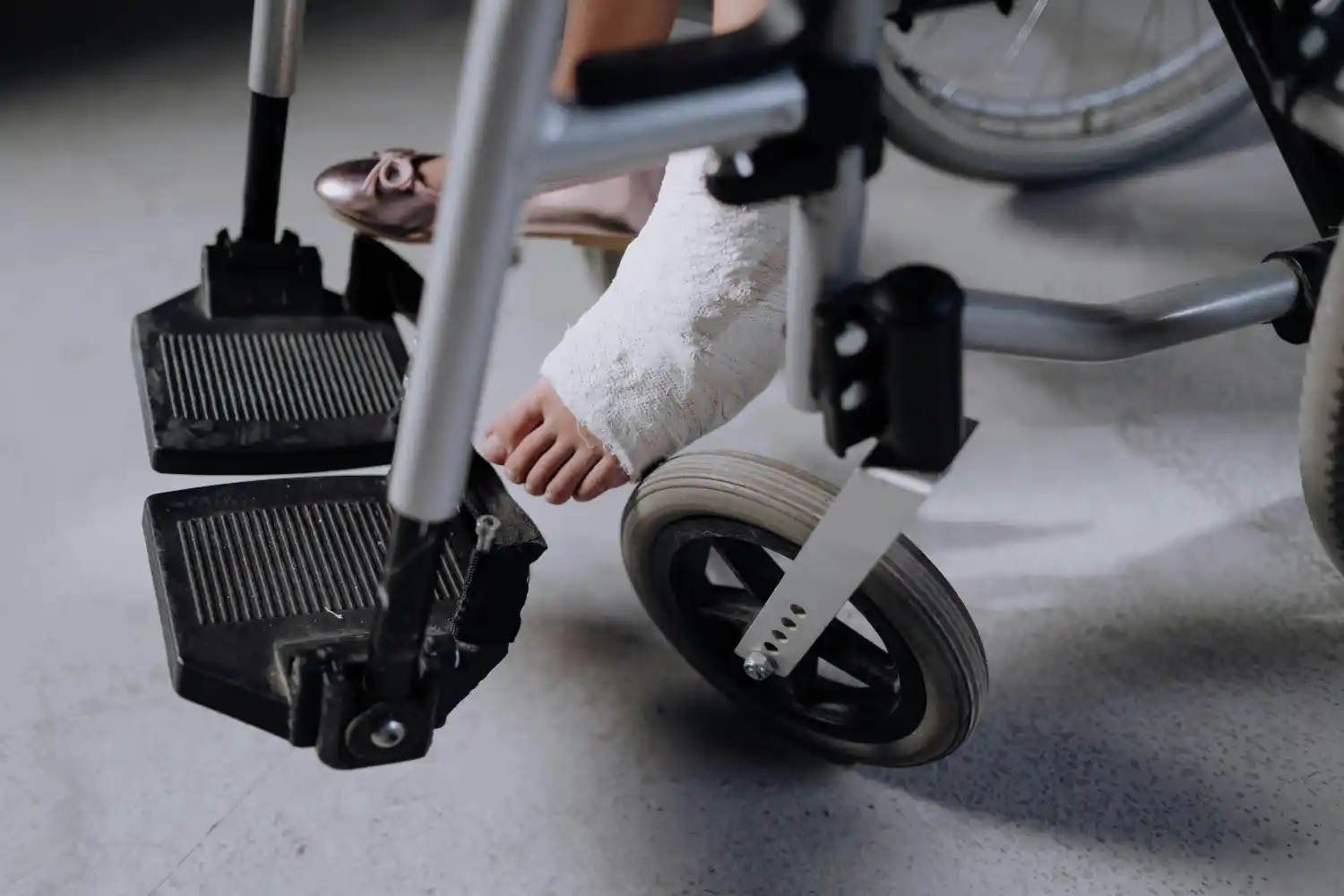
Pedestrian accidents do not just cause immediate medical issues but also lead to long-term medical problems, as pedestrians have limited protection from vehicles. Pedestrian accident lawyers in Moses Lake calculate damages by examining both current medical costs and the projected impact of ongoing care or rehabilitation needs. Documentation from physicians, specialists, and financial experts plays a critical role in establishing the full scope of harm caused by the collision. Ritchie-Reiersen Injury & Immigration Attorneys builds structured claims that account for future limitations, lost earning capacity, and recovery timelines supported by credible evidence. Call Ritchie-Reiersen Injury & Immigration Attorneys at (888) 884-7337 to get a free case review today from our Moses Lake lawyers.
How Pedestrian Accident Lawyers in Moses Lake Evaluate Legal Responsibility
Pedestrian accident lawyers in Moses Lake evaluate legal responsibility by aligning each participant’s actions with Washington laws governing right-of-way, driver awareness, and roadway conduct. Attorneys break down how the driver approached the scene by examining speed control, lane positioning, and reaction timing relative to pedestrian movement. Environmental conditions such as lighting levels, roadway design, and visibility obstructions are analyzed to determine how they affected the driver’s ability to avoid impact. Insurance carriers attempt to reduce exposure by shifting partial fault toward pedestrian decisions made moments before the collision. Ritchie-Reiersen Injury & Immigration Attorneys counters those tactics by connecting physical evidence and legal standards to establish a clear framework of responsibility.
Attorneys then organize all available evidence into a precise timeline that explains how the collision developed and where liability becomes legally defined. Police reports, witness accounts, and surveillance footage are compared to confirm how the driver and pedestrian interacted leading up to the impact. Small timing differences can determine whether the driver had a realistic opportunity to slow down, stop, or change direction. Attorneys use these findings to challenge inconsistent narratives presented by insurance adjusters during claim evaluation. A clearly supported liability structure increases leverage when pursuing compensation tied to injury severity and recovery demands.

Driver Decisions at the Moment of Impact
Pedestrian accident lawyers in Moses Lake evaluate driver decisions by examining speed changes, braking force, and steering inputs immediately before impact occurs. These details reveal whether the driver maintained proper awareness while approaching an area where pedestrian presence should have been anticipated. Data from vehicles and impact points helps determine how quickly the driver reacted once the pedestrian entered the roadway. Attorneys compare those reactions to expected driver behavior under similar conditions defined by law. This comparison clarifies how specific decisions contributed directly to the collision outcome.
Reaction Timing and Liability Findings
Attorneys calculate perception and response timing to determine how quickly a driver could identify a pedestrian. Stopping distance formulas are applied to measure whether the impact could have been avoided. These calculations expose delayed reactions that indicate negligent driving behavior.
Evidence Alignment in Responsibility Claims
Attorneys organize physical evidence and testimony to eliminate contradictions within the case narrative. Consistency between reports and data prevents insurers from challenging liability positions. Strong alignment increases negotiating power tied to proven responsibility.
Legal Evaluation of Pedestrian Movement
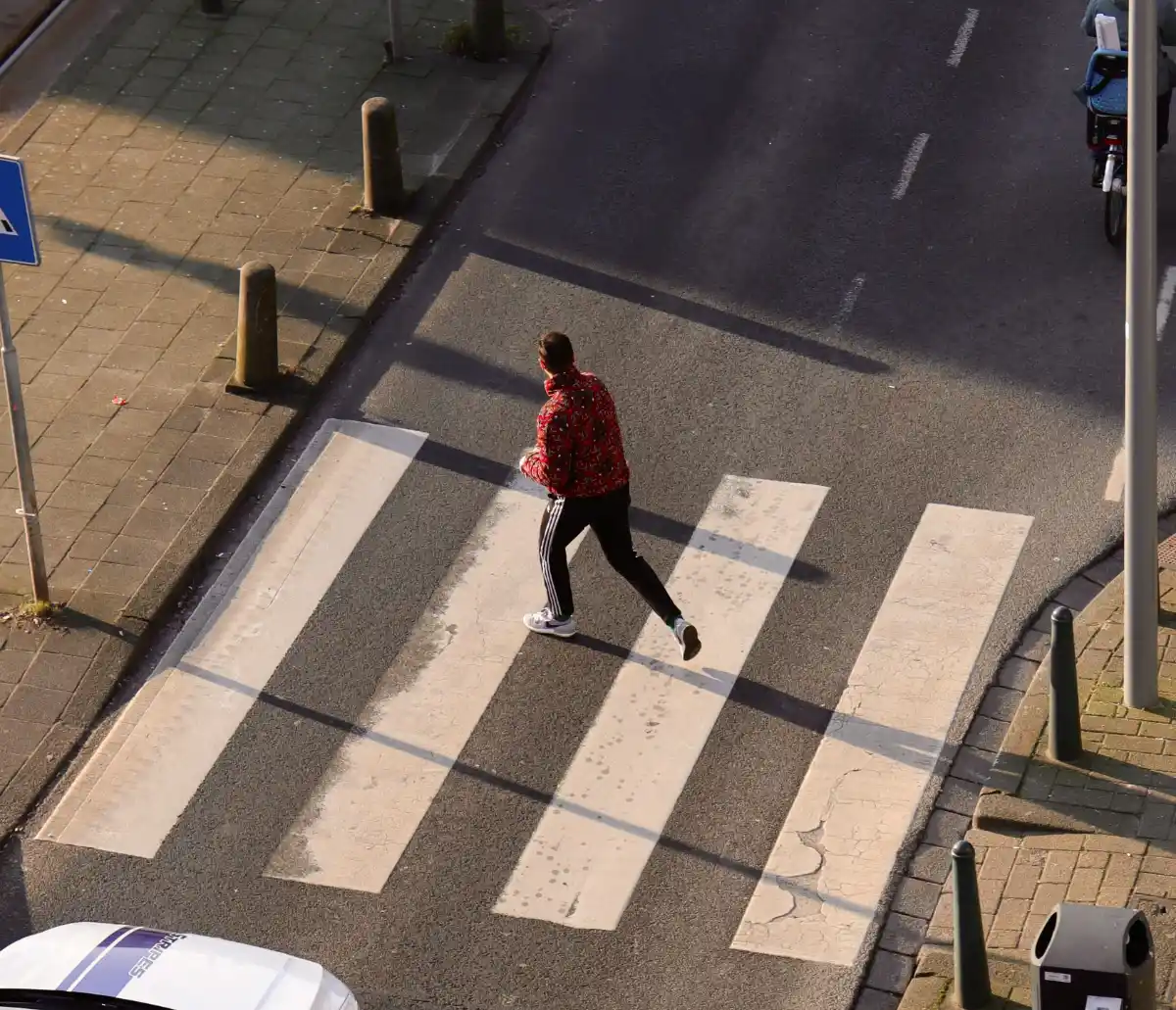
Attorneys examine movement patterns by identifying where the pedestrian was located, how they entered the roadway, and what signals or markings governed their actions. Attorneys assess whether the pedestrian used a marked or unmarked crosswalk and how right-of-way laws applied at that specific location. Traffic signals, signage, and surrounding vehicle flow are analyzed to determine how predictable the pedestrian’s presence was to approaching drivers. Insurance companies attempt to argue that unexpected pedestrian movement reduces driver liability under comparative fault principles. Pedestrian accident lawyers in Moses Lake counter these claims by showing how drivers remain responsible for maintaining awareness in areas where pedestrian activity is reasonably expected.
Crosswalk Positioning and Fault Analysis
Attorneys evaluate crosswalk markings and pedestrian signals to determine right-of-way obligations. The location of the pedestrian directly affects how fault is assigned legally. Proper positioning strengthens arguments that drivers failed to yield appropriately.
Predictability and Comparative Fault
Attorneys assess whether the pedestrian’s actions were foreseeable to a reasonable driver. Predictable movement reduces arguments that shift blame onto the pedestrian. This analysis limits insurer strategies that attempt to divide responsibility unfairly.
Environmental Conditions Influencing Liability
Attorneys incorporate environmental conditions by analyzing how lighting, weather, and roadway design affected driver perception at the time of impact. Attorneys examine whether visibility limitations were temporary or permanent features of the roadway that drivers should anticipate. Roadway layout, including curves, intersections, and traffic patterns, influences how quickly drivers can detect pedestrians and respond appropriately. Insurance carriers may argue that environmental conditions reduce driver responsibility by introducing unavoidable hazards. Attorneys address these claims by demonstrating how drivers are still required to adjust their behavior based on surrounding conditions.
Visibility Factors and Driver Responsibility
Attorneys review lighting, weather, and obstructions to determine visibility levels at impact. Drivers must adjust speed and awareness based on those conditions. Failure to adjust behavior supports findings of negligence.
Road Design and Legal Responsibility
Attorneys analyze roadway layout to understand how it influences driver perception and reaction timing. Certain designs require heightened caution due to limited sightlines or traffic flow patterns. These factors reinforce arguments that drivers must adapt to known roadway risks.
Breaking Down Economic and Non-Economic Damages in Pedestrian Injury Claims
Economic and non-economic damages are calculated by separating measurable financial losses from the broader personal consequences created by a pedestrian collision. Pedestrian accident lawyers in Moses Lake begin by identifying direct expenses such as emergency treatment, hospital care, rehabilitation services, and follow-up medical needs tied to the injury. Financial documentation, including invoices, wage records, and employment history, establishes a clear foundation for quantifying these losses. Non-economic damages require a different analysis focused on how injuries affect mobility, independence, and the ability to maintain daily routines. Pedestrian accident attorneys in Moses Lake structure claims to ensure both categories are supported with detailed evidence and aligned with long-term recovery impacts.
Attorneys then connect these damages to ongoing consequences by evaluating how injuries influence future medical care, employment limitations, and overall quality of life. Economic losses may expand when treatment plans include extended therapy, surgical procedures, or assistive devices that continue beyond initial recovery. Non-economic damages reflect the ongoing physical discomfort, emotional strain, and lifestyle changes experienced after the incident. Lawyers use medical expert input and documented recovery progress to establish how these effects evolve over time. A comprehensive damages framework positions compensation demands to reflect both immediate losses and long-term consequences tied to the accident.
Medical Expenses and Treatment Costs
Pedestrian accident lawyers in Moses Lake calculate medical damages by reviewing emergency care, hospitalization, specialist visits, and ongoing rehabilitation tied directly to the injury. Treatment plans are analyzed to determine how costs accumulate over time as recovery progresses beyond initial care. Medical records provide detailed insight into the severity of injuries and the necessity of continued treatment. Future care needs are also considered when injuries require long-term monitoring or additional procedures. This analysis defines the full scope of medical expenses connected to the collision.
How Future Medical Needs Are Calculated
Attorneys evaluate physician recommendations and recovery timelines to estimate ongoing treatment requirements. Long-term care plans are incorporated into damage calculations to reflect future costs. These projections ensure compensation accounts for continued medical obligations.
Why Treatment Consistency Strengthens Damage Claims
Consistent medical records demonstrate the connection between injuries and required care over time. Gaps in treatment can create challenges when establishing the necessity of continued care. Strong documentation supports higher compensation tied to verified medical needs.
Lost Income and Earning Capacity Changes
Lawyers assess income-related damages by examining missed work, reduced hours, and employment interruptions caused by the injury. Wage statements and employment history are used to calculate immediate financial losses resulting from time away from work. Injuries that limit physical ability or cognitive function can also affect long-term earning potential. Attorneys evaluate how these limitations alter career paths, job opportunities, and future income growth. This financial analysis captures both short-term losses and ongoing earnings disruptions.
How Employment Records Support Income Claims
Attorneys review pay history, job duties, and employer statements to establish lost income. Documentation confirms how injuries prevented consistent work performance after the collision. These records provide measurable proof of financial disruption caused by the accident.
Why Long-Term Limitations Increase Claim Value
Career changes caused by injuries can reduce earning potential over time. Limitations on physical or mental capacity affect available job opportunities moving forward. These factors expand compensation demands to reflect sustained financial impact.
Pain, Physical Limitations, and Daily Impact
Pedestrian accident lawyers in Moses Lake evaluate non-economic damages by examining how injuries affect physical movement, endurance, and overall daily functioning. Medical documentation and personal accounts illustrate how pain and limitations interfere with routine activities. Attorneys consider how injuries restrict independence, making previously simple tasks more difficult or impossible to complete. Insurance companies attempt to minimize these effects by focusing only on measurable expenses rather than lived experience. Lawyers counter these tactics by presenting detailed evidence that connects injuries to real-life limitations.
How Physical Restrictions Are Documented
Attorneys review medical findings and treatment notes to identify specific physical limitations. Mobility restrictions and pain levels are tracked to show how daily function is affected. These details establish how injuries disrupt normal movement and independence.
Why Pain Impacts Compensation Outcomes
Chronic pain influences sleep, activity levels, and overall quality of life. Ongoing discomfort limits participation in work and personal activities over time. These effects support compensation that reflects lasting physical consequences.
Emotional Impact and Lifestyle Disruption
Lawyers assess emotional damages by examining how the collision affects mental well-being, stress levels, and overall emotional stability. Psychological impacts such as anxiety, trauma, and loss of confidence can alter how a person interacts with their environment. Attorneys evaluate how injuries disrupt relationships, social engagement, and personal routines that previously defined daily life. Insurance carriers attempt to undervalue these damages by focusing only on physical injuries and ignoring emotional consequences. Lawyers present evidence that connects emotional strain to the broader impact of the accident.
How Emotional Effects Are Evaluated
Attorneys review psychological evaluations and personal accounts to understand emotional impact. Stress, anxiety, and trauma are documented to show how mental health is affected. These findings demonstrate how injuries extend beyond physical harm.
Why Lifestyle Changes Influence Damage Value
Changes in routine and independence reflect deeper consequences of injury. Social and personal limitations alter how daily life is experienced after the accident. These disruptions increase compensation tied to overall life impact.
How Ritchie-Reiersen Injury & Immigration Attorneys Strengthens Pedestrian Accident Claims
Ritchie-Reiersen Injury & Immigration Attorneys strengthens pedestrian accident claims by controlling how evidence is collected, preserved, and structured from the earliest stages of the case. Immediate case development focuses on securing surveillance footage, witness statements, and physical scene data before delays reduce reliability or availability. Attorneys construct a detailed timeline that connects driver behavior, environmental conditions, and injury outcomes into a unified sequence supported by verifiable documentation. Insurance companies attempt to introduce doubt by isolating details or presenting incomplete interpretations of the incident. Ritchie-Reiersen Injury & Immigration Attorneys prevents those tactics by maintaining a consistent evidentiary structure that keeps liability arguments grounded and resistant to challenge.
Case strategy then shifts toward positioning the claim for negotiation by aligning liability findings with documented damages and projected long-term consequences tied to the injury. Medical records, financial losses, and recovery timelines are integrated into a demand structure that reflects the full extent of harm caused by the collision. Insurance carriers evaluate claims based on exposure risk, making it essential to present a case that demonstrates both clear fault and substantiated damages. Ritchie-Reiersen Injury & Immigration Attorneys prepares every claim as if it will proceed to litigation, increasing pressure during settlement negotiations. This structured preparation creates leverage that supports higher-value outcomes during negotiation discussions.

Early Evidence Control and Case Direction
Ritchie-Reiersen Injury & Immigration Attorneys begins each case by identifying critical evidence sources and securing them before delays compromise accuracy or availability. Attorneys coordinate scene documentation, witness interviews, and data collection to establish a reliable record of how the incident occurred. Early organization of this information allows the case to develop around verified facts rather than shifting narratives created by opposing parties. Insurance companies attempt to exploit gaps in early evidence collection to challenge liability or reduce damage exposure. Strong initial control over evidence creates a stable foundation that supports consistent claim development.
Securing Time-Sensitive Evidence Immediately
Attorneys prioritize collecting surveillance footage, witness accounts, and physical scene data without unnecessary delay. Evidence preservation prevents the loss of critical details that define how the collision unfolded. Immediate action protects the accuracy of liability arguments presented during negotiations.
Preventing Early Narrative Distortion
Insurance carriers introduce alternative explanations when evidence remains incomplete or unclear during early claim stages. Attorneys maintain control over verified facts to limit opportunities for conflicting interpretations. A consistent narrative structure strengthens claim positioning throughout every stage of the process.
Building a Structured Liability Narrative
Ritchie-Reiersen Injury & Immigration Attorneys constructs a liability narrative by connecting driver actions, pedestrian positioning, and roadway conditions into a cohesive explanation of fault supported by evidence. Each component is analyzed to demonstrate how the collision developed and why responsibility applies under Washington legal standards. Attorneys ensure that all findings align with laws governing right-of-way, driver awareness, and pedestrian safety expectations. Insurance adjusters attempt to isolate details to create uncertainty around responsibility. A unified narrative prevents fragmentation that could weaken liability arguments during settlement discussions.
Aligning Evidence with Legal Requirements
Attorneys match factual findings with legal standards that define driver responsibility in pedestrian accident cases. This alignment ensures that liability arguments remain grounded in applicable Washington traffic laws. Clear connections between evidence and legal requirements strengthen the overall claim position.
Eliminating Inconsistencies in Case Presentation
Conflicting evidence can undermine credibility and reduce leverage during negotiations with insurance carriers. Attorneys review all documentation carefully to ensure consistency across reports, statements, and supporting data. A unified presentation strengthens settlement positioning by reinforcing a clear and consistent narrative.
Integrating Damages into Claim Strategy
Ritchie-Reiersen Injury & Immigration Attorneys integrates damages by linking medical evidence, financial losses, and long-term limitations directly to the collision. Attorneys analyze treatment plans, employment disruption, and recovery projections to determine the full scope of harm caused by the injury. Each damage category is supported by documentation that explains how injuries affect both immediate needs and future stability. Insurance carriers attempt to limit compensation by focusing on short-term expenses rather than long-term consequences. A fully developed damages structure strengthens the claim by presenting a complete picture of the injury’s impact.
Connecting Medical Evidence to Financial Impact
Attorneys use medical records to explain how injuries create ongoing expenses and long-term limitations. Treatment timelines and specialist evaluations clarify the need for continued care and monitoring. This connection strengthens compensation demands tied to sustained recovery requirements.
Expanding Claims Beyond Immediate Costs
Short-term expenses rarely reflect the full financial burden associated with serious pedestrian injuries. Attorneys include future care, reduced earning capacity, and long-term limitations within damage calculations. Broader analysis increases claim value by capturing extended financial impact over time.
Positioning the Case for Negotiation Strength
Ritchie-Reiersen Injury & Immigration Attorneys positions claims for negotiation by presenting a complete and well-supported case that reflects both liability and damages clearly. Attorneys prepare documentation and legal arguments as if the case will proceed to trial, increasing perceived risk for insurance carriers. Settlement discussions are influenced by how effectively the case demonstrates fault and the full extent of financial and personal losses. Insurance companies evaluate whether contesting the claim will increase exposure beyond proposed settlement amounts. Strategic preparation shifts leverage toward the injured party during negotiation and settlement discussions.
Preparing Cases as Trial-Ready from the Start
Attorneys structure claims with the expectation that litigation may become necessary during the process. This preparation increases pressure on insurance carriers during settlement discussions and negotiations. Trial readiness strengthens overall positioning by demonstrating willingness to pursue full legal remedies.
Leveraging Risk to Influence Settlement Outcomes
Insurance carriers assess the risk of losing at trial when evaluating settlement options. Attorneys present strong cases that increase perceived financial exposure for opposing parties. Increased risk encourages higher settlement offers that reflect the full value of the claim.
Call Ritchie-Reiersen Injury & Immigration Attorneys’ Pedestrian Accident Lawyers in Moses Lake Today
A pedestrian accident forces a change that affects movement, income, and the ability to manage daily responsibilities without assistance. Recovery does not follow a predictable path, and early assumptions about injury severity or financial impact can shift as treatment progresses. Ritchie-Reiersen Injury & Immigration Attorneys builds each case by examining how the collision occurred, how the injuries will develop over time, and how those factors translate into measurable and long-term losses. A well-developed claim reflects both the visible injuries and the underlying consequences that continue to affect daily life.
The direction a claim takes depends on how well it accounts for ongoing medical needs, income interruption, and changes to physical capability that extend beyond initial recovery. Ritchie-Reiersen Injury & Immigration Attorneys structures each case to connect medical documentation, financial records, and future projections into a clear demand. Strong preparation influences how compensation discussions unfold and determines whether insurers treat the claim with the seriousness it requires. If you want a clear path forward with your pedestrian accident claim, call Ritchie-Reiersen Injury & Immigration Attorneys at (888) 884-7337 or visit our contact page today.







Get In Touch
Schedule a Free Legal Consultation With Us
If you or a loved one needs the assistance of a personal injury or immigration attorney, don’t hesitate to reach out. Ritchie-Reiersen Injury & Immigration Attorneys can help you with their extensive experience.
- Proven results
- Years of courtroom experience
- No upfront costs for injury clients
- We are available 24/7 for clients