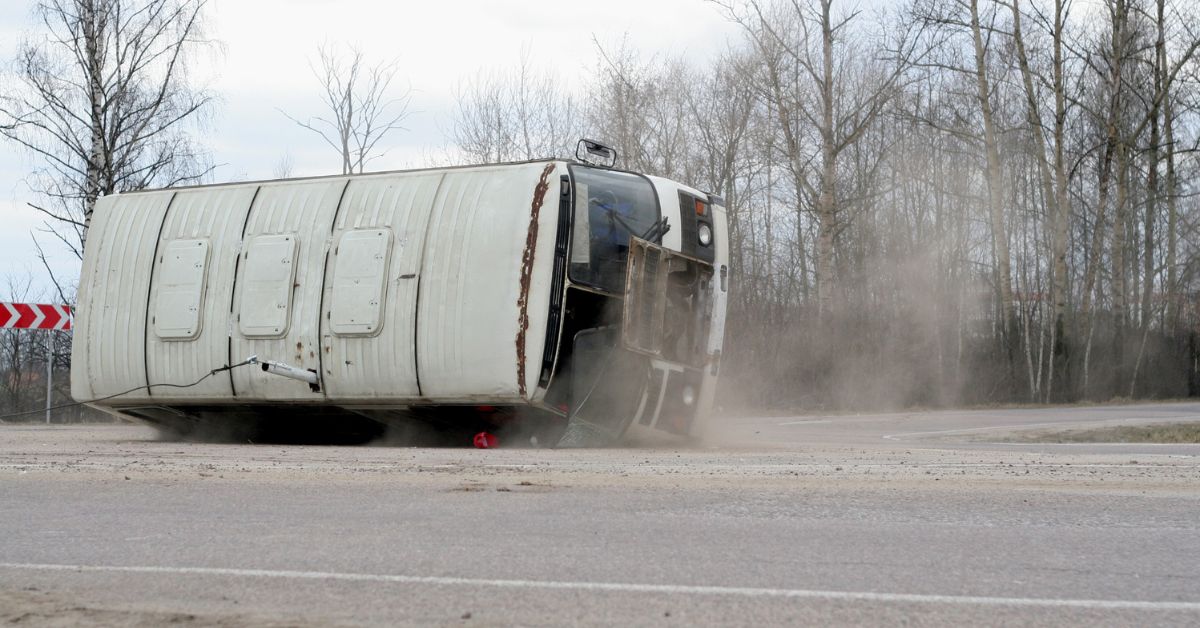
Bus Accident Lawyers in Portland
A bus crash introduces layers of complexity as it involves multiple passengers, commercial operators, and public or private entities. Injuries can vary widely depending on the lack of restraints and the size and force of the vehicle at impact. Bus accident lawyers in Portland examine how the crash developed by analyzing driver conduct, route conditions, vehicle maintenance, and any operational policies that governed the trip. These factors determine how responsibility is assigned across drivers, companies, or third parties connected to the incident.
Bus accident lawyers in Portland gather driver logs, inspection records, and witness accounts to determine whether safety procedures were followed or ignored before the collision occurred. Insurance carriers representing commercial entities begin evaluating claims quickly, which means delays can limit access to key evidence and records. A well-developed claim connects operational decisions to the injuries sustained and shows how the incident could have been prevented. Call Ritchie-Reiersen Injury & Immigration Attorneys at (888) 884-7337 today to hear how our bus accident attorneys in Portland can help you get the maximum compensation available.
How Bus Accident Lawyers in Portland Analyze Multi-Party Liability After a Collision
Bus collisions involve overlapping responsibilities, which require identifying how each party contributed to the conditions that led to the crash. Bus accident lawyers in Portland at Ritchie-Reiersen Injury & Immigration Attorneys analyzes driver actions, employer policies, vehicle ownership, and third-party involvement to determine how liability is distributed. Commercial operators may be responsible for hiring, training, and supervising drivers, while maintenance providers may be accountable for mechanical failures that affect vehicle safety. Public transit cases can also introduce government entities with separate operational standards and reporting requirements. Mapping these relationships allows responsibility to be assigned based on each party’s role in the incident.
Liability analysis also depends on showing how these parties interacted in real time and whether one failure triggered another during the collision sequence. Bus accident lawyers in Portland review driver logs, dispatch records, and communication data to determine whether operational decisions contributed to unsafe conditions. Evidence such as maintenance schedules, inspection reports, and route planning documents can reveal whether the vehicle was properly managed before the crash occurred. These elements are combined to show how different layers of responsibility intersect at the moment of impact. A structured evaluation ensures each contributing factor is supported by documentation and tied directly to the outcome.

Driver Decision Making at the Moment of Impact
Driver conduct remains a central factor in determining how a bus collision occurred, especially when reaction time, attention, and decision-making influence the outcome. Bus accident lawyers in Portland evaluate whether the driver followed traffic laws, maintained awareness, and adjusted behavior based on surrounding conditions. Evidence such as braking patterns, steering input, and speed changes helps determine how the driver responded to developing hazards. Employers may also be responsible for how drivers are trained, supervised, and scheduled, which can affect fatigue and performance. Examining both individual behavior and operational control reveals how decisions made behind the wheel connect to company oversight.
Evaluating Driving Decisions Before Impact
Driving decisions are analyzed by reviewing how the driver approached intersections, traffic flow, and potential hazards. Delayed reactions or failure to adjust speed can indicate that the driver did not respond appropriately. These patterns help establish whether the driver acted within expected safety standards under the conditions present.
Linking Driver Behavior to Employer Responsibility
Driver actions are often shaped by employer expectations related to scheduling, route demands, and performance metrics. When those expectations create pressure that affects attention or timing, responsibility can extend beyond the individual driver. This relationship allows liability to be evaluated across both personal conduct and organizational influence.
Maintenance Failures and Mechanical Condition
Mechanical issues can play a direct role in bus collisions, particularly when braking systems, steering components, or tires are not properly maintained. Maintenance logs, inspection reports, and repair histories are reviewed to determine whether the vehicle was in a safe operating condition before the incident. Failure to perform routine inspections or address known defects can introduce risks that affect vehicle control. Third-party maintenance providers may also be involved when service contracts govern vehicle upkeep. Identifying these failures helps determine whether the crash resulted from preventable mechanical conditions.
Reviewing Inspection and Repair History
Inspection records show how frequently the vehicle was evaluated and whether safety issues were identified in advance. Repair documentation reveals how quickly those issues were addressed and whether corrective work was completed. These records help determine whether proper maintenance practices were followed leading up to the collision.
Connecting Mechanical Issues to Crash Causation
Mechanical failures must be tied directly to how the collision occurred to establish responsibility. Evidence such as braking response or steering limitations helps explain how control was affected. This connection shows how maintenance breakdowns contributed to the sequence of events.
Employer Policies and Oversight Failures
Bus companies and transit agencies create policies that govern driver behavior, scheduling, and safety expectations across daily operations. These policies are reviewed to determine whether they adequately address risk factors such as fatigue, route difficulty, and traffic exposure. Inconsistent enforcement or poorly designed procedures can allow unsafe practices to develop over time. Oversight failures may involve a lack of supervision, inadequate training, or unrealistic operational demands. Evaluating these factors helps identify whether organizational decisions contributed to the conditions that led to the crash.
Assessing Training and Supervision Practices
Training programs determine how drivers are prepared to handle complex roadway situations and unexpected hazards. Supervision practices influence whether those standards are consistently followed during real-world operation. Reviewing these elements helps determine whether the organization maintained proper control over driver performance.
How Policy Failures Extend Liability
When policies fail to address safety risks, they can create conditions where preventable incidents occur. Lack of enforcement or oversight allows unsafe behavior to persist without correction. This link connects organizational practices directly to the resulting collision.
External Contributors That Influenced the Collision
Bus collisions may involve additional parties such as other drivers, contractors, or entities responsible for roadway design and traffic control. Investigations examine whether these external factors contributed to the conditions that led to the crash. Construction zones, signal timing issues, or defective equipment may influence how the event developed. Identifying these contributors ensures that all responsible parties are included in the claim. This broader analysis prevents liability from being assigned too narrowly when multiple factors were involved.
Identifying Additional Responsible Parties
Third parties may include other drivers, maintenance contractors, or entities responsible for road conditions and traffic systems. Each party’s role must be evaluated based on how their actions influenced the collision sequence. This process ensures that responsibility reflects all contributing sources rather than a single point of failure.
Integrating External Factors Into the Claim
External conditions must be connected to the timeline of events that led to the crash. Evidence such as roadway design flaws or traffic control failures helps establish that connection. Including these factors ensures the claim reflects the full scope of causation.
How Bus Accident Attorneys in Portland Build Claims Around Injury Progression
Injuries from bus collisions rarely remain fixed after the initial impact, since symptoms can evolve as swelling, internal damage, and delayed complications begin to appear during treatment. Bus accident attorneys in Portland track how the condition develops from the first medical evaluation through each stage of care, using records to document changes in pain, mobility, and physical function. Early diagnoses may not capture the full extent of injury, especially when internal trauma or neurological effects emerge over time. Medical providers record these developments through imaging, follow-up visits, and specialist evaluations that reflect how the body responds to the collision. This progression creates a continuous record that connects the initial event to long-term consequences.
Building a claim requires aligning that medical progression with the forces involved in the crash, including impact severity, passenger position, and lack of restraints. Bus accident lawyers in Portland analyze how those factors influenced injury patterns, such as sudden forward movement, secondary impact within the vehicle, or contact with surrounding structures. Each stage of treatment is tied back to how the injury occurred, preventing gaps that insurers may use to argue unrelated causes. Financial impact is also evaluated as recovery continues, including extended care, reduced work capacity, and ongoing limitations. This approach ensures that the claim reflects how the injury develops over time rather than relying on a single point of diagnosis.
Early Medical Findings
Initial medical evaluations focus on visible trauma and immediate symptoms, yet underlying damage may not fully appear until days or weeks after the collision. Attorneys examine early records alongside later findings to determine how the injury progressed beyond the initial assessment. Conditions such as internal bleeding, soft tissue damage, or neurological impairment may emerge gradually as the body responds to trauma. Follow-up care and diagnostic imaging help reveal these developments and establish a clearer picture of the injury. Recognizing delayed progression ensures that the claim accounts for conditions not immediately apparent after the crash.
Tracking Changes Between Initial and Follow-Up Care
Comparing early treatment records with later evaluations shows how symptoms evolved and whether additional conditions developed. Changes in diagnosis or treatment plans indicate that the injury was more severe than initially understood. Bus accident lawyers in Portland use these updates to connect delayed symptoms to the original collision.
Why Delayed Symptoms Strengthen Claims
Delayed symptoms demonstrate that the injury involved deeper trauma, not visible at first evaluation. These developments expand the scope of medical treatment and recovery needs. This progression supports claims that reflect the full extent of harm rather than initial impressions.
Functional Limitations and Daily Impact
As recovery continues, injuries often affect movement, coordination, and the ability to perform routine tasks that were previously manageable. Attorneys evaluate how these limitations interfere with walking, lifting, or maintaining balance, especially when passengers are thrown or struck during the collision. Medical assessments measure range of motion, strength, and endurance to determine how function has changed. These findings help show how the injury affects daily life beyond clinical treatment. Functional limitations provide measurable evidence of ongoing impact.
Measuring Loss of Mobility and Strength
Physical evaluations identify how injuries restrict movement and reduce overall capability. Reduced strength or coordination may prevent return to normal routines or work activities. Attorneys rely on these findings to demonstrate real-world limitations caused by the collision.
How Limitations Affect Long-Term Recovery
Functional restrictions can extend recovery timelines and require ongoing therapy or adaptation. These limitations influence both physical independence and the ability to maintain employment. This impact supports claims that account for long-term consequences.
Ongoing Treatment and Medical Continuity
Injury progression often requires continued treatment, including physical therapy, specialist care, and additional procedures to address complications. Attorneys track how treatment evolves to determine whether recovery is improving, stabilizing, or declining over time. Medical continuity shows that the injury remains connected to the collision rather than resolving quickly. Records documenting repeated visits, therapy sessions, and interventions demonstrate the ongoing nature of the condition. This evidence establishes that the injury requires sustained care beyond initial treatment.
Documenting Treatment Across Recovery Phases
Medical records across multiple phases show how the injury responds to treatment and whether complications persist. Consistent documentation supports the connection between the crash and ongoing care. Bus accident lawyers in Portland use this information to show continuity in the injury timeline.
Why Continuous Care Increases Claim Value
Extended treatment reflects the severity and persistence of the injury over time. Ongoing care increases both medical costs and recovery duration. This pattern supports a more comprehensive evaluation of damages.
Financial Impact and Long-Term Consequences
Injury progression directly affects financial stability as treatment continues and work capacity changes over time. Bus accident attorneys in Portland evaluate lost income, reduced earning ability, and future care costs to determine how the injury impacts long-term financial outlook. Employment records and medical restrictions help establish whether the individual can return to previous work or must adjust responsibilities. Ongoing limitations may require career changes or reduced hours. These factors ensure that the claim reflects both immediate and future financial consequences.
Calculating Income Loss Over Time
Income loss includes both wages missed during recovery and potential earnings affected by long-term limitations. Documentation from employers and medical providers helps quantify these losses. Bus accident attorneys in Portland use this data to calculate financial impact accurately.
Connecting Financial Loss to Injury Progression
Financial impact must align with how the injury develops and affects work capacity. Changes in physical ability directly influence earning potential and stability. This connection ensures that compensation reflects real economic consequences.
Why Ritchie-Reiersen Injury & Immigration Attorneys Is Trusted by Portland Residents for Bus Accident Cases
Bus accident claims require coordination across multiple sources of evidence, which makes accuracy and structure critical from the beginning of the case. Ritchie-Reiersen Injury & Immigration Attorneys builds these cases by identifying how the collision occurred, how different parties were involved, and how injuries developed over time. Bus accident lawyers in Portland within the firm analyze driver conduct, operational control, and vehicle condition to determine where responsibility should be assigned. Each element is supported with documentation that connects the sequence of events to the resulting harm. This method ensures the case reflects how the incident actually unfolded rather than relying on assumptions.
Case development also focuses on maintaining consistency between liability findings and medical progression as the claim moves forward. Ritchie-Reiersen Injury & Immigration Attorneys aligns crash reconstruction with treatment records to show how the force of impact translated into specific injuries and long-term effects. Financial impact is evaluated alongside medical evidence to demonstrate how the injury affects income, daily function, and future stability. This structured approach prevents gaps that insurers may attempt to use when disputing claims. A well-organized case allows each component to reinforce the overall claim.

Coordinating Multi-Source Evidence
Bus accident claims depend on evidence from different sources, including vehicle data, witness accounts, and maintenance records that must align without contradiction. Ritchie-Reiersen Injury & Immigration Attorneys reviews these materials together to create a consistent explanation of how the collision occurred. Bus accident attorneys in Portland within the firm ensure that each piece of evidence supports the same timeline and sequence of events. This coordination prevents inconsistencies that could weaken the claim during negotiation or litigation. A unified evidence structure strengthens both liability and damages.
Aligning Physical and Documentary Evidence
Physical evidence, such as damage patterns, must match written reports and recorded data. Discrepancies between sources can create challenges when establishing how the crash occurred. Ritchie-Reiersen Injury & Immigration Attorneys verifies alignment to maintain accuracy throughout the case.
Preventing Conflicts That Undermine Claims
Conflicting evidence can be used to challenge credibility and reduce claim strength. Ensuring consistency eliminates opportunities for opposing arguments. This process reinforces a clear and reliable case narrative.
Integrating Collision Analysis With Injury Development
Understanding how injuries developed requires connecting crash mechanics to medical findings throughout treatment and recovery. Ritchie-Reiersen Injury & Immigration Attorneys evaluates impact forces, passenger movement, and injury patterns to establish causation. Bus accident attorneys in Portland within the firm align these findings with medical records to show how the collision produced specific physical outcomes. This integration ensures that injuries are not treated separately from the event that caused them. A cohesive analysis strengthens the connection between liability and damages.
Linking Impact Forces to Medical Findings
Impact forces determine how the body absorbs energy during a collision. Injury patterns often reflect the direction and severity of that force. Ritchie-Reiersen Injury & Immigration Attorneys uses this relationship to support causation.
Demonstrating Injury Progression Over Time
Medical records show how injuries evolve from initial diagnosis through recovery. Changes in condition provide insight into long-term impact. This progression supports a comprehensive evaluation of damages.
Structuring Claims to Address Disputed Responsibility
Bus accident cases frequently involve multiple parties, which can lead to disputes over how responsibility should be divided. Ritchie-Reiersen Injury & Immigration Attorneys prepares each case by identifying potential challenges and developing evidence to address them. Bus accident lawyers in Portland within the firm organize documentation to show how each party contributed to the collision. This preparation ensures that the claim remains supported even when liability is contested. A structured approach reduces uncertainty in responsibility allocation.
Responding to Shared Liability Arguments
Defendants may argue that responsibility is divided among several parties. Evaluating these claims requires examining each party’s role in the collision. Ritchie-Reiersen Injury & Immigration Attorneys uses evidence to clarify how responsibility should be assigned.
Maintaining Focus on Documented Conduct
Liability must be based on actions that can be supported by evidence. Documented conduct provides a clear basis for evaluating responsibility. This focus ensures that claims remain grounded in verifiable facts.
Get Your Free Case Review From Ritchie-Reiersen Injury & Immigration Attorneys Today
A bus collision can leave you dealing with injuries, unanswered questions, and uncertainty about how responsibility will be determined across multiple parties. The way the incident is documented in the early stages can influence how fault is assigned and how your injuries are evaluated over time. Using a clear legal plan allows you to secure records that show how the collision developed and how it continues to affect your recovery. The strength of your claim depends on how well those details are preserved and presented, so speaking with a Portland bus accident lawyer is important.
Ritchie-Reiersen Injury & Immigration Attorneys develops bus accident cases by connecting operational failures, medical progression, and financial impact into an evidence-based claim. Bus accident attorneys in Portland at the firm evaluate how each responsible party contributed to the incident and how the resulting injuries affect long-term stability. This approach ensures that your claim is built on documented facts that support both liability and damages. Call us at (888) 884-7337 or visit our contact page to get a free consultation today from our bus accident attorneys.







Get In Touch
Schedule a Free Legal Consultation With Us
If you or a loved one needs the assistance of a personal injury or immigration attorney, don’t hesitate to reach out. Ritchie-Reiersen Injury & Immigration Attorneys can help you with their extensive experience.
- Proven results
- Years of courtroom experience
- No upfront costs for injury clients
- We are available 24/7 for clients