Child Injury Lawyers in Twin Falls
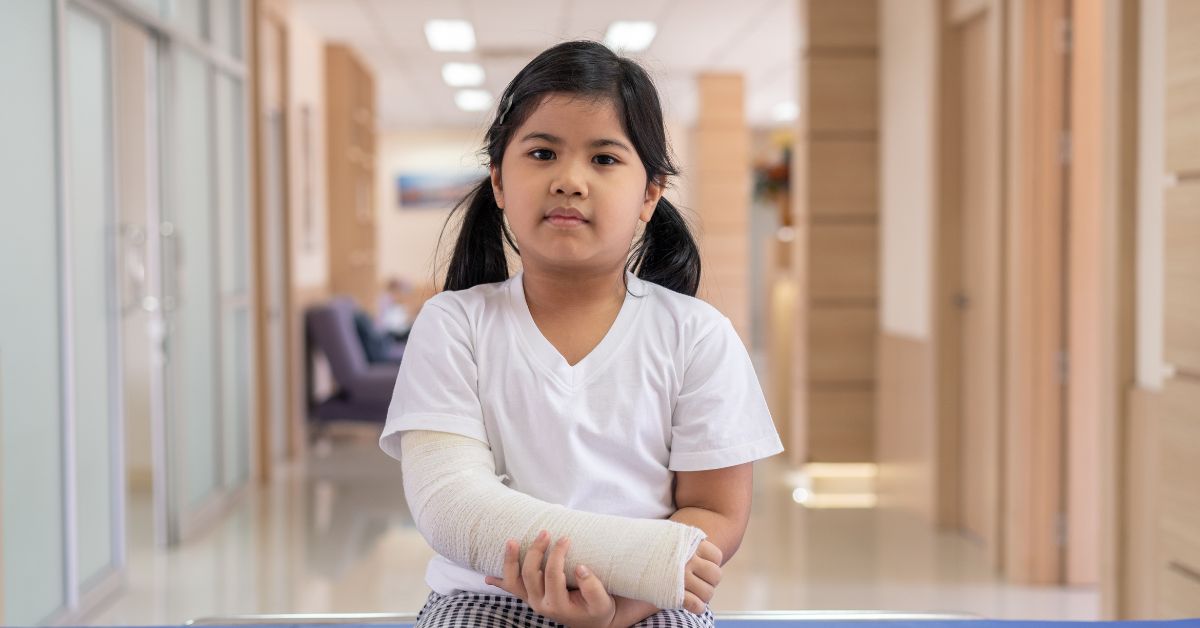
When a child is injured, the situation is evaluated differently because the impact is not just the immediate treatment, but also affects development, stability, and future well-being. Child injury lawyers in Twin Falls focus on understanding how the injury occurred and how it may influence growth, learning, and long-term health. These cases require careful attention to both the conditions that led to the injury and the lasting effects that may not be immediately visible. Establishing what happened involves reviewing supervision, environment, and the actions of those responsible for the child’s safety. Small details can become significant when they explain how the injury could have been prevented. Clarifying those details early helps create a clear picture of responsibility at the start to establish the narrative before any other claims are made to counter the truth.
The consequences of a child’s injury can change over time as future development could be hurt. Child injury lawyers in Twin Falls evaluate how medical care, recovery progress, and future needs connect to the original incident. Other factors, such as additional support, therapy, or long-term monitoring, may be required depending on the severity of the injury. Call Ritchie-Reiersen Injury & Immigration Attorneys at (888) 884-7337 to get a free consultation from our child injury lawyers in Twin Falls today and learn how we can help you.
What Child Injury Lawyers in Twin Falls Review When a Child Is Hurt Under Someone Else’s Care
When a child is injured under someone else’s supervision, the situation is evaluated by examining how responsibility was handled at each stage leading up to the incident. The analysis centers on whether appropriate care, attention, and precaution were in place based on the child’s age and environment. Rather than isolating a single moment, attorneys look at how conditions developed and whether warning signs were present beforehand. This includes identifying gaps in supervision, overlooked hazards, and decisions that allowed risk to increase. A clear timeline helps show how the situation unfolded and where intervention could have occurred. Child injury attorneys in Twin Falls at Ritchie-Reiersen Injury & Immigration Attorneys use this approach to connect the sequence of events to the resulting harm.
Responsibility may involve more than one person or entity, especially when care is shared across different individuals or systems. Evaluating these situations requires comparing expected standards of care against what actually took place in real time. Records, witness accounts, and communication history are reviewed together to understand how decisions were made. When details conflict or appear incomplete, those inconsistencies can point to larger issues in how care was managed. A thorough review helps prevent responsibility from being narrowed too quickly or assigned without full context. In cases like these, child injury lawyers in Twin Falls focus on how each contributing factor influenced the outcome.

Supervision at the Time of Injury
The level of attention provided to a child is examined in relation to the environment and the risks present at the time. Younger children or more active settings require closer monitoring and faster response to changing conditions. Any delay in supervision or lapse in attention can allow a situation to escalate without intervention. Evaluating how supervision was handled helps determine whether proper care was exercised. Timing becomes especially important when comparing when the injury occurred to when assistance was provided. These details establish whether the situation could have been prevented.
Reviewing Attention and Response Timing
Records and observations are used to determine whether the child was actively supervised during critical moments. Periods of inattention can increase the likelihood of preventable incidents. This evaluation connects response timing directly to how the injury developed.
How Supervision Gaps Lead to Preventable Injuries
Unattended moments can allow hazards to go unnoticed or unaddressed. These gaps may create conditions where injury becomes more likely. Lack of consistent supervision often becomes a central factor in assigning responsibility.
Conditions of the Injury Environment
The physical setting where the injury took place is evaluated to determine whether hazards were present and properly managed. Spaces designed for children should account for their movement, awareness, and vulnerability to risk. Unsafe equipment, poor maintenance, or lack of safeguards can contribute to how an injury occurs. Environmental conditions are analyzed alongside the sequence of events to understand their role in the outcome. Identifying these factors helps establish whether the setting itself contributed to the harm. In many situations, findings like these are central to how child injury attorneys in Twin Falls build claims around preventability.
Identifying Hazards Within the Surrounding Area
The location is reviewed to determine whether potential risks were present and whether they were addressed appropriately. Conditions such as damaged equipment or unsafe surfaces are evaluated in relation to the incident. This analysis helps connect environmental factors to the injury.
How Unsafe Conditions Increase Risk for Children
Children may not recognize or avoid hazards in the same way adults do. Unsafe environments can introduce risks that require additional safeguards. These conditions can directly influence how an injury develops.
Actions Taken Before and After the Incident
Events leading up to the injury are reviewed to determine whether reasonable steps were taken to reduce foreseeable risks. Decisions made before the incident can influence how the situation developed and whether it could have been avoided. The response immediately following the injury is also evaluated to determine whether appropriate action was taken. Delayed or inadequate response can affect both the severity of harm and the outcome. These actions are analyzed together to understand how care was managed across the full timeline. This broader view helps define responsibility based on conduct rather than isolated moments.
Evaluating Decision Making Leading Up to the Injury
Actions taken before the incident are examined to determine whether risks were identified and addressed. Failure to act on known hazards can contribute directly to injury. This evaluation helps establish whether proper care standards were followed.
How Response After Injury Affects Case Evaluation
The way an incident is handled after it occurs can influence both recovery and accountability. Delayed care or poor response may worsen the situation. These factors become part of the overall evaluation of responsibility.
Communication Between Care Providers and Guardians
Information shared between caregivers and guardians is reviewed to determine whether relevant details about the child’s needs and condition were properly communicated. Clear communication is essential for maintaining consistent care and identifying risks early. Breakdowns in communication can lead to missed warnings or improper supervision. Evaluating how information was exchanged helps identify whether gaps contributed to the injury. These issues are often revealed through records, reports, and statements provided after the incident. Communication patterns can play a significant role in how responsibility is assigned.
Reviewing Information Shared About the Child’s Care
Documentation and testimony are used to determine whether accurate and complete information was communicated. Missing or unclear details can affect how care decisions are made. This review helps identify coordination issues between caregivers.
How Miscommunication Can Contribute to Injury Outcomes
Failure to share important information can result in overlooked risks or improper care. These breakdowns may allow preventable situations to develop. Miscommunication becomes a contributing factor in how the injury occurred.
How Child Injury Claims Reflect Future Medical and Developmental Needs
Injury cases involving children require forward-looking analysis because the full impact may not be immediately visible at the time of treatment. As a child continues to grow, physical and cognitive changes can reveal complications that were not initially apparent. Child injury lawyers in Twin Falls examine how medical care today connects to potential needs that may arise months or years later. This includes evaluating how healing, development, and daily function may shift over time. Rather than focusing only on the current condition, attention is placed on how the injury may influence future milestones. Child injury lawyers in Twin Falls use this perspective to ensure claims reflect outcomes that extend beyond initial recovery.
Planning for future needs involves connecting medical evidence with projections about how the child’s condition may develop. This requires reviewing treatment progress, specialist evaluations, and patterns in recovery that suggest ongoing care requirements. Attorneys consider how limitations may affect education, physical activity, and independence as the child grows. Documentation is used to support these projections in a way that aligns with how claims are evaluated. Opposing parties may attempt to treat future impact as uncertain, which makes consistent evidence critical. In these situations, child injury lawyers in Twin Falls focus on showing how current conditions indicate likely future consequences.
Long-Term Medical Needs
Recovery does not always follow a fixed timeline when development is still ongoing. Injuries may require additional treatment as the body changes and new demands are placed on affected areas. Follow-up care, therapy, or monitoring can become necessary as growth reveals underlying complications. These needs are evaluated in relation to how the injury interacts with development. Long-term medical planning becomes a key part of understanding the overall impact. Continued care often reflects the lasting nature of the injury.
Reviewing Ongoing Treatment and Specialist Care
Medical records are examined to determine whether additional treatment is expected as the child develops. Specialist evaluations can indicate how conditions may change over time. This review helps define future medical needs tied to the injury.
How Growth Can Reveal Additional Medical Challenges
Changes in the body during growth can expose complications that were not initially visible. These issues may require new or extended treatment. Ongoing development can increase the scope of medical care required.
Effects on Learning and Educational Progress
Injuries can influence a child’s ability to focus, participate, and progress within an educational setting. Cognitive effects or physical limitations may interfere with normal learning routines. These changes can require adjustments in school support or instructional methods. Evaluating educational impact involves reviewing performance, behavior, and any necessary accommodations. Patterns in these areas help show how the injury affects development over time. Educational changes provide insight into broader long-term impact.
Identifying Disruptions in School Performance
Academic records and teacher observations are reviewed to determine whether the injury affected learning. Changes in focus, participation, or performance can indicate underlying issues. This evaluation connects the injury to educational outcomes.
How Developmental Changes Affect Learning Over Time
As a child progresses through different stages, demands on learning increase. Injuries may create challenges that become more noticeable with time. These effects can influence long-term educational development.
Changes in Physical Development and Daily Function
Physical injuries can alter how a child moves, balances, or performs everyday activities as development continues. Limitations may become more apparent as expectations for physical ability increase with age. These changes can affect participation in sports, play, and routine movement. Evaluating physical development involves comparing expected ability to actual function over time. Patterns in these changes help explain how the injury continues to affect daily life. Physical limitations often evolve as the child grows.
Monitoring Mobility and Functional Progression
Medical evaluations are used to assess how movement and coordination change over time. Differences between expected and actual development can indicate lasting effects. This review helps define how physical ability is impacted.
How Physical Limitations Expand Over Time
As activities become more demanding, limitations may affect a wider range of functions. Tasks that were once manageable may become more difficult. These changes highlight the long-term impact of the injury.
Future Care and Long-Term Planning Considerations
Long-term planning involves understanding how the injury may influence future independence and daily living. Care needs may evolve as the child ages and faces new challenges. This can include continued supervision, medical support, or lifestyle adjustments. Evaluating these needs requires connecting current conditions to future expectations. Documentation is used to support how these projections are formed. Planning ahead ensures that future impact is considered within the claim.
Evaluating Anticipated Support and Care Needs
Medical opinions and recovery patterns are reviewed to determine expected future support. These assessments help identify whether assistance will be required long-term. This evaluation connects the present condition to future care needs.
How Long-Term Planning Shapes Claim Value
Future needs must be included when determining the full impact of the injury. Ignoring these factors can result in incomplete recovery. Long-term planning ensures compensation reflects ongoing requirements.
How Ritchie-Reiersen Injury & Immigration Attorneys Connects Early Injury Evidence to Long-Term Outcomes
Initial medical findings provide more than a snapshot of a child’s condition, especially when those findings are evaluated in relation to how development may progress over time. Ritchie-Reiersen Injury & Immigration Attorneys builds child injury cases by examining how early diagnoses, imaging, and treatment responses indicate potential long-term effects. The focus extends beyond immediate symptoms to identify patterns that suggest how the injury may evolve as the child grows. This requires connecting early documentation to future expectations rather than treating each stage separately. Evidence must show how the injury is likely to influence physical ability, cognitive function, or daily activity over time. This approach allows long-term outcomes to be grounded in observable medical data from the beginning.
Translating early evidence into long-term impact also involves aligning medical insight with real-world changes in the child’s life. Ritchie-Reiersen Injury & Immigration Attorneys organizes child injury claims to demonstrate how initial findings relate to education, behavior, and independence as development continues. Each piece of documentation is used to support how the injury may affect future needs, including care, supervision, and adaptation. Attorneys focus on presenting these connections in a way that remains clear and consistent throughout the claim process. Opposing parties may attempt to separate early findings from later outcomes, which makes continuity essential. Establishing that continuity ensures the claim reflects how early evidence supports long-term consequences.

Early Medical Findings After the Injury
Initial evaluations often reveal indicators that help predict how the condition may develop over time. Diagnostic imaging, physician assessments, and treatment responses provide insight into the severity and nature of the injury. These findings are analyzed in relation to how growth may affect recovery or reveal additional complications. Patterns within early medical data can suggest whether the injury will require ongoing care. Understanding these indicators helps define how long-term outcomes are expected to unfold. Early medical findings serve as the foundation for projecting future impact.
Reviewing Diagnostic Results and Treatment Response
Medical records are examined to determine how the injury was initially diagnosed and managed. Treatment response can indicate whether recovery is progressing as expected or if complications are likely. This review helps connect early findings to potential future needs.
How Early Data Supports Long-Term Outcome Projections
Consistent medical indicators can show how the injury is likely to affect development over time. These patterns provide a basis for estimating future care and limitations. Early data becomes essential in supporting long-term projections.
Changes That Appear During Recovery
Recovery does not always follow a predictable path, particularly when development introduces new physical or cognitive demands. Observing how the child responds over time can reveal issues that were not immediately visible. These changes are tracked through follow-up care, therapy, and ongoing evaluations. Patterns in recovery help indicate whether additional intervention may be required. Identifying these developments early helps clarify how the injury continues to affect the child. Changes during recovery provide insight into evolving impact.
Tracking Progress Through Follow-Up Evaluations
Medical follow-ups are used to monitor how the child’s condition changes as recovery continues. These evaluations can reveal improvements, stagnation, or new concerns. Tracking progress helps connect recovery patterns to long-term expectations.
How Emerging Issues Indicate Ongoing Impact
New symptoms or complications may appear as the child grows and faces new demands. These developments can signal that the injury has lasting effects. Emerging issues help define the scope of future needs.
Developmental Milestones and Functional Changes
Growth introduces new expectations for movement, learning, and independence that can highlight the effects of an injury over time. Differences between expected and actual development may indicate lasting limitations. These changes are evaluated across physical, cognitive, and behavioral areas. Attorneys examine how the injury influences the ability to meet typical milestones. Patterns in delayed or altered development help explain long-term impact. Developmental changes provide measurable evidence of ongoing effects.
Comparing Expected and Actual Development
Developmental benchmarks are used to assess whether progress aligns with typical patterns. Variations may indicate that the injury is affecting growth or function. This comparison helps identify long-term consequences.
How Developmental Differences Strengthen Long-Term Claims
Delays or changes in development can demonstrate how the injury continues to affect the child. These differences provide clear evidence of lasting impact. Developmental changes support claims for future needs.
Future Needs Based on Early Evidence
Planning for the future requires understanding how early findings relate to ongoing care, support, and adaptation. Medical projections, therapy recommendations, and specialist opinions are used to define expected needs. These projections are based on patterns observed during early and ongoing evaluation. Attorneys connect these findings to how the child’s life may be affected in practical terms. This includes considering education, independence, and daily function. Future needs are established through consistent and supported analysis.
Evaluating Long-Term Care and Support Requirements
Medical opinions are reviewed to determine whether continued care or assistance will be necessary. These evaluations help define how the injury may affect future independence. This process connects early evidence to ongoing support needs.
How Future Planning Shapes the Scope of the Claim
Projected needs must be included to fully represent the impact of the injury. Ignoring these factors can lead to incomplete compensation. Future planning ensures the claim reflects long-term consequences.
Call Ritchie-Reiersen Injury & Immigration Attorneys Today for a Free Consultation
After an injury involving a child, questions tend to move from what happened to what the future may look like as development continues. Changes in health, learning, or daily function do not always appear immediately, which can make it difficult to understand the full impact without a closer evaluation or future monitoring. Child injury lawyers in Twin Falls help families look at how early medical findings connect to what may develop over time. This includes reviewing how recovery is progressing and if additional care may be needed later.
Ritchie-Reiersen Injury & Immigration Attorneys works with families to build claims that reflect both current conditions and future needs as they become clearer. Each case is developed around how the injury affects growth and long-term stability. This approach keeps the focus on what matters most as the child continues to develop. Call us at (888) 884-7337 or visit our contact page for a free case review today from our child injury lawyers.








Get In Touch
Schedule a Free Legal Consultation With Us
If you or a loved one needs the assistance of a personal injury or immigration attorney, don’t hesitate to reach out. Ritchie-Reiersen Injury & Immigration Attorneys can help you with their extensive experience.
- Proven results
- Years of courtroom experience
- No upfront costs for injury clients
- We are available 24/7 for clients