Boat Accident Lawyers in Auburn
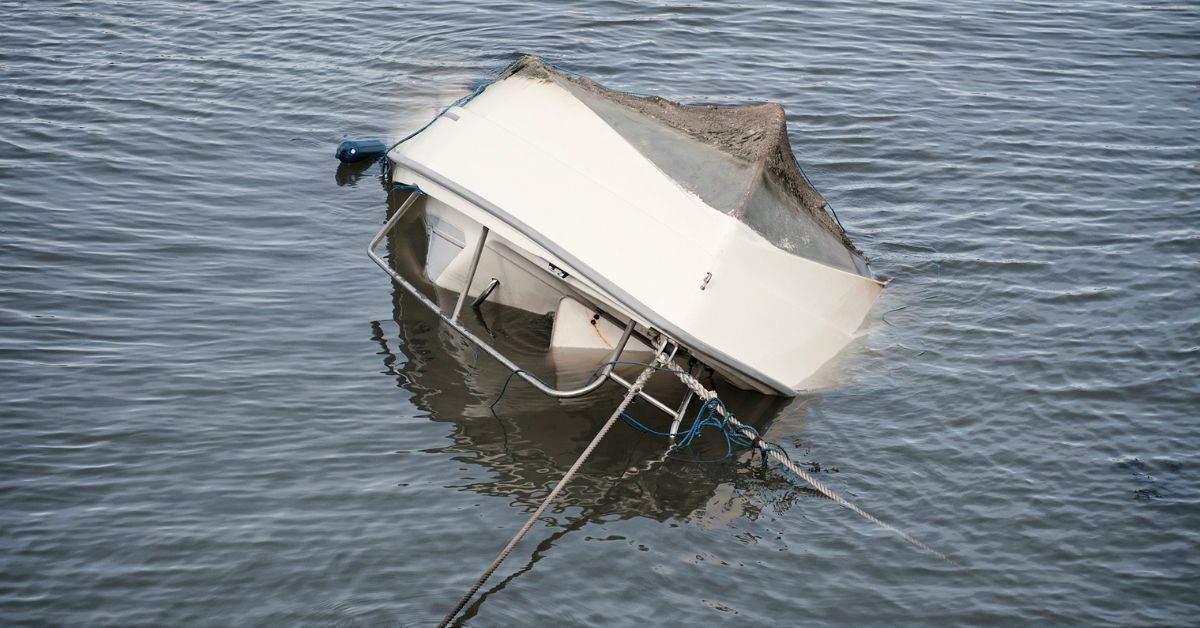
Boating carries risks that differ significantly from roadway collisions. A boat crash may involve operator inexperience, equipment malfunction, excessive speed, intoxication, or failure to follow navigational rules. Unlike motor vehicle accidents, liability on the water can depend on local safety requirements and shared operator responsibilities. Determining fault requires careful reconstruction of how the collision occurred and which safety standards were violated. Many injured individuals consult boat accident lawyers in Auburn to evaluate their legal options after a serious boating injury.
Boat accident lawyers in Auburn examine boat operation logs, marine patrol reports, witness accounts, and injury documentation to identify responsible parties. Liability may extend to boat operators, rental companies, maintenance providers, or manufacturers depending on the cause of the crash. Ritchie-Reiersen Injury and Immigration Attorneys approaches boating injury cases with structured investigation and detailed damage assessment specific to boat incidents. Call us at (888) 884-7337 or visit our contact page to schedule a free consultation regarding your boat accident claim.
Determining Fault in Auburn Boating Injury Claims
Boating collisions and watercraft injuries require a liability analysis distinct from roadway accident claims. Fault may depend on navigational rules, operator conduct, equipment condition, and compliance with state and federal boating regulations. Unlike motor vehicle crashes, responsibility on the water often involves shared duties between operators and vessel owners. Establishing fault demands careful reconstruction of vessel movement, environmental conditions, and adherence to safety standards. Accurate reconstruction shapes liability allocation.
Boat accident lawyers in Auburn investigate marine patrol reports, witness statements, vessel inspection records, and operator credentials to determine how the incident occurred. In some cases, alcohol impairment, excessive speed, or failure to maintain a proper lookout may contribute to the crash. Other incidents involve mechanical failure or unsafe rental practices by commercial operators. Each contributing factor must be supported by evidence rather than assumption. Evidence-based analysis supports compensation claims.
Operator Negligence and Navigational Errors
Boat operators owe a duty to operate their vessels responsibly and in accordance with established safety regulations. Failure to maintain a proper lookout, disregard for no-wake zones, or unsafe maneuvering near other vessels may constitute negligence. Investigators evaluate whether the operator followed right-of-way rules and maintained appropriate speed for conditions. Water visibility, traffic density, and weather may influence standard-of-care analysis. Navigational compliance affects liability determination.
Evaluating Right-of-Way Violations
Certain boating scenarios require one vessel to yield to another based on direction and positioning. Attorneys review marine patrol findings and eyewitness accounts to assess compliance with right-of-way rules. Failure to yield may establish primary fault. Documented violation strengthens negligence claims.
Assessing Lookout Responsibilities
Operators must remain attentive to surrounding vessels, swimmers, and floating hazards. Distracted or inattentive operation may contribute directly to collision. Witness statements may clarify whether proper vigilance was maintained.
Alcohol and Impairment Factors
Operating a vessel under the influence of alcohol or controlled substances significantly increases collision risk. Marine law enforcement often conducts field sobriety or breath testing following serious incidents. Impairment evidence may strengthen liability claims and affect punitive considerations in certain circumstances. Establishing intoxication requires documented testing results or credible witness testimony. Intoxication findings influence fault allocation.
Reviewing Marine Patrol Reports
Official incident reports frequently include observations regarding operator behavior and potential impairment. Attorneys obtain and analyze these reports to determine whether alcohol played a role. Law enforcement documentation carries significant evidentiary weight. Official findings support liability arguments.
Examining Toxicology Results
Where testing was conducted, blood alcohol concentration levels may provide objective impairment evidence. Attorneys review lab results and chain-of-custody procedures for reliability. Proper documentation strengthens evidentiary presentation.
Mechanical Failure and Equipment Defects
Not all boating accidents result from operator error. Defective steering systems, throttle malfunctions, or engine failures may contribute to loss of control. In such cases, liability may extend to maintenance providers, rental companies, or manufacturers. Determining mechanical contribution requires inspection records and expert evaluation. Equipment analysis broadens liability inquiry.
Investigating Maintenance History
Routine maintenance records may reveal whether the vessel was properly serviced before the accident. Neglected repair issues can indicate foreseeable mechanical failure. Documentation gaps may suggest inadequate upkeep. Maintenance evidence informs negligence analysis.
Evaluating Manufacturer Responsibility
Product defects involving steering systems, fuel lines, or safety equipment may trigger manufacturer liability. Attorneys review recall notices and engineering reports when defect is suspected. Product analysis expands potential recovery sources.
Environmental and Waterway Conditions
Water conditions, weather changes, and visibility limitations can influence boating safety. Operators must adjust speed and navigation in response to environmental risks. Failure to account for crowded waterways or sudden weather shifts may constitute negligent conduct. Environmental factors must be considered alongside operator decisions. Condition awareness affects responsibility evaluation.
Assessing Weather and Visibility
Sudden wind changes or reduced visibility may alter safe navigation standards. Attorneys review weather data and incident timing to evaluate operator response. Failure to adapt may support negligence claims. Environmental documentation strengthens fault analysis.
Reviewing Waterway Traffic Patterns
High-traffic areas require heightened vigilance and controlled vessel speed. Attorneys examine whether the operator accounted for congestion. Navigational decisions under crowded conditions influence liability findings.
How Boat Accident Lawyers in Auburn Evaluate Injury Severity and Long-Term Impact
Boating collisions can cause catastrophic injuries that alter a person’s health, income, and independence. Boat accident lawyers in Auburn examine not only the initial hospital treatment but also how the injury may affect long-term mobility, cognitive function, and earning capacity. Water-related trauma frequently involves high-impact forces, submersion risks, or propeller contact that create complex medical complications. Insurance carriers may attempt to minimize injuries that require ongoing care or rehabilitation. Careful medical evaluation protects full financial recovery.
Boat accident lawyers in Auburn work with medical providers to understand future treatment needs before negotiating any settlement. Injuries sustained on the water may involve delayed neurological symptoms, infection risks, or respiratory complications that do not appear immediately. Accepting early compensation before prognosis is clear can significantly undervalue a claim. Legal strategy must account for both current loss and projected impact. Long-term planning strengthens compensation outcomes.
Traumatic Brain and Spinal Injuries
High-speed vessel collisions and ejections into the water can result in traumatic brain injury or spinal cord damage with lifelong consequences. Symptoms may include memory disruption, headaches, balance impairment, reduced coordination, or chronic pain that interferes with employment and daily life. Attorneys review neurological evaluations, imaging studies, and rehabilitation plans to determine how these impairments affect earning capacity and independence. Mild brain injuries may appear manageable initially but worsen over time without proper documentation. Neurological impact must be fully valued before settlement.
Connecting Diagnostic Findings to Legal Damages
Imaging studies and specialist evaluations provide objective proof of neurological injury, but insurance companies frequently challenge how those findings translate into real-world limitations. Attorneys work with physicians to obtain written opinions explaining how cognitive decline, concentration deficits, or motor impairment affect employment reliability and daily functioning. Detailed medical narratives help establish the financial implications of neurological harm. Clear linkage between diagnosis and lost earning capacity strengthens recovery positioning.
Evaluating Long-Term Care and Support Needs
Serious brain and spinal injuries may require ongoing therapy, assistive devices, medication management, or long-term supervision. Attorneys analyze projected treatment plans and associated costs to ensure that settlement discussions account for future medical obligations. Life care planning may be necessary when permanent impairment is involved.
Drowning and Oxygen Deprivation Injuries
Near-drowning incidents can cause oxygen deprivation that affects brain function, lung capacity, and overall health stability. Even brief submersion may lead to delayed cognitive deficits or respiratory complications that require monitoring. Attorneys review emergency response records and hospitalization documentation to understand the duration of oxygen loss and potential long-term consequences. Submersion injuries often require extended observation and follow-up treatment. Hypoxic trauma significantly increases claim value.
Reviewing Emergency Stabilization and Resuscitation Records
Emergency medical reports document oxygen saturation levels, airway management procedures, cardiac response, and neurological responsiveness immediately after rescue. Attorneys examine whether prolonged oxygen deprivation occurred and whether resuscitation efforts indicate severe hypoxia. These records frequently serve as critical evidence when establishing long-term neurological risk. Emergency documentation provides measurable indicators of injury severity.
Monitoring Delayed Respiratory and Cognitive Complications
Water inhalation can introduce bacteria and contaminants into the lungs, leading to pneumonia or long-term pulmonary restriction. Hypoxic episodes may also contribute to delayed cognitive or memory impairment that becomes evident days or weeks later. Attorneys evaluate follow-up medical assessments to ensure evolving complications are incorporated into the claim.
Orthopedic and Propeller Injuries
Propeller strikes and forceful impact against vessel surfaces may cause deep lacerations, fractures, ligament tears, and permanent scarring. These injuries often require surgical intervention, wound management, and months of rehabilitation. Attorneys gather operative reports, surgical photographs when available, and specialist evaluations to determine the degree of permanent limitation. Reduced mobility or chronic pain may interfere with employment duties and daily activity. Permanent impairment increases total recovery exposure.
Documenting Surgical Procedures and Rehabilitation Progress
Operative reports describe the internal damage sustained and the complexity of the surgical repair performed. Attorneys review postoperative records to determine whether complications occurred or whether hardware implantation was necessary. Rehabilitation documentation often reveals whether strength, flexibility, and range of motion return fully or remain compromised. Surgical and therapy records establish measurable long-term impact.
Assessing Functional Limitation and Visible Disfigurement
Visible scarring or reduced physical capability may affect both occupational performance and personal well-being. Attorneys evaluate physician impairment ratings, work restrictions, and scar assessment reports to determine how these injuries influence earning potential and quality of life. Long-term functional limitations must be fully reflected in compensation demands.
Wrongful Death Claims After Fatal Boating Accidents
Fatal boating accidents leave families facing emotional devastation and sudden financial instability. When negligence, intoxication, equipment failure, or reckless vessel operation causes loss of life, Washington law permits certain surviving family members to pursue a wrongful death claim. Boat accident lawyers in Auburn investigate fatal watercraft incidents to determine whether navigational violations, impaired operation, or mechanical defects contributed to the tragedy. Establishing liability in fatal cases requires careful reconstruction and documentation of regulatory breaches. Structured investigation supports accountability for preventable deaths.
Wrongful death claims may include recovery for financial support loss, funeral expenses, and the intangible loss of companionship suffered by surviving family members. Maritime conditions often complicate fatal boating cases, particularly when multiple vessels or commercial operators are involved. Insurance coverage, vessel ownership records, and marine patrol findings must be analyzed promptly to prevent loss of critical proof. Early legal intervention helps preserve documentation and witness accounts before memories fade. Timely action protects wrongful death claim viability.
Establishing Negligence in Fatal Watercraft Collisions
Fatal boating accidents frequently result from operator inattention, excessive speed, failure to yield, or impaired vessel operation. Attorneys analyze marine patrol reports, eyewitness testimony, vessel damage patterns, and environmental conditions to determine how the fatal collision unfolded. In cases involving intoxication, blood alcohol testing results and officer observations may establish a clear breach of safety standards. Mechanical defects or rental company negligence may also contribute to liability in fatal events. Clear causation strengthens wrongful death claims.
Analyzing Marine Patrol and Official Accident Reports
Official boating accident reports typically contain scene diagrams, operator statements, weather observations, and preliminary fault assessments prepared by responding officers. Attorneys scrutinize these reports for inconsistencies, regulatory violations, or admissions that may support negligence findings. Detailed examination of official documentation helps clarify the sequence of events and identify responsible parties. Thorough report analysis strengthens the evidence foundation for litigation.
Preserving Physical, Mechanical, and Electronic Evidence
Fatal incidents may involve vessel debris, onboard data systems, engine diagnostics, or GPS navigation records that reveal speed and maneuvering patterns. Attorneys act promptly to secure inspection of vessels before repairs or alterations occur. Electronic and mechanical evidence may prove decisive when fault is disputed.
Determining Eligible Family Members and Recoverable Damages
Washington wrongful death statutes define which surviving relatives may initiate legal action and the categories of damages available. Typically, spouses, domestic partners, and children may pursue compensation for economic loss and loss of companionship. In certain circumstances, financially dependent parents or siblings may also qualify under statutory provisions. Identifying the correct claimant structure is essential before filing suit. Proper claimant designation prevents procedural dismissal risks.
Calculating Economic Loss to Surviving Family Members
Fatal boating accidents often eliminate a primary wage earner whose income supported household expenses and future financial planning. Attorneys analyze employment history, earnings trajectory, benefits, and anticipated career advancement to estimate long-term financial loss. Economic experts may be retained to project lifetime earnings and inflation-adjusted contributions. Detailed economic modeling strengthens compensation calculations.
Valuing Loss of Companionship and Parental Guidance
Beyond financial loss, surviving family members endure the absence of emotional support, shared experiences, and parental guidance. Attorneys present testimony, family records, and relationship documentation to illustrate the depth of the personal loss suffered. Courts recognize these intangible harms as compensable under wrongful death law.
Coordinating Multi-Party Liability in Fatal Boating Cases
Fatal boating accidents sometimes involve several vessels, rental operators, commercial tour providers, or equipment manufacturers. Determining shared responsibility requires examination of vessel ownership, operator training credentials, maintenance compliance, and applicable maritime regulations. Insurance policies may differ significantly between private boat owners and commercial entities, affecting recovery strategy. Coordinating claims across multiple defendants demands careful procedural planning. Multi-party litigation increases case complexity substantially.
Evaluating Commercial Vessel Safety Compliance
Commercial operators must adhere to inspection schedules, crew training standards, passenger safety protocols, and vessel maintenance requirements. Attorneys review licensing documentation, maintenance logs, and prior safety violations to determine whether regulatory noncompliance contributed to the fatal incident. Evidence of repeated safety failures may strengthen negligence claims significantly. Regulatory violations elevate exposure to civil liability.
Structuring Claims Across Multiple Defendants
When more than one party contributed to the fatal event, claims must be aligned carefully to avoid conflicting procedural positions. Attorneys analyze comparative fault principles, insurance coverage layers, and indemnity relationships between defendants. Coordinated strategy ensures that liability is allocated accurately while maximizing available recovery sources.
What Sets Ritchie-Reiersen Injury and Immigration Attorneys Apart in Boat Accident Cases

Boating accidents require investigation methods that differ from roadway collision cases. Ritchie-Reiersen Injury and Immigration Attorneys approaches vessel injury claims with a focus on navigational compliance, operator conduct, equipment integrity, and environmental conditions present at the time of the crash. Boat accident lawyers in Auburn at the firm analyze marine patrol findings, vessel damage patterns, and applicable waterway regulations to build structured liability arguments. Maritime-specific considerations demand more than standard accident reconstruction. Focused preparation strengthens complex boating injury claims.
Serious watercraft incidents often involve catastrophic injuries or fatal outcomes that require disciplined damage analysis and coordinated litigation planning. The firm evaluates insurance coverage layers, potential commercial involvement, and regulatory violations before engaging in negotiations. Early strategic decisions influence whether settlement discussions or courtroom proceedings will best protect the injured person’s interests. Every boating case is approached with the understanding that trial readiness affects negotiation leverage. Litigation preparation increases recovery potential.
Maritime-Focused Investigation
Effective boating injury representation begins with understanding how vessels operate under state and federal safety standards. Attorneys examine right-of-way rules, speed restrictions, intoxication regulations, and equipment compliance requirements to determine whether the operator deviated from accepted practices. Marine patrol documentation, witness accounts from nearby vessels, and environmental data are analyzed to reconstruct the sequence of events accurately. This investigation often extends beyond surface-level police reporting. Detailed maritime review clarifies liability structure.
Securing Vessel Inspection and Maintenance Records
Maintenance logs, repair invoices, and inspection reports may reveal whether mechanical issues contributed to the collision. Attorneys request documentation from private owners, rental companies, or commercial operators to determine whether safety obligations were satisfied. Failure to maintain steering systems, lighting, or safety equipment may support negligence findings. Mechanical documentation strengthens evidentiary foundation.
Coordinating Expert Marine Analysis
Complex cases may require consultation with marine accident reconstruction specialists to evaluate vessel movement and operator decision-making. Expert analysis can clarify whether speed, angle of impact, or environmental factors influenced the outcome. Early expert involvement strengthens litigation posture.
Strategic Case Development
Boating injury claims require careful coordination of liability evidence and medical documentation. Attorneys align medical records with accident reconstruction findings to demonstrate how specific negligent conduct caused defined injuries. Settlement strategy is built around documented impairment, projected medical needs, and financial loss rather than generalized assertions. Insurance carriers respond differently when confronted with organized, evidence-backed claims. Structured case development influences negotiation dynamics.
Integrating Medical and Regulatory Evidence
Medical opinions must connect injury severity directly to the regulatory violations identified during investigation. Attorneys ensure that treating physicians understand the mechanics of the collision when providing written evaluations. Clear linkage between conduct and harm strengthens damage presentation. Integrated evidence increases settlement leverage.
Evaluating Long-Term Financial Exposure
Serious boating injuries may require extended rehabilitation, assistive devices, or ongoing specialist care. Attorneys calculate projected lifetime costs when appropriate and incorporate those figures into demand strategy. Long-term cost assessment supports comprehensive recovery demands.
Trial-Ready Representation
While many boating injury claims resolve through negotiated settlement, preparation for trial remains central to case strategy. Attorneys prepare witness testimony, evidentiary exhibits, and expert analysis as though courtroom presentation may become necessary. Insurance carriers evaluate risk differently when aware that litigation is a credible option. Procedural readiness influences settlement posture. Trial preparation strengthens the overall bargaining position.
Preparing Witnesses and Documentary Evidence
Witness credibility and organized documentation often determine the strength of a boating injury case at trial. Attorneys review testimony for consistency and ensure that exhibits clearly illustrate vessel positioning and injury impact. Courtroom organization enhances persuasive presentation.
Managing Multi-Party Litigation Strategy
Boating accidents may involve multiple operators, rental companies, or manufacturers sharing potential responsibility. Coordinating claims across defendants requires careful procedural alignment and strategic sequencing. Structured litigation planning reduces exposure to inconsistent defenses.
Call Our Boat Accident Lawyers in Auburn to Get a Free Case Review Today
A serious boating accident can leave you facing medical uncertainty, financial disruption, and complex liability questions that demand immediate attention. Acting quickly allows evidence to be preserved, vessel inspections to be conducted, and marine patrol findings to be analyzed before critical details are lost. Boat accident lawyers in Auburn evaluate operator conduct, regulatory compliance, and long-term medical impact with a strategy designed to protect the full value of your claim.
If you or a family member suffered injuries in a boating collision, informed representation can shape the outcome of your recovery. Boat accident lawyers in Auburn at Ritchie-Reiersen Injury and Immigration Attorneys prepare cases with disciplined investigation and trial-ready strategy. Call (888) 884-7337 or visit our contact page to schedule a free consultation regarding your boating accident claim.








Get In Touch
Schedule a Free Legal Consultation With Us
If you or a loved one needs the assistance of a personal injury or immigration attorney, don’t hesitate to reach out. Ritchie-Reiersen Injury & Immigration Attorneys can help you with their extensive experience.
- Proven results
- Years of courtroom experience
- No upfront costs for injury clients
- We are available 24/7 for clients