Bicycle Accident Lawyers in Moses Lake
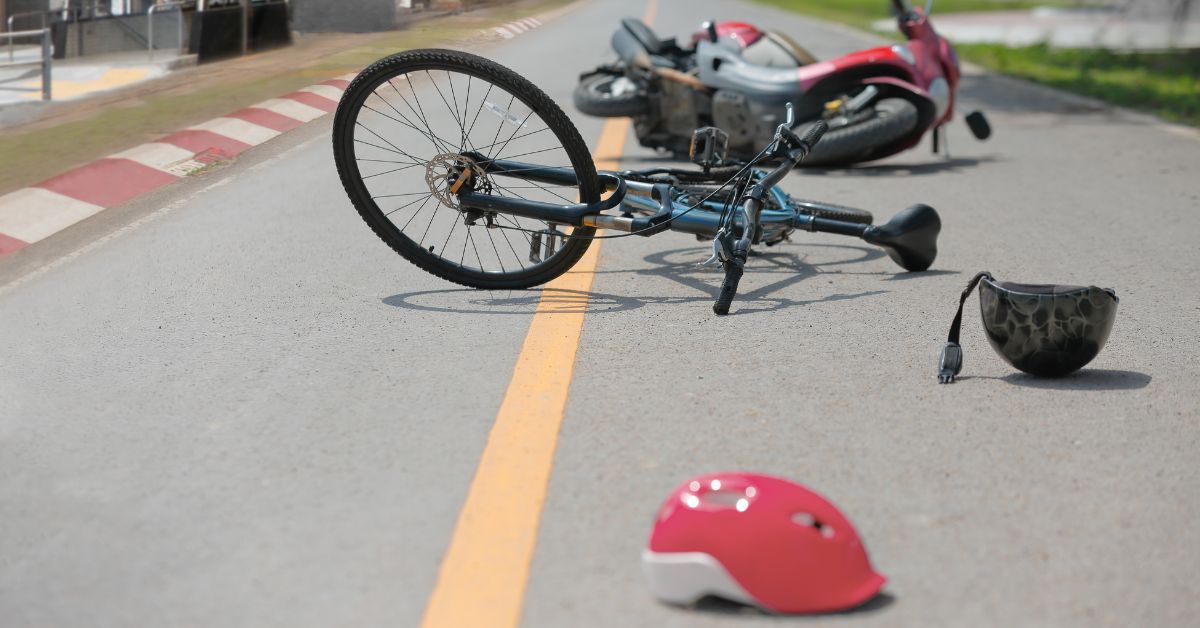
Bicycle Accident Lawyers in Moses Lake offer much-needed guidance for clients who must prove fault when the driver blames visibility, lane position, or sudden movement. These cases can involve collisions near shopping corridors, residential connectors, and higher-speed stretches where a bike has far less margin for error than a car. Medical consequences also tend to build over time, since fractures, head injuries, and soft tissue trauma can limit work, sleep, and mobility long after the initial ER visit.
At Ritchie-Reiersen Injury & Immigration Attorneys, we represent cyclists injured in motor vehicle collisions seeking long-term clarity and full compensation for both current and future losses. Our team investigates right-of-way issues, documents roadway conditions, and identifies the records that can confirm how a crash occurred. This includes video, witness accounts, and vehicle damage patterns. We also build the injury narrative around functional limitations, follow-up treatment, and wage impact so the claim reflects true-to-life consequences rather than a short-term medical snapshot. When insurers try to reduce value through comparative fault arguments or lowball offers, we push back.
Call Ritchie-Reiersen Injury & Immigration Attorneys at (888) 884-7337 to schedule a free consultation.
Injured in a Bicycle Accident in Moses Lake? Let Ritchie-Reiersen Protect Your Rights
After a bicycle crash, you often face two tracks at once, medical recovery and the insurance process. Many cyclists underestimate how quickly insurers start collecting information that can later be used to reduce compensation, including comments at the scene, early medical notes, and property damage details. For Ritchie-Reiersen Injury and Immigration Attorneys, protecting your rights means controlling communication, preserving key records, and making sure the claim reflects the full impact of the injury on work, mobility, and daily life. It also means building the case in a way that anticipates common attempts to shift blame onto the cyclist.
Bicycle Accident Claim Protection That Starts Before the First Adjuster Call
Insurers may contact you quickly and ask questions that seem routine but carry legal consequences. A strong approach keeps your statements accurate and limited to what you can confirm, since speculation about speed, lane placement, or visibility can create avoidable problems later. Legal representation can take over communications so you can focus on medical care without constant pressure to respond. When the case file stays consistent from the start, your claim becomes harder to discount through selective quotes or incomplete context.
Managing Recorded Statements and Informal Conversations After a Bike Crash
Adjusters sometimes ask for a recorded statement before you have full medical information or a clear understanding of the crash dynamics. They may also frame questions to prompt admissions about distraction, headphones, clothing color, or whether you “could have” avoided the collision. These questions often aim to build comparative fault, not to clarify the truth. A lawyer can help ensure the claim stays anchored to provable facts, including the driver’s duty to yield and maintain a safe distance.
Protecting Your Claim from Social Media and Activity Misinterpretation
Insurers sometimes monitor social media posts and use photos to argue that an injury resolved or that limitations were exaggerated. Normal life activities can look misleading on camera, especially when pain and restrictions do not show clearly. A careful approach helps you understand how to avoid accidental contradictions while still living your life. Clear medical documentation also matters because it explains why certain activities remain difficult even when you try to stay active.
Building a Strong Bicycle Accident Case File That Supports Full Compensation
A bicycle accident claim rises or falls on how clearly it connects the crash to your medical needs and financial loss. That requires more than collecting bills, since the most important question often involves what the injury prevents you from doing and how long those limits will last. A well-built file includes treatment progression, work restrictions, and the functional changes that affect everyday routines. This groundwork supports a compensation demand that reflects future care, not just the first wave of expenses.
Medical Documentation That Shows Progression in Cycling Injury Claims
The first medical visit often captures only immediate complaints and may miss symptoms that develop later, such as concussion effects or radiating back pain. Follow-up care, specialist evaluations, and physical therapy notes can show how the injury actually impacts balance, endurance, or range of motion. When that record stays consistent, it becomes easier to defend the claim against arguments that the injury was minor. A lawyer can help keep the documentation organized so the insurer sees the injury as a developing medical picture rather than a one-time event.
Wage Loss and Work Disruption Proof for Bike vs Motor Vehicle Crash Injury Victims
Cyclists often lose income through missed shifts, reduced hours, or limitations that affect job performance. This becomes harder to prove when work involves variable schedules, seasonal hours, or self-employment. A strong case uses records that show time missed, restrictions imposed, and the practical effects of the injury on earning ability. When the wage loss narrative is well-supported, insurers have less room to argue that income loss was optional or unrelated.
What Ritchie-Reiersen Does to Protect Cyclists from Insurance Minimization
Insurance companies often try to turn a bicycle crash into a shared fault story by focusing on lane position, lighting, or alleged unpredictability. They may also minimize injuries by calling them soft tissue issues even when treatment shows lasting limitations. Ritchie-Reiersen Injury & Immigration Attorneys addresses these tactics by building a proof-focused record and by presenting damages in a way that reflects real-life impact. The goal is to keep responsibility and valuation tied to credible documentation rather than insurer framing.
Comparative Fault Arguments That Commonly Target Moses Lake Cyclists
Comparative fault claims often include allegations that the cyclist rode too far from the curb, failed to use reflective gear, or moved unexpectedly. Drivers may also claim the cyclist ignored a stop sign or appeared suddenly, even when the driver’s own inattention drove the collision. A strong response examines the scene, traffic controls, and right-of-way duties to assess how the crash likely occurred. When the facts support the cyclist, careful case development can limit fault-shifting and protect settlement value.
Preventing Early Settlement Decisions That Leave Future Care Unpaid
Early offers often arrive before the full medical timeline becomes clear, especially when therapy, imaging, or specialist care is still pending. Accepting too soon can leave you paying out of pocket later for treatment that was reasonably tied to the crash. A lawyer can help evaluate settlement timing so the demand reflects anticipated care, not just what happened in the first weeks. That planning protects long-term recovery and improves the likelihood of a settlement that truly covers the cost of moving forward.

How a Moses Lake Bicycle Accident Attorney Builds a Strong Claim
A strong bicycle accident claim does not rely on one dramatic detail, it relies on a consistent record that explains how the crash happened and how the injury changed your life. Cyclists often face immediate blame shifting, so the legal strategy should lock in objective proof before memories drift and evidence disappears. A Moses Lake bicycle accident attorney also treats the early weeks as case-building time, since medical decisions, work restrictions, and documentation habits can directly affect claim value. When the file stays coherent from the start, insurers have less room to argue uncertainty about fault or to reduce compensation through selective interpretation.
Crash Investigation Methods That Strengthen Bicycle Accident Claims in Moses Lake
Many bicycle cases improve once the claim moves beyond the initial police narrative and into a focused investigation. Scene documentation can clarify sight lines, lane markings, right-of-way controls, and the practical space the cyclist had available. Vehicle damage patterns and bike impact points can also confirm speed, angle, and driver positioning in ways that contradict blame shifting. When the investigation produces a clear story supported by objective facts, it becomes easier to negotiate from a position of confidence.
Using Video, Witness Accounts, and Roadway Features to Confirm Bike Crash Fault
Surveillance video, dashcam footage, and nearby business cameras often provide the clearest proof of driver behavior. Witness statements matter as well, especially when they address driver distraction, unsafe turns, or failure to yield. Roadway features such as signage, crosswalk design, and lane width can also show whether the driver had a reasonable opportunity to avoid the collision. A lawyer can help secure these items quickly and present them in a clean format that prevents insurers from dismissing them as incomplete.
Mapping the Timeline to Prevent Shifting Explanations from the Driver
Drivers sometimes change their story after speaking with insurers, and small shifts can create confusion if the timeline is not locked in early. A strong approach documents what the driver said at the scene, what the police report reflects, and what later statements attempt to add or alter. Consistent time stamps from phone records, dispatch logs, and nearby video sources can also help. When the timeline stays stable, the defense has fewer opportunities to introduce doubt.
Legal Strategy for Right-of-Way and Comparative Fault Disputes
Bicycle claims often turn into arguments about lane position, visibility, and whether the cyclist should have predicted the driver’s mistake. A bicycle accident attorney focuses on the driver’s duty to yield, maintain a safe passing distance, and avoid unsafe turns across a cyclist’s path. Comparative fault becomes a valuation issue when insurers claim the cyclist contributed to the crash, so the strategy must address those arguments with facts rather than emotion. A disciplined case plan treats comparative fault as a problem to be solved early, not a debate left for the end of negotiations.
Turning Blame-Shifting into a Documented Liability Analysis
Insurance adjusters often raise issues like lighting, clothing color, reflective gear, or whether the cyclist used the “best” route. Those points can distract from the central issue, whether the driver acted with reasonable care and followed traffic duties. A strong liability analysis uses roadway design, right-of-way controls, and credible witness observations to keep attention on what the driver did wrong. When the claim stays centered on duty and breach, insurers have less room to reduce compensation based on subjective judgments about cycling choices.
Why Clear Lane-Use Documentation Can Increase Bicycle Accident Settlement Value
Photos, measurements, and scene diagrams can show the cyclist’s position and the realistic travel path at the moment of impact. This matters because insurers often argue the cyclist rode unpredictably or outside a reasonable lane position. When the file shows the cyclist traveled in a lawful, predictable way, comparative fault arguments lose force. Reduced comparative fault exposure often translates into stronger settlement leverage and higher compensation offers.
Damages Development That Supports Maximum Bicycle Accident Compensation
Compensation depends on proving more than medical bills, since the highest costs often come from long-term limitations, future care, and lost income. A bicycle accident attorney builds damages by tracking treatment progression, documenting restrictions, and showing how the injury affects daily function over time. This includes the practical impact on work tasks, driving, household responsibilities, and physical activity tolerance. A well-supported damages narrative helps prevent undervaluation because it shows the injury as a sustained disruption, not a short-lived inconvenience.
How Bike Accident Lawyers Coordinate Medical Documentation to Reflect Functional Loss
Medical notes sometimes miss the real-world impact of an injury if appointments focus only on pain scale or basic range of motion. A stronger record includes work restrictions, activity limits, and the clinician’s assessment of expected recovery course. Therapy and specialist notes can add depth by showing endurance problems, balance issues, cognitive symptoms, or strength loss. When these details appear consistently across the record, insurers struggle to argue the injury resolved quickly.
The Importance of Wage Loss and Future Earning Impact Evidence After a Bicycle Accident
Some cyclists lose income through missed shifts, reduced productivity, or inability to return to physically demanding work. Others face a longer impact when the injury affects commuting, endurance, or fine motor function needed for job performance. Strong wage loss proof includes employer records, scheduling history, and documentation of restrictions that explain why work changed. When the economic story aligns with the medical record, it becomes easier to justify a demand that reflects full compensation rather than a quick payout.

Common Driver Errors That Cause Bicycle Crashes in Moses Lake
Most bicycle crashes trace back to predictable driver mistakes, not unusual cycling behavior. Drivers often underestimate how quickly a bicycle closes distance, then commit an unsafe maneuver that leaves no safe escape route. In Moses Lake, conflicts tend to spike where traffic turns frequently, vehicles enter and exit parking lots, or visibility changes quickly near intersections and commercial corridors. Identifying the specific driver error matters because it creates a clearer liability theory, reduces blame shifting, and supports a stronger compensation claim.
Failure to Yield Errors That Put Moses Lake Cyclists at Immediate Risk
A large share of bicycle crashes involve a driver who fails to yield when turning, merging, or entering the roadway. Some drivers roll through stop signs, misjudge the cyclist’s speed, or look for gaps in car traffic while ignoring bicycle traffic. The danger increases at intersections and driveway exits where a cyclist’s right-of-way may exist but does not get respected. When a claim shows a clear failure-to-yield event, insurers have less room to argue that the collision was unavoidable.
Left-Turn and Right-Turn Conflicts That Cut Off Cyclists
Turning crashes often happen when a driver turns left across the cyclist’s path or turns right while a cyclist continues straight. Drivers may claim they did not see the cyclist, but that statement often reflects poor lookout rather than an excuse. The risk increases when the driver focuses on oncoming cars or pedestrian activity and forgets to check for cyclists approaching in the bike lane or shoulder. A clear turning-conflict theory helps support maximum compensation because it ties the crash to a well-understood, preventable driving failure.
Driveway and Parking Lot Pull-Out Collisions That Get Underreported
Many bicycle crashes occur at business entrances, apartment exits, and parking lot drive aisles where drivers focus on other cars rather than cyclists. A driver may pull out quickly, block a bike lane, or dart forward into a travel path with little warning. These incidents sometimes get treated as minor because they happen at lower speeds, yet they can cause serious injuries when a cyclist goes over the handlebars. A strong claim documents how the pull-out occurred and why the cyclist had no reasonable space to avoid impact.
Unsafe Passing and Lane Encroachment That Creates Side-Swipe Crashes
Passing a cyclist safely requires time, space, and patience, but drivers often try to squeeze by without changing lanes or slowing down. Side-swipe collisions can happen when a driver drifts toward the shoulder, cuts back too early, or tries to pass while approaching an intersection. Some crashes also involve dooring and curbside conflicts when a parked vehicle door opens into the rider’s path. Unsafe passing patterns matter because they often create clear fault while also explaining the severity of injury, especially when the cyclist gets forced into traffic or onto a hard surface.
Speed and Aggressive Maneuvers That Leave No Safe Margin for Washington Bicyclists
Speed turns a near miss into a collision because it reduces reaction time and increases force at impact. Drivers who accelerate through yellow lights, make last-second turns, or weave around slower traffic often fail to account for cyclists traveling near the edge of the roadway. These maneuvers also increase the likelihood of severe injuries, which affects claim value and long-term recovery. When the record supports aggressive driving, it becomes easier to justify compensation that reflects future care needs and lasting limitations.
Commercial and Delivery Vehicle Errors That Increase Bicycle Crash Severity
Larger vehicles create higher risk because blind spots increase and stopping distance grows. Delivery drivers and commercial operators may rush to meet schedules and make frequent stops, turns, and lane changes in compact areas. A bicycle crash involving a commercial vehicle can also involve additional layers of responsibility, including employer safety policies and training standards. When that evidence becomes part of the claim, the case often gains leverage because it targets the decision-making that allowed unsafe driving behavior.
Distracted Driving Patterns That Cause Bicycle Collisions
Distraction remains a major cause of bicycle crashes, and it often shows up through delayed braking, drifting, or failure to notice obvious right-of-way. Drivers using phones, navigation screens, or in-vehicle controls may look up too late to avoid impact. Distraction also connects directly to credibility, since drivers often claim they never saw the cyclist even in clear conditions. When the crash facts support distraction, the claim often becomes stronger because it explains why a basic driving duty was ignored.
Intersection Inattention and Failure to Scan for Cyclists
Some drivers treat intersections as car-only spaces and scan only for other vehicles. That limited scan leads to failure to detect cyclists traveling through a green light, crossing at a marked crosswalk, or approaching in a bike lane. Intersection crashes often produce disputes about who had the right-of-way, so a careful analysis of traffic controls becomes critical. When the driver’s failure to scan becomes clear, the case posture improves and insurers have fewer excuses to reduce compensation.
Common Legal Obstacles When Proving Driver Error in Bicycle Cases
Even when the driver’s mistake seems obvious, insurers often try to reframe the crash around cyclist behavior. They may argue the cyclist rode outside a preferred lane position, lacked reflective gear, or moved unpredictably, even when those points did not cause the collision. Another obstacle involves limited witness availability, since many people leave before giving statements, and video can overwrite quickly. A bicycle accident attorney can address these issues by preserving objective proof, clarifying right-of-way duties, and building a record that keeps the focus on the driver’s preventable error rather than subjective criticism of the cyclist.
Schedule a Free Consultation with a Moses Lake Bicycle Accident Lawyer
When a cyclist gets hurt, the case often depends on whether the facts get preserved and presented in a way an insurer cannot dismiss. Drivers may try to recast the collision as a visibility issue or a shared-fault situation, even when a basic driving duty caused the crash. A focused legal approach keeps attention on the choices that created danger and on the medical and financial consequences that followed. That clarity matters because bicycle injuries often affect mobility, work capacity, and daily independence in ways that do not fit into a quick settlement formula.
Ritchie-Reiersen Injury & Immigration Attorneys approaches negotiation with a valuation mindset that includes wage loss, ongoing symptoms, and the cost of returning to function, not just the first round of bills. You should feel informed about where the case stands, what documentation strengthens it, and how each next step supports a better outcome. A well-supported claim gives you the best chance to secure a recovery that reflects the real impact of the crash.
Bike accident victims in Moses Lake, contact Ritchie-Reiersen Injury & Immigration Attorneys at (888) 884-7337 to schedule a free consultation.







Get In Touch
Schedule a Free Legal Consultation With Us
If you or a loved one needs the assistance of a personal injury or immigration attorney, don’t hesitate to reach out. Ritchie-Reiersen Injury & Immigration Attorneys can help you with their extensive experience.
- Proven results
- Years of courtroom experience
- No upfront costs for injury clients
- We are available 24/7 for clients