Premises Liability Lawyers in Tacoma
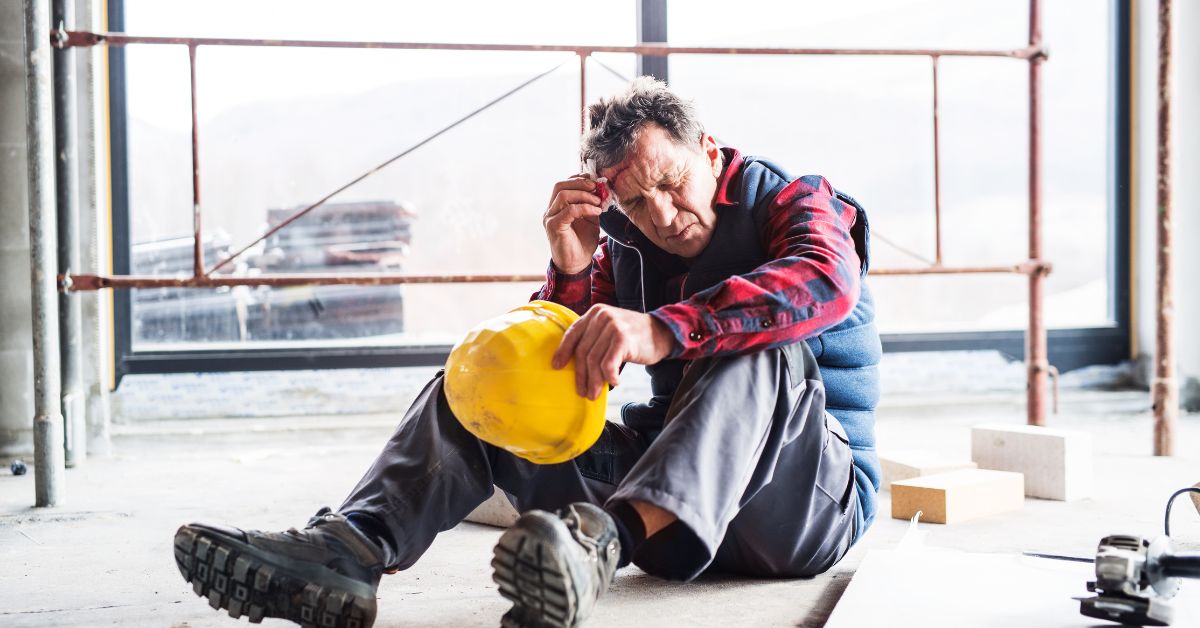
Unsafe property conditions can cause serious injuries that disrupt work, mobility, and financial stability. Slippery floors without warning signs, broken handrails, uneven walkways, and poor lighting create preventable risks under Washington law. Property owners and occupiers have legal responsibilities to maintain reasonably safe premises for visitors. When those responsibilities are ignored, injured victims may have the right to pursue compensation for medical expenses, lost wages, and long term harm. Holding negligent property owners accountable promotes safer conditions throughout the community.
Premises liability lawyers in Tacoma represent people injured due to dangerous conditions on another party’s property. These cases require proving that the property owner knew or should have known about the hazard and failed to correct it within a reasonable time. Premises liability lawyers in Tacoma investigate maintenance records, surveillance footage, inspection practices, and prior complaints to determine if negligence occurred. Washington’s comparative fault rules may also affect how compensation is calculated if the defense argues shared responsibility. Call Ritchie-Reiersen Injury and Immigration Attorneys at (888) 884-7337 or visit our contact page to discuss your injury and evaluate your legal options.
How Premises Liability Lawyers in Tacoma Prove Property Owner Negligence

Proving negligence in a premises liability case requires establishing duty, breach, causation, and damages under Washington law. Premises liability lawyers in Tacoma begin by identifying the injured person’s legal status on the property, since duties owed to invitees differ from those owed to licensees or trespassers. Commercial property owners generally owe invitees a duty to inspect for unsafe conditions and either correct hazards or provide adequate warning. A breach occurs when a property owner fails to act reasonably in light of foreseeable risks. Establishing breach is central to recovery under Washington negligence standards. Ritchie-Reiersen Injury and Immigration Attorneys is here to help you pursue the compensation that you deserve through a structured approach to prove liability.
Premises liability lawyers in Tacoma also analyze whether the dangerous condition existed long enough that the owner knew or should have known about it. Liability does not depend solely on direct knowledge, since constructive notice may be inferred from inspection failures or prior complaints. Attorneys examine cleaning logs, maintenance schedules, employee training policies, and incident history to determine whether reasonable care was exercised. Causation must then be linked clearly between the unsafe condition and the injury sustained. Strong evidence connecting the hazard to the injury supports a compensable claim.
Determining the Legal Duty Owed to the Injured Person
The scope of a property owner’s responsibility depends on the injured party’s status at the time of the incident. Premises liability lawyers in Tacoma evaluate whether the person was an invitee entering for business purposes, a social guest, or someone without permission. Invitees are typically owed the highest level of care, including reasonable inspection and maintenance obligations. Licensees are owed warnings about known hidden dangers that are not obvious. Visitor classification directly influences the duty analysis.
Applying Washington Premises Liability Standards
Washington courts evaluate whether the owner exercised reasonable care under the circumstances. Attorneys review case law defining inspection frequency and hazard response obligations. The standard focuses on foreseeability and reasonable prevention efforts. Legal standards guide negligence evaluation.
Linking Duty to Specific Hazard Conditions
Duty must be tied to the actual condition that caused the injury. Attorneys connect inspection failures or maintenance neglect to the hazardous condition involved. General safety policies alone do not defeat liability. Specific hazard analysis strengthens negligence proof.
Proving Knowledge of the Dangerous Condition
Property owners may be liable if they had actual awareness of the hazard or if the condition existed long enough that reasonable inspections would have discovered it. Premises liability lawyers in Tacoma investigate whether employees created the hazard or received prior complaints. Surveillance footage and maintenance records can demonstrate how long a spill, defect, or unsafe condition remained unaddressed. Constructive knowledge may arise when inspection procedures are inadequate. Establishing notice significantly impacts liability findings.
Evaluating Inspection and Maintenance Practices
Routine inspection procedures are often central to notice disputes. Attorneys request written policies and compare them to actual practices. Inconsistent inspection records may indicate negligent oversight. Inspection evidence influences notice determinations.
Identifying Prior Incidents or Complaints
Previous accidents or documented complaints may establish awareness of recurring hazards. Attorneys examine incident reports and internal communications for patterns. Repeated issues can demonstrate foreseeability of harm. Pattern evidence strengthens negligence arguments.
Establishing Causation and Damages
Even when breach is established, the injured party must prove that the hazardous condition directly caused the injury. Premises liability lawyers in Tacoma gather medical records, incident reports, and expert analysis to connect the condition to physical harm. Defense counsel may argue alternative causes or shared fault under Washington’s comparative negligence rules. Clear documentation of injury progression and treatment supports causation. Strong medical linkage reinforces compensation claims.
Connecting Medical Evidence to the Incident
Medical providers document diagnosis, treatment plans, and injury mechanisms. Attorneys coordinate medical records to align with the incident description. Gaps in treatment may be challenged by insurers. Medical consistency strengthens causal connection.
Addressing Comparative Fault Arguments
Washington follows a pure comparative fault system that reduces damages based on percentage of responsibility. Defense counsel may argue that the injured person failed to exercise reasonable care. Attorneys counter these arguments with evidence of unsafe property conditions. Effective rebuttal protects the value of the claim.
Washington Comparative Fault in Premises Liability Cases
Washington follows a pure comparative fault system, which means an injured person may recover damages even if they are partially responsible for the incident. Compensation is reduced by the percentage of fault assigned to the injured party rather than barred entirely. Premises liability lawyers in Tacoma evaluate how defense arguments may attempt to shift blame onto the injured person to minimize payout exposure. Property owners frequently argue that hazards were open and obvious or that the injured person failed to exercise reasonable care. Fault allocation directly affects the total compensation available.
Premises liability lawyers in Tacoma analyze surveillance footage, witness statements, lighting conditions, warning signage, and maintenance history to counter allegations of shared fault. Comparative fault does not eliminate liability where a dangerous condition was foreseeable and preventable through reasonable inspection or repair. Washington courts assess whether the property owner acted reasonably under the circumstances, not whether the injured person was perfect. Even where some responsibility exists, negligent maintenance or failure to warn may remain the primary cause of injury. Effective rebuttal of fault shifting preserves claim value.
How Fault Percentages Affect Damage Awards
Under Washington law, a jury assigns a percentage of responsibility to each party involved in the incident. Premises liability lawyers in Tacoma present evidence designed to minimize the injured party’s assigned fault while emphasizing the property owner’s failure to maintain safe conditions. If a jury assigns twenty percent fault to the injured person, the total damage award is reduced by that percentage. Accurate fault allocation can significantly influence final compensation amounts. Percentage findings directly determine recoverable damages.
Challenging Open and Obvious Defense Arguments
Defendants frequently claim that the hazardous condition was visible and should have been avoided. Attorneys analyze lighting, visual distractions, and the nature of the defect to assess whether it was truly apparent. Even visible hazards may still create liability if the owner failed to remedy an unreasonable risk. Contextual analysis weakens simplistic visibility defenses.
Demonstrating Foreseeability of Harm
Foreseeability focuses on whether a reasonable property owner should anticipate the risk of injury. Attorneys review prior incidents and industry safety standards to establish predictable danger. Recurring hazards increase the likelihood of owner responsibility. Foreseeability analysis supports primary fault attribution.
Comparative Fault in Slip and Fall
Comparative fault frequently arises in slip and fall cases where defendants argue that footwear, distraction, or inattention contributed to the injury. Premises liability lawyers in Tacoma examine the physical environment to determine whether the hazard presented an unreasonable risk regardless of minor inattention. In negligent security cases, defendants may argue that criminal conduct was unforeseeable or solely responsible for the injury. Courts evaluate whether reasonable security measures could have reduced the likelihood of harm. Liability may persist even when third parties contribute to the incident.
Evaluating Environmental Conditions
Environmental factors such as lighting, floor surfaces, and maintenance frequency influence fault determinations. Attorneys reconstruct the scene to assess whether safe conditions were maintained. Photographs and expert testimony may clarify hazard visibility. Environmental evidence informs fault allocation.
Addressing Third Party Conduct
When criminal acts occur on the property, owners may argue that they are not responsible for third party behavior. Attorneys examine prior incidents and security measures to evaluate foreseeability. Inadequate security may still create liability despite third party involvement. Security deficiencies can shift fault back to the property owner.
Strategic Use of Evidence to Reduce Assigned Fault
Defense strategies often focus on portraying the injured person as careless to reduce damages. Premises liability lawyers in Tacoma counter these tactics by presenting maintenance failures, inspection gaps, and code violations. Demonstrating that the hazard existed long enough to be discovered undermines comparative fault arguments. Consistent documentation of the injury event strengthens credibility before a jury. Evidence driven advocacy protects maximum compensation potential.
Using Surveillance and Incident Reports
Video recordings and written reports can confirm the duration and nature of the hazard. Attorneys review footage frame by frame to identify inspection failures. Incident documentation may reveal prior similar events. Recorded evidence strengthens fault rebuttal arguments.
Leveraging Expert Testimony
Safety experts may analyze industry standards and reasonable inspection practices. Expert opinions can explain why the hazard posed foreseeable risk. Professional analysis clarifies complex liability issues for jurors. Expert insight can influence fault percentage determinations.
How Premises Liability Lawyers in Tacoma Preserve Evidence After a Property Injury
Evidence in premises liability cases can disappear quickly if proactive steps are not taken. Surveillance footage may be overwritten, hazardous conditions may be repaired, and witness memories may fade within days of the incident. Premises liability lawyers in Tacoma act promptly to request preservation of video recordings, maintenance logs, inspection records, and internal incident reports. Early intervention prevents property owners or insurers from claiming that relevant evidence no longer exists. Timely preservation efforts protect the integrity of the claim.
Premises liability lawyers in Tacoma also evaluate whether expert inspection of the accident scene is necessary before conditions change. Photographs, measurements, lighting analysis, and documentation of surface conditions can become critical in contested liability cases. If a defect is repaired shortly after the injury, failure to document it may weaken proof of negligence. Preservation strategy focuses on capturing the condition as it existed at the time of the incident. Immediate documentation strengthens later courtroom presentation.
Securing Surveillance Footage and Digital Records
Many commercial properties rely on video surveillance systems that automatically overwrite recordings within a short retention window. Premises liability lawyers in Tacoma send formal preservation notices instructing property owners to retain all relevant footage from before, during, and after the incident. Failure to preserve requested evidence may support legal arguments regarding spoliation. Digital timestamps and camera angles can clarify how long a hazard existed. Video evidence often becomes central to liability disputes.
Sending Formal Preservation Letters
Preservation letters notify property owners of their obligation to retain specific categories of evidence. Attorneys identify the precise date, time range, and location of the incident in the request. Clear written notice reduces the risk of evidence destruction. Formal notice strengthens enforcement of preservation duties.
Investigating Overwritten or Missing Footage
If footage is unavailable, attorneys investigate retention policies and deletion timelines. Evidence of routine overwriting may influence how courts evaluate missing records. In some cases, adverse inferences may be requested if evidence was not preserved. Missing footage can shift evidentiary arguments in favor of the injured party.
Documenting the Hazard Before Repairs Occur
Property owners may quickly repair or modify the hazardous condition after an injury occurs. Premises liability lawyers in Tacoma prioritize site inspections and photographic documentation before alterations are made. Measurements of floor elevation changes, lighting levels, or structural defects can establish unsafe conditions. Failure to capture these details may limit the ability to demonstrate breach of duty. Early documentation preserves critical proof of negligence.
Coordinating Expert Scene Inspections
In complex cases, engineers or safety professionals may examine the property condition. Experts evaluate compliance with industry standards and building codes. Technical analysis can explain how the defect created unreasonable risk. Professional inspection strengthens evidentiary presentation.
Comparing Maintenance Records to Physical Conditions
Maintenance logs may reveal whether routine inspections were actually performed. Attorneys compare written records with the observed physical condition of the property. Discrepancies between documentation and reality may demonstrate negligent oversight. Record comparison supports credibility challenges.
Identifying and Interviewing Witnesses Promptly
Witness testimony can clarify how long a condition existed and whether warnings were provided. Premises liability lawyers in Tacoma seek statements from employees, bystanders, or other patrons who observed the hazard. Early interviews reduce the risk of fading memory or inconsistent recollection. Witness accounts often corroborate documentary evidence. Prompt witness preservation strengthens factual support.
Reviewing Internal Incident Reports
Businesses often complete internal reports after an injury occurs. Attorneys request copies of these reports during early investigation. Incident reports may include employee observations or prior hazard references. Internal documentation can reveal knowledge of dangerous conditions.
Obtaining Emergency Response Records
Emergency medical personnel and responding officers may document scene conditions. These records can include descriptions of surface conditions or environmental hazards. Official reports often carry significant evidentiary weight. Emergency documentation reinforces injury causation evidence.
Why Injury Victims Choose Ritchie-Reiersen Injury and Immigration Attorneys
Serious property injuries demand immediate legal evaluation grounded in Washington negligence law and evidentiary standards. Ritchie-Reiersen Injury and Immigration Attorneys structures each case around liability proof, comparative fault exposure, and long term financial impact. Premises liability lawyers in Tacoma at the firm analyze inspection practices, maintenance records, and internal safety policies before engaging insurers. Insurance carriers routinely dispute notice and causation to reduce payout obligations. Strategic case development positions injured victims for meaningful financial recovery.
Effective advocacy also requires anticipating procedural challenges that arise once a claim enters litigation. Ritchie-Reiersen Injury and Immigration Attorneys prepares each premises matter with courtroom admissibility standards in mind rather than relying solely on pre suit negotiation. Premises liability lawyers in Tacoma coordinate expert consultation, witness preparation, and evidentiary organization early in the process. Thorough preparation signals readiness to proceed beyond informal settlement discussions. Trial preparation directly influences leverage during settlement negotiations.
Early Case Evaluation and Liability Analysis
Premises cases often involve layered ownership structures that complicate responsibility determination. Ritchie-Reiersen Injury and Immigration Attorneys investigates which entity controlled the specific area where the injury occurred at the time of the incident. Premises liability lawyers in Tacoma review lease agreements, maintenance contracts, and insurance policies to determine overlapping duties. Identifying every responsible party prevents insurers from deflecting blame among related entities. Comprehensive liability identification maximizes available sources of compensation.
Investigating Ownership and Operational Control
Control over the premises frequently determines who owed the legal duty of care. Attorneys examine contractual language and day to day operational practices to establish responsibility. Delegated maintenance obligations do not automatically eliminate owner liability. Clear control analysis anchors negligence claims against the proper defendant.
Evaluating Available Insurance Coverage
Insurance coverage limits directly affect recovery potential in serious injury cases. Attorneys analyze policy language to determine available limits and potential exclusions. Coverage disputes may require additional legal strategy. Understanding insurance structure strengthens settlement positioning significantly.
Strategic Negotiation With Insurance Carriers
Insurance companies evaluate claims through internal risk assessment models designed to minimize payouts. Ritchie-Reiersen Injury and Immigration Attorneys presents structured demand packages supported by medical records, wage documentation, and future care projections. Premises liability lawyers in Tacoma counter allegations of shared fault with documented inspection failures and maintenance lapses. Clear presentation of liability evidence reduces the effectiveness of blame shifting tactics. Organized advocacy increases the likelihood of fair settlement valuation.
Presenting Documented Economic and Medical Losses
Accurate valuation requires detailed calculation of both current and projected damages. Attorneys coordinate medical records, billing statements, and employment documentation to establish measurable loss. Economic projections may include long term care costs and diminished earning capacity. Detailed proof of damages supports substantial compensation demands.
Challenging Unreasonable Settlement Offers
Initial settlement proposals frequently undervalue injury severity or future medical needs. Attorneys evaluate whether negotiation leverage exists or whether litigation is warranted. Strategic escalation decisions are guided by documented liability strength. Informed negotiation strategy protects the full value of the claim.
Trial Preparation and Courtroom Advocacy
Some premises liability disputes proceed to litigation when insurers refuse reasonable settlement terms. Ritchie-Reiersen Injury and Immigration Attorneys prepares cases for courtroom presentation by organizing exhibits, witness testimony, and expert analysis. Premises liability lawyers in Tacoma anticipate defense themes regarding notice, visibility, and comparative fault. Clear articulation of Washington negligence standards assists jurors in evaluating evidence objectively. Effective courtroom advocacy can significantly increase verdict outcomes.
Preparing Witness Testimony for Trial
Witness credibility plays a central role in contested premises liability trials. Attorneys conduct preparation sessions to ensure testimony aligns with documented evidence. Medical professionals and safety experts may clarify technical aspects of the hazard. Structured witness preparation strengthens juror confidence in the injured party’s case.
Anticipating and Countering Defense Strategies
Defense counsel may argue that hazards were temporary or unforeseeable under the circumstances. Attorneys develop rebuttal strategies supported by inspection records and prior incident evidence. Proactive defense anticipation reduces the impact of surprise arguments. Comprehensive preparation reinforces accountability for negligent property owners.
Schedule With Ritchie-Reiersen Injury and Immigration Attorneys Today
Unsafe walkways, broken stair rails, poor lighting, and unaddressed hazards can create serious injuries that alter life and financial stability. Liability in these cases depends on demonstrating that a property owner failed to exercise reasonable care under Washington negligence standards. Insurance companies evaluate claims aggressively and frequently dispute notice, causation, or the extent of damages. Strong claims are built through documented inspection, medical correlation, and strategic fault analysis.
At Ritchie-Reiersen Injury and Immigration Attorneys, case development begins with a structured review of maintenance responsibility and available insurance coverage. Premises liability lawyers in Tacoma analyze surveillance policies, repair history, and internal safety procedures to determine if reasonable preventative steps were ignored. Litigation readiness guides negotiation strategy from the start rather than serving as a last resort. Compensation demands are focused on documented economic loss, medical costs, and long term impact assessment. Call Ritchie-Reiersen Injury and Immigration Attorneys at (888) 884-7337 or visit our contact page to get a free case review today.





Get In Touch
Schedule a Free Legal Consultation With Us
If you or a loved one needs the assistance of a personal injury or immigration attorney, don’t hesitate to reach out. Ritchie-Reiersen Injury & Immigration Attorneys can help you with their extensive experience.
- Proven results
- Years of courtroom experience
- No upfront costs for injury clients
- We are available 24/7 for clients