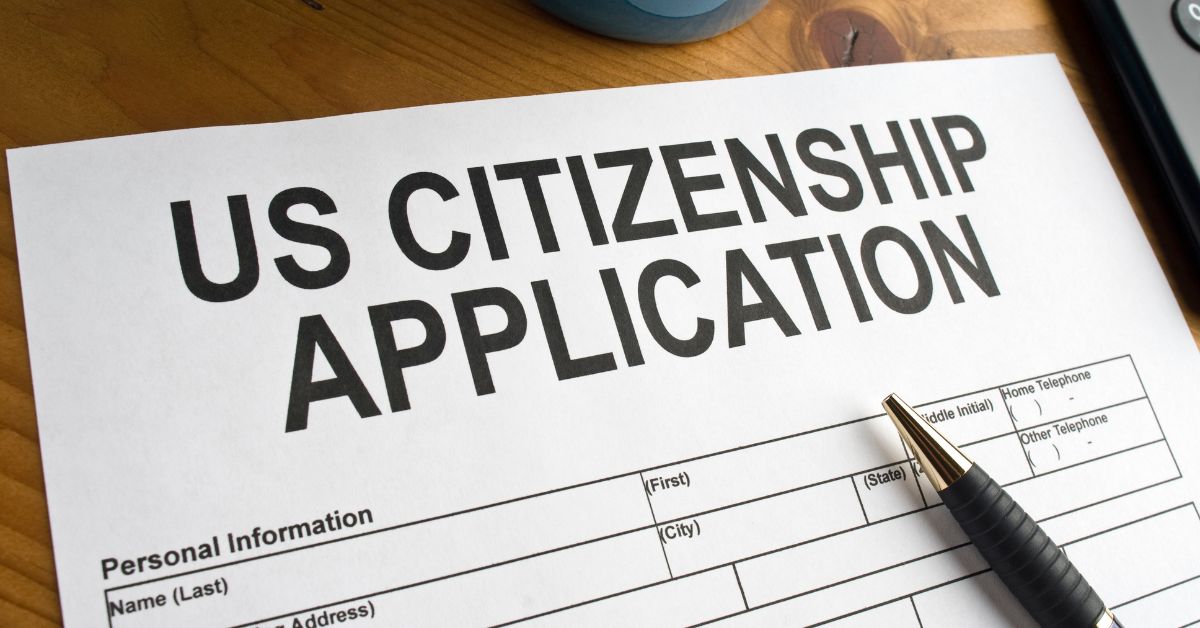
Immigration Citizenship Lawyers in Auburn
Becoming a United States citizen transforms your legal standing from permanent resident to full participant in the nation’s civic life. Citizenship provides you with the right to vote, eligibility for certain federal positions, protection from removal, and the ability to petition additional family members. The naturalization process requires strict compliance with federal residency rules and good moral character standards. Immigration citizenship lawyers in Auburn guide applicants through this transition with careful preparation designed to protect long term stability. Thoughtful legal review helps ensure your application reflects eligibility.
Ritchie-Reiersen Injury and Immigration Attorneys assists lawful permanent residents who are ready to take the final step toward citizenship. Immigration citizenship lawyers in Auburn at our firm evaluate travel history, criminal background considerations, tax compliance, and prior immigration filings before starting the full citizenship process. Structured preparation includes reviewing potential eligibility concerns and preparing applicants for the civics and English examinations required by United States Citizenship and Immigration Services. If you want help navigating the citizenship process, call Ritchie-Reiersen Injury and Immigration Attorneys at (888) 884-7337 or visit our contact page to get a free case review today..
Who Qualifies for United States Citizenship Through Naturalization

United States citizenship through naturalization is available to lawful permanent residents who satisfy federal statutory requirements established by the Immigration and Nationality Act. Most applicants must maintain permanent resident status for at least five years before filing, although spouses of United States citizens may qualify after three years of qualifying residence. During that period, applicants must demonstrate continuous residence and meet minimum physical presence thresholds calculated in actual days spent inside the country. Extended absences, even if temporary, can disrupt eligibility and delay filing eligibility dates. Filing prematurely can result in denial and loss of filing fees.
Applicants must also establish good moral character throughout the statutory review period preceding the application. Immigration authorities examine criminal history, tax compliance, child support obligations, and honesty in prior immigration filings when evaluating this requirement. Certain criminal convictions or false statements can create temporary or permanent bars to naturalization eligibility. Immigration citizenship lawyers in Auburn review these issues in advance to determine whether waiting periods or legal remedies apply. Good moral character findings directly determine naturalization approval outcomes.
Continuous Residence and Physical Presence Requirements
Continuous residence requires maintaining a principal dwelling place in the United States for the full statutory period. Immigration citizenship attorneys in Auburn carefully evaluate travel records to determine whether any trips abroad may have interrupted qualifying residence. Absences longer than six months can trigger a presumption that residence was broken unless rebutted with supporting documentation. Physical presence is calculated by counting actual days inside the United States during the statutory period. Travel patterns directly influence eligibility timing and filing strategy.
Evaluating Extended Travel Outside the United States
Trips lasting more than six months may require documentary evidence to demonstrate continued residence ties. Officers may request proof such as employment verification, lease agreements, or tax filings during the absence period. Failure to rebut the presumption of interruption can reset the residence clock. Strategic documentation preserves lawful eligibility timelines.
Calculating Physical Presence Accurately
Physical presence requires meeting a minimum number of days inside the United States before filing. Even small miscalculations can result in application denial. Attorneys verify entry and exit history against official government records before submission. Precise day counts prevent avoidable eligibility errors.
Good Moral Character Standards
Good moral character is assessed during the statutory period immediately preceding the application. Immigration citizenship attorneys in Auburn analyze arrest records, court dispositions, and compliance with financial obligations before filing. Certain offenses, including aggravated felonies, permanently bar naturalization under federal law. Other issues may require waiting periods before eligibility is restored. Criminal classification determines permanent or temporary citizenship bars.
Reviewing Criminal and Immigration History
Immigration authorities examine how offenses are categorized under federal immigration definitions rather than state labels. A charge considered minor under state law may still have immigration consequences. Attorneys review certified court records to determine how conduct affects eligibility. Accurate classification shapes lawful filing decisions.
Ensuring Honest and Complete Disclosure
Applicants must answer every question on Form N-400 truthfully and consistently with prior filings. Inconsistencies between earlier applications and current answers can raise credibility concerns. Officers compare immigration records, travel history, and prior statements during the interview. Complete disclosure protects credibility during federal review.
English and Civics Requirements
Most applicants must demonstrate basic English proficiency and pass a civics examination covering United States history and government. Immigration citizenship lawyers in Auburn prepare applicants by reviewing interview structure and explaining how officers evaluate responses. Age and length of residency may qualify some applicants for language exemptions or modified testing standards. Medical disabilities may also support exemptions when properly documented. Testing performance directly affects naturalization approval decisions.
Preparing for the English Language Test
Applicants must read, write, and speak basic English during the naturalization interview. Officers assess conversational ability through routine questions about the application. Reading and writing components require correct responses to standardized prompts. Preparation reduces errors during formal language evaluation.
Understanding Civics Examination Standards
The civics test requires correct answers to a set number of government and history questions selected from an official list. Officers evaluate not only accuracy but also clarity of response. Applicants must demonstrate basic understanding of constitutional principles and civic responsibilities. Civics knowledge confirms readiness for national civic participation.
How Immigration Citizenship Lawyers in Auburn Prepare You for the Naturalization Interview
The naturalization interview is a formal examination conducted by a United States Citizenship and Immigration Services officer to confirm eligibility for citizenship. Immigration citizenship lawyers in Auburn prepare applicants for this stage by reviewing the entire N-400 application and supporting documentation before the interview date. Officers may revisit travel history, employment records, tax compliance, and prior immigration filings to verify consistency. Inaccurate or incomplete answers can lead to delays, additional questioning, or even denial. Interview performance directly affects final naturalization determinations.
Immigration citizenship attorneys in Auburn also explain how officers evaluate demeanor, clarity, and responsiveness during questioning. Applicants are placed under oath and must answer questions truthfully and precisely. The officer may update information on the application, inquire about recent travel, or ask about any new legal issues since filing. Preparation focuses on helping applicants understand the structure of the interview rather than memorizing scripted answers. Structured preparation reduces avoidable credibility concerns.
Reviewing the N-400 Application
Officers frequently compare oral answers with the written information contained in Form N-400. Immigration citizenship attorneys in Auburn conduct detailed pre-interview reviews to identify discrepancies or incomplete responses. Even minor differences in travel dates or employment history can raise follow-up questions. Attorneys clarify any potential inconsistencies and ensure applicants understand how to explain them accurately. Consistency across records supports approval at your interview.
Updating Information Since Filing
Applicants must disclose any changes that occurred after submitting the application. This may include new travel, employment changes, or legal matters. Officers expect full transparency during the interview process. Accurate updates protect the integrity of the application record.
Addressing Prior Immigration or Criminal Issues
If prior arrests, citations, or immigration violations exist, officers may request clarification. Attorneys review court documents and prior filings before the interview. Clear explanations supported by documentation reduce unnecessary suspicion. Preparation minimizes unexpected legal complications.
Preparing for English and Civics Testing
The interview includes an English language assessment and a civics examination unless an exemption applies. Immigration citizenship lawyers in Auburn explain how officers evaluate conversational ability during routine questioning. Applicants must also read and write basic English sentences as part of the testing process. The civics portion requires correct responses to questions selected from an official list of government and history topics. Proper preparation increases testing confidence and accuracy.
Practicing Conversational English Responses
Officers assess English ability through normal dialogue rather than complex grammar testing. Applicants should be prepared to discuss their application and background clearly. Attorneys review common interview questions to build familiarity with the format. Comfort with conversational exchange supports successful evaluation.
Understanding Civics Question Structure
Applicants must correctly answer a required number of civics questions to pass. Questions cover constitutional principles, branches of government, and national history. Officers select questions randomly from the official list. Civics preparedness demonstrates readiness for national civic participation.
Managing Day of Interview Expectations
Applicants must bring original documents, identification, and updated records to the interview appointment. Immigration citizenship attorneys in Auburn provide guidance on what to carry and how to organize documentation. Arriving prepared and composed contributes to a smoother process. Officers may render a decision immediately or issue a written determination later. Professional preparation improves the likelihood of same day approval.
Organizing Required Documents Effectively
Required documents may include permanent resident cards, passports, tax transcripts, and court dispositions. Officers verify original documents against submitted copies. Organized presentation prevents unnecessary delays during review. Document readiness reflects responsible application management.
Understanding Possible Interview Outcomes
At the conclusion of the interview, officers may approve, continue, or deny the application. Continued cases often require additional evidence or testing. Denials typically involve eligibility deficiencies or unresolved concerns. Understanding outcomes helps applicants plan next procedural steps.
How Immigration Citizenship Lawyers in Auburn Protect Applicants From Removal Risk
Applying for citizenship can sometimes trigger deeper review of an applicant’s immigration history. Immigration citizenship attorneys in Auburn evaluate whether any prior conduct, criminal issues, or inconsistencies could expose the applicant to removal proceedings during the naturalization process. USCIS has authority to deny an N-400 and refer a case to immigration court if evidence suggests deportability. Careful screening before filing helps determine whether moving forward is strategically safe. Risk assessment before submission can prevent unintended exposure to removal proceedings.
Immigration citizenship lawyers in Auburn analyze whether prior travel patterns, extended absences, misrepresentations, or status violations may create vulnerability during review. Officers are permitted to examine the full immigration record rather than limiting their review to the naturalization period alone. Filing without understanding these risks may convert a citizenship application into a removal case. Strategic evaluation allows applicants to delay filing or address issues proactively when necessary. Careful legal timing can reduce removal referral risk.
When USCIS May Refer a Case to Immigration Court
USCIS may issue a Notice to Appear in immigration court if the agency determines that the applicant is removable under federal law. Immigration citizenship lawyers in Auburn review deportability grounds such as certain criminal convictions, fraud allegations, or abandonment of permanent residence. Officers may also investigate whether permanent resident status was obtained improperly in earlier proceedings. If removability concerns arise during review, the application may be denied and referred. Referral decisions can immediately alter immigration status stability.
Identifying Deportability Before Filing
Attorneys conduct thorough record analysis before submitting Form N-400. Court records, prior immigration filings, and travel documentation are reviewed for potential red flags. Early identification of risk allows informed filing decisions. Pre-filing screening protects against unexpected court referral.
Evaluating Permanent Resident Status Validity
Naturalization review may reopen examination of how permanent residence was originally granted. If residency was obtained through misrepresentation or ineligibility, removal proceedings may follow. Attorneys evaluate the foundation of resident status carefully.
Addressing Criminal History Concerns
Certain criminal convictions can create deportability even if they did not previously trigger enforcement. Immigration citizenship lawyers in Auburn analyze whether offenses qualify as crimes involving moral turpitude, aggravated felonies, or other removable categories under federal law. Even older convictions may become relevant during naturalization review. Timing of filing can influence whether a conviction falls within statutory review periods. Criminal classification directly affects removal exposure.
Reviewing Court Dispositions Carefully
Certified court records must be reviewed to understand how an offense is categorized under immigration law. State level terminology does not always match federal immigration definitions. Attorneys analyze plea agreements and sentencing documents for immigration impact. Accurate legal classification guides filing strategy.
Considering Post Conviction Relief Options
In limited circumstances, post conviction relief may reduce immigration consequences. Attorneys evaluate whether vacating or modifying convictions is legally viable before filing. Relief must be granted for substantive legal defects to affect immigration analysis. Strategic remedies can mitigate removal risk.
Managing Allegations of Misrepresentation
Inconsistent statements across immigration filings can lead to allegations of fraud or willful misrepresentation. Immigration citizenship lawyers in Auburn compare prior applications, visa petitions, and adjustment filings for discrepancies. If inconsistencies exist, attorneys develop clear explanations supported by documentation. Addressing issues proactively is safer than leaving them unresolved during interview review. Credibility findings can influence removal determinations.
Reconciling Prior Immigration Statements
Applicants may have provided information years earlier under different circumstances. Attorneys identify differences between earlier filings and the current N-400 application. Clarifying these discrepancies before the interview reduces credibility concerns. Consistency protects eligibility and lawful status.
Preventing Fraud Allegations During Review
Officers may question whether inaccurate information was intentional. Attorneys prepare documentation and explanations demonstrating good faith mistakes when applicable. Early legal strategy reduces escalation into formal fraud findings. Fraud allegations can trigger removal proceedings.
Strategic Timing and Withdrawal Decisions
In some cases, delaying a naturalization application may be the safest course of action. Immigration citizenship lawyers in Auburn evaluate whether waiting allows statutory periods to pass or issues to be resolved first. If risk emerges after filing, withdrawal of the application may be considered before adjudication. Strategic withdrawal can sometimes prevent referral to immigration court. Informed timing decisions safeguard permanent resident stability.
Weighing Filing Versus Delay
Filing immediately may not always align with long term immigration security. Attorneys assess whether statutory waiting periods or compliance steps remain incomplete. Strategic patience can strengthen future approval prospects. Timing decisions influence overall removal risk.
Considering Application Withdrawal When Necessary
If unexpected issues arise during review, withdrawing the N-400 may limit procedural consequences. Withdrawal decisions must be evaluated carefully based on case posture. Attorneys assess whether withdrawal prevents escalation to court. Withdrawal strategy can preserve lawful permanent resident status.
The Approach Ritchie-Reiersen Injury and Immigration Attorneys Takes to Citizenship Applications

Naturalization requires more than submitting documentation and waiting for an interview notice. Ritchie-Reiersen Injury and Immigration Attorneys approaches citizenship cases with structured eligibility review, risk analysis, and procedural discipline before filing occurs. Every application is evaluated against federal statutory requirements, travel history, criminal exposure, and prior immigration filings to identify vulnerabilities early. This method reduces the chance that unexpected issues arise during the interview stage. Structured preparation strengthens long term citizenship stability.
Citizenship applications can expose inconsistencies from years earlier if not carefully examined beforehand. Ritchie-Reiersen Injury and Immigration Attorneys conducts detailed file comparisons between prior petitions, adjustment records, and current naturalization disclosures. Identifying discrepancies before submission allows corrective strategy rather than reactive defense. The firm emphasizes accuracy, transparency, and strategic timing throughout the process. Disciplined review protects applicants from avoidable denial or referral risks.
Comprehensive Pre Filing Eligibility Audit
Before submitting any documentation and forms, a detailed review of eligibility factors helps determine whether filing is advisable at that time. Ritchie-Reiersen Injury and Immigration Attorneys analyzes statutory residence periods, physical presence calculations, and good moral character requirements in context. Travel patterns, tax filings, and prior immigration compliance are examined together rather than in isolation. This comprehensive audit identifies issues that may warrant delay or additional documentation. Early analysis reduces avoidable application denial risks.
Verifying Continuous Residence and Travel History
Attorneys review passport records, entry data, and travel timelines to confirm compliance with residency requirements. Extended absences are evaluated to determine whether rebuttal evidence is necessary. Filing before residence is fully established can reset eligibility timelines. Accurate verification protects filing eligibility dates.
Reviewing Criminal and Compliance Records
Certified court records and tax transcripts are examined before submission. Certain conduct may trigger statutory bars or heightened review during the interview. Attorneys evaluate whether waiting periods or remedial steps are advisable. Careful screening preserves long term naturalization eligibility.
Precision in Application Preparation
Accuracy across every response in Form N-400 remains critical to approval. Ritchie-Reiersen Injury and Immigration Attorneys cross references all answers against prior immigration filings to prevent inconsistencies. Dates, employment history, travel disclosures, and marital information must align precisely with government records. Minor discrepancies can create credibility concerns during officer review.
Aligning Supporting Evidence With Application Responses
Supporting documents are organized to mirror the structure of the application itself. Officers often compare documentary evidence directly against form responses during the interview. Clear organization allows immediate verification of key facts.
Anticipating Questions Before the Interview
Officers may inquire about arrests, extended travel, or changes since filing. Attorneys conduct preparation sessions to clarify how applicants should respond accurately and concisely. Preparation focuses on factual clarity rather than rehearsed answers. Interview readiness strengthens approval confidence.
Strategic Timing and Risk Management
Not every eligible applicant should file immediately upon meeting the minimum statutory period. Ritchie-Reiersen Injury and Immigration Attorneys evaluates whether additional time could strengthen good moral character findings or resolve outstanding issues. Strategic timing may also allow travel gaps to fall outside the review period. Filing at the correct moment can significantly influence adjudication outcomes. Timing strategy directly affects citizenship approval probability.
Monitoring Case Progress After Filing
Naturalization applications involve biometrics appointments, interview scheduling, and potential requests for additional evidence. Attorneys track deadlines and ensure timely responses to agency correspondence. Missed notices can delay or complicate the process unnecessarily. Active case management preserves procedural compliance.
Planning for Post Approval Responsibilities
Citizenship carries civic obligations beyond the oath ceremony itself. Applicants must understand voting rights, jury service responsibilities, and passport application procedures. Attorneys provide guidance to ensure full understanding of new legal status. Citizenship status requires informed civic participation responsibilities.
Schedule With Ritchie-Reiersen Injury and Immigration Attorneys Today
Citizenship changes how the law recognizes your presence in the United States, granting rights and opportunities that permanent residency does not provide. The path to that status involves federal evaluation of your history, travel patterns, and compliance with legal requirements. Decisions made during the application stage can influence how officers interpret your record during review. A careful, structured legal strategy allows your eligibility to be presented clearly and without unnecessary complication.
Ritchie-Reiersen Injury and Immigration Attorneys approaches naturalization matters with disciplined evaluation specific to your situation. Every case is reviewed for timing considerations, record consistency, and potential risk issues before strategic recommendations are made. Our firm prepares applicants for both documentation review and in-person examination under oath. Call Ritchie-Reiersen Injury and Immigration Attorneys at (888) 884-7337 or visit our contact page to begin your citizenship process with informed legal direction from our lawyers.









Get In Touch
Schedule a Free Legal Consultation With Us
If you or a loved one needs the assistance of a personal injury or immigration attorney, don’t hesitate to reach out. Ritchie-Reiersen Injury & Immigration Attorneys can help you with their extensive experience.
- Proven results
- Years of courtroom experience
- No upfront costs for injury clients
- We are available 24/7 for clients