
Dog Bite Accident Lawyers in Yakima
A dog bite in Yakima can happen in neighborhood yards, apartment common areas, parks, and sidewalks where people have a right to expect basic safety. The top Dog Bite Accident Lawyers in Yakima focus on identifying who had control of the animal, whether the injured person had lawful reason to be in the area, and what documentation can confirm how the attack occurred. Owners and insurers often try to minimize the severity of the bite or suggest provocation, which makes early fact development important.
Ritchie-Reiersen Injury & Immigration Attorneys help secure medical records , animal control reports, photos, and witness information to confirm the circumstances and support a credible damages presentation. We also account for practical effects that many people overlook at first, including missed work, follow-up care, scar management, and emotional distress tied to public activity and daily routines. Clients deserve straightforward communication in these cases because uncertainty often creates pressure to accept quick offers that do not match the full medical picture. The goal is a result that supports recovery and financial stability while keeping the process respectful and fact-driven.
If you were bitten by a dog in Yakima, call Ritchie-Reiersen Injury & Immigration Attorneys at (888) 884-7337 to schedule a free consultation.
Why You Need a Dog Bite Accident Lawyer in Yakima

Dog bite claims in Yakima can feel straightforward until the owner or insurer starts reframing the incident to limit liability. Even when Washington law favors bite victims in many situations, the defense often tries to create exceptions by disputing lawful presence, suggesting provocation, or minimizing the medical consequences of the attack. The right legal guidance helps keep the case centered on provable facts and prevents the claim from getting defined by informal conversations or incomplete reporting.
Ritchie-Reiersen Injury & Immigration Attorneys work to identify weak points in the defense position early so the claim does not drift into unnecessary side disputes. Clear documentation, timely communication, and a structured negotiation approach help reduce opportunities for the insurer to distort the facts. Early case control also protects injured clients from feeling pressured into accepting an undervalued offer. A grounded legal strategy keeps the focus where it belongs, on accountability and fair compensation grounded in evidence.
A Yakima Dog Bite Claim Often Turns on Lawful Presence and Clear Control Evidence
Owners frequently argue that the injured person should not have been near the dog or did something that justified the bite. A strong claim clarifies why the injured person had a right to be there, whether as a guest, resident, delivery driver, or lawful user of a shared area. Control evidence also matters, including leash use, gate security, prior aggressive behavior reports, and whether the dog was restrained appropriately. When these facts are documented early, liability becomes clearer and settlement discussions become less speculative.
Proving Lawful Presence Helps Shut Down Common Defenses Early
Lawful presence issues come up often in bites that occur on private property, in apartment complexes, or near doorways. Documentation can include delivery confirmation, visitor messages, lease records, or witness statements that confirm the reason for being on the property. These details matter because insurers may use uncertainty about permission to reduce settlement value. Clear proof helps the claim stay focused on the owner’s responsibility instead of side disputes.
Doorway and Porch Attacks Often Involve Foreseeable Supervision Failures
Many bites happen when an owner opens a door without securing the dog or when a dog pushes past a barrier into a visitor’s path. Owners may call these incidents sudden and unavoidable, yet the risk is predictable and preventable through basic restraint. Evidence about the entry layout, gates, leashes, and how the door was opened can clarify fault. When the bite results from a foreseeable lack of control, insurers have less room to shift blame.
Rental Properties Can Expand Liability Beyond the Dog Owner in Yakima
Some dog attacks occur in common areas where property managers control rules and enforcement. If management knew a dog posed a danger and failed to respond to complaints or lease violations, liability may extend beyond the owner. These cases often depend on proof of notice, meaning prior reports, written complaints, or incident records. A careful liability analysis can open broader insurance options when injuries are severe.
Management Records and Prior Complaints Can Change Settlement Leverage
Property management may hold records that show earlier concerns, warnings, or repeated leash violations. Those documents can demonstrate foreseeability and failure to act, which strengthens shared-liability arguments. When the evidence shows the risk was known, insurers often reevaluate exposure and become more open to a realistic settlement. Clients benefit because compensation does not depend solely on an individual owner’s limited policy.
Dog Bite Injury Valuation Requires More Than a Photo of the Wound
Insurers often focus on the initial appearance of the bite rather than the medical course that follows. A strong claim documents the full treatment path, including infection monitoring, antibiotics, scar care, nerve symptoms, and any functional limits. Some injuries affect hand strength, walking tolerance, or ability to use the limb normally, and those losses need to be explained clearly. When the documentation shows progression and real-life impact, settlement value tends to improve.
Scarring, Nerve Injury, and Emotional Impact Often Drive Long-Term Damages
Dog bites can leave permanent scarring, especially on the face, arms, and legs, which can require future procedures or long-term treatment. Nerve involvement can create numbness, tingling, or weakness that affects daily tasks and work duties. Emotional effects can also be significant, including anxiety around public spaces, sleep disruption, or fear of dogs that changes routine behavior. These damages should be supported with medical notes and consistent reporting rather than broad statements.
Future Treatment and Scar Management Should Be Documented Before Settlement
Some people settle early, then learn later that scar revision, dermatology care, or therapy is recommended. When future needs are documented by providers, the claim can include them in a credible way. This protects the injured person from accepting an amount that only covers short-term care. A careful approach to timing helps clients feel more secure and reduces settlement regret.
Dog Bite Accident Lawyers Help Control Communication and Avoid Early Claim Mistakes
Owners and insurers often contact bite victims quickly and may request statements that shape the narrative. Casual explanations can be used later to argue provocation, shared fault, or minor injury. A lawyer helps manage communications so the claim stays accurate and focused on key facts. This also supports client satisfaction because it reduces stress and prevents the injured person from feeling pressured.
Recorded Statements and Quick Releases Can Reduce Claim Value
Insurance adjusters may ask for recorded statements before full medical details are known. They may also offer quick payment in exchange for a release that ends the claim permanently. These steps can create risk if the injury worsens or if future care becomes necessary. A controlled approach ensures that major decisions happen with full information and documented support.
A Structured Negotiation Plan Can Improve Results Without Unnecessary Conflict
A strong claim does not need aggressive language to be effective, it needs a clean record and clear valuation support. When negotiations are guided by documentation and realistic planning, insurers often respond more seriously. Clients benefit because the process feels manageable and decisions remain evidence-based. This approach supports maximum compensation by reducing the defense’s ability to minimize what happened.
Where do Dog Bite Accidents Happen Near Yakima?
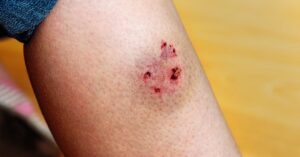 Location often explains how a dog bite became foreseeable and which facts will matter most for liability and insurance coverage. Some incidents happen in private spaces where an owner had full control over gates, leashes, and visitor access, while others occur in shared environments where rules and enforcement shape safety. The setting can also determine what documentation exists, such as animal control reports, property management records, or witness statements from neighbors and bystanders. Pinpointing the location early helps keep the claim factual, reduces disputes over permission and control, and supports a compensation demand that reflects the real consequences of the injury.
Residential Yards and Front Porch Encounters Drive Many Yakima Dog Bite Claims
Many bites occur during everyday interactions such as visiting a friend, walking past a yard, or approaching a front door for a delivery or service call. These cases often involve unsecured gates, open garage doors, or dogs that rush an entryway when the door opens. Owners sometimes call these situations accidents, yet basic precautions like restraints and barrier control often prevent them. When the claim documents how the dog gained access to the injured person, liability becomes easier to establish.
Unsecured Gates and Off-Leash Dogs Create Predictable Neighborhood Risk
A dog that slips through a broken latch or pushes past a gate can reach a sidewalk quickly, especially in neighborhoods where foot traffic is common. Owners may argue the escape was a one-time mistake, yet the risk remains foreseeable when a barrier is unreliable. Photos of gate conditions, fence gaps, and the surrounding area can help show how control failed. This evidence can also discourage insurers from reducing the event to a vague misunderstanding.
Visitor Status and Doorway Timing Often Affect How the Case Gets Framed
Doorway bites often involve a visitor standing in a fixed spot while an owner manages a dog inside the home. If the owner opens the door without securing the animal, the risk of a rush becomes predictable. Documentation that shows you were invited, had a legitimate reason to be there, or approached in a normal way can reduce arguments about assumed risk. Clear facts on visitor status often improve settlement posture because they limit defensive narratives.
Work-Related Bites Often Happen at Entry Points and Driveways
Delivery drivers, utility workers, and home service providers face higher exposure because they must enter property boundaries as part of their job. Many bites occur in driveways, near mailboxes, or on porches when an owner underestimates the dog’s reaction. These cases often include helpful documentation such as work logs, delivery confirmations, and route timing records. When the work purpose is clear, insurers have less ability to argue that the injured person should not have been there.
Employer Documentation Can Support Wage Loss and Time-Off Claims
Work-related bites can interrupt income, especially when treatment requires follow-up appointments and activity restrictions. Employer verification helps establish missed shifts, reduced duties, and limitations tied to the injury. Medical restrictions that match work records can also support credibility during negotiations. This type of documentation helps settlement value reflect more than medical bills alone.
Apartment Complexes and Rental Properties Create Shared-Area Bite Hazards
Dog bites in apartment settings frequently occur in hallways, stairwells, courtyards, and parking areas where people have limited space to avoid contact. Leash rules and pet policies may exist, yet inconsistent enforcement often creates repeat risk. These cases sometimes involve more than one responsible party when management knew a dog posed a danger and failed to respond. A careful analysis of notices, rules, and prior complaints can strengthen liability and broaden recovery options.
Common Area Incidents Often Involve Repeated Warnings or Policy Violations
Residents may report aggressive behavior long before an attack, especially when a dog barks, lunges, or corners people in shared spaces. Written complaints, emails, and management notes can show whether the risk was known and ignored. If the owner repeatedly ignored leash requirements, that pattern can help establish foreseeability. When proof shows repeated policy violations, insurers often treat the claim as more serious.
Leasing Records and Property Policies Can Clarify Control and Responsibility
Lease provisions often require leashes, limit breeds, or impose behavior standards, and those terms can matter when the dog owner fails to comply. Property management records can also show whether a tenant received warnings or whether enforcement was inconsistent. These documents can help explain why the risk persisted and who had the ability to correct it. When responsibility is clear, settlement negotiations become more efficient.
Parks, Trails, and Public Spaces Near Yakima Can Involve Off-Leash Encounters
Bites in public spaces often happen during passing encounters where the injured person had no reason to anticipate danger. Off-leash dogs and poorly restrained animals create risk for joggers, families, and children who move unpredictably. These cases can involve witnesses who saw the dog’s behavior before the bite, which can help confirm that the attack was not provoked. Documentation from the scene often matters because owners may later describe the event differently.
Leash Control and Owner Attention Often Decide Public-Space Liability
An owner who cannot control a dog’s movement creates a foreseeable risk in a public area. Retractable leashes, loose grips, and distracted supervision often lead to sudden lunges and bites. Witness statements that describe leash handling and owner behavior can strengthen the liability record. When evidence shows poor control, insurers have less room to shift responsibility to the injured person.
Child-Related Incidents Often Involve Predictable Movement and Owner Duty
Children run, play, and change direction quickly, and owners should anticipate that normal behavior in parks and shared areas. Owners may argue the child startled the dog, yet the duty remains to maintain control around others. A strong claim focuses on reasonable expectations in a public setting, not on blaming the child for being a child. This framing often supports better settlement outcomes because it keeps responsibility where it belongs.
Businesses, Sidewalks, and Public-Facing Properties Can Create Bite Risk
Some dog bites occur outside businesses, near outdoor seating areas, or along sidewalks where dogs accompany owners in public. These incidents can involve limited space, crowding, and close passing distance that increases the chance of contact. Depending on the setting, records may exist through business cameras or customer statements. When video or third-party witnesses capture the event, it often strengthens settlement leverage.
Third-Party Footage Can Reduce Disputes About Provocation and Control
Video can show whether the injured person approached normally, whether the dog lunged without warning, and whether the owner maintained control. This can be especially helpful when the owner claims provocation or suggests the bite was minor. Even short footage can clarify key details such as distance, leash handling, and timing. Clear footage often improves the negotiation process because it reduces arguments and speeds evaluation.
Location-Based Proof Often Supports Trustworthy Settlement Demands
A claim becomes more persuasive when it ties liability to a specific location and a specific control failure. That clarity helps insurers evaluate fault without relying on assumptions. Clients often feel more confident when the case rests on concrete details that are easy to understand. Strong location proof also supports full compensation because it limits the defense’s ability to reframe the incident.
Who is Liable After a Yakima Dog Attack?
Liability after a Yakima dog attack usually comes down to who owned the dog, who controlled the dog at the time, and whether the injured person had a lawful right to be where the bite occurred. Washington law often places responsibility on dog owners in bite cases, yet insurers still look for narrow defenses that reduce payment or shift blame. A careful liability analysis identifies the responsible parties early and ties responsibility to clear facts instead of assumptions or secondhand explanations. When liability is presented with this level of clarity, settlement negotiations tend to focus on damages rather than getting stuck in avoidable disputes.
Dog Owner Liability in Yakima Often Applies Even Without Prior Aggression
Many bite victims assume they need to prove the dog had a history of biting. In Washington, that is often not the case, which can make owner responsibility more straightforward than in states that require a prior “one bite” history. Owners and carriers still raise defenses, so the case needs clean proof of identity, control, and circumstances. Confirming ownership early, including who registered the dog and who had the animal in their care, helps prevent later arguments that someone else is responsible.
Lawful Presence and Trespass Claims Can Affect Strict Liability Arguments
Owners sometimes try to avoid responsibility by arguing the injured person did not have a right to be on the property. That issue can come up in yard bites, doorway incidents, and bites involving delivery workers or service providers. Proof such as visitor messages, delivery confirmations, work orders, or witness statements can help establish lawful presence. When lawful presence is clear, the liability story becomes easier to defend and insurers have less room to reduce settlement value.
Provocation Allegations Often Require a Detailed, Fact-Based Response
Provocation claims can appear even when the injured person acted normally, especially in cases involving children or sudden bites without warning. A strong response focuses on the specific behavior immediately before the bite, the dog’s actions, and any witness observations. Photos, medical documentation, and contemporaneous reports help show the bite resulted from an avoidable control failure rather than a justified reaction. Clear proof limits defensive arguments that attempt to shift responsibility onto the victim.
Temporary Caretakers and Handlers Can Share Responsibility
Liability does not always stop with the dog owner if another person controlled the dog at the time of the attack. A friend, relative, roommate, dog walker, or sitter may share responsibility if they failed to restrain the animal or allowed unsafe contact. These situations often involve conflicting stories, so early clarification of who held the leash, who opened the door, and who made safety decisions matters. Identifying the handler can also help locate insurance coverage that applies to the incident.
Leash Control and Supervision Evidence Can Clarify Who Was in Charge
In many cases, liability disputes turn on simple control facts such as who held the leash and whether the dog was restrained appropriately. Witness statements, photos, and even neighborhood surveillance footage can confirm leash handling and supervision. If a handler ignored basic precautions, that proof strengthens the liability narrative. Clear control evidence also helps settlement discussions move faster because it reduces uncertainty.
Rental Property Dog Attacks May Involve Landlord or Management Liability
Some Yakima dog attacks occur in apartment hallways, courtyards, stairwells, or other shared areas where property rules and enforcement matter. Management may share responsibility if they knew a specific dog posed a danger and failed to take reasonable action. This liability depends on proof of notice, meaning prior complaints, documented incidents, or repeated rule violations. When that proof exists, the claim can sometimes reach additional insurance resources beyond the dog owner’s policy.
Notice and Ability to Act Are the Key Questions for Property Management
Property management liability usually turns on whether they had enough information to recognize the risk and whether they had practical power to respond. Lease terms, pet addendums, and written policies may show what rules existed and what enforcement tools were available. Complaint records and communications can show whether management received warnings and ignored them. When these pieces align, the case becomes stronger because it shows the risk was foreseeable and preventable.
Book Your Free Consultation with the Dog Bite Lawyers at Ritchie-Reiersen
A dog bite injury can leave more than a physical mark. Many Yakima clients face ongoing medical appointments, scar management decisions, and concerns about how visible injuries may affect work, confidence, and daily interactions. Moving forward with a claim requires a plan that accounts for both immediate treatment and the longer-term impact that may not be obvious in the first few weeks. Ritchie-Reiersen Injury & Immigration Attorneys approaches these cases with careful attention to detail so that responsibility remains clear and compensation reflects the full scope of harm. Clients often feel more secure when they understand what evidence matters, what timelines apply, and how settlement decisions will affect their future.
A consultation provides an opportunity to review the facts of the attack, identify available insurance coverage, and discuss realistic next steps without pressure. You can ask questions about liability, medical documentation, scarring considerations, and how Washington law applies to your situation. Clear guidance at this stage can prevent missteps that reduce claim value and can help you avoid accepting an early offer that does not match your needs. The focus remains on practical solutions that support recovery and financial stability rather than quick resolutions that leave uncertainty behind. With the right structure in place, the path forward becomes clearer and more manageable.
Call Ritchie-Reiersen Injury & Immigration Attorneys at (888) 884-7337 to schedule your free consultation.







Get In Touch
Schedule a Free Legal Consultation With Us
If you or a loved one needs the assistance of a personal injury or immigration attorney, don’t hesitate to reach out. Ritchie-Reiersen Injury & Immigration Attorneys can help you with their extensive experience.
- Proven results
- Years of courtroom experience
- No upfront costs for injury clients
- We are available 24/7 for clients