
Bus Accident Lawyers in Yakima
Bus crashes in Yakima can cause serious harm because a single impact can injure multiple passengers and surrounding drivers at once. Traffic patterns on I-82, busy stretches of US-12, and frequent stops along arterial roads like Yakima Avenue and Nob Hill Boulevard increase the risk of sudden braking, unsafe merges, and intersection conflicts. Bus Accident Lawyers in Yakima focus on claims involving city buses, school buses, charter buses, and shuttle services where responsibility may involve a driver, a transit agency, a private operator, or a maintenance contractor. These cases often turn on detailed questions such as right-of-way, driver training, route schedules, and whether the bus company followed safety procedures. Early legal guidance helps preserve onboard video, driver logs, maintenance records, and witness accounts before crucial proof becomes harder to obtain.
Ritchie-Reiersen Injury & Immigration Attorneys builds Yakima bus accident cases around clear accountability and a damages presentation that reflects the true impact of the injuries. Our team reviews collision reports, passenger injury documentation, medical records, and employment disruption to show how the crash affected your work, mobility, and daily life. We also address the complexities that appear when a public agency is involved, including notice requirements and strict timelines that can apply to claims against government entities. Clients deserve direct communication in these cases because multiple insurers and defendants can create delays and confusion if the claim lacks structure. The goal is a resolution that supports medical recovery and financial stability without forcing you to carry the burden of proving fault on your own.
If you were injured in a bus crash in Yakima, call Ritchie-Reiersen Injury & Immigration Attorneys at (888) 884-7337 to schedule a free consultation.
Call Ritchie-Reiersen if you Were Hurt in a Yakima Bus Crash
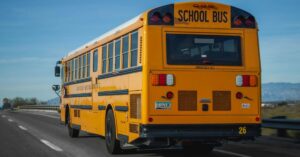
After a bus crash, the first few days often bring a mix of medical decisions, insurance contact, and uncertainty about who is actually responsible. Bus cases can involve a public transit system, a private charter company, a school district, or a contractor that handled maintenance, and each of those parties may point elsewhere when injuries are serious. Fast action also matters because key evidence often sits with the operator, not with the injured person. A focused legal review helps you understand what steps protect your claim while keeping your attention on treatment and stability. Ritchie-Reiersen Injury & Immigration Attorneys works to identify the correct entities early so the claim does not stall in finger-pointing between insurers. Early coordination can also prevent recorded statements or incomplete reports from narrowing your options before the facts are fully developed. Clear guidance at this stage helps preserve leverage and keeps the process organized instead of reactive. When the groundwork is handled properly, clients are better positioned to pursue full compensation without avoidable procedural setbacks.
A Yakima Bus Crash Case Review Should Clarify Responsibility and Next Steps
A useful first conversation should explain who may be liable and what evidence will likely determine fault. Some crashes involve driver error such as unsafe lane changes or distracted driving, while others involve mechanical failure, route pressure, or poor supervision. Knowing the likely liability path early helps prevent wasted time pursuing the wrong insurer or accepting a narrative that reduces value. Clear guidance also supports client confidence because it replaces guesswork with a practical plan.
Bus Crashes Involving Public Transit and Government Claims
When a Yakima bus crash involves a public entity, specific notice and timing requirements may apply before a lawsuit can proceed. Missing an early deadline can limit options even when fault is clear, which is why early legal guidance matters. A case review can identify whether a government claims process is involved and what steps must happen in the correct order. This structure protects your ability to pursue full compensation while avoiding procedural mistakes.
Fast Identification of the Correct Defendant in Yakima Bus Accident Claims
Bus operations can involve overlapping entities, including the driver’s employer, a parent company, and outside contractors. If the wrong party gets notified first, the process can stall and evidence may become harder to obtain. Clear identification also helps ensure that insurance coverage gets confirmed early rather than discovered late. Clients benefit because the claim moves forward with fewer avoidable setbacks.
Evidence Collection After a Yakima Bus Accident Often Requires Formal Requests
Bus companies and transit agencies frequently control the most important proof, including onboard video, driver logs, inspection records, and internal incident reports. Those records may not be preserved indefinitely, especially video that overwrites on a routine schedule. A well-managed claim identifies what evidence matters and requests it early to prevent loss. When the proof file is complete, the case becomes easier to evaluate and less vulnerable to blame shifting.
Onboard Video and Driver Logs Used in Bus Accident Fault Disputes
Video can show lane position, signal use, traffic flow, and passenger movement during braking or impact. Driver logs can also confirm route timing, rest breaks, and whether schedule pressure may have influenced unsafe driving. When this evidence aligns with the crash scene and witness accounts, insurers have less room to argue about what happened. That clarity can improve settlement leverage and reduce client frustration.
Maintenance Records Matter When Mechanical Issues or Brake Problems Appear
Some bus crashes involve tire failure, brake issues, steering problems, or neglected inspections. Maintenance logs can show whether defects were reported, whether repairs were delayed, and whether the vehicle met safe operating standards. If a contractor handled upkeep, those records can also identify additional responsible parties. Strong documentation keeps the claim focused on preventable failures rather than vague explanations.
Medical and Work Documentation Should Be Built With the Claim in Mind
Bus crash injuries often include head impacts, neck and back trauma, fractures, and soft tissue injuries that evolve over time. Insurance companies may attempt to reduce value by arguing that symptoms resolved quickly or that treatment was not necessary. A strong approach focuses on consistent care, clear symptom reporting, and records that explain functional limits at home and at work. This supports trustworthiness because the claim reflects the documented course of recovery instead of assumptions.
Aligning Medical Notes with Daily Function Improves Claim Valuation
Medical records carry more weight when they describe how the injury affects sleep, driving, lifting, standing tolerance, and basic tasks. Providers may not capture these details unless you describe them clearly. Documenting functional impact also helps explain missed work, reduced hours, or inability to return to full duty. When the medical narrative matches real-life limitations, insurers have a harder time minimizing the injury.
Employment Verification Strengthens Wage Loss and Earning Impact Claims
Lost income can include missed shifts, reduced schedules, and time away from overtime, not just a single paycheck gap. Employer verification, pay records, and job duty descriptions can show how the injury changed work capacity. Medical restrictions that match the employment timeline often prevent the insurer from labeling the wage loss as voluntary. This type of documentation supports a more complete settlement demand.
Settlement Guidance Should Make the Process Feel Predictable and Client-Controlled
Clients often feel better supported when they understand what comes next and why each step matters. A well-run bus crash claim includes regular updates, clear decision points, and plain-language explanations of offers and risks. Early low offers are common, especially before treatment stabilizes and the full injury impact becomes clear. A careful settlement strategy helps you evaluate options with confidence and avoid decisions driven by short-term pressure.
Reviewing Offers with Clear Tradeoffs Protects Long-Term Stability
A settlement decision should connect the offer amount to medical needs, wage loss, and ongoing limitations in a way that is easy to understand. If future care or work restrictions remain unclear, the offer may carry hidden risk. A structured review explains what the offer covers, what it leaves open, and what changes if the claim continues. Clients tend to feel more confident when decisions are based on evidence and realistic planning rather than urgency.
A Trial-Ready Posture Can Improve Negotiation Without Forcing Court
Insurers often negotiate more seriously when they see a complete proof file and a legal team prepared to escalate if needed. That posture does not mean a case must go to trial, yet it signals that undervaluation will be challenged. A prepared approach can reduce delay tactics and keep the claim moving toward fair compensation. Clients benefit because the strategy stays practical, evidence-based, and focused on results that support recovery.
What Causes Bus Accidents in the Yakima Area?
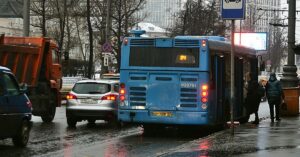
Bus crashes in Yakima often result from a combination of operational pressure, roadway conditions, and avoidable safety shortcuts. Because buses make frequent stops and move in and out of traffic repeatedly, small errors in judgment can quickly lead to serious collisions. These cases also involve higher stakes because a single incident can injure multiple passengers and nearby drivers, which increases scrutiny and encourages blame shifting. A clear understanding of common causes helps injured people recognize what evidence will matter most and why a careful investigation supports fair compensation.
When Driver Error and Inattention Trigger Yakima Bus Collisions
Bus drivers manage large vehicles, tight schedules, and constant interaction with surrounding traffic. Distraction, fatigue, and rushed decisions can lead to unsafe merges, missed signals, and failure to yield at intersections. Some crashes involve speeding for conditions, especially when a driver tries to recover time after delays. When an investigation ties the collision to a specific driving decision, liability becomes easier to establish and settlement discussions become more realistic.
Route Pressure and Schedule Demands Can Influence Unsafe Choices for Bus Drivers
Transit systems and private operators often run on fixed timing expectations that can create pressure to stay on schedule. A driver who feels behind may take risks, such as accelerating toward a light, changing lanes abruptly, or stopping late at a pickup point. This pressure matters because it can show why the conduct was preventable and tied to operational decisions, not random chance. When the record reflects schedule-related risk, it can shift responsibility toward the company’s oversight and training practices.
Distracted Driving Issues Can Include Mirrors, Fare Systems, and Passenger Management
Bus driving requires constant mirror checks and awareness of passengers, yet distraction can become unreasonable when tasks pile up. Fare interactions, radio communications, and passenger issues can pull attention away from traffic at the wrong moment. A strong case identifies what distracted the driver and whether the operator had policies to reduce those risks. Clear documentation can prevent insurers from treating distraction as inevitable.
Unsafe Lane Changes and Wide Turns That Cause Bus Crashes in Yakima
Buses require more space to turn and merge, which creates risk when drivers misjudge gaps or fail to signal early. Wide turns can also place a bus into adjacent lanes or into the path of smaller vehicles and cyclists. Many collisions occur when a bus re-enters traffic after a stop and a nearby driver has no time to react. Proving these events often depends on video, damage patterns, and the bus’s movement sequence.
Blind Spots and Failure to Check Clearance Can Lead to Side-Impact Crashes
Large buses carry blind spots that require careful scanning and controlled lane movement. A driver who drifts or merges without confirming clearance can cause a sideswipe or force another vehicle into a curb. These crashes can produce severe injuries because they often involve secondary impacts or rollovers. Evidence that the driver failed to verify space can strengthen the liability narrative.
Unsafe Stops and Passenger Handling Create Injuries Even Without a Major Crash
Not every bus injury involves a high-speed collision. Sudden braking, abrupt acceleration, and unsafe pull-ins to the curb can throw passengers off balance, especially when they are standing or moving toward an exit. Door-related incidents can also happen when a driver closes doors too quickly or begins moving before passengers are stable. These cases can still support strong claims when the evidence shows the movement was unnecessary or outside reasonable safety practice.
Hard Braking and Sudden Starts Can Cause Falls and Impact Injuries
A bus that brakes hard to avoid a missed light or an unexpected stop can create a predictable fall hazard. Passengers may strike seats, poles, or flooring and suffer head injuries, wrist fractures, or back trauma. Operators sometimes argue that sudden stops are part of normal transit, yet reasonable driving should anticipate traffic flow and allow smoother deceleration. A well-supported claim focuses on whether the braking was avoidable given the conditions.
Passenger Statements and Injury Timing Help Prove the Event Was Unreasonable
When multiple passengers describe the same sudden jolt, the event becomes harder to dismiss as routine. Injury timing also matters because immediate reports and prompt medical care can strengthen credibility. Video may show whether the driver approached the stop too fast or failed to maintain safe spacing. This type of documentation supports fair settlement value because it ties injury to a specific operational failure.
Door and Curb Approach Errors Can Create Serious Boarding and Exit Injuries
Boarding and exit injuries often occur when a bus stops too far from the curb, leaving passengers to step into uneven space or traffic-adjacent areas. Door timing can also cause injuries if a driver closes doors while a passenger is still moving through the entry. These incidents can involve older riders and children who need extra time and stable footing. A claim can become stronger when it shows that a safer stop location or more careful door control would have prevented the injury.
Operator Policies for Stops and Door Safety Can Reveal Preventable Failures
Many operators maintain written procedures for safe stops, door checks, and passenger awareness. When a driver deviates from procedure, liability becomes clearer because the risk is known and addressed by policy. Training records can also show whether the driver received adequate instruction. This evidence increases trustworthiness because it relies on standards rather than opinion.
When Maintenance Failures and Mechanical Issues Cause Yakima Bus Accidents
Some bus crashes stem from neglected upkeep rather than driving choices. Brake problems, tire blowouts, steering issues, and lighting failures can lead to loss of control and preventable collisions. These incidents often involve third-party maintenance contractors or internal fleet management, which can broaden responsibility. A careful mechanical investigation can prevent insurers from blaming the driver when the real cause was equipment failure.
Brake and Tire Defects Often Create High-Risk Loss-of-Control Events
A worn brake system can increase stopping distance and lead to rear-end crashes in traffic corridors. Tire failures can cause sudden swerves, rollover risk, or impact with fixed objects. These failures matter because operators have a duty to inspect and maintain vehicles in safe operating condition. Maintenance logs and inspection schedules often become central proof in these cases.
Inspection Records and Repair History Can Show a Pattern of Neglect
A single missed repair can matter, yet patterns of delayed maintenance often reveal deeper safety problems. Records can show whether defects were reported and ignored or whether a vehicle stayed in service despite known issues. When the documentation suggests preventable neglect, insurers often reassess exposure because liability looks stronger. This supports full compensation by anchoring the claim in objective maintenance failures.
Roadway Design and Traffic Conflicts in Yakima Can Amplify Risk
Yakima’s traffic flow includes frequent lights, turn pockets, and congestion patterns that require careful bus operation. Intersections, school zones, and high-volume corridors can create conflict points where bus drivers must yield, stop smoothly, and merge safely. Even when another driver contributes to a crash, bus operators still have duties to avoid foreseeable hazards. Understanding the roadway context helps establish whether the collision resulted from avoidable decisions.
Intersection Decision-Making Often Determines Liability Allocation
Many bus crashes occur at lights and stop-controlled intersections where right-of-way rules are clear. A driver who enters late, turns across traffic, or changes lanes near an intersection increases collision risk. Insurers often try to spread fault across multiple vehicles, especially when injuries are serious. A precise analysis of the intersection sequence can strengthen liability and keep settlement negotiations grounded.
Clear Causation Proof Supports Better Settlement Outcomes
A settlement improves when the cause of the bus crash is presented as a preventable chain of decisions rather than a vague traffic event. Clear causation reduces blame shifting and shortens disputes over what happened. Clients benefit because the process becomes more predictable and less stressful. Strong cause documentation also supports higher compensation because it limits the insurer’s ability to minimize responsibility.
How Top Bus Accident Lawyers in Yakima Maximize Your Settlement Value
A high-value bus accident settlement in Yakima usually comes from the ability to present the claim as complete, consistent, and ready for serious evaluation. Bus cases involve layered coverage, multiple injured people, and competing narratives about what caused the impact. In these cases, settlement demands must counter the questions insurers rely on to stall or discount payment. When the case moves forward with clear timing and a coherent record, adjusters have fewer openings to minimize harm or treat the claim as routine. Clients benefit because decisions feel informed, expectations stay realistic, and the process becomes easier to navigate under stress.
Our team builds your settlement around verified records, clear timelines, and a valuation approach that accounts for medical progression, wage loss, and lasting limitations without overstatement. We also help clients evaluate offers through plain-language tradeoffs so you understand what an offer covers, what risks remain, and what changes if the claim continues. This clarity supports trust because you stay in control and you are not pushed into quick decisions that leave gaps later. A disciplined approach often improves settlement value because it signals preparedness and reduces the insurer’s confidence in delay tactics.
After a bus crash in Yakima, Call Ritchie-Reiersen Injury & Immigration Attorneys at (888) 884-7337 to schedule a free consultation.







Get In Touch
Schedule a Free Legal Consultation With Us
If you or a loved one needs the assistance of a personal injury or immigration attorney, don’t hesitate to reach out. Ritchie-Reiersen Injury & Immigration Attorneys can help you with their extensive experience.
- Proven results
- Years of courtroom experience
- No upfront costs for injury clients
- We are available 24/7 for clients