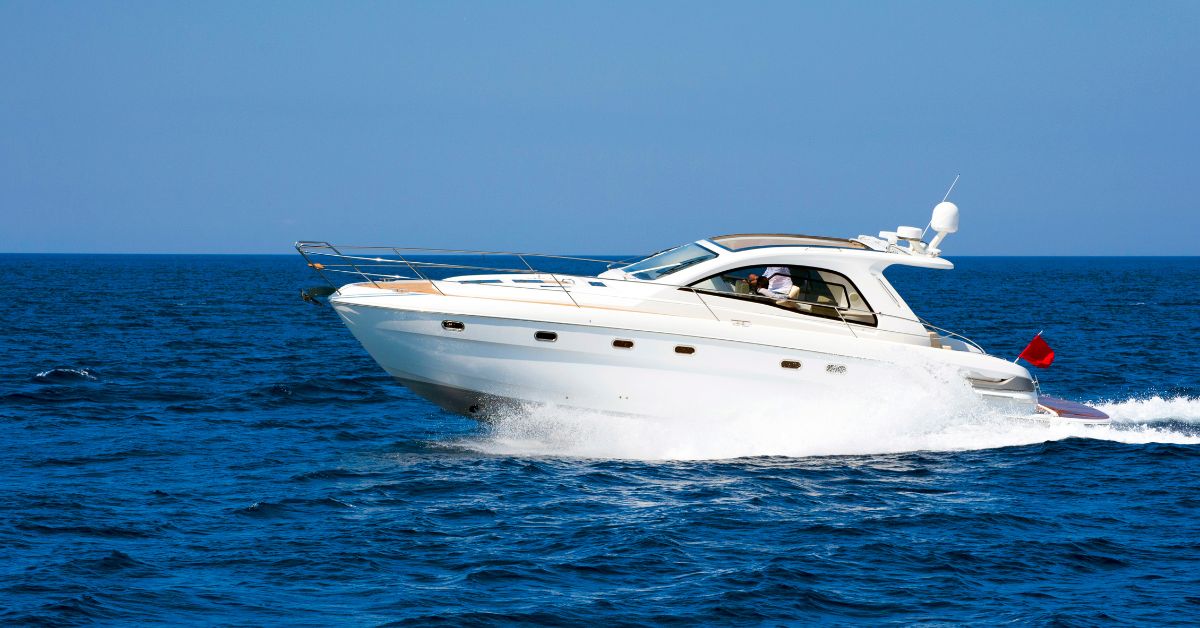
Boat Accident Lawyers in Yakima
Recreation on the Yakima River and trips toward nearby launches and reservoirs can turn dangerous when a boat operator makes a careless decision or when basic safety steps get ignored. Boat Accident Lawyers in Yakima handle injury claims involving collisions, sudden ejections, propeller injuries, and incidents tied to speed, alcohol use, inexperience, or poor lookout. These cases often move quickly into blame shifting because operators may minimize what happened, and insurance carriers may question who had right-of-way or whether the injured person assumed the risk.
We tackle Yakima boat accident cases with a careful focus on liability proof, coverage clarity, and a damages presentation that reflects the full disruption caused by serious injuries. Our team looks at operator conduct, safety equipment compliance, passenger warnings, and whether the vessel was operated responsibly for the conditions. We also evaluate insurance issues that can complicate recovery, including whether a homeowner policy, watercraft policy, or multiple policies may apply depending on ownership and use. Clear communication matters because boating claims can involve agencies, marinas, and multiple witnesses, and clients deserve straightforward updates as the case develops.
If you were hurt in a boating incident connected to Yakima, call Ritchie-Reiersen Injury & Immigration Attorneys at (888) 884-7337 to schedule a free consultation.
Why Boat Accident Lawyers in Yakima Are Key to Winning Your Settlement
Boat accident claims often look simple at first, then become complicated once insurers and operators start disputing fault, injury severity, and even which policy should respond. A strong settlement result depends on presenting a clear, well-supported explanation of how the incident occurred and why the losses extend beyond the first round of medical care. Because informal rentals, borrowed vessels, and family-owned watercraft often play a role in boating collisions, coverage questions arise early and can slow progress when parties fail to address them carefully. When Boat Accident Lawyers in Yakima manage the process with a disciplined plan, clients typically experience fewer surprises and insurers have less room to undervalue the claim.
Ritchie-Reiersen Injury & Immigration Attorneys approaches these matters by clarifying responsibility and insurance layers before negotiations gain momentum. Early coordination with carriers helps prevent misdirected claims and unnecessary delay. Organized communication also reduces the risk of inconsistent statements that insurers may later use to weaken the case. This structured handling keeps the focus on fair compensation instead of procedural disputes that drain time and energy.
A Strong Settlement Depends on Preserving Waterway Evidence Early in Yakima Boat Accident Cases
Many boat incidents happen without the same level of immediate documentation that follows a roadway crash. Operators may leave the area, witnesses disperse quickly, and conditions on the water change within minutes, which makes early documentation essential. Photos of vessel damage, passenger injuries, water conditions, and any visible safety equipment can help establish what went wrong. When the proof file includes early documentation, the claim is less likely to turn into a credibility fight between conflicting stories.
Location, Weather, and Water Conditions Can Affect Fault and Damages in Boating Crashes
Boating risk often turns on visibility, current, wind, and traffic, and those conditions can help explain why safe operation required extra care. A responsible operator should adjust speed and lookout based on congestion and conditions, especially near launches and popular recreation areas. When the record shows the conditions were predictable and the operator failed to adapt, liability becomes clearer. Strong documentation also reduces delay because insurers can evaluate the case on facts instead of speculation.
Digital Data and Vessel Records Often Provide the Missing Timeline
Some boats include GPS tracking, onboard electronics, or apps that record routes and speeds, and those records can clarify timing and movement. Even when electronic data is limited, marina receipts, rental paperwork, and communications between the parties can help build the timeline. A case that includes a verified timeline often settles more efficiently because it narrows the liability dispute. This improves the client experience by reducing back-and-forth and lowering stress.
Insurance and Ownership Issues Often Decide the Settlement Path in Yakima Boating Injuries
Boating settlements often hinge on which policy applies and whether coverage limits match the injury severity. A watercraft policy may exist, yet homeowners coverage, umbrella policies, or rental-related coverage may also matter depending on who owned the vessel and how it was used. Insurers may delay by pointing to exclusions, arguing that a different policy should pay first, or disputing whether the operator qualified as an insured. A careful coverage analysis helps prevent a serious injury claim from getting stuck in administrative limbo.
Policy Layers and Exclusions Affecting Boat Accident Liability in Yakima
Boating policies can include exclusions for alcohol use, unlisted operators, racing behavior, or certain vessel types. Homeowners policies may provide limited coverage for smaller boats, yet the details depend on horsepower and other factors. A clear strategy identifies the likely policies, confirms limits, and avoids missteps that give carriers excuses to deny or reduce payment. Clients benefit when coverage questions are resolved early because it makes the settlement timeline more predictable.
Multiple Responsible Parties in Yakima Boat Accident Cases
Some boat accidents involve more than one at-fault party, such as an operator who acted recklessly and an owner who entrusted the vessel to an unsafe driver. Liability may also extend to a rental company that failed to provide adequate instruction or allowed unsafe operation. When responsibility is evaluated carefully, the claim can access broader insurance resources without relying on one limited policy. This can make a material difference in maximum injury compensation when medical care and lost income add up quickly.
Credible Injury Documentation Matters More When Boating Trauma Looks Delayed
Boat accident injuries often involve head impacts, back injuries, shoulder trauma, and soft tissue damage that worsens after the adrenaline fades. Insurers may argue the injury was minor or unrelated if treatment begins late or if early notes undersell symptoms. A strong settlement approach makes sure the medical record reflects the true course of symptoms and functional limitations. When documentation stays consistent, the insurer has less room to minimize the impact or pressure a premature resolution.
Functional Loss Evidence Helps Explain Real Impact in Boat Crash Claims
Insurance carriers rarely value cases well based only on invoice totals. They respond more seriously when the claim shows how the injury affects work duties, daily routines, parenting tasks, sleep, and mobility. Clear documentation from providers, employers, and the injured person’s own records can support this picture without exaggeration. This improves trustworthiness because the claim rests on observable limitations rather than broad statements.
Future Care Planning Prevents Settling Before the Medical Picture Stabilizes
Some injuries require follow-up imaging, specialist care, therapy, or procedures that become clear only after time passes. Settling before those needs are documented can leave gaps that the injured person must cover later. A careful plan identifies the medical milestones that should occur before serious negotiation, then builds a demand that reflects realistic ongoing needs. Clients tend to feel more secure when timing decisions are explained as strategy rather than guesswork.
Our Client-Focused Case Management Keeps your Yakima Boat Accident Settlement on Track
Client satisfaction often depends on how responsive and clear the process feels while the claim develops. Boating cases can involve multiple adjusters, shifting fault narratives, and requests for broad statements that create frustration. A managed approach keeps communication organized and ensures the insurer receives consistent information tied to documentation. When clients know what stage the case is in and what the next decision point looks like, the process feels steadier and less draining.
Clear Updates and Decision Support Improve Settlement Confidence
A case can move for months, especially when treatment continues, and silence tends to increase stress. Regular updates help clients understand what has been requested, what is pending, and why certain steps matter. Offer evaluations should be explained in plain language, including what the money covers and what risks remain. This builds trust because the client stays in control of decisions with full information.
A Litigation-Ready Posture Can Improve Negotiation Without Going to Trial
Insurers often offer more realistic settlements when they see that the claim file is complete and the legal team is prepared to escalate if needed. Trial readiness does not mean the case will go to court, yet it signals that undervaluation tactics will not end the matter. This posture can shorten disputes and improve settlement leverage, which supports maximum injury compensation without unnecessary conflict. Clients benefit because the strategy stays practical, evidence-based, and focused on a fair resolution.
This is Where Most Yakima Boat Accidents Happen
Location matters in a Yakima boating injury claim because it often explains why the risk was foreseeable and what safety steps should have been taken. Some waterways create congestion that increases collision risk, while other areas create hazards tied to current, debris, shallow depth, or limited visibility. The setting can also determine which agency responded, what records exist, and whether a marina, rental operator, or property manager may share responsibility. Identifying the precise location early helps the case stay fact-driven, protects credibility, and supports a settlement demand that reflects what actually occurred.
Yakima River Boating and Float Area Collisions and Ejections
The Yakima River sees a mix of fishing boats, drift craft, rafts, and recreational traffic that can create unpredictable movement patterns. Operators who travel too fast for the conditions, fail to keep a proper lookout, or make abrupt turns can cause collisions and passenger ejections even without direct impact. River conditions change with season and flow, which can affect depth, obstacles, and navigable paths. When an incident occurs in a known high-traffic or challenging stretch, the claim can focus on whether the operator adjusted behavior to match the conditions.
Launch Points and High-Use Access Areas in the Yakima Area
Boat ramps and access points compress traffic into tight spaces where quick decisions and poor spacing can cause injury. Conflicts often happen when vessels approach too quickly, cut across a launch lane, or fail to yield in a crowded channel. Operators may also rush loading and unloading, leading to slips, falls, and propeller hazards when passengers step in or out under pressure. Documenting congestion and spacing at launch areas can help show why safe operation required caution.
Witness Density Near Access Areas Can Help Confirm What Happened
High-use areas often have more bystanders, which increases the chances of independent witness observations. Neutral witness accounts can clarify boat speed, distance, operator behavior, and whether warnings were given. Those statements can matter when the operator later minimizes the incident or disputes fault. When multiple witnesses describe the same sequence, settlement negotiations often become more focused and less dismissive.
Reservoir and Lake Recreation Near Yakima
Open-water recreation often encourages higher speeds, sharper turns, and more aggressive driving patterns. These behaviors increase the risk of collisions with other vessels, impacts with fixed objects, and injuries caused by sudden wake. Passengers may get thrown from seats or lose balance when an operator changes direction without warning. Claims tied to speed and wake often turn on whether the operator acted responsibly for traffic, visibility, and conditions.
Wake-Related Incidents Often Involve Lack of Warning and Unsafe Maneuvers
A heavy wake can knock a passenger off balance even when no collision occurs. Operators create risk when they accelerate quickly, cut across another vessel’s path, or turn sharply without accounting for passengers and nearby boats. Insurers sometimes try to downplay these incidents as normal boating bumps, yet serious injuries can result when a person falls onto hard surfaces or gets thrown into equipment. Clear documentation of the maneuver and passenger position can make fault easier to establish.
Passenger Seating and Safety Practices Can Affect Liability Analysis
Safety does not only involve life jackets, it also involves how the operator manages the boat while others are onboard. If passengers were standing, moving, or seated in unsafe positions due to poor instruction, liability may shift toward the operator who failed to manage safety. Strong cases show whether the operator gave clear guidance and operated in a way that allowed passengers to remain stable. This supports trustworthiness because it ties fault to specific decisions rather than broad accusations.
Marinas, Docks, and Rental Operations Create Preventable Boating Injury Scenarios
Boat-related injuries do not always happen on open water. Many incidents occur at docks during fueling, loading, boarding, and equipment handling. Rental situations introduce additional risk because operators may receive limited instruction or the vessel may be returned with undisclosed maintenance issues. When a business provides equipment, instruction, or access, the claim may involve questions about safety practices and operational standards.
Dockside Falls and Boarding Injuries Near Yakima Waterways
Wet surfaces, uneven dock boards, missing grip strips, and inadequate lighting can cause serious falls, especially when passengers carry coolers or gear. Injuries also happen when a boat shifts unexpectedly during boarding because lines are not secured properly. A claim becomes stronger when it shows that the condition was predictable and correctable through routine maintenance or safer procedures. This type of evidence supports a more stable settlement discussion because it relies on objective conditions.
Rental Agreements and Check-In Records Can Clarify Responsibility
Rental paperwork can identify who operated the boat, whether training was offered, and what safety steps the company required. Check-in records may also reveal earlier reports of equipment issues or prior incidents connected to the vessel. These documents matter because they can establish whether the business acted responsibly or ignored safety concerns. When records show gaps in instruction or oversight, liability can extend beyond the operator.
Narrow Channels and Bridge Approaches Can Create High-Risk Navigation Conflicts
Some boating locations create hazards because they limit maneuvering space and reduce reaction time. Narrow channels, bridge approaches, and areas with changing current often require slower speed, heightened lookout, and safe passing discipline. When an operator treats a constrained area like open water, collisions and groundings become more likely. A careful location analysis can support a clear narrative about foreseeability and reasonable care.
Visibility Limits and Right-of-Way Decisions Often Decide Fault in Constrained Areas
A boat operator should adjust speed and approach when visibility is limited by bends, bridge supports, or traffic. Right-of-way disputes become more common in these areas because vessels may meet head-on or approach from angles that require clear yielding decisions. Insurers often try to frame these incidents as unavoidable, yet safe navigation rules exist for a reason. When the case shows that the operator ignored predictable constraints, settlement posture typically improves.
Local Waterway Knowledge Can Undercut “Unavoidable Accident” Arguments
Operators who boat regularly in the Yakima area often understand where congestion and constrained navigation occur. When a crash happens in a known choke point, a claim can argue that the operator should have anticipated the risk and adjusted accordingly. This keeps the case grounded in reasonable expectations rather than hindsight. Strong location framing can help achieve maximum injury compensation by showing the incident arose from preventable choices, not bad luck.
Why Boat Accident Victims in Washington State Turn to Ritchie-Reiersen
Ritchie-Reiersen Injury & Immigration Attorneys help clients move through complex maritime accident questions with a clear plan that keeps the claim focused on provable conduct and documented losses. That steadiness matters because boating cases can involve multiple witnesses, shifting accounts, and incomplete reports, and confusion often benefits the defense. When the record stays consistent and the liability narrative stays clear, settlement negotiations tend to move toward fair value instead of stalling in dispute.
Boat accident victims deserve a legal process that feels manageable while recovery unfolds. Our team emphasizes clear communication and decision support so clients understand what is happening, what is pending, and what choices may affect timing and value. We take a careful approach to settlement evaluation that accounts for ongoing care, work disruption, and the lasting effects that can follow serious injuries, especially when the injury limits physical activity, driving, or day-to-day independence. Clients often feel more confident when they can see how each step connects to a clear purpose and when they are not pressured into quick decisions.
Call Ritchie-Reiersen Injury & Immigration Attorneys at (888) 884-7337 to schedule a free consultation.







Get In Touch
Schedule a Free Legal Consultation With Us
If you or a loved one needs the assistance of a personal injury or immigration attorney, don’t hesitate to reach out. Ritchie-Reiersen Injury & Immigration Attorneys can help you with their extensive experience.
- Proven results
- Years of courtroom experience
- No upfront costs for injury clients
- We are available 24/7 for clients