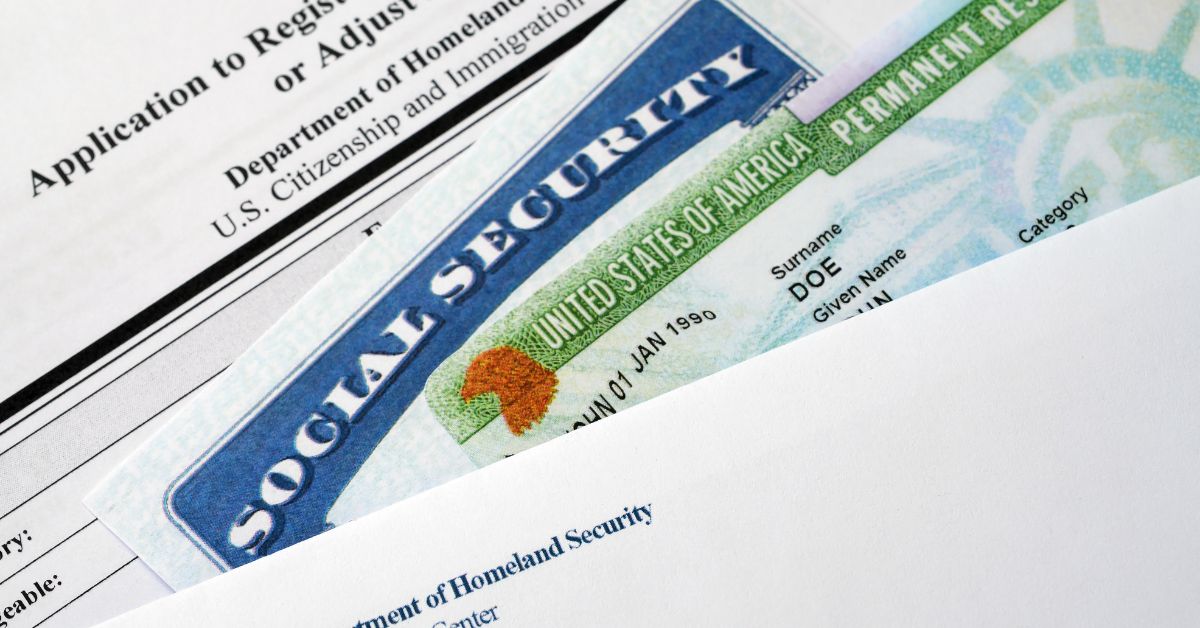
LPR Status Immigration Lawyers in Moses Lake
Getting lawful permanent residence is often less about one form and more about whether your full history supports approval without triggering avoidable problems. People in need of an LPR Status Immigration Lawyers in Moses Lake want a clear answers on eligibility, risks, and the most reliable filing path based on their family situation, work history, and prior immigration record. Many cases involve practical complications such as prior entries, visa overstays, missed notices, or travel that created uncertainty about status. In a community like Moses Lake, a well-managed plan can reduce stress and prevent delays caused by incomplete or inconsistent filings.
Our team at Ritchie Reiersen evaluates prior filings, entry history, and supporting documents to identify issues before they become lawful permanent resident denial reasons. We also prepare clients for interviews and evidence requests so the record stays aligned from start to finish. When the case requires added planning, such as waiver considerations or consular processing decisions, we explain the tradeoffs and build the application around the strongest available option.
Call Ritchie-Reiersen Injury & Immigration Attorneys at (888) 884-7337 to schedule a confidential consultation.
Do You Qualify for Lawful Permanent Residence in Washington?
Qualifying for lawful permanent residence usually depends on the pathway you are using and whether any facts in your history create inadmissibility or status problems. Many applicants meet a basic category requirement, then run into issues tied to prior entries, past immigration filings, or gaps in lawful status. A strong eligibility review looks at more than what you want to apply for, it looks at whether you can apply safely and with a record that stays consistent across forms, interviews, and background checks. When eligibility is assessed correctly at the beginning, you reduce the risk of delays, denials, and avoidable complications that can set a case back for months.
Ritchie-Reiersen Injury & Immigration Attorneys conducts detailed pre-filing evaluations to identify red flags before paperwork is submitted to USCIS. That review often includes analyzing travel history, prior petitions, visa classifications, and any enforcement encounters that may affect admissibility. Early legal guidance can also prevent applicants from choosing a filing strategy that exposes them to unnecessary interview risk or processing delays. Careful preparation at the outset strengthens credibility and positions the case for a smoother review process.
Family-Based Lawful Permanent Residence Eligibility in Washington
Family-based options often depend on your relationship to a U.S. citizen or lawful permanent resident and whether a visa is immediately available. Some applicants can apply through adjustment of status in the United States, while others may need consular processing through a U.S. consulate. The relationship itself must be supported with credible documentation, and timing can matter, especially when a child’s age or a change in marital status affects category eligibility. A careful approach clarifies the correct category early so the case does not drift into a filing strategy that increases risk.
Immediate Relative Versus Preference Category LPR Considerations
Immediate relatives of U.S. citizens often have a more direct path because visa availability does not depend on the same quota system that affects preference categories. Preference categories may involve longer waits and create more opportunities for life changes to disrupt the plan. Choosing the correct category impacts both timing and what supporting evidence is needed to prove eligibility. A lawyer can help align the filing strategy with the category rules so the plan stays stable even if processing stretches out.
Documentation Pitfalls That Can Undermine Family-Based Green Card Eligibility
Family cases often hinge on consistency across documents, including addresses, timelines, prior marriages, and household history. Missing or conflicting records can trigger Requests for Evidence and can also raise credibility questions during an interview. Proof should be organized to show a clear relationship narrative without flooding the case with irrelevant material. A well-prepared record can improve client experience because it reduces surprises and makes the process easier to navigate.
Employment-Based Lawful Permanent Residence Pathways in Moses Lake
Employment-based green cards can depend on the job classification, the employer’s willingness to support the case, and whether the applicant qualifies for a specific visa category. Some cases involve labor certification and proof that the position meets requirements, while others rely on specialized credentials, prior experience, or extraordinary ability standards. Employment filings often require careful coordination because errors can affect both the immigration case and the employer relationship. When the employment path is built correctly, it can create a stable route to permanent residence with fewer last-minute changes.
How Work History and Credentials Affect LPR Eligibility in Washington
Employment-based cases often require detailed proof of education, licensing, and work experience, including timelines that match prior visa history. Inconsistencies between resumes, prior filings, and employer letters can create credibility issues that slow processing. Accurate credential documentation also matters because some categories require specific degrees or years of experience that must be clearly supported. A careful eligibility review ensures the evidence fits the category requirements before the case gets submitted.
Employer Compliance and Filing Strategy Risks
Employers sometimes misunderstand sponsorship requirements, which can lead to incomplete filings or unrealistic timelines. A strong legal plan helps set expectations, clarifies documentation responsibilities, and ensures the employer’s portion of the case supports the immigration record. When employer documentation stays consistent, the applicant’s risk decreases and the case tends to move more smoothly. That coordination also supports a more predictable experience for the client.
Humanitarian and Special Immigration Options That Lead to Permanent Residence in Moses Lake
Some applicants qualify through humanitarian pathways such as asylum-based adjustment, certain victim-based options, or other protected categories. These cases can involve unique eligibility rules and additional documentation requirements that do not apply to standard family or employment filings. Timing, safety concerns, and confidentiality can also influence how the case gets presented and what supporting evidence is appropriate. A careful review identifies whether a humanitarian path provides the safest route to lawful permanent residence.
How Immigration Lawyers Evaluate LPR Eligibility Without Creating Unnecessary Risk
Humanitarian eligibility often overlaps with sensitive personal history, so the strategy should prioritize accuracy and protection from unintended consequences. Certain facts can affect admissibility, travel ability, or future immigration benefits if handled carelessly. A lawyer can help evaluate options in a way that protects the applicant’s long-term goals, including future citizenship planning. This approach builds trust because it avoids one-size-fits-all advice and focuses on the safest path to approval.
Building a Supportable Record for Humanitarian-Based LPR Status
These cases benefit from organized, credible documentation that supports the legal basis without exposing private information unnecessarily. A well-prepared filing anticipates questions and reduces the chance of prolonged evidence requests. Clear record-building also matters because these pathways often involve heightened scrutiny and detailed review. When the documentation is complete and consistent, applicants gain a stronger position for approval and long-term stability.
Common Eligibility Obstacles LPR Status Immigration Lawyers Address
Many applicants qualify on paper but face obstacles tied to prior unlawful presence, previous removal orders, misrepresentation concerns, or criminal history. Even small mistakes in past filings can become major problems when USCIS reviews the full record. Another obstacle involves travel and entry documentation, especially when someone entered without inspection or lacks clear proof of lawful entry. LPR status immigration lawyers help identify these issues early and develop a plan that protects eligibility while aiming for the strongest, most reliable path to permanent residence.
Admissibility Issues That Can Trigger Delays or Denials in the Moses Lake Area
Admissibility questions often involve prior immigration violations, certain arrests or convictions, and inconsistencies in prior applications. USCIS may request additional evidence or schedule more intensive questioning when it sees potential red flags. Addressing admissibility issues requires careful legal analysis, not guesswork, because the wrong filing approach can create new complications. A focused strategy improves approval chances and helps clients feel confident that the case plan accounts for real risks.
When Waivers or Alternative Paths Become Necessary for Moses Lake LPR Applicants
Some applicants need a waiver or a different filing route to move forward safely. Waiver planning often depends on hardship documentation, family circumstances, and the specific ground of inadmissibility involved. Alternative paths may include consular processing, adjustment strategy changes, or timing decisions that reduce exposure. A careful legal plan can turn a complicated case into a workable path to lawful permanent residence, with fewer surprises and stronger chances of approval.

How a Moses Lake Immigration Lawyer Strengthens Your Green Card Application
A strong green card application depends on more than eligibility, it depends on how clearly the record tells one consistent story across every form and supporting exhibit. USCIS adjudicators look for internal consistency, credible documentation, and answers that match what your prior filings already say. A Moses Lake immigration lawyer strengthens an application by reducing contradictions, filling proof gaps before they trigger Requests for Evidence, and presenting the case in a way that is easy to verify. This approach improves the client experience because it limits surprise delays and helps the case move forward with fewer avoidable setbacks.
Building a Green Card Filing Strategy That Fits Your Exact Pathway
Different green card pathways require different proof, and a strong case begins with aligning evidence to the category rather than collecting documents at random. A lawyer helps confirm whether adjustment of status or consular processing makes the most sense, then plans the file around the legal requirements of that route. Timing decisions can also matter, especially when travel is planned, work authorization needs are urgent, or family circumstances may change. When the strategy fits the pathway, the application becomes more persuasive and less vulnerable to procedural problems.
Coordinating Forms and Supporting Evidence to Avoid Inconsistencies
USCIS often compares your current application to prior petitions, visa records, and government databases. Even small inconsistencies in dates, addresses, employment history, or family details can trigger follow-up questions or evidence requests. A lawyer can help create a single verified timeline that matches across all forms and exhibits. Consistency improves approval likelihood because it supports credibility and reduces the chance that an officer views the case as unreliable.
Preventing “Overdocumentation” That Creates New Questions
Submitting excessive, unorganized material can create confusion and increase the risk that an adjudicator focuses on irrelevant details. A strong filing includes what matters most and presents it in a clear structure that supports the required elements. When key documents are easy to find, USCIS can review the case faster and with fewer follow-ups. This approach also protects the client by reducing the chance that minor discrepancies in optional documents become the center of the review.
Documenting Key Issues That Often Trigger Requests for Evidence
RFEs commonly arise when an application lacks clear proof of relationship, lawful entry, qualifying employment history, or required financial sponsorship. A lawyer strengthens the file by identifying which elements tend to generate RFEs and by addressing those points before USCIS asks. This can include clarifying prior name variations, resolving missing civil documents, or preparing translations and certifications correctly. A proactive approach often shortens the overall timeline because the case does not pause for avoidable evidence requests.
Financial Sponsorship and Support Evidence That USCIS Expects
In many family-based cases, USCIS closely reviews sponsorship documents to confirm that the household meets required financial thresholds. Incomplete income proof, unclear household size calculations, or missing tax documents can delay processing. A lawyer helps ensure the sponsorship package is accurate and supported with the right records. When the sponsorship portion is clean and complete, it removes one of the most common reasons USCIS issues additional requests.

How Long Does It Take to Get a Green Card in Washington?
Green card timelines in Washington depend on two moving parts, the immigration category you qualify under and the step in the process that controls the pace. Some applicants face wait times because a visa number is not immediately available, while others wait because an agency step, such as biometrics, an interview, or additional review, has not been completed. Processing speed can also shift based on where the case is reviewed, whether the application gets routed for extra scrutiny, and how complete the initial filing was. The most accurate way to think about timing is as a sequence of checkpoints, since each checkpoint creates its own delay risk and its own opportunity to keep the case on track.
Category and Visa Availability Often Set the Timeline Ceiling for Moses Lake Applications
Family-based cases can move faster when the category has immediate visa availability, while preference categories may involve a wait before the government can even finalize the green card decision. Employment-based cases can also face visa availability limits and additional steps tied to employer sponsorship requirements. Humanitarian pathways vary widely because they may include additional agency review or separate underlying approvals before permanent residence becomes available. A clear category assessment prevents unrealistic expectations and helps you plan around the real gating issue instead of guessing based on someone else’s timeline.
Adjustment of Status Versus Consular Processing Creates Different Timing Patterns
Adjustment of status involves filing inside the United States and then moving through USCIS checkpoints that often include biometrics and an interview, depending on the case type. Consular processing adds a different set of steps, including document review and a consular interview schedule that can shift based on consulate workload. Each route has its own friction points, and the faster option depends on the facts of the case, not a general rule. A careful strategy focuses on the route that reduces avoidable risk, since a faster plan that triggers complications can end up taking longer than a more conservative approach.
Why Filing Location and Case Routing Can Change Your Wait
USCIS can route cases through different offices based on workload, and that routing can influence timing even when two applicants file the same day. Applicants also see timeline differences when a case requires security-related review, additional identity checks, or policy-driven verification. None of these issues automatically mean denial, but they can extend the review period and create long gaps with little visible progress. Understanding that possibility helps clients stay calm and stay prepared, rather than assuming a pause means something went wrong.
Case Checkpoints That Commonly Add Months to Green Card Processing
Most delays occur when one of the core checkpoints does not move, or when the government asks for additional evidence that pauses the case until a response is reviewed. Biometrics scheduling, interview scheduling, and evidence review can each become the pacing item depending on the file. Some cases also slow down when USCIS must reconcile conflicting information across prior filings, travel history, or identity documents. When you plan for these checkpoints upfront, you reduce the chance of last-minute scrambling and make the process feel more manageable.
Requests for Evidence and Interview Issues That Extend LPR Status Timelines
A Request for Evidence can add significant time because it pauses adjudication and creates a second review cycle after submission. Interview scheduling can also add time, especially if an officer continues the interview, requests updated documents, or needs clarification on prior history. Applicants can protect their timeline by responding with a focused, complete submission that addresses the exact concern without creating new questions. Clear preparation tends to improve client satisfaction because it reduces uncertainty and prevents repeat back-and-forth with the agency.
Background Review Holds and Administrative Pauses
Some cases enter a holding pattern after biometrics or after an interview, which can feel frustrating because the applicant receives no clear explanation for the delay. These pauses often relate to system checks, record reconciliation, or additional internal review, and they can last longer than people expect. A strong plan tracks the case status, maintains organized copies of submissions, and prepares the next step if the case requires escalation. When a lawyer monitors the file and keeps communication steady, clients gain confidence that the delay is being handled with intention rather than hope.
Planning for Work, Travel, and Family Timing While Your Green Card Is Pending
Processing time matters because life does not pause, and many applicants need to make decisions about work, travel, housing, and family obligations in Moses Lake while the case remains pending. Travel decisions can carry risk depending on your current status and the stage of the application, so legal guidance can prevent choices that create re-entry issues or abandonment arguments. Work authorization timing can also affect job stability, especially for applicants whose employment depends on maintaining continuous eligibility. A timeline plan should connect legal steps to practical needs so you can make informed decisions without putting your case at risk.
Practical Steps That Help Keep the Timeline Predictable
You can reduce avoidable delays by keeping addresses updated, responding quickly to notices, and maintaining a complete record of everything filed and received. Applicants also benefit from scheduling medical and document tasks early, especially when civil documents, translations, or prior records take time to obtain. A well-organized file makes it easier to respond if the government requests clarification, which can prevent prolonged pauses. Predictability improves trust in the process because each step feels planned instead of reactive.
When It Makes Sense to Ask for Help With a Delayed Green Card Case
Some delays are normal, but others become concerning when the case stalls far beyond typical agency movement for that step. A lawyer can review what checkpoint is controlling the timeline, confirm whether a request or notice was missed, and determine whether a more formal inquiry is appropriate. The goal is not to create conflict with the agency, it is to create forward progress while protecting the integrity of the application. When you know where the delay comes from and what can be done about it, the process becomes easier to tolerate and easier to plan around.
Why Clients in Moses Lake Choose Ritchie-Reiersen for Immigration Matters
Lawful permanent residence decisions often come down to whether the government sees a clean, consistent record or a file with gaps that invite extra scrutiny. Clients working with Ritchie-Reiersen Injury & Immigration Attorneys appreciate that the firm treats the green card process like a risk-managed project, not a paperwork exercise. That includes confirming the strongest filing route for your situation, pressure-testing your history for issues that could derail approval, and preparing the case so your documents and answers match across every step. When clients know what to expect and why each document matters, they can move forward with more confidence and fewer last-minute surprises.
Moses Lake applicants also value guidance that stays practical and responsive to real life constraints. Many clients juggle shift work, family responsibilities, and limited flexibility to travel, so timing and planning matter as much as forms. Ritchie-Reiersen focuses on keeping the case organized, communicating clearly about what is needed and when, and addressing problems early instead of waiting for USCIS to raise them. The result is an application posture that supports approval and helps protect the long-term goal behind LPR status, stable work authorization, family security, and a clearer path toward citizenship.
To discuss your lawful permanent residence options in a confidential setting, call Ritchie-Reiersen Injury & Immigration Attorneys at (888) 884-7337.









Get In Touch
Schedule a Free Legal Consultation With Us
If you or a loved one needs the assistance of a personal injury or immigration attorney, don’t hesitate to reach out. Ritchie-Reiersen Injury & Immigration Attorneys can help you with their extensive experience.
- Proven results
- Years of courtroom experience
- No upfront costs for injury clients
- We are available 24/7 for clients