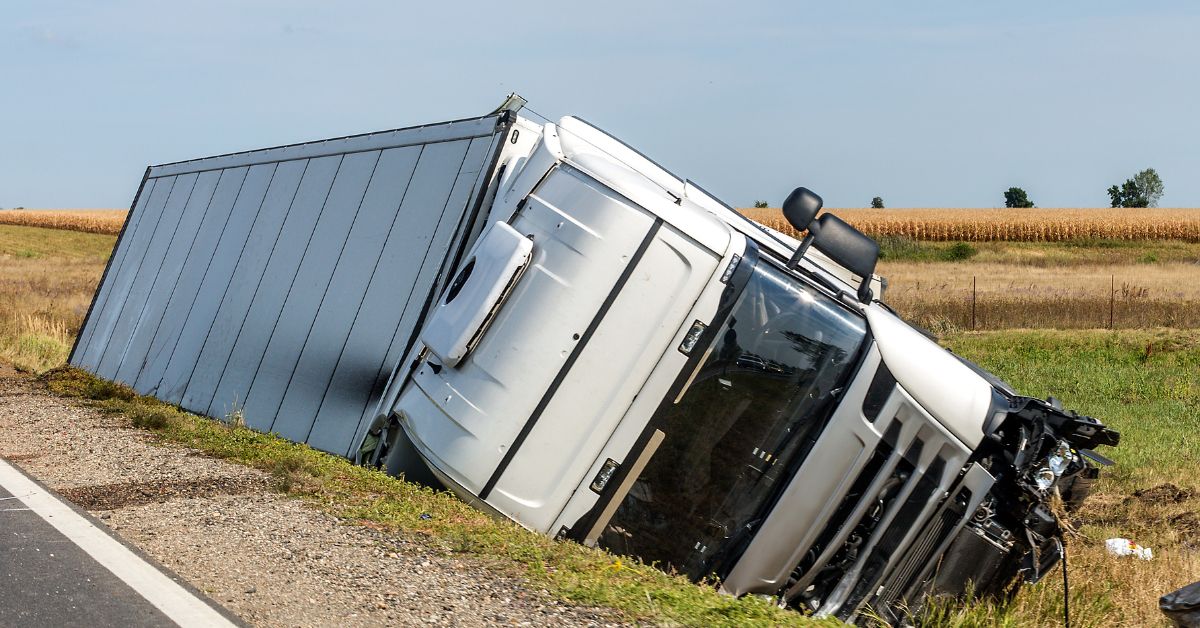
Legal Steps to Take Immediately After a Commercial Truck Accident
The moments after a crash with a semi-truck on I-5, I-90, or any Washington road can feel chaotic and overwhelming. These collisions can cause serious, life-altering injuries because these trucks are so large and heavy. What you do in the minutes and days after the accident can affect future legal claims. Understanding the steps to take after a truck accident can help you navigate Washington’s insurance and liability laws while you focus on your recovery.
Prioritize Immediate Safety and Medical Documentation
Your first concern should be safety. If you can, move your vehicle out of traffic to reduce the risk of another crash. Once you’re in a safe location, check yourself and your passengers for injuries. Under Washington law, any driver involved in a collision that results in injury or death must remain at the scene and provide assistance.
Get medical care as soon as possible. After a crash, adrenaline can hide signs of serious injuries, including internal bleeding or head trauma. Seeing a doctor right away also creates medical documentation connecting your injuries to the accident. If you delay treatment, an insurance company may question whether the crash caused your injuries or argue that they are not as serious as claimed.
Contact Law Enforcement and Secure an Official Report
Call 911 to ensure a Washington State Patrol officer or local police officer arrives at the scene. An officer will create an official collision report, which is a foundational piece of evidence. This report typically includes the officer’s observations, statements from the involved parties, and, sometimes, a preliminary determination of who was at fault.
Washington law requires that any accident involving injury, death, or property damage of $1,000 or more be reported within four days if law enforcement does not file a report. A police report contains essential information, including the trucking company’s name, the driver’s commercial driver’s license (CDL) details, and insurance policy information.
Gather Evidence
If you are able, use your phone to document the scene thoroughly. Take photos of:
- The positions of all vehicles before they are moved
- Damage to your car and the truck
- Skid marks, debris, and road conditions
- Traffic signs or signals near the intersection
- The truck’s DOT number, usually found on the side of the cab
Identify witnesses who stopped to help. Ask for their names and contact information. Witness statements are often more objective than the accounts given by the drivers involved.
Identify the Proper Parties and Insurance Entities
In a typical car accident, you deal with one driver and one insurance company. Trucking accidents are different. Multiple parties might share liability under Washington’s contributory fault rules. Potential responsible parties could include:
- The truck driver
- The trucking company
- The owner of the trailer
- The company that loaded the cargo
- The manufacturer of defective truck parts
Washington follows a pure comparative fault system. This means you can recover damages even if you were partially at fault for the accident, but your percentage of blame reduces your recovery. Identifying every entity involved ensures that all available insurance coverage is on the table.
Understand the Statute of Limitations in Washington
Time is a critical factor in any personal injury case. In Washington, the statute of limitations for personal injury claims is three years from the date of the accident.
Trucking companies often have rapid response teams that arrive at crash sites within hours to gather evidence that favors their defense. You need to act quickly to send a spoliation letter. This legal notice requires the trucking company to preserve black box data, driver logs, and maintenance records. If this evidence is destroyed or overwritten, proving negligence can be much harder.
Navigate Insurance Communications Carefully
Soon after the crash, you may hear from the trucking company’s insurance adjuster. They may sound understanding, but their job is to protect the company’s financial interests. You are not obligated to provide a recorded statement right away.
Be careful about what you say. Even casual remarks like “I’m sorry” or “I didn’t see the truck until the last second” can be taken as an admission of fault. It’s usually best to share only your basic contact information and let them know you plan to speak with an attorney before discussing the details of the accident.
Documentation for Long-Term Recovery
As you move through the recovery process, keep a detailed file of every expense and experience related to the accident. This includes:
- Medical bills and Explanations of Benefits
- Receipts for out-of-pocket costs like prescriptions or medical equipment
- Records of lost wages if you missed work
- A pain journal describing how your injuries affect your daily life and family interactions
Under Washington law, you may be entitled to both economic damages (tangible costs) and non-economic damages (pain and suffering). Precise documentation makes it much easier to calculate the actual impact the accident has had on your life.
Ritchie-Reiersen Injury & Immigration Attorneys Can Help
Ritchie-Reiersen Injury & Immigration Attorneys understands that a commercial truck accident does more than just damage your car; it disrupts your entire life. Our team takes a compassionate approach to every case, handling the aggressive tactics of trucking insurance companies so you can focus on your health. We have a long history in Washington and understand the specific local court procedures that affect your claim. Our goal is to ensure you are treated with dignity and that the parties responsible for your injuries are held accountable. If you have questions about your situation, we are here to listen and provide clear guidance.
If you or a loved one has been injured, call us today at (888) 884-7337 for a free consultation. We advocate for families across Washington, and we are ready to stand by your side during this difficult time.