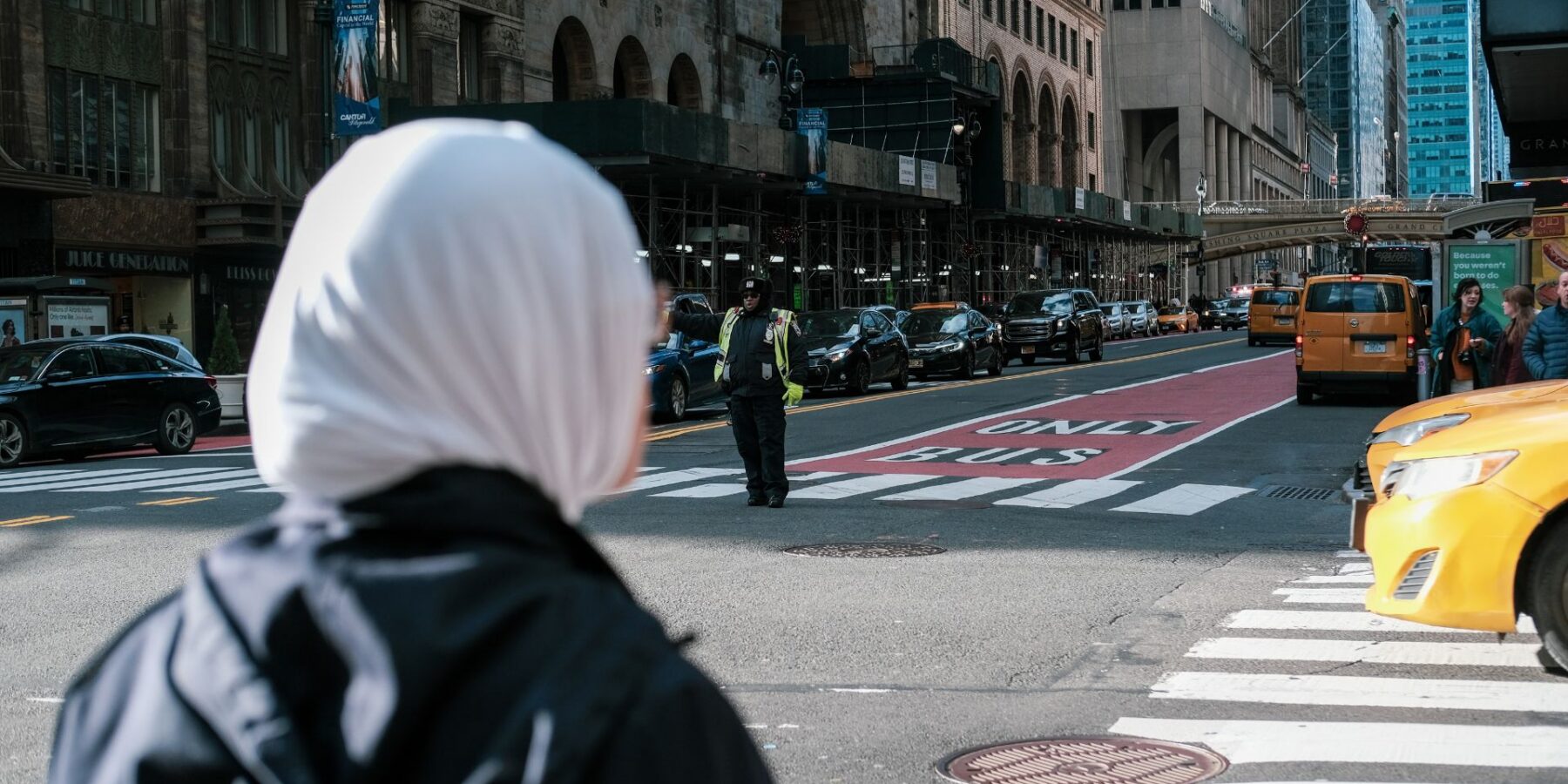
Pedestrian Accident Lawyers in Auburn
Pedestrian Accident Lawyers in Auburn help people recover footing after a vehicle strike turns an everyday moment into a medical and financial crisis. Auburn’s busy corridors, school zones, and shopping areas create constant crossing activity, especially near signalized intersections, bus stops, and parking lot entrances where drivers split attention between traffic, turns, and finding a place to stop. Pedestrian cases also move differently because injuries tend to be severe and insurers often push to reframe the event around reaction time, visibility, or where the person crossed. A strong claim starts with clear proof of what the driver did wrong and a damages picture that reflects the full impact of a sudden, violent injury.
Ritchie-Reiersen Injury & Immigration Attorneys represents injured pedestrians in Auburn with a structured, evidence-first approach that protects claim value from the start. We focus on establishing right-of-way and driver duties, preserving critical proof that may disappear quickly, and documenting injuries in a way that makes both the medical trajectory and daily limitations easy to understand. Our team manages insurer communication and settlement posture so you do not face pressure while you recover, attend appointments, and try to regain independence. If your case includes added complications, including immigration or employment concerns, we address them directly and protect your claim on those fronts as well.
Call (888) 884-7337 to schedule a free consultation with Ritchie-Reiersen Injury & Immigration Attorneys.
How Personal Injury Lawyers Determine Fault When a Pedestrian Is Struck in Auburn
Fault in a pedestrian accident is rarely determined by a single statement or a quick glance at a police summary. The key question is whether the driver acted with reasonable care under the circumstances and whether the pedestrian had a lawful, foreseeable presence in the roadway environment. Pedestrian Accident Lawyers in Auburn determine fault by reconstructing the sequence of movement, identifying the right-of-way rules that applied at that location, and testing each party’s choices against objective evidence. When the analysis is disciplined, it prevents insurers from turning a traumatic event into a debate about assumptions and instead keeps the claim focused on accountability and full compensation. At Ritchie-Reiersen Injury & Immigration Attorneys, we also look at how the driver approached the area, including speed, attention, and whether they had enough time and distance to avoid a strike with careful driving. We evaluate the crossing setting itself, such as signal timing, sight lines, and whether the location predictably draws foot traffic. This method helps limit the impact of comparative fault arguments that insurers often raise to reduce settlement value. The result is a clearer explanation of responsibility that supports fair compensation without relying on speculation.
Right-of-Way Rules and Crosswalk Expectations in Auburn Pedestrian Collisions
Many cases hinge on whether the pedestrian had the right-of-way in a marked crosswalk, an intersection crossing, or another designated crossing area. A skilled attorney evaluates signal phases, turning movements, and what a driver should have anticipated while approaching an area where pedestrians commonly cross. This is important because drivers and insurers often claim they did not see the pedestrian, but visibility does not erase the duty to keep a proper lookout.
Signalized Intersections and Turning Vehicle Conflicts in Auburn, Washington
Turning drivers often focus on gaps in car traffic and miss people entering the crosswalk. A knowledgeable lawyer examines whether the driver looked in the correct direction before committing to the turn and whether speed and timing allowed a safe stop. This analysis helps establish negligence when the turn was rushed or poorly controlled.
Left Turn Accidents Across Auburn Pedestrian Paths
Left turns can create high-risk conflicts because the driver scans for oncoming vehicles and neglects the crosswalk. A seasoned attorney evaluates approach speed, turn angle, and the timing of the pedestrian’s entry. This helps keep responsibility on the turning driver when the pedestrian’s presence was foreseeable.
Right Turns Collisions and Crosswalk Entry Errors in Auburn
Right-turn cases often involve drivers rolling through a stop or turning on red without a full scan. An experienced lawyer looks for evidence of a rolling turn, a late brake, or a quick acceleration that made the strike unavoidable. This helps prevent insurers from claiming the pedestrian stepped out “too quickly” when the driver never fully yielded.
Unmarked Crosswalks and Intersection Crossings Near Auburn
Some pedestrian collisions occur where no painted crosswalk exists but the location still functions as an intersection crossing. A skilled attorney evaluates whether the driver should have expected a pedestrian movement based on roadway design and normal use. This can be decisive when the defense argues the pedestrian crossed in an unsafe or unexpected place.
Road Design Features That Make Pedestrian Presence Predictable
Curb ramps, sidewalks, bus stops, and cross streets often signal pedestrian activity even without paint. A knowledgeable lawyer uses these features to show why the driver had a duty to approach cautiously. This supports stronger compensation because it ties negligence to foreseeable risk.
Evidence That Clarifies Movement and Perception in Pedestrian Injury Cases
Insurers commonly argue that the pedestrian was hard to see or that the driver had no time to react. A seasoned attorney counters this by focusing on objective proof that shows where each person was, how fast the vehicle approached, and what the driver should have perceived. The goal is to replace speculation with a verifiable sequence that supports liability.
Scene Reconstruction Based on Distances, Sight Lines, and Impact Location
Impact location can reveal whether the pedestrian was already well into the crossing or stepped into the travel lane late. A skilled lawyer examines vehicle rest position, debris patterns, skid evidence, and the relationship between the point of impact and crosswalk boundaries. This helps establish fault when the driver had time and space to avoid the strike.
Using Visibility and Lighting Conditions to Evaluate Reasonable Driving After a Hitting a Pedestrian
Weather, darkness, and glare can affect what a driver sees, but they also increase the duty to slow down and scan. An experienced attorney evaluates whether the driver adjusted speed to match conditions. This framing prevents the defense from using poor visibility as an excuse rather than as proof the driver should have exercised more caution.
Video, Witness Statements, and Third-Party Confirmation of Pedestrian Collisions
Pedestrian collisions often happen near businesses, intersections, and public facilities that may have camera coverage. A knowledgeable lawyer works quickly to secure footage and identify witnesses before memories fade. This outside confirmation can be essential when the driver’s version and the pedestrian’s version conflict.
How Auburn Personal Injury Attorneys Protect Evidence Before It Gets Deleted
Many systems overwrite footage within days or weeks. A seasoned attorney acts fast to request preservation and gather copies, especially when the injury is severe and the claim value is high. This early action can significantly improve settlement posture.
Driver Conduct Factors That Commonly Establish Negligence in Auburn Pedestrian Strikes
Fault often becomes clearer when the driver behavior shows inattention or impatience rather than a true surprise event. A skilled attorney examines whether the driver was distracted, speeding, or failing to yield in a location that demanded extra care. These facts matter because they shape both liability and the tone of settlement negotiations.
Distracted Driving and Lookout Failures
Many pedestrian collisions occur because the driver did not scan the roadway environment consistently. A knowledgeable lawyer looks for indicators of distraction, delayed braking, and inconsistent statements about what the driver saw. This helps establish negligence when the driver should have noticed a pedestrian earlier.
Cell Phone Use, Navigation Attention, and Cognitive Distraction
Distraction is not always physical phone use, it can include navigation checks and divided attention. An experienced attorney evaluates the timing of events and the driver’s response to determine whether attention lag contributed. This can support a stronger liability case when the driver’s story does not match the physical evidence.
Speed and Approach Behavior in High Crossing Areas
Even modest speeding can eliminate the time a driver needs to stop safely for a pedestrian. A seasoned attorney examines approach speed relative to the crossing environment, especially near schools, bus stops, and commercial zones. This can strengthen a claim when the driver’s speed made a safe yield impossible.
Failure to Slow for Congestion and Crossing Activity
Drivers should reduce speed when they approach dense activity areas. A knowledgeable lawyer highlights whether the driver ignored congestion cues, stopped vehicles, or obvious pedestrian movement nearby. This supports liability because it frames the strike as predictable and preventable.
Comparative Fault Arguments and How Lawyers Keep Them Evidence-Based
Insurers often try to shift part of the blame to the pedestrian to reduce settlement value. They may argue the pedestrian crossed outside a crosswalk, wore dark clothing, or entered the roadway too quickly. Pedestrian Accident Lawyers in Auburn counter these comparative fault arguments by focusing on what the driver could and should have avoided with reasonable care.
Separating Pedestrian Conduct From the Driver’s Duty to Avoid a Collision
A driver still has a duty to keep a proper lookout and take reasonable steps to avoid striking a person. A seasoned attorney emphasizes that duty and demands proof for any comparative fault claim. This helps keep settlements fair by preventing blame from being assigned based on assumption.
Preventing Small Details From Becoming the Entire Defense Strategy
Comparative fault often starts with a minor detail that gets inflated into a major settlement reduction. An experienced lawyer keeps the analysis anchored to causation and the driver’s choices, not to distractions that do not explain the strike. This approach supports maximum compensation because it protects the claim from being negotiated down through narrative tricks.
Coordinating Medical and Timeline Documentation to Support Credibility
Credibility plays an outsized role in pedestrian cases, especially when the injured person has incomplete memory due to trauma. A knowledgeable attorney organizes treatment notes, injury mechanisms, and recovery timeline so the story reads consistently. This consistency reduces insurer leverage and helps negotiations focus on fair value.
Making the Claim Coherent From First Report to Final Demand
A strong claim reads as structured, truthful, and supported. A seasoned attorney ensures statements align with objective evidence and medical documentation. That coherence often improves outcomes because insurers take the claim more seriously when it is hard to pick apart.
Insurance Company Defense Strategies Used in Pedestrian Accident Claims
Pedestrian injury claims often trigger aggressive defense behavior because the injuries can be severe and the settlement exposure can be high. Insurers know that a single strike can lead to surgery, prolonged rehabilitation, and lasting limitations, so they look for ways to reduce fault, reduce damages, or delay the point where your case gets valued fairly. Many of these tactics are designed to reshape the narrative before you have complete medical documentation or before critical evidence gets preserved. Pedestrian Accident Lawyers in Auburn anticipate these strategies early and keep the claim centered on provable facts, credible medical support, and a valuation that matches the true impact of being hit.
Blame-Shifting Through Comparative Fault Narratives
One of the most common defense strategies is to assign a percentage of fault to the pedestrian, even when the driver caused the strike. Insurers often frame pedestrian behavior as careless by focusing on crossing location, walking speed, clothing visibility, or distraction claims. A skilled attorney counters these narratives by demanding proof and keeping the discussion tied to what actually caused the collision.
“You Were Not in the Crosswalk” Arguments in Pedestrian Crash Incidents
Carriers sometimes treat crosswalk location as if it decides liability automatically. An experienced lawyer evaluates the broader context, including driver speed, lookout, and whether the pedestrian presence was foreseeable in that area. This keeps the claim from being reduced by a simplistic argument that ignores the driver’s duty to avoid striking a person.
Turning Location Disputes into Evidence-Based Causation Questions
A strong response focuses on whether the driver could and should have avoided impact with reasonable attention and speed control. A knowledgeable attorney uses scene context, timing, and roadway design to show why the strike was preventable. This helps preserve settlement value by challenging blame that rests on assumption.
How Pedestrian Accident Lawyers in Auburn Counter “You Appeared Suddenly” and Reaction Time Theories
Insurers often claim the pedestrian stepped out unexpectedly, leaving the driver no time to respond. A seasoned lawyer tests that claim against distances, approach speed, and what the driver should have seen. This approach prevents insurers from relying on a convenient narrative that may not match the physical reality.
Evaluating the Driver’s Duty to Slow in Pedestrian-Dense Areas
Areas near bus stops, schools, and shopping corridors require caution because foot traffic is predictable. An experienced attorney emphasizes that predictability and shows how speed choice affects stopping ability. This can strengthen liability because it frames the strike as a consequence of poor approach behavior.
Undervaluing Pedestrian Collision Injuries by Minimizing Medical Complexity
Pedestrian injuries can involve multi-system trauma that evolves over weeks, not just the first emergency visit. Insurers often try to value the case before specialists complete imaging, surgeries, or long-term recovery planning. A skilled attorney keeps valuation tied to the medical trajectory, not to the earliest snapshot.
Cherry-Picking Medical Notes to Suggest Quick Recovery from Pedestrian Accident Injuries
Adjusters may highlight a single optimistic comment while ignoring later findings, setbacks, or specialist recommendations. A knowledgeable attorney organizes the medical timeline so the full picture stays visible. This reduces the defense’s ability to downplay the claim through selective interpretation.
Framing Treatment Progression as Normal, Not Suspicious
Recovery is rarely linear, and flare-ups or delayed symptoms are common after a vehicle strike. An experienced lawyer documents why the treatment path makes medical sense and why later care does not equal exaggeration. This improves trustworthiness and supports maximum compensation.
When Symptoms are Blamed on Preexisting Conditions in Auburn Pedestrian Accidents
Insurers often search medical history for any prior injury or degenerative condition they can use to argue the crash did not cause the problem. A seasoned attorney distinguishes baseline health from crash-related change and uses records to show what the collision worsened or triggered. This protects the claim from being discounted due to unrelated history.
Demonstrating Before-and-After Functional Change
The most persuasive counter is often what changed in daily function after the strike. A skilled attorney documents work capacity, mobility limits, sleep disruption, and activity loss in concrete terms. This supports damages by showing the collision created a new limitation, not a continuation of an old one.
Using Procedural Pressure to Force Early Decisions on Pedestrian Accident Victims
Insurers often create artificial urgency to encourage quick statements, broad authorizations, or early settlement talks. Pedestrian claimants may feel overwhelmed and accept terms that later limit recovery. A skilled attorney slows the process down where needed while still moving the case forward strategically.
How Recorded Statements and Leading Questions Can be Used to Undervalue Claims
Adjusters may request a recorded statement and steer the conversation toward admissions about visibility, distraction, or crossing behavior. An experienced lawyer helps clients avoid speculation and keeps the record accurate. This protects credibility because it reduces the chance that a stressful conversation becomes a long-term liability issue.
Preventing Small Wording Issues from Becoming a Settlement Discount
Insurers often treat ordinary phrases as admissions of fault. A knowledgeable attorney helps ensure communication stays precise and consistent. This keeps the defense from using language tricks to justify a lower offer.
How Broad Medical Releases and Overreaching Record Requests Affect Auburn Personal Injury Claims
Some carriers request expansive authorizations that allow them to comb through unrelated medical history. A seasoned attorney limits overreach and keeps the claim focused on relevant care. This protects clients because unnecessary disclosure often leads to distraction arguments.
Keeping Documentation Targeted Without Creating Gaps
The goal is not to hide information, it is to keep the process fair and relevant. An experienced lawyer provides necessary records in an organized way that supports the claim narrative. That organization often increases settlement leverage because it signals preparedness.
How Surveillance and Social Media Mischaracterization Can Hamper Pedestrian Accident Settlements
Insurers sometimes use surveillance or online content to suggest a pedestrian is not truly injured. A short clip or a single photo can get framed as proof of full recovery, even when the person is still in pain and managing limitations. A skilled attorney prepares clients for this tactic and keeps the case focused on medical reality.
Out-of-Context Footage and “Gotcha” Presentations from Defense Teams
Surveillance captures moments, not the full day. A knowledgeable attorney counters this by documenting pain variability, treatment demands, and activity modification. This prevents an insurer from using selective imagery to reduce damages.
Aligning Daily Activity with Medical Restrictions
Most injured people still have to live their lives, even when they are hurting. An experienced lawyer helps clients understand how to describe activity honestly without giving the defense misleading soundbites. This supports credibility and settlement strength.
How Insurers Use Multi-Carrier Confusion and Coverage Games to Minimize Pedestrian Crash Settlements
Pedestrian claims can involve multiple policies, including the driver’s liability coverage and the injured person’s own underinsured motorist coverage. Insurers sometimes use coverage complexity to delay progress or push the claim toward the smallest available policy. A skilled attorney identifies coverage early and keeps the case positioned for full recovery.
Low Policy Limits and Attempts to Cap Exposure
When limits are low, carriers may try to settle quickly and close the file before broader options are explored. A knowledgeable attorney evaluates whether additional coverage exists and whether underinsured motorist benefits apply. This protects the client from leaving compensation on the table.
Coordinating Claims Without Inconsistent Narratives
Multiple claims can create multiple sets of statements and paperwork. An experienced lawyer keeps the story consistent across all channels so one insurer cannot use another file to undermine the case. This coordination supports higher net compensation and stronger client outcomes.
Why Accident Victims in Auburn, Washington Turn to Ritchie-Reiersen
A pedestrian injury in Auburn can change life fast because recovery often involves more than a short course of treatment. You may face mobility limits, time away from work, and a long stretch of uncertainty while insurers try to reframe what happened and what your injuries are worth. Ritchie-Reiersen Injury & Immigration Attorneys helps injured pedestrians regain control by providing steady guidance and a case plan built around clear fault analysis and credible documentation. We understand how quickly these claims can get shaped by early assumptions, and we work to keep the focus on the driver’s responsibility and the true impact of the strike.
Clients also turn to our firm because we bring structure to the most stressful parts of a pedestrian case. We handle insurer communication, help you avoid statements that get taken out of context, and build a damages narrative that reflects both medical reality and day-to-day limitations. Our team stays responsive and transparent, so you understand what is happening and why each step matters. If your situation includes added concerns, including immigration or employment issues, we address them carefully and directly so those pressures do not interfere with your ability to pursue full compensation.
Call (888) 884-7337 to speak with Ritchie-Reiersen Injury & Immigration Attorneys about your Auburn pedestrian accident and your options for moving forward.






Get In Touch
Schedule a Free Legal Consultation With Us
If you or a loved one needs the assistance of a personal injury or immigration attorney, don’t hesitate to reach out. Ritchie-Reiersen Injury & Immigration Attorneys can help you with their extensive experience.
- Proven results
- Years of courtroom experience
- No upfront costs for injury clients
- We are available 24/7 for clients