Dog Bite Lawyers in Twin Falls
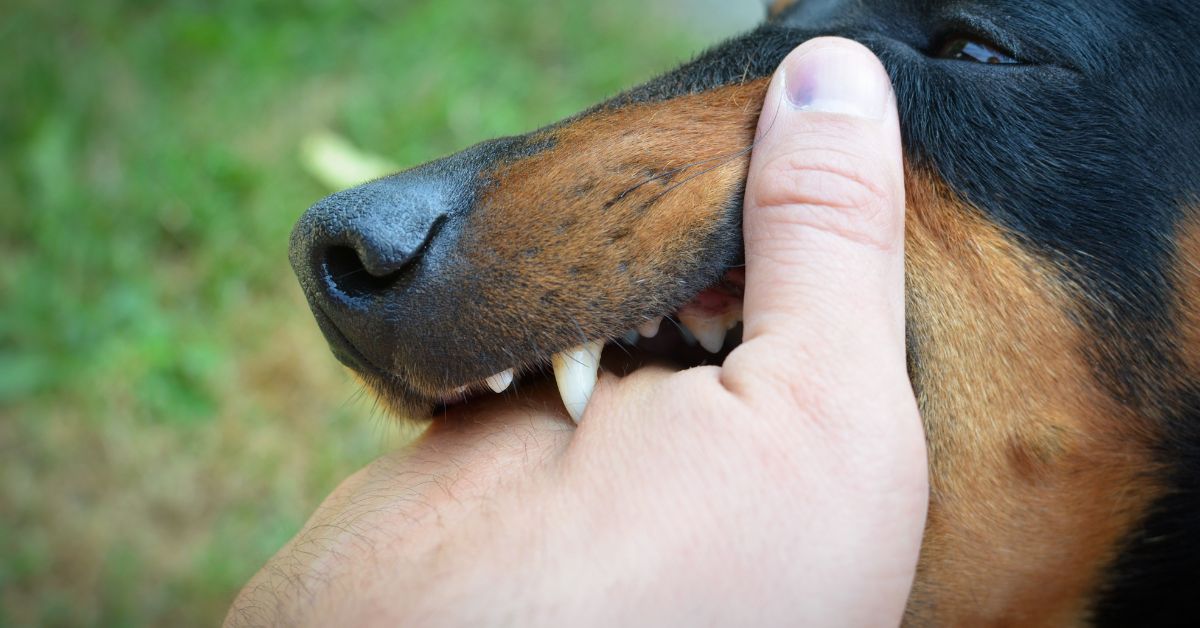
When a dog attack occurs, the cause is usually connected to how the animal was managed before the incident. Behavior patterns, prior warnings, and the level of control exercised by the owner all play a role in how liability is evaluated under Idaho law. Dog bite lawyers in Twin Falls examine how those factors come together to explain why the attack happened and if it could have been prevented. This includes looking at how the dog was restrained, how it interacted with people, and what precautions were taken in the surrounding environment. Each detail contributes to understanding whether the owner met their duty to prevent harm. Establishing that context becomes essential when determining responsibility.
Injury claims involving dog bites require a careful look at how physical harm develops and how it affects recovery over time. Dog bite lawyers in Twin Falls review medical treatment, wound progression, and potential complications such as infection or scarring. Attorneys evaluate how these injuries influence mobility, daily activity, and long-term health. Each component must connect the attack to measurable physical and emotional impact. Insurance carriers often examine these claims closely, especially when injuries require ongoing care. Call Ritchie-Reiersen Injury & Immigration Attorneys at (888) 884-7337 and learn how we can help you with your dog bite case today.
How Dog Bite Lawyers in Twin Falls Establish Liability Based on Owner Conduct
Ritchie-Reiersen Injury & Immigration Attorneys assigns liability by examining how the owner managed, controlled, and supervised the animal before the attack occurred. Responsibility in these cases often depends on whether the owner took reasonable steps to prevent harm based on the dog’s behavior and the surrounding environment. Dog bite lawyers in Twin Falls focus on what the owner knew about the dog and how they responded to that knowledge in real-world situations. This includes evaluating whether the dog was properly restrained, monitored, or allowed to interact freely with others. Each factor contributes to determining whether the owner failed to prevent a foreseeable risk. A detailed review of these conditions helps explain why the incident occurred.
Evaluating owner conduct also requires connecting specific actions or inactions to the moment the attack happened. Dog bite lawyers in Twin Falls analyze how decisions made before the incident influenced the outcome in real time. Attorneys review how the dog was handled, where it was located, and what level of supervision was in place. This process ensures that liability is based on actual behavior rather than assumptions about the situation. Each conclusion must be supported by evidence that reflects how the owner exercised control. A clear alignment between conduct and outcome strengthens the claim.

Examining Control and Restraint at the Time of the Incident
Attorneys evaluate whether the owner maintained appropriate control over the dog when the incident occurred. This includes reviewing whether the animal was leashed, secured, or otherwise prevented from reaching others. Situations where a dog is allowed to roam freely or escape confinement often raise questions about owner responsibility. Attorneys examine how the environment and conditions affected the owner’s ability to maintain control. Evidence is used to determine whether reasonable precautions were in place. Proper evaluation helps clarify whether the owner failed to manage the risk.
Reviewing Physical Control Measures
Attorneys analyze the methods used to restrain or contain the dog before the attack. This includes evaluating fences, leashes, gates, or other control mechanisms. Effective restraint is measured by whether it prevented the dog from causing harm.
Connecting Lack of Control to the Attack
Attorneys link failures in restraint or supervision directly to how the dog reached the injured person. This includes showing how gaps in control allowed the incident to occur. A clear connection supports assigning liability based on owner conduct.
Assessing Prior Behavior and Known Risks
Attorneys examine whether the dog had shown signs of aggression or behavior that could indicate a risk before the attack. This includes reviewing past incidents, complaints, or warnings that may have put the owner on notice. Knowledge of prior behavior can influence how responsibility is determined under Idaho law. Attorneys evaluate how the owner responded to any known risks and whether precautions were adjusted accordingly. Each piece of evidence helps establish what the owner understood about the dog’s tendencies. Accurate assessment supports claims involving foreseeable harm.
Investigating History of Aggressive Behavior
Attorneys review records and witness accounts to determine whether the dog had previously acted aggressively. This includes identifying incidents that may have indicated a pattern of behavior. Evidence of prior aggression helps establish knowledge of risk.
Evaluating Owner Awareness of Potential Danger
Attorneys assess whether the owner recognized or should have recognized the risk posed by the dog. This includes examining how the owner responded to earlier warning signs. Demonstrating awareness supports claims involving preventable harm.
Analyzing Supervision and Environmental Conditions
Attorneys evaluate how the dog was supervised and how the surrounding environment contributed to the incident. This includes examining whether the owner was present, attentive, and capable of controlling the situation. Environmental factors such as open access points or crowded settings may increase risk. Attorneys analyze how these conditions interacted with the dog’s behavior at the time. Each factor is used to determine whether proper supervision was maintained. Careful analysis helps establish whether the situation could have been controlled.
Reviewing Owner Presence and Attention
Attorneys examine whether the owner was actively monitoring the dog when the incident occurred. This includes evaluating whether the owner was in a position to intervene. Proper supervision is assessed based on the owner’s ability to respond.
Connecting Environmental Factors to Risk
Attorneys link conditions such as open spaces, unsecured areas, or distractions to the likelihood of an attack. This includes showing how the environment allowed the situation to escalate. Clear linkage supports evaluating responsibility.
Using Evidence to Define Owner Responsibility
Attorneys rely on documentation and witness accounts to establish how the owner’s conduct contributed to the incident. This includes reviewing reports, photographs, and statements that describe what occurred. Each piece of evidence is organized to support a consistent explanation of events. Attorneys ensure that findings align with both legal standards and real-world conditions. Strong evidence provides a clear basis for determining liability. A well-supported claim helps ensure that responsibility is accurately assigned.
Collecting Statements and Incident Documentation
Attorneys gather witness statements, incident reports, and other records that describe the attack and surrounding circumstances. These materials help establish what occurred and how the owner managed the situation. Proper collection ensures that key details are preserved.
Presenting Conduct in a Clear Legal Framework
Attorneys organize evidence so that the owner’s actions are evaluated within applicable legal standards. This includes aligning facts with how liability is determined under Idaho law. A clear presentation supports accurate resolution of the claim.
How Dog Bite Lawyers in Twin Falls Document Initial Injuries and Long-Term Harm After an Attack
Dog bite lawyers in Twin Falls document injuries by first establishing what occurred immediately after the attack and how those injuries developed in the hours and days that followed. Bite wounds often involve more than surface damage, especially when teeth penetrate tissue and create a risk of infection or deeper complications. Attorneys review emergency treatment, wound care, and early medical observations to understand the full extent of initial harm. This includes identifying puncture depth, tissue damage, and any early signs of complications. Each finding must be supported by medical documentation that reflects how the injury presented at the time. A clear record of the initial condition provides a baseline for evaluating long-term effects.
Long-term harm is documented by examining how injuries evolve and whether they result in lasting physical or functional changes. Dog bite lawyers in Twin Falls evaluate how healing progresses and whether complications such as scarring, nerve damage, or restricted movement develop over time. Attorneys review follow-up treatment, specialist evaluations, and recovery outcomes to determine how the injury continues to affect the individual. This process focuses on connecting early medical findings with later developments to show a continuous progression. Each stage of recovery must align with documented evidence. Consistent documentation helps ensure that long-term harm is accurately represented.
Identifying the Full Extent of Initial Wound Damage
Attorneys assess how the bite affected the body at the time of the incident, including the depth and severity of the wound. This includes examining whether the injury involved muscle, nerves, or other underlying structures. Early medical evaluations provide critical information about the nature of the damage. Attorneys connect these findings to how the injury occurred during the attack. Evidence must reflect both visible and internal harm. Accurate identification supports a complete understanding of the injury.
Reviewing Emergency Treatment and Medical Findings
Attorneys analyze records from initial medical care to determine how the injury was treated immediately after the attack. This includes examining physician notes, diagnostic findings, and treatment decisions. A detailed review helps establish the seriousness of the injury at the outset.
Connecting Early Treatment to Injury Severity
Attorneys link the type of medical care provided to the level of harm caused by the bite. This includes showing how treatment reflects the severity of the injury. A clear connection supports an accurate evaluation of damages.
Tracking Infection Risk and Healing Complications
Attorneys evaluate whether the injury developed complications during the healing process, including infection or delayed recovery. Bite wounds can introduce bacteria that require careful monitoring and treatment. Medical records are used to document how the wound responded to care over time. Attorneys assess whether additional treatment was needed to address complications. Each development must be connected to the original injury. Proper tracking ensures that complications are fully considered.
Monitoring Medical Treatment for Infection
Attorneys review follow-up care to determine whether signs of infection were present and how they were treated. This includes evaluating medication, wound care, and physician observations. Accurate monitoring supports claims involving complications.
Linking Complications to the Original Injury
Attorneys connect any infection or delayed healing directly to the bite wound and its progression. This includes demonstrating how complications arose from the initial injury. Strong linkage supports comprehensive damage claims.
Documenting Permanent Scarring and Nerve Damage
Attorneys examine whether the injury resulted in visible scarring or damage to nerves that affect sensation or movement. Scarring can have both physical and emotional consequences, especially when it occurs in visible areas. Medical evaluations are used to determine whether nerve function has been affected. Attorneys connect these findings to how the bite impacted the body during the attack. Each effect must be supported by consistent documentation. Clear evidence of permanent damage strengthens the claim.
Evaluating Long-Term Physical Changes
Attorneys review medical assessments that describe lasting changes to the skin, tissue, or nerve function. This includes identifying permanent scars or reduced sensation. Detailed evaluation supports claims involving lasting harm.
Connecting Lasting Effects to Daily Impact
Attorneys demonstrate how scarring or nerve damage affects everyday comfort and physical ability. This includes showing how these changes influence routine activities. Clear connection supports long-term damage claims.
Showing How Injuries Affect Function Over Time
Attorneys assess how the injury continues to influence movement, strength, and overall function as recovery progresses. This includes evaluating whether the individual can return to normal activities without limitation. Medical and functional assessments are used to measure changes in ability. Attorneys connect these findings to the original injury and its progression. Each limitation must be supported by evidence that reflects ongoing impact. Documenting functional change ensures that the claim reflects the full extent of harm.
Reviewing Functional Limitations During Recovery
Attorneys analyze how physical ability changes throughout the recovery process, including restrictions on movement or strength. This includes evaluating therapy records and medical recommendations. An accurate review supports claims involving reduced function.
Linking Functional Loss to Long-Term Consequences
Attorneys connect ongoing limitations to the original injury and demonstrate how they affect daily life. This includes showing how recovery does not fully restore prior ability. Strong linkage supports comprehensive compensation claims.
The Legal Strategy Ritchie-Reiersen Injury & Immigration Attorneys Applies to Dog Bite Injury Claims in Twin Falls
Ritchie-Reiersen Injury & Immigration Attorneys develops dog bite claims by focusing on how owner decisions, animal behavior, and injury progression intersect to explain why the attack occurred and how it continues to affect the injured person. These cases depend on more than identifying that a bite happened, since liability often turns on what the owner knew and how the situation was managed beforehand. Attorneys examine how the dog was controlled, what conditions were present, and how those factors combined in the moments leading up to the incident. Each claim is structured around a clear sequence of events that connects conduct to outcome. This approach ensures that responsibility is based on documented facts rather than assumptions about animal behavior. Establishing that connection early shapes how the claim is evaluated moving forward.
The firm also emphasizes how injuries develop over time and how those changes must be presented in a consistent and well-supported manner. Dog bite lawyers in Twin Falls organize medical evidence so that initial harm, treatment progression, and long-term effects all align within the same narrative. Attorneys review how wounds heal, whether complications arise, and how those outcomes influence daily function. Each stage of recovery is documented to show continuity between the attack and lasting impact. This prevents gaps that insurers may use to question the severity of the injury. Consistent documentation strengthens the overall position of the claim.

Connecting Owner Decisions to Preventable Risk
Attorneys analyze how the owner handled the dog prior to the incident and whether those decisions created conditions where an attack could occur. This includes evaluating supervision, restraint, and how the dog was allowed to interact with others. Each action is reviewed in the context of what a reasonable person would have done under similar circumstances. Attorneys connect these decisions to the specific events that led to the bite. Evidence is organized to show how the risk developed over time. This analysis helps establish whether the incident was preventable.
Evaluating Supervision and Control Before the Incident
Attorneys examine whether the owner maintained appropriate oversight of the dog based on the environment and surrounding activity. This includes assessing whether the dog was properly restrained or allowed to move freely. Careful evaluation helps determine whether control measures were sufficient.
Linking Owner Conduct to the Conditions of the Attack
Attorneys connect how the owner managed the dog to the situation that allowed the bite to occur. This includes identifying where decisions increased the likelihood of harm. Clear linkage supports assigning responsibility based on preventable risk.
Using Behavioral History to Support Liability
Attorneys review the dog’s past behavior to determine whether there were warning signs that indicated a risk of aggression. This includes examining prior incidents, complaints, or patterns that may have put the owner on notice. Each piece of information is used to establish what the owner knew or should have known. Attorneys connect this knowledge to how the dog was managed at the time of the attack. Evidence of prior behavior strengthens claims involving foreseeability. This approach supports liability based on known risk.
Investigating Prior Incidents and Warning Signs
Attorneys gather records and witness accounts that describe earlier behavior involving the dog. This includes identifying patterns that suggest a potential for aggression. Documented history helps establish awareness of risk.
Demonstrating Owner Awareness of Behavioral Risk
Attorneys show how the owner responded to prior warning signs and whether precautions were adjusted. This includes evaluating whether reasonable steps were taken to prevent harm. Evidence of awareness supports claims involving preventable incidents.
Aligning Medical Evidence With Injury Development
Attorneys connect medical findings to how the injury progressed from the initial bite through recovery and any lasting effects. This includes reviewing treatment records, wound progression, and complications such as infection or scarring. Each stage of care is analyzed to ensure consistency with how the injury developed. Attorneys organize medical documentation to reflect a continuous progression. This prevents disputes over whether later issues are related to the original injury. Strong alignment supports accurate evaluation of damages.
Reviewing Treatment Progression and Healing Patterns
Attorneys examine how medical care addressed the injury and how the wound responded over time. This includes evaluating whether healing occurred as expected or involved complications. Detailed review supports claims involving extended recovery.
Connecting Medical Findings to Long-Term Impact
Attorneys link ongoing symptoms and physical changes to the original injury sustained during the attack. This includes demonstrating how the effects continue beyond initial treatment. Clear connection supports claims involving lasting harm.
Structuring Claims for Clear Liability and Damages Evaluation
Attorneys organize each claim so that liability and injury impact are presented within a consistent and well-supported framework. This includes aligning evidence, medical records, and factual analysis to reflect the same sequence of events. Each component is structured to prevent contradictions that could weaken the claim. Attorneys ensure that the case presents a clear explanation of both cause and effect. This approach allows insurers and courts to evaluate the claim without confusion. Strong organization improves how the claim is resolved.
Aligning Evidence Across All Claim Components
Attorneys coordinate documentation so that each piece of evidence supports the same narrative of events and injury progression. This includes ensuring consistency across reports, records, and statements. Proper alignment strengthens the credibility of the claim.
Presenting the Claim in a Unified Framework
Attorneys arrange all elements of the case into a cohesive structure that explains how the incident occurred and how it affected the injured person. This allows for clear and effective evaluation. A cohesive presentation strengthens overall claim outcomes.
Get Your Free Consultation From Ritchie-Reiersen Injury & Immigration Attorneys Today
Dog bite claims can become difficult to resolve when the circumstances leading up to the attack are not clearly explained, especially when questions arise about control, prior behavior, and what precautions were taken. In many dog attack cases, the key issue becomes identifying how that escalation was allowed to happen and what factors contributed to it. Every detail is positioned to show how the conditions surrounding the dog created a preventable risk of harm.
Moving forward depends on understanding how medical recovery and future limitations connect back to that same moment. Dog bite claims require more than documenting an injury because the lasting effects often develop over time. Ritchie-Reiersen Injury & Immigration Attorneys works with you to organize those details into a claim that reflects how these cases are examined under Idaho law. Call us at (888) 884-7337 or visit our contact page to get a free case review from our dog bite lawyers in Twin Falls.








Get In Touch
Schedule a Free Legal Consultation With Us
If you or a loved one needs the assistance of a personal injury or immigration attorney, don’t hesitate to reach out. Ritchie-Reiersen Injury & Immigration Attorneys can help you with their extensive experience.
- Proven results
- Years of courtroom experience
- No upfront costs for injury clients
- We are available 24/7 for clients