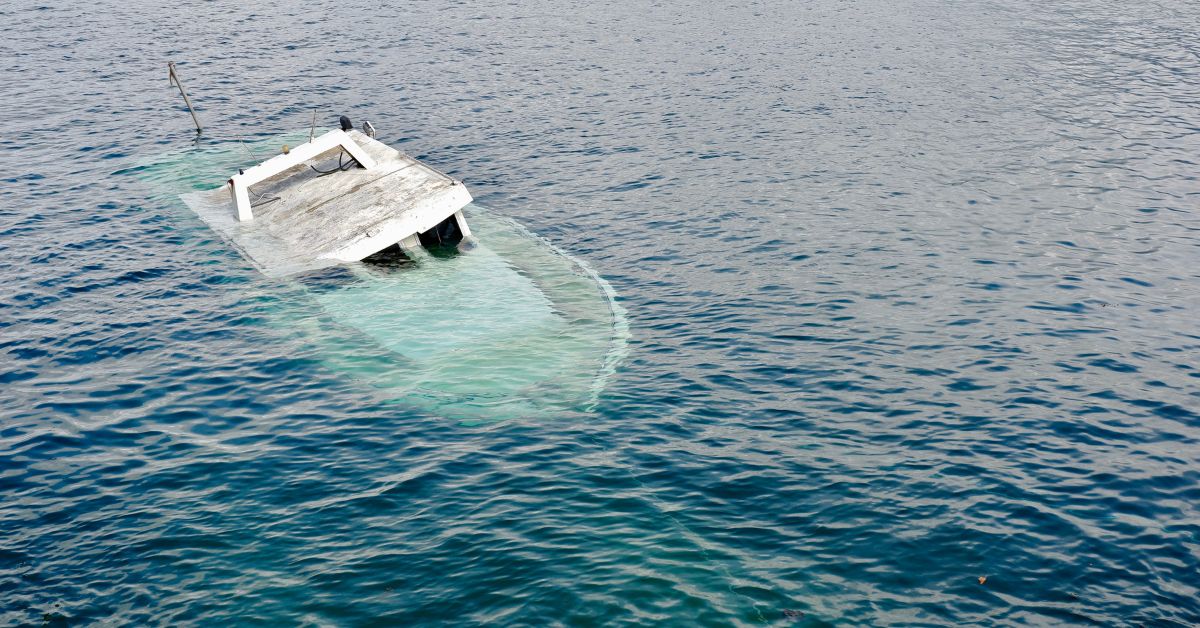
Boat Accident Lawyers in Tacoma
Water-related accidents can escalate quickly, especially when speed, alcohol use, mechanical failure, or inexperience are involved. Collisions between boats, capsizing incidents, and unsafe operation in crowded waterways may cause serious injury. Serious boating collisions, even through recreational use, may result in traumatic brain injury, spinal damage, drowning incidents, or other long-term harm. Victims often face complicated insurance disputes and uncertainty about how maritime safety regulations affect their claims. When these accidents occur, victims frequently reach out to boat accident lawyers in Tacoma for legal help.
Determining liability after a boating accident requires analysis of navigation rules, alcohol involvement, equipment condition, and emergency response timing. Boat accident lawyers in Tacoma investigate vessel operation records, maintenance documentation, and official incident reports to identify preventable safety failures. Because evidence on the water can disappear quickly, early legal involvement can protect critical documentation and witness accounts. Ritchie-Reiersen Injury and Immigration Attorneys develops boating injury cases with disciplined preparation designed to support full financial recovery. Call (888) 884-7337 or visit our contact page to discuss your boating injury case.
How Boat Accident Lawyers in Tacoma Investigate Watercraft Collisions

Investigating a boating collision requires a different approach than examining a roadway accident. Conditions on the water change quickly, and physical evidence may drift, sink, or become unavailable within hours. Boat accident lawyers in Tacoma evaluate navigational conduct, vessel speed, operator training, and compliance with maritime safety standards to determine how the crash occurred. Early investigation may involve reviewing Coast Guard reports, marina documentation, and eyewitness accounts gathered at the scene. Timely investigation preserves critical maritime evidence.
Boat accident lawyers in Tacoma also assess whether equipment failure, alcohol use, or improper lookout contributed to the collision. Liability may extend beyond the operator to rental companies, boat owners, or maintenance providers depending on the circumstances. Determining fault requires reconstruction of vessel paths, wake patterns, and response timing before impact. Detailed factual development strengthens liability analysis. Thorough case building supports financial recovery.
Reviewing Official Incident and Coast Guard Reports
Serious boating accidents may generate formal reports from local law enforcement or the United States Coast Guard. These reports can document vessel registration, operator statements, weather conditions, and initial fault observations. Attorneys examine discrepancies between written accounts and physical damage patterns to identify inconsistencies. Official documentation provides an evidentiary starting point for deeper analysis. Report review anchors investigative groundwork.
Comparing Statements With Physical Damage Evidence
Written accounts may conflict with hull damage, propeller markings, or debris location. Attorneys analyze photographs and repair estimates to determine impact direction and relative speed. Physical indicators clarify disputed collision narratives.
Identifying Gaps or Missing Documentation
Incomplete reports may omit key witness names or environmental conditions. Attorneys follow up to secure supplemental information when available. Filling documentation gaps strengthens liability arguments.
Examining Vessel Operation and Navigation Conduct
Operators are required to maintain proper lookout, safe speed, and awareness of surrounding traffic. Failure to yield, improper passing, or reckless wake creation may constitute negligent conduct. Attorneys evaluate GPS data, onboard electronics, and eyewitness observations to reconstruct navigation decisions leading up to impact. Maritime safety rules often determine fault allocation. Operator conduct drives liability conclusions.
Analyzing Speed and Wake Impact
Excessive speed can reduce reaction time and increase severity of injury. Wake patterns may reveal improper maneuvering in crowded waterways. Technical evaluation supports fault determination.
Reviewing Compliance With Safety Equipment Requirements
Vessels must carry required safety equipment including life jackets and signaling devices. Attorneys assess whether safety standards were followed before the collision. Equipment violations may influence negligence findings.
Investigating Alcohol or Impairment Factors
Boating under the influence remains a significant cause of watercraft collisions. Attorneys review toxicology reports, field observations, and witness testimony to determine whether impairment affected operator judgment. Alcohol-related negligence can substantially increase liability exposure. Documented impairment strengthens claims for damages. Substance involvement intensifies accountability.
Evaluating Law Enforcement Testing Procedures
Proper administration of sobriety testing may influence evidentiary reliability. Attorneys review how testing was conducted and recorded. Accurate procedure review protects evidentiary integrity.
Assessing Prior Safety Violations
Prior citations or boating infractions may demonstrate a pattern of unsafe conduct. Attorneys examine operator history when relevant to liability analysis. Documented violations support negligence claims.
Preserving Electronic and Mechanical Evidence
Modern vessels may contain GPS tracking systems, engine data logs, or communication records. Electronic data can clarify route, speed, and maneuvering decisions before impact. Attorneys move quickly to preserve onboard data before it is overwritten or lost. Mechanical inspections may also reveal steering or throttle defects. Electronic preservation strengthens technical reconstruction.
Coordinating Marine Accident Reconstruction Experts
Complex watercraft collisions may require specialized marine reconstruction professionals. Attorneys retain experts who understand vessel dynamics and maritime conditions. Expert findings clarify contested fault scenarios.
Inspecting Hull Damage and Structural Failure
Damage location and depth may reveal collision angles and force distribution. Attorneys coordinate inspection before repairs alter evidence. Structural evaluation strengthens causation arguments.
How Boat Accident Lawyers in Tacoma Maximize Financial Recovery
Recovering compensation after a boating accident requires more than submitting medical bills to an insurer. Boat accident lawyers in Tacoma evaluate both immediate losses and long-term financial impact before recommending settlement or litigation strategy. Maritime injuries may involve extended rehabilitation, surgical intervention, or permanent physical limitations that affect employment. Insurance carriers frequently attempt to limit payouts by minimizing projected future costs. Comprehensive damage analysis increases recovery potential.
Boat accident lawyers in Tacoma also assess how maritime conditions influenced injury severity and recovery timelines. Claims may include emergency response delays, hypothermia complications, or prolonged hospitalization following water exposure. Accurate valuation depends on coordinated medical review and financial modeling tailored to the injury’s long-term consequences. Early economic assessment prevents undervalued resolution. Strategic valuation strengthens negotiation leverage.
Calculating Immediate and Ongoing Medical Costs
Boating accidents often result in traumatic brain injuries, fractures, spinal damage, or near-drowning complications requiring intensive care. Attorneys gather hospital records, surgical reports, and rehabilitation plans to determine the full scope of treatment required. Some injuries may require follow-up procedures or long-term therapy beyond the initial recovery period. Medical projections must reflect both present expenses and anticipated future care. Detailed medical forecasting anchors financial claims.
Incorporating Specialist and Rehabilitation Expenses
Specialists such as neurologists, orthopedic surgeons, and physical therapists may provide extended care following maritime injuries. Attorneys review treatment plans to estimate duration and cost of rehabilitation. Comprehensive inclusion of specialist care supports accurate damage modeling.
Accounting for Long-Term Monitoring and Complications
Certain injuries, including head trauma or water-related lung damage, may require periodic evaluation. Attorneys incorporate physician recommendations for ongoing monitoring into settlement valuation. Future care costs significantly influence overall recovery.
Evaluating Lost Income and Earning Capacity
Severe boating injuries may prevent return to work for weeks, months, or permanently. Attorneys calculate lost wages using employment records, tax documentation, and employer verification. In cases involving lasting physical limitation, vocational experts may assess reduced earning capacity. Income disruption often represents a substantial portion of total damages. Accurate wage analysis increases claim value.
Projecting Future Employment Limitations
Permanent restrictions may prevent return to physically demanding or specialized roles. Attorneys consult vocational professionals to determine alternative earning pathways. Reduced career trajectory affects lifetime compensation potential.
Calculating Benefits and Retirement Impact
Lost wages may include diminished retirement contributions, bonuses, and employment benefits. Attorneys ensure that compensation analysis reflects total employment loss. Comprehensive wage modeling strengthens financial recovery claims.
Assessing Pain, Suffering, and Quality of Life Impact
Non-economic damages recognize the physical discomfort and emotional strain caused by serious injury. Boating accidents may result in chronic pain, reduced mobility, or psychological trauma related to water exposure. Attorneys document medical findings and personal testimony to demonstrate how injuries affect daily living. Quality of life considerations influence overall compensation awards. Detailed documentation supports non-economic damage claims.
Documenting Emotional and Psychological Harm
Survivors of maritime accidents may experience anxiety, fear of water, or post-traumatic stress symptoms. Attorneys gather mental health evaluations and therapy records to substantiate emotional impact. Verified psychological injury strengthens valuation arguments.
Demonstrating Lifestyle and Recreational Loss
Injuries may prevent participation in boating, outdoor recreation, or family activities previously enjoyed. Attorneys present evidence showing how physical limitations alter routine experiences. Lifestyle disruption contributes to total compensation evaluation.
Addressing Property Damage and Vessel Loss
Boating collisions may destroy or severely damage vessels and onboard equipment. Attorneys calculate repair estimates, replacement value, and loss of personal property carried on the watercraft. Insurance disputes may arise regarding depreciation or coverage limitations. Proper valuation ensures property loss is not overlooked. Complete accounting supports full financial recovery.
Reviewing Marine Insurance Coverage Terms
Boat policies may include exclusions, coverage caps, or valuation disputes. Attorneys analyze policy language to determine available recovery pathways. Policy interpretation affects compensation scope.
Resolving Disputes Over Vessel Valuation
Insurers may undervalue damaged vessels by relying on depreciation formulas. Attorneys present market comparisons and expert opinions to challenge low assessments. Accurate valuation protects property recovery.
Why Boat Accident Lawyers in Tacoma Prepare Every Case for Trial
Insurance companies evaluate risk when determining settlement value, and that evaluation includes whether a case appears prepared for courtroom presentation. Boat accident lawyers in Tacoma develop claims with litigation in mind from the outset rather than relying solely on informal negotiation. Trial preparation requires organized evidence, credible expert testimony, and structured damage projections that withstand cross-examination. When insurers recognize that a case is positioned for formal proceedings, negotiation dynamics shift significantly. Trial readiness influences settlement outcomes.
Boat accident lawyers in Tacoma understand that maritime injury claims may involve disputed liability, complex technical evidence, and contested damage projections. Preparing each case as though it may proceed to trial ensures that critical documentation is preserved and expert analysis is secured early. Formal litigation preparation also strengthens credibility during mediation or settlement conferences. A case built for trial carries measurable strategic advantage. Litigation preparation increases compensation leverage.
Organizing Evidence for Courtroom Presentation
Effective trial preparation begins with assembling documentation in a format suitable for judicial review. Attorneys categorize medical records, navigation data, photographs, and witness statements into a coherent timeline that explains how the collision occurred. Clear organization reduces confusion and prevents defense counsel from exploiting inconsistencies. Structured evidence presentation enhances persuasive impact. Organized documentation strengthens courtroom credibility.
Developing Clear Liability Narratives
Jurors must understand how maritime safety standards were violated and how those violations caused injury. Attorneys craft factual narratives supported by objective data and expert interpretation. Clear storytelling reinforces negligence findings.
Anticipating Cross-Examination Challenges
Defense attorneys often attempt to undermine witness credibility or dispute technical conclusions. Trial preparation includes identifying potential vulnerabilities and addressing them proactively. Prepared responses reduce evidentiary risk.
Coordinating Qualified Expert Testimony
Complex boating collisions frequently require expert explanation regarding vessel dynamics, wake formation, or mechanical malfunction. Attorneys retain marine accident reconstruction professionals who can analyze navigation patterns and impact angles objectively. Medical experts may also explain long-term injury consequences resulting from water exposure or blunt trauma. Expert testimony must be prepared for rigorous courtroom questioning. Qualified experts reinforce evidentiary strength.
Preparing Experts for Deposition and Trial
Expert witnesses must articulate technical findings clearly to judges and juries. Attorneys conduct preparatory sessions to ensure testimony remains precise and consistent. Thorough preparation supports persuasive expert presentation.
Integrating Technical Findings Into Legal Argument
Expert analysis must connect directly to legal standards governing negligence and causation. Attorneys ensure technical conclusions align with liability elements. Integrated presentation strengthens trial performance.
Managing Discovery and Procedural Requirements
Litigation involves formal exchange of documents, depositions, and interrogatories that shape trial strategy. Attorneys handle discovery requests strategically to obtain relevant information while protecting privileged materials. Procedural compliance prevents delays and evidentiary exclusion. Effective discovery management clarifies contested issues. Careful procedural handling strengthens case positioning.
Securing Electronic Navigation and Maintenance Records
Modern vessels may store digital navigation paths, engine diagnostics, and maintenance history. Attorneys issue preservation demands to prevent deletion of electronic data. Electronic records often clarify disputed fault claims.
Addressing Motions and Pretrial Challenges
Defense counsel may file motions seeking dismissal or limitation of damages. Attorneys prepare written responses supported by evidence and legal authority. Strong motion practice preserves full claim scope.
Demonstrating Willingness to Proceed to Verdict
Settlement discussions carry different weight when opposing parties understand that trial is a realistic outcome. Attorneys prepare witness testimony, exhibit lists, and demonstrative evidence in advance of courtroom proceedings. Visible readiness signals confidence in the merits of the claim. Demonstrated commitment to verdict pursuit strengthens negotiating position. Credible trial posture influences insurer behavior.
Communicating Strategic Intent During Negotiation
During mediation or settlement conferences, preparation details may be shared selectively to convey strength. Attorneys highlight evidentiary readiness without compromising litigation advantage. Strategic communication shifts bargaining dynamics.
Maintaining Consistent Case Strategy
Trial preparation requires alignment between investigation, expert analysis, and legal theory. Attorneys ensure consistent messaging throughout every procedural stage. Cohesive strategy enhances persuasive impact.
Why Boat Injury Victims Trust Ritchie-Reiersen Injury and Immigration Attorneys for Collision Claims
Serious boating collisions can create medical, financial, and legal uncertainty within days of the incident. Victims may face extensive hospitalization, vessel damage disputes, and aggressive insurance inquiries before fully understanding their rights. Ritchie-Reiersen Injury and Immigration Attorneys approaches maritime injury claims with structured analysis designed to protect long-term recovery. Boat accident lawyers in Tacoma at the firm focus on disciplined preparation that anticipates contested liability and valuation disputes. Consistent preparation builds measurable legal strength.
Trust in legal representation often depends on clarity, responsiveness, and demonstrated courtroom readiness. The firm develops boating injury cases with organized documentation, expert coordination, and litigation planning aligned with Washington law. This preparation allows injured individuals to pursue compensation without navigating procedural complexities alone. Professional case management reduces avoidable delay and risk. Structured advocacy supports meaningful financial recovery.
Individualized Case Assessment From the Start
Every boating collision presents unique variables involving vessel type, operator conduct, and environmental conditions. Attorneys conduct detailed intake evaluations to identify liability factors, insurance coverage issues, and potential comparative fault concerns. Early analysis helps prevent strategic missteps that could limit recovery later in the claim process. Careful review ensures that all responsible parties are identified promptly. Comprehensive assessment strengthens initial case direction.
Identifying Overlooked Liability Sources
Marina operators, rental companies, or maintenance providers may share responsibility depending on circumstances. Attorneys examine contractual agreements and maintenance records to determine additional exposure. Expanded liability review increases compensation pathways.
Clarifying Insurance Coverage Structures
Boating policies may differ significantly from standard auto coverage. Attorneys analyze policy language to identify limits, exclusions, and applicable endorsements. Clear coverage analysis prevents unexpected recovery gaps.
Clear Guidance During Insurance Negotiations
Insurance carriers frequently attempt to obtain recorded statements or early settlement agreements before full injury impact is known. Attorneys manage communication with insurers to protect claim integrity and prevent undervaluation. Structured negotiation strategy relies on documented medical evidence and organized damage calculations. Direct representation reduces pressure on injured individuals during recovery. Managed negotiation protects claim value.
Controlling the Flow of Case Information
Information shared prematurely may be used to minimize compensation. Attorneys coordinate timing and scope of disclosures strategically. Controlled communication strengthens negotiation leverage.
Responding to Low Settlement Offers
Initial settlement proposals may not reflect long-term injury consequences. Attorneys prepare counter-demands supported by medical projections and economic analysis. Evidence-backed responses reinforce claim seriousness.
Preparation for Disputed Liability Scenarios
Boating collisions often involve conflicting accounts regarding speed, right-of-way, or operator conduct. Attorneys prepare for contested proceedings by organizing witness testimony and expert analysis in advance. Early litigation planning prevents reactive strategy if settlement discussions fail. Structured preparation reduces uncertainty when disputes intensify. Proactive planning improves litigation outcomes.
Anticipating Defense Arguments
Defense counsel may argue operator error, environmental factors, or shared responsibility. Attorneys evaluate potential counterarguments before formal proceedings begin. Anticipation reduces strategic vulnerability.
Preserving Critical Maritime Evidence
Evidence on open water may disappear quickly due to weather and vessel movement. Attorneys act promptly to secure navigation data and maintenance logs. Rapid preservation protects factual accuracy.
Commitment to Long-Term Client Stability
Severe boating injuries can affect employment, family obligations, and financial security for years. Attorneys prioritize recovery strategies that reflect both economic and non-economic harm sustained. Consistent communication and organized planning provide reassurance during prolonged claims. Client-centered advocacy remains central throughout representation. Focused representation supports durable financial outcomes.
Providing Structured Case Updates
Regular updates allow injured individuals to understand procedural progress and strategic developments. Attorneys outline next steps clearly at each stage of the claim. Transparent communication builds professional confidence.
Maintaining Ethical and Professional Standards
Strict adherence to professional responsibilities ensures accurate filings and deadline compliance. Attorneys maintain disciplined case management throughout litigation. Professional accountability protects client interests.
Call Ritchie-Reiersen Injury and Immigration Attorneys for a Free Case Review Today
A serious boating collision can leave you facing medical uncertainty, lost income, and unanswered questions about accountability. Acting without legal guidance may allow insurers to define the narrative before the full impact of your injuries is understood. Boat accident lawyers in Tacoma evaluate vessel operation, injury progression, and long-term financial exposure before advising on settlement or litigation strategy. Early legal direction can protect the strength of your claim.
If you were injured on the water due to another operator’s negligence, you deserve representation prepared to confront complex maritime disputes directly. Boat accident lawyers in Tacoma at Ritchie-Reiersen Injury and Immigration Attorneys organize evidence, coordinate expert review, and pursue compensation designed to reflect the true scope of your losses. Call (888) 884-7337 or visit our contact page to discuss how your boating injury case can move forward with structured legal support.








Get In Touch
Schedule a Free Legal Consultation With Us
If you or a loved one needs the assistance of a personal injury or immigration attorney, don’t hesitate to reach out. Ritchie-Reiersen Injury & Immigration Attorneys can help you with their extensive experience.
- Proven results
- Years of courtroom experience
- No upfront costs for injury clients
- We are available 24/7 for clients