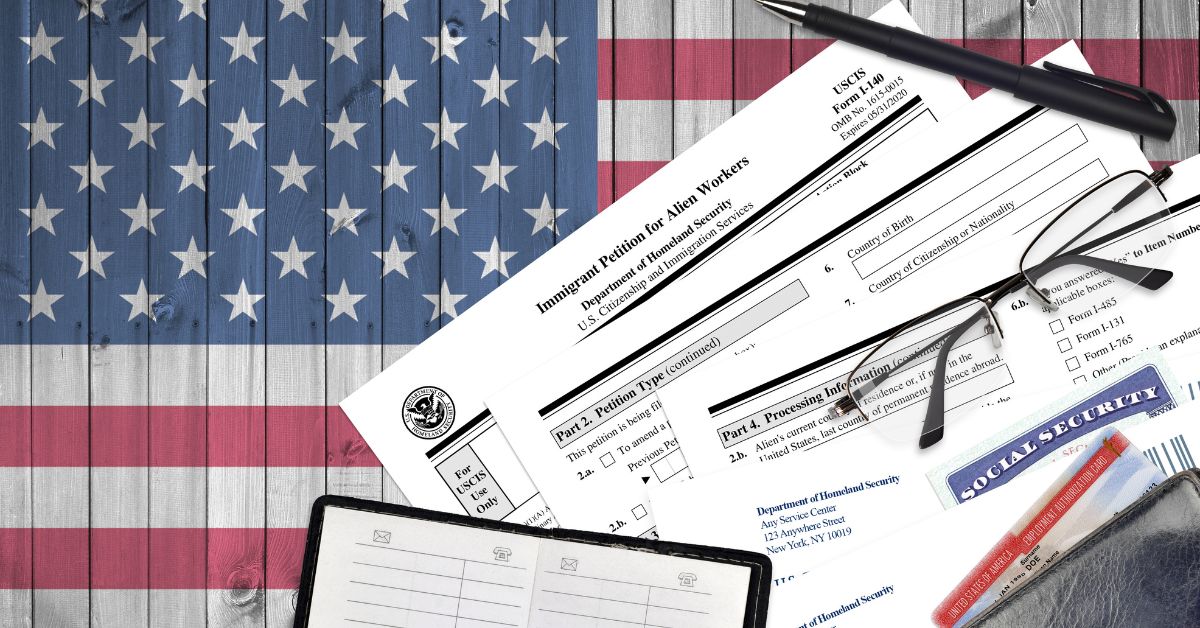
Immigration Delay Lawyers in Spokane
Federal immigration petitions are governed by strict timelines, regulatory procedures, and agency processing standards, yet many cases remain pending far beyond normal periods. Extended inaction can disrupt employment authorization, family reunification, travel planning, and long term residency objectives without clear explanation. When a petition remains stalled despite submission of all required documentation, applicants frequently consult immigration delay lawyers in Spokane to determine if the delay reflects routine backlog or unreasonable delay.
Immigration delay attorneys in Spokane evaluate case history, filing category, and communication records to assess whether federal authorities have exceeded reasonable processing expectations. Delays may stem from background checks, misplaced files, security clearances, or internal routing errors that do not automatically resolve without intervention. Ritchie-Reiersen Injury and Immigration Attorneys is here to ensure the legal process goes smoothly and not overwhelming. Structured legal review clarifies available legal remedies and establishes a disciplined strategy for restoring forward movement in your case. Call (888) 884-7337 or visit our contact page to schedule a confidential free consultation regarding your delayed immigration matter.
When Immigration Delays Become Unreasonable Under Federal Law

Federal immigration agencies retain discretion in adjudicating petitions, yet that discretion operates within legal boundaries. While immigration statutes rarely impose rigid deadlines, federal law requires agencies to act within a reasonable period once a properly filed petition is submitted. A delay may become legally unreasonable when the government fails to take substantive action despite complete documentation and repeated inquiry. Determining whether delay crosses that threshold requires analysis of case history, category type, and objective processing benchmarks. Legal evaluation distinguishes backlog from unlawful inaction.
Unreasonable delay is measured through legal standards rather than frustration alone. Courts examine whether the agency has offered legitimate justification, whether measurable progress has occurred, and whether prolonged inaction imposes significant hardship. Extended administrative processing, unresolved background checks, or file dormancy may not justify indefinite suspension of adjudication. When delay materially affects employment, lawful status, or family stability, escalation may become appropriate. Federal standards define when administrative patience ends.
The Administrative Procedure Act and Agency Obligation
The Administrative Procedure Act requires federal agencies to conclude matters presented to them within a reasonable time. Courts reviewing delay claims apply structured legal analysis rather than deferring automatically to agency backlog explanations. Agencies must demonstrate that continued delay is tied to legitimate administrative necessity rather than unexplained inactivity. Judicial review focuses on whether the delay exceeds acceptable discretionary bounds. Legal standards shape the escalation threshold.
Applying the TRAC Framework in Delay Analysis
Federal courts frequently rely on the TRAC factors to evaluate unreasonable delay claims. These factors assess the time elapsed, statutory context, competing agency priorities, and the nature of harm caused by delay. No single factor controls the outcome, but collective evaluation determines whether relief is warranted.
Weighing Harm Against Administrative Burden
Courts consider whether delay imposes significant economic or personal hardship on the applicant. Loss of employment authorization, inability to travel, or family separation may influence judicial balancing. Harm analysis affects whether intervention becomes justified.
Security Review Delays
Security screening and interagency background checks frequently contribute to prolonged immigration processing. While national security review is legitimate, extended inactivity without demonstrable progress may signal administrative stagnation. Applicants often receive generic updates that provide no projected completion timeline. Legal evaluation examines whether meaningful review continues or whether the case has stalled internally. Screening does not permit indefinite dormancy.
Interagency Coordination Failures
Certain petitions require coordination between multiple federal agencies, creating additional procedural layers. Communication breakdowns or routing errors can result in files remaining inactive for extended periods. Identifying which agency retains the file becomes critical to evaluating next steps.
Distinguishing Active Review From File Inactivity
Active review reflects documented investigative steps or status progression. Inactivity is characterized by absence of measurable movement across extended timeframes. Recognizing the distinction informs escalation readiness.
Posted Processing Times and Outlier Cases
USCIS publishes estimated processing time ranges for various benefit categories, yet those ranges do not automatically define legal reasonableness. Cases that extend substantially beyond posted timelines without explanation may warrant closer examination. Comparing a petition against similarly filed cases helps determine whether it falls outside normal administrative patterns. Significant deviation from established benchmarks may support formal inquiry. Objective data strengthens delay assessment.
Evaluating Service Center Variations
Processing speed varies across service centers and field offices. Reviewing comparative data provides context for determining whether a case is unusually delayed. Geographic differences alone do not justify indefinite inaction.
Documenting Comparative Timeline Evidence
Maintaining records of receipt dates, inquiry responses, and posted processing updates establishes objective evidence of delay. Courts consider documented timeline comparisons when evaluating reasonableness. Organized chronology supports escalation strategy.
Indicators That Legal Escalation May Be Appropriate
Certain factual patterns suggest that delay has progressed beyond routine backlog. Repeated unanswered service requests, absence of substantive status updates, and extended silence after interview or biometric completion may signal deeper stagnation. Legal review assesses whether internal review has ceased or whether the agency continues active adjudication. Escalation decisions depend on objective markers rather than subjective frustration. Structured evaluation guides appropriate intervention.
Monitoring Agency Communication Patterns
Official responses that repeat standardized language without case specific detail may indicate stalled processing. Tracking inquiry history establishes whether the agency has provided meaningful engagement. Communication patterns inform litigation assessment.
Assessing Hardship and Time Sensitivity
Employment expiration, dependent aging out, or pending removal proceedings may increase urgency. Courts consider the real world consequences of prolonged inaction when evaluating delay claims. Hardship context influences escalation posture.
How Immigration Delay Lawyers in Spokane Escalate Federal Processing Delays
When an immigration petition remains pending without measurable progress, escalation requires disciplined sequencing rather than immediate litigation. Immigration delay lawyers in Spokane begin by examining filing history, service center activity, prior inquiries, and statutory context to determine whether administrative remedies have been exhausted. Escalation may involve structured service requests, congressional liaison communication, supervisory review, or formal demand correspondence before court action becomes appropriate. Each step is designed to create a documented record demonstrating that reasonable opportunities for agency resolution were provided. Controlled escalation strengthens the legal foundation for further action.
Federal agencies respond differently when inquiries shift from routine status requests to legally framed demands referencing statutory obligations. Immigration delay attorneys in Spokane assess whether the delay meets judicial standards under federal law before initiating formal proceedings. Premature litigation may undermine credibility, while delayed intervention may prolong harm. Strategic timing determines whether administrative engagement or federal court intervention will be more effective. Escalation strategy depends on documented inactivity and demonstrable hardship.
Administrative Inquiries and Structured Service Requests
Before filing suit in federal court, attorneys typically pursue structured administrative engagement to determine whether the agency will act voluntarily once formal inquiry occurs. Service requests submitted through official agency channels can reveal whether the petition remains in active review, has been misplaced, or is awaiting completion of interagency screening. Immigration delay lawyers in Spokane evaluate the substance of these responses rather than accepting generic status language at face value. A pattern of repetitive, non specific replies may indicate that the file is not progressing through adjudicative stages.
Congressional Liaison and Ombudsman Engagement
Engagement with a congressional office or the USCIS Ombudsman introduces an additional oversight layer that can sometimes prompt internal case review. While these offices cannot compel adjudication, they may obtain detailed explanations regarding background checks, security holds, or routing errors that are not disclosed through standard inquiry channels. Immigration delay attorneys in Spokane assess whether such engagement may produce meaningful clarification before escalating further.
Evaluating Agency Response Quality
Not all responses carry equal procedural weight when assessing delay posture. Substantive replies that identify pending investigative steps or projected action timelines suggest that the agency continues active processing. By contrast, standardized language that merely confirms receipt without identifying next steps may reflect administrative dormancy.
Pre Litigation Demand and Notice Strategy
When administrative channels fail to generate progress, attorneys may issue a formal demand letter outlining the legal basis for potential federal court action. This correspondence typically summarizes the filing timeline, the length of delay, prior inquiry attempts, and the statutory obligation to conclude matters within a reasonable period. Immigration delay lawyers in Spokane frame these communications to demonstrate readiness for judicial review without immediately filing suit. A well structured demand can prompt internal supervisory reassessment before litigation becomes necessary.
Framing the Legal Basis for Escalation
Demand letters often reference the Administrative Procedure Act and applicable federal case law defining unreasonable delay standards. By articulating how the case aligns with recognized delay factors, attorneys provide the agency an opportunity to correct course before judicial intervention occurs. Immigration delay lawyers in Spokane use precise statutory language to clarify the legal exposure created by continued inaction.
Preserving Evidence of Continued Inaction
Maintaining copies of correspondence, delivery confirmations, and agency responses establishes proof that notice was provided. Courts evaluate whether the agency was afforded a reasonable opportunity to act before litigation commenced. Organized documentation strengthens the procedural posture entering federal court.
Federal Mandamus and APA Litigation
If administrative escalation fails to produce movement, attorneys may initiate federal court action seeking judicial intervention. A writ of mandamus or claim under the Administrative Procedure Act requests that the court compel the agency to adjudicate the petition without dictating the substantive outcome. Litigation analysis centers on the duration of delay, absence of justification, and the tangible harm caused by continued inaction. Immigration delay lawyers in Spokane evaluate whether the factual record satisfies judicial thresholds before filing suit.
Establishing Jurisdiction in Federal District Court
Mandamus actions are filed in federal district court with jurisdiction over the agency or the applicant’s residence. Plaintiffs must demonstrate a clear right to relief, a nondiscretionary duty owed by the agency, and absence of an adequate alternative remedy. Immigration delay lawyers in Spokane structure jurisdictional allegations carefully to withstand procedural challenge.
Government Response and Case Progression
Once filed, the Department of Justice represents the agency and may move to dismiss or answer the complaint. In many delay cases, adjudication occurs after litigation begins but before a court issues substantive ruling. Strategic filing can prompt movement without prolonged courtroom proceedings.
Strategic Risk Assessment Before Litigation
Escalation decisions require evaluation of both potential benefit and procedural complexity. Attorneys assess whether the agency continues meaningful internal review or whether the case has effectively stalled without justification. Immigration delay attorneys in Spokane examine whether litigation may trigger additional scrutiny or whether delay is already excessive under federal standards.
Weighing Processing Trends Against Individual Case History
Comparing individual case timelines with published processing ranges and similarly filed petitions provides context for escalation. Outlier positioning strengthens arguments that the delay exceeds normal administrative variation. Immigration delay attorneys in Spokane rely on objective data rather than frustration alone.
Balancing Cost, Timing, and Probability of Success
Litigation requires financial commitment and measured expectation regarding resolution timelines. Attorneys evaluate likelihood of prompt adjudication following filing versus potential for contested defense. Informed cost benefit analysis guides responsible escalation decisions.
Courtroom Readiness for Prolonged Immigration Delays
Waiting months or years without meaningful case movement creates uncertainty that affects work authorization, travel ability, and family stability. Litigation readiness begins with determining whether the delay reflects routine backlog or a file that has effectively stopped moving inside the agency. Not every long case qualifies for federal court intervention, which is why careful review of the timeline and agency response history matters. Immigration delay attorneys in Spokane evaluate whether the delay has crossed from slow processing into legally unreasonable inaction. Readiness depends on facts rather than frustration.
Preparing for potential litigation also requires confirming that the underlying petition is ready for adjudication once movement resumes. Filing suit can prompt agency action, so the case must be substantively prepared before escalation occurs. Immigration delay attorneys in Spokane assess documentation completeness, prior communications, and any unresolved issues that could affect outcome once the government acts. Strategic preparation ensures that acceleration does not create unintended consequences. Litigation planning protects both timing and substance.
Confirming the Case Has Truly Stalled
Many applicants assume a case is stuck simply because it exceeds average processing time. True dormancy usually involves extended silence, repetitive generic responses, or lack of measurable activity over significant periods. Immigration delay lawyers in Spokane analyze receipt dates, inquiry responses, and service center trends to determine whether the file has progressed at all. Identifying genuine stagnation is the first step toward responsible escalation.
Reviewing Agency Communication Patterns
Official responses sometimes confirm that a case remains under review without identifying specific steps taken. Attorneys look for indications of active screening, supervisory review, or pending documentation rather than accepting vague status language. This distinction clarifies whether escalation is premature.
Distinguishing Delay From Active Processing
A case may be slow yet still moving through required checks. Litigation becomes appropriate only when evidence suggests inactivity rather than ongoing evaluation. Careful assessment prevents unnecessary court filing.
Evaluating Hardship and Practical Impact
Courts consider the real world consequences of prolonged delay when evaluating unreasonable inaction. Loss of employment authorization, inability to renew professional credentials, or family separation may strengthen a delay claim. Immigration delay attorneys in Spokane document these impacts to demonstrate that continued inaction causes measurable harm. Hardship context supports judicial urgency.
Employment and Financial Disruption
Expired work authorization can lead to job loss or suspended income. Attorneys gather employer notices, wage records, and financial documentation to illustrate the seriousness of delay. Concrete evidence carries greater weight than generalized concern.
Family Stability and Time Sensitive Concerns
Delayed adjudication can prevent reunification or place dependent children at risk of aging out. Courts may weigh these time sensitive factors when assessing reasonableness. Documented personal impact reinforces the need for resolution.
Assessing Legal Grounds for Court Intervention
Federal law permits courts to compel agencies to act when delay becomes unreasonable. Litigation readiness requires aligning the factual record with recognized legal standards. Immigration delay attorneys in Spokane determine whether the timeline, agency conduct, and documented hardship support a credible court claim. Sound legal footing strengthens the likelihood of meaningful response.
Matching Facts to Judicial Standards
Courts analyze delay using established factors rather than arbitrary timelines. Attorneys evaluate how the case compares to similar filings and whether the agency can justify continued inaction. Legal alignment increases procedural confidence.
Confirming No Adequate Alternative Remedy Exists
Before filing suit, attorneys confirm that administrative options have been responsibly explored. Demonstrating exhaustion of reasonable alternatives supports the integrity of court action. Proper sequencing enhances credibility before a judge.
Preparing the Case for Accelerated Adjudication
Litigation often results in faster agency movement, sometimes before the court issues substantive orders. Preparing for that acceleration ensures the petition can withstand immediate review. Immigration delay attorneys in Spokane review the merits of the underlying filing to confirm readiness. Acceleration without preparation can expose unresolved weaknesses.
Reviewing Supporting Documentation for Completeness
Attorneys reexamine submitted materials to ensure that no gaps remain in eligibility evidence. Strengthening documentation before filing suit reduces the risk of rapid denial. Substantive preparation protects outcome stability.
Coordinating Strategy With Long Term Goals
Delay resolution should align with broader immigration objectives. Attorneys evaluate how expedited adjudication may affect future filings or status transitions. Strategic coordination safeguards long term immigration plans.
The Litigation Approach of Ritchie-Reiersen Injury and Immigration Attorneys

Prolonged immigration delay creates uncertainty that can disrupt employment, travel, and family stability, yet not every delayed case should immediately proceed to federal court. The immigration delay attorneys in Spokane at Ritchie-Reiersen Injury and Immigration Attorneys begin by carefully evaluating whether the agency has allowed the petition to sit without meaningful action or whether internal review is still legitimately ongoing. Litigation is recommended only when documented inaction, measurable hardship, and exhausted administrative efforts align under federal standards governing unreasonable delay. The objective is not confrontation, but restoration of forward movement in a case that has remained unresolved for too long. Strategic intervention prioritizes resolution without unnecessary risk.
Every potential court filing is preceded by a detailed assessment of the petition’s readiness for immediate adjudication. When litigation prompts agency action, the underlying application must withstand review without exposing avoidable weaknesses. The immigration delay lawyers in Spokane at Ritchie-Reiersen Injury and Immigration Attorneys examine both the procedural timeline and the substantive strength of the filing before recommending escalation. This balanced approach ensures that acceleration supports a positive outcome rather than creating new complications. Preparation strengthens both timing and stability.
Careful Case Screening Before Federal Filing
Before initiating litigation, attorneys conduct structured review of receipt history, inquiry responses, posted processing data, and agency communication patterns. This analysis helps determine whether the delay reflects routine backlog or a file that has effectively ceased moving through adjudication channels. The immigration delay lawyers in Spokane assess whether documented inactivity has persisted long enough to support judicial intervention under established standards. Responsible screening protects clients from premature filing and unnecessary legal expenses. Informed evaluation anchors responsible escalation.
Verifying Completion of Required Processing Steps
Attorneys confirm that biometrics, interviews, and required submissions have been completed and properly recorded. Filing suit while the agency is still waiting on applicant compliance may weaken arguments regarding unreasonable delay. Reviewing procedural posture ensures that litigation is directed at genuine inaction rather than incomplete processing.
Confirming Underlying Petition Strength
If court action results in rapid adjudication, the petition must be prepared for immediate decision. Attorneys reexamine supporting documentation to confirm that eligibility evidence is current, complete, and internally consistent. Strengthening the record before filing reduces risk once the agency resumes action.
Crafting Federal Complaints
Federal delay complaints must present a clear narrative supported by objective timeline evidence and documented hardship. The immigration delay lawyers in Spokane at Ritchie-Reiersen Injury and Immigration Attorneys structure pleadings to demonstrate unreasonable inaction without requesting the court to approve the benefit itself. This distinction preserves agency discretion while compelling movement on a long pending matter. Precision in drafting signals seriousness and legal discipline. Focused pleadings enhance judicial confidence.
Presenting a Structured Timeline of Delay
Attorneys compile receipt notices, inquiry history, and agency responses into a chronological record that illustrates extended inaction. Courts rely heavily on structured timelines when evaluating whether delay exceeds reasonable administrative bounds. Organized presentation allows the court to quickly identify duration and stagnation without speculation.
Framing Relief as Compelled Adjudication
The relief requested in delay litigation asks the court to require the agency to make a decision, not to dictate approval. This framing respects the limits of judicial authority while addressing prolonged inaction. Properly structured relief language avoids overreach and strengthens the claim’s credibility.
Managing Strategy After Litigation Is Filed
Once litigation begins, the agency may choose to defend the delay, negotiate resolution, or accelerate adjudication before substantive court ruling. The immigration delay attorneys in Spokane at Ritchie-Reiersen Injury and Immigration Attorneys monitor government response deadlines and engage strategically to protect client interests throughout the process. Effective management during this stage can encourage prompt resolution without prolonged courtroom proceedings. Active oversight maintains leverage while preserving professionalism. Strategic engagement sustains momentum toward resolution.
Responding to Government Motions and Deadlines
Federal procedure imposes structured response timelines once a complaint is served. Attorneys prepare for potential motions to dismiss by ensuring jurisdictional and factual allegations are clearly supported from the outset. Vigilant monitoring prevents unnecessary procedural extensions.
Evaluating Voluntary Agency Action
In many delay cases, the agency adjudicates shortly after litigation commences. Attorneys assess whether the resolution satisfies the client’s objectives and whether any additional oversight is required. Careful evaluation ensures that accelerated action produces durable results.
Schedule a Free Consultation From Ritchie-Reiersen Injury and Immigration Attorneys Today
Living in uncertainty while your immigration petition remains pending can disrupt employment plans, family stability, and long term residency goals. Immigration delay lawyers in Spokane can evaluate whether your case reflects routine processing or legally unreasonable inaction requiring escalation. A structured legal review provides clarity about your options and the safest path forward.
Ritchie-Reiersen Injury and Immigration Attorneys assesses your full case history, documented hardship, and prior agency communication before recommending administrative escalation or federal litigation. Every strategy is designed to restore movement without exposing your underlying petition to avoidable risk. Decisive and measured action can break immigration delay and create momentum in your immigration case. Call (888) 884-7337 or visit our contact page to schedule a confidential free consultation and take control of your delayed immigration case with the help of Ritchie-Reiersen Injury and Immigration Attorneys.









Get In Touch
Schedule a Free Legal Consultation With Us
If you or a loved one needs the assistance of a personal injury or immigration attorney, don’t hesitate to reach out. Ritchie-Reiersen Injury & Immigration Attorneys can help you with their extensive experience.
- Proven results
- Years of courtroom experience
- No upfront costs for injury clients
- We are available 24/7 for clients