Seattle Slip and Fall Accident Attorneys
A serious slip and fall accident can change your life in an instant, leaving you with painful injuries, mounting medical bills, and uncertainty about how to protect yourself financially. Property owners in Seattle have a legal responsibility to maintain safe conditions, yet hazardous floors, uneven walkways, poor lighting, and ignored maintenance issues continue to cause preventable injuries throughout the city. Weather conditions contribute significantly to slip and fall accidents, making these injuries especially common in Seattle. When negligence leads to harm, working with our Seattle slip and fall accident attorneys can help you understand your rights and take meaningful steps toward recovery.
At Ritchie-Reiersen Injury & Immigration Attorneys, we understand how overwhelming this moment can feel, especially when injuries interfere with your ability to work, care for your family, or regain stability. Our firm approaches slip and fall cases with careful attention, compassion, and a clear legal strategy focused on accountability. Seattle slip and fall accident attorneys can also help preserve evidence early and prevent insurance companies from unfairly shifting blame. We take the time to evaluate what happened, identify who may be responsible, and pursue compensation that reflects the full impact of your injuries, now and in the future. Call us today at (888) 884-7337 or visit our contact page to schedule a free consultation with our Seattle slip and fall accident attorneys.
Common Causes of Slip and Fall Injuries in Seattle

Slip and fall injuries often arise when routine environments contain hazards that property owners fail to correct within a reasonable period of time. In Seattle, constant foot traffic through businesses, residential buildings, and shared public spaces increases the likelihood that unsafe conditions will cause harm if they remain unaddressed. Ritchie-Reiersen Injury & Immigration Attorneys represents people who suffer injuries due to dangerous property conditions that should have been identified and repaired before an accident occurred.
These cases rarely involve simple clumsiness or unavoidable accidents. Most slip and fall injuries stem from preventable safety failures, including poor maintenance practices, overlooked warnings, or conditions that property owners were aware of but failed to remedy. Seattle slip and fall accident attorneys often review these conditions to determine whether the hazard existed long enough to establish liability. Examining the most common causes of slip and fall injuries in Seattle helps clarify why legal responsibility frequently rests with the party responsible for maintaining the property.
Wet and Slippery Floors in Seattle Businesses
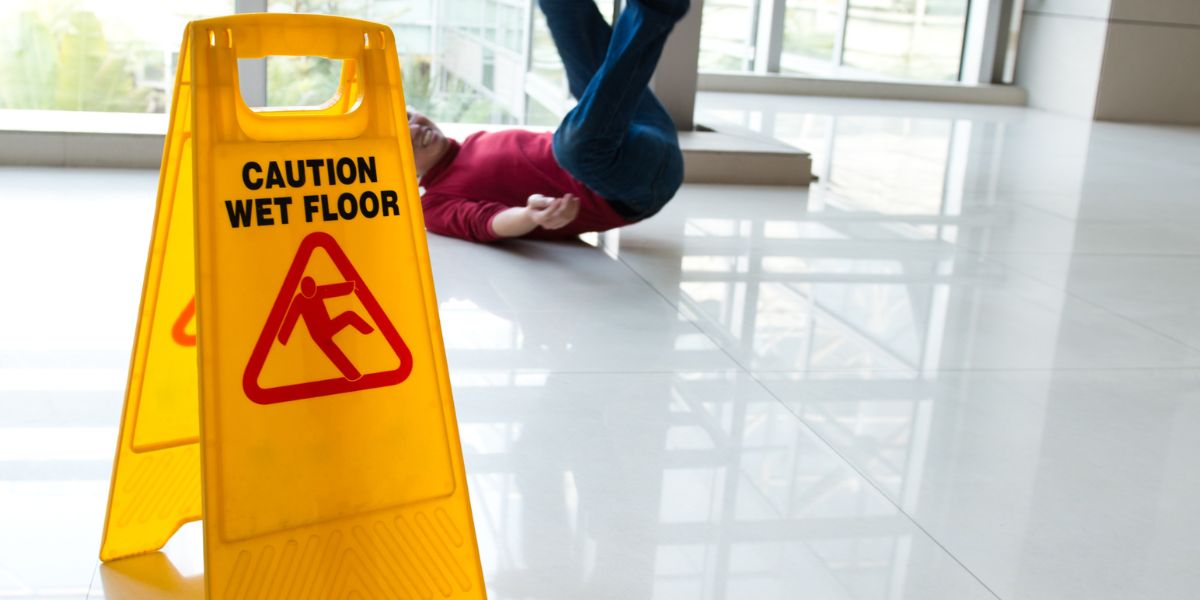
Wet and slippery floors are a leading cause of slip and fall injuries throughout Seattle, particularly in grocery stores, restaurants, hotels, and office buildings where spills and moisture are common. Rainwater tracked indoors, recently cleaned surfaces, and unattended liquid spills can quickly create hazardous walking conditions for customers and visitors. When business owners fail to address these risks promptly, they expose people to serious injury.
Spills and Improper Floor Maintenance Practices
Spilled drinks, leaking refrigeration units, and freshly mopped floors often cause falls when businesses neglect to place warning signs or restrict access to wet areas. Employees who delay cleanup or ignore routine inspections allow hazardous conditions to persist longer than reasonable safety standards permit. These failures often form the foundation of a slip and fall claim.
Lack of Warning Signs and Safety Barriers
Warning signs and temporary barriers alert visitors to dangerous conditions and help prevent accidents before they occur. When businesses fail to provide adequate notice of wet floors, injured parties may argue that the property owner did not take reasonable steps to protect lawful visitors. This absence of basic precautions often strengthens liability claims.
Uneven Walking Surfaces and Ongoing Maintenance Failures
Uneven walking surfaces commonly contribute to slip and fall injuries on sidewalks, parking lots, staircases, and building entryways across Seattle. Over time, surfaces deteriorate due to wear, weather exposure, and structural settling, yet some property owners delay repairs despite clear safety concerns. These conditions can cause sudden loss of balance without warning.
Cracked Pavement and Interior Flooring Defects
Cracked sidewalks, loose tiles, buckled flooring, and torn carpeting create tripping hazards that often go unnoticed until someone falls. These defects typically worsen gradually, giving property owners ample opportunity to identify and repair them. Failure to do so may indicate negligence under premises liability law.
Delayed Repairs Despite Known Hazards
When property owners receive complaints or observe visible damage but postpone repairs, they increase the risk of injury to visitors. Documentation of delayed maintenance often plays a key role in proving that the hazard existed long enough for corrective action to occur. This timeline can become critical in establishing responsibility.
Inadequate Lighting in Stairwells and Common Areas
Poor lighting conditions make it difficult for people to recognize hazards, particularly in stairwells, hallways, and parking structures. Inadequate illumination can obscure uneven surfaces, missing handrails, or changes in elevation, increasing the risk of falls. Seattle properties with insufficient lighting frequently present preventable dangers.
Burned Out Lights and Poor Visibility Conditions
Burned out bulbs, dim fixtures, and poorly designed lighting layouts reduce visibility in areas where people expect safe passage. Property owners who fail to conduct routine lighting inspections may allow dangerous conditions to persist unnoticed. These visibility issues often contribute directly to slip and fall accidents.
Increased Fall Risk in Multi Level Buildings
Apartment complexes, office buildings, and parking garages pose heightened risks when lighting fails in stairwells or ramps. People navigating these areas rely heavily on proper lighting to maintain balance and footing. When lighting deficiencies lead to falls, liability often centers on inadequate property management.
Weather Related Slip and Fall Hazards in Seattle
Weather conditions increase the likelihood of slip and fall accidents. Frequent rain increases the likelihood that walkways, entrances, and outdoor stairs will become slick if not properly maintained. Property owners must anticipate these conditions and take reasonable steps to reduce associated risks.
Rainwater Accumulation and Outdoor Surface Hazards
Rainwater can pool near building entrances, soak floor mats, and create slick outdoor surfaces that become dangerous underfoot. Without slip-resistant materials or increased maintenance efforts, these areas remain hazardous throughout wet weather. Failure to address rain-related hazards often leads to preventable injuries.
Failure to Adjust Safety Measures During Wet Conditions
Reasonable property management requires adapting safety practices during periods of frequent rain. When owners fail to increase inspections, add traction materials, or address water accumulation, they may be held accountable for resulting injuries. These omissions frequently play a central role in Seattle slip and fall claims.
Property Owner Liability in Seattle Slip and Fall Accident Claims
Property owners in Seattle have a legal obligation to maintain their premises in a reasonably safe condition for lawful visitors. When owners, landlords, or property managers fail to address dangerous conditions, they may be held financially responsible for injuries that result. Ritchie-Reiersen Injury & Immigration Attorneys help injured people understand how liability applies in slip and fall cases and what must be shown to pursue compensation.
Slip and fall liability does not arise automatically after an injury. The law examines whether the property owner knew or should have known about the hazard and failed to take appropriate action within a reasonable timeframe. Seattle slip and fall accident attorneys evaluate whether property owners met their legal duty under Washington premises liability law. Establishing liability requires careful analysis of the property condition, the owner’s maintenance practices, and whether reasonable safety measures were in place at the time of the fall.
Duty of Care Owed by Seattle Property Owners
Seattle property owners owe a duty of care to people who lawfully enter their premises, including customers, tenants, and invited guests. This duty requires owners to take reasonable steps to inspect their property, identify hazards, and correct unsafe conditions before injuries occur. The level of care owed often depends on the type of visitor and the nature of the property.
Responsibilities Toward Customers and Guests
Business owners and property managers must prioritize safety for customers and invited guests who enter their premises for lawful purposes. This responsibility includes regular inspections, prompt cleanup of hazards, and adequate warnings when dangerous conditions cannot be immediately fixed. Failure to meet these responsibilities may support a claim for negligence.
Higher Safety Expectations for Commercial Properties
Commercial properties typically face higher safety expectations due to increased foot traffic and public access. Owners must anticipate common hazards and implement safety protocols to reduce risks. Courts often examine whether reasonable commercial safety standards were followed when determining liability.
Knowledge of Hazardous Conditions and Reasonable Response Time
Liability in slip and fall cases often depends on whether a property owner had actual or constructive knowledge of a dangerous condition. Actual knowledge exists when the owner knew about the hazard, while constructive knowledge arises when the condition existed long enough that it should have been discovered through reasonable inspection. The law evaluates how quickly the owner responded once the hazard became known.
Actual Notice Versus Constructive Notice in Slip and Fall Claims
Actual notice may come from prior complaints, employee observations, or incident reports documenting the hazard. Constructive notice focuses on whether the hazard was present long enough that a reasonable owner would have identified it. Proving either form of notice plays a central role in establishing liability.
Delays in Correcting Known Safety Issues
When property owners delay repairs or fail to address known hazards, they increase the risk of injury to visitors. Evidence showing prolonged inaction often strengthens slip and fall claims. Maintenance logs, surveillance footage, and witness testimony frequently help establish unreasonable delays.
Liability Differences Between Private and Public Properties
Slip and fall liability can differ depending on whether the injury occurred on private property or public land. Private owners typically face premises liability claims, while injuries on public property may involve additional legal requirements and deadlines. Understanding these distinctions is critical when evaluating a claim.
Government Property and Notice Requirements
Claims involving public property often require compliance with specific notice and filing rules before a lawsuit can proceed. These rules may include shorter deadlines and formal notice procedures. Missing these requirements can jeopardize an otherwise valid claim.
Importance of Early Legal Review in Public Property Cases
Early legal review helps ensure that notice deadlines and procedural requirements are met. Seattle slip and fall accident attorneys can assess whether a government entity bears responsibility and guide injured people through the correct legal process. Prompt action often preserves critical rights in these cases.
How Negligence Is Proven in Seattle Slip and Fall Accident Cases
Proving negligence stands at the center of any successful slip and fall claim in Seattle. An injured person must show that a property owner failed to act with reasonable care and that this failure directly caused the injury. Ritchie-Reiersen Injury & Immigration Attorneys focus on building clear, evidence-based arguments that connect unsafe property conditions to the harm our clients suffered.
Negligence analysis goes beyond the fact that a fall occurred. The legal process examines what the property owner knew, what actions they took or failed to take, and whether those actions met accepted safety standards. Seattle slip and fall accident attorneys focus on connecting inspection failures, notice, and unsafe conditions to the injuries suffered. Establishing these elements requires careful investigation, documentation, and an understanding of how Washington’s premises liability law applies to real-world conditions.
Establishing the Elements of Negligence in a Seattle Slip and Fall Case
Every slip and fall claim must satisfy specific legal elements before compensation becomes available. These elements include duty of care, breach of that duty, causation, and damages. Each element must connect logically and factually to the next for a claim to succeed.
Duty of Care and Breach of Responsibility
Property owners owe a duty of care to lawful visitors, which includes taking reasonable steps to keep their premises safe. A breach occurs when an owner fails to correct hazards, neglects inspections, or ignores safety complaints. Evidence showing that the owner did not meet basic safety expectations often forms the foundation of a negligence claim.
Connecting Unsafe Conditions to the Property Owner’s Actions
Courts examine whether the unsafe condition resulted from the owner’s actions or lack of action. This analysis focuses on maintenance routines, inspection schedules, and prior knowledge of the hazard. Showing that the owner had control over the condition helps establish responsibility.
Proving Knowledge of the Hazard Before the Fall Occurred
A critical part of negligence involves demonstrating that the property owner knew or should have known about the dangerous condition. Without proof of knowledge, owners often argue that the hazard appeared too suddenly to address. Seattle slip and fall accident attorneys work to counter these arguments through factual evidence.
Actual Knowledge Through Complaints and Records
Actual knowledge exists when an owner receives direct notice of a hazard through complaints, employee reports, or prior incidents. Maintenance logs, emails, and internal reports may show that the owner was aware of the issue before the fall occurred. This documentation can significantly strengthen a claim.
Using Witness Statements to Establish Awareness
Witnesses, including employees and other visitors, may confirm that a hazard existed for an extended period. Their statements can demonstrate that the condition was visible and recognizable. Consistent witness accounts often support arguments of actual knowledge.
Constructive Knowledge and Reasonable Inspection Standards
Even without direct notice, property owners may still bear responsibility if a hazard existed long enough that reasonable inspections would have discovered it. This concept is known as constructive knowledge and plays a major role in many Seattle slip and fall cases.
Length of Time the Hazard Existed
Courts consider how long the unsafe condition remained present before the accident. Conditions that develop gradually, such as worn flooring or recurring leaks, typically indicate that the owner had ample opportunity to discover the problem. The longer the hazard existed, the stronger the argument for constructive knowledge.
Inspection Practices and Industry Standards
Inspection frequency and quality often come under scrutiny during litigation. Owners who lack consistent inspection procedures may struggle to argue that they acted reasonably. Comparing their practices to industry norms helps determine whether they met accepted safety standards.
Demonstrating Causation Between the Hazard and the Injury
Negligence alone does not establish liability unless the hazardous condition directly caused the injury. The injured person must show a clear link between the fall and the unsafe condition. Medical evidence and incident documentation often play a key role in this step.
Medical Records and Injury Documentation
Medical records help establish that the injuries resulted from the fall rather than a preexisting condition. Detailed treatment notes, diagnostic imaging, and physician opinions often connect the mechanics of the fall to the resulting injuries. This documentation supports the causal link required for recovery.
Incident Reports and Immediate Aftermath Evidence
Incident reports created shortly after the fall may describe the condition of the property at the time of the accident. Photographs, surveillance footage, and emergency response records often provide objective evidence. Prompt documentation reduces disputes about what caused the fall.
Addressing Comparative Fault Arguments in Seattle Slip and Fall Claims
Property owners and insurers frequently argue that the injured person shares responsibility for the accident. Washington follows a comparative fault system, which can reduce compensation if the injured person is found partially at fault. Anticipating and addressing these arguments remains essential.
Common Defense Claims Against Injured Visitors
Defendants may argue that the injured person failed to watch where they were walking or ignored visible warnings. They may also claim that footwear or distraction caused the fall. Seattle slip and fall accident attorneys analyze these claims carefully to challenge unsupported assumptions.
Minimizing Fault Through Evidence and Context
Context matters when evaluating comparative fault. Poor lighting, lack of warnings, and sudden hazards often limit a visitor’s ability to avoid danger. Presenting evidence that shows the injured person acted reasonably helps protect the value of the claim.
Injuries Commonly Caused by Slip and Fall Accidents in Seattle
Slip and fall accidents can cause a wide range of injuries, many of which create lasting physical, financial, and emotional challenges. What may appear to be a minor fall can result in serious trauma, especially when the injured person strikes a hard surface or falls from an elevated area. Ritchie-Reiersen Injury & Immigration Attorneys regularly represent people whose injuries from Seattle slip and fall accidents require extensive medical care and long-term recovery planning.
These injuries often affect more than immediate health. Many people experience disruptions to their ability to work, care for family members, or maintain independence. Seattle slip and fall accident attorneys consider how these injuries affect long-term medical needs and financial stability. Understanding the types of injuries commonly associated with slip and fall accidents helps explain why these cases deserve careful legal evaluation and full consideration of future needs.
Head and Traumatic Brain Injuries From Slip and Fall Accidents
Head injuries represent some of the most serious outcomes of slip and fall accidents in Seattle. When a person falls unexpectedly, they often have little time to protect their head from impact. Even a fall from standing height can produce significant neurological damage.
Concussions and Mild Traumatic Brain Injuries
Concussions frequently occur when the head strikes the ground, a wall, or nearby objects during a fall. Symptoms may include headaches, dizziness, memory problems, and difficulty concentrating. While some concussions resolve over time, others lead to prolonged cognitive challenges that interfere with daily life.
Delayed Symptoms and Diagnostic Challenges
Brain injury symptoms do not always appear immediately after a fall. Some people experience worsening symptoms days or weeks later, complicating diagnosis and treatment. Delayed recognition can increase the long-term impact of the injury and raise challenges during insurance evaluations.
Fractures and Broken Bones After Seattle Slip and Fall Accidents
Broken bones remain one of the most common injuries in slip and fall cases, particularly among older adults. The force of a fall often transfers directly to the wrists, arms, hips, or legs as people attempt to brace themselves. These injuries frequently require surgical intervention and extended rehabilitation.
Hip and Pelvic Fractures in Older Adults
Hip fractures pose a serious health risk, especially for elderly individuals. Recovery often involves surgery, physical therapy, and long periods of reduced mobility. Many people never regain their prior level of independence after a hip fracture.
Long Term Mobility Limitations and Secondary Complications
Extended immobility following fractures can lead to additional health issues such as muscle loss and reduced cardiovascular health. These secondary complications often increase the overall cost and complexity of recovery. Legal claims must account for these extended impacts.
Spinal and Back Injuries Resulting From Slip and Fall Accidents
Slip and fall accidents frequently cause spinal injuries when the body twists or absorbs impact during a fall. These injuries range from muscle strains to serious structural damage involving the spinal cord. Back injuries often require ongoing treatment and significantly affect quality of life.
Herniated Discs and Soft Tissue Damage
Herniated discs can occur when sudden force compresses the spine during a fall. These injuries often cause chronic pain, limited mobility, and nerve-related symptoms. Treatment may include injections, physical therapy, or surgery.
Chronic Pain and Long-Term Treatment Needs
Back injuries frequently result in persistent pain that limits daily activities and employment options. Long-term treatment plans may include repeated medical visits and ongoing therapy. Compensation claims often reflect these extended medical needs.
Lower Extremity Injuries Affecting Balance and Mobility
Injuries to the knees, ankles, and feet commonly occur during slip and fall accidents. These injuries can significantly impair balance and mobility, making everyday activities difficult. Recovery timelines often extend longer than initially expected.
Knee Ligament Tears and Joint Damage
Falls can cause ligament tears, cartilage damage, and joint instability in the knees. These injuries may require surgical repair followed by months of rehabilitation. Even after treatment, some people experience lasting limitations.
Impact on Employment and Daily Function
Lower extremity injuries often prevent people from standing, walking, or performing physical job duties. Lost income and reduced earning capacity become major concerns. Legal claims must consider both immediate and future financial losses.
Psychological and Emotional Injuries Following Slip and Fall Accidents
Slip and fall injuries often carry emotional consequences that extend beyond physical harm. Anxiety, depression, and fear of falling again commonly affect injured people, especially after serious accidents. These emotional injuries can interfere with recovery and daily life.
Anxiety and Loss of Confidence After a Fall
Many people experience heightened anxiety when returning to the location of their accident or navigating similar environments. This fear can limit independence and social engagement. Emotional recovery often requires counseling or therapy.
Recognizing Emotional Harm in Injury Claims
Emotional distress deserves recognition as part of a comprehensive injury claim. Psychological treatment costs and reduced quality of life may factor into compensation evaluations. Addressing these harms helps present a complete picture of the injury’s impact.
Compensation Available in Seattle Slip and Fall Accident Cases
Compensation in a Seattle slip and fall case is designed to address the full scope of harm caused by unsafe property conditions. These claims go beyond immediate medical bills and consider how the injury affects a person’s ability to work, function, and maintain quality of life. Ritchie-Reiersen Injury & Immigration Attorneys evaluate compensation with a long-term perspective, ensuring that current and future losses receive proper attention.
Every case involves unique factors that influence the type and amount of compensation available. Injury severity, length of recovery, and the degree of negligence involved all play important roles. Understanding the categories of compensation helps injured people recognize what financial recovery may realistically include.
Medical Expenses and Ongoing Treatment Costs
Medical expenses often represent the most immediate and visible form of compensation in slip and fall cases. These costs may begin with emergency care and continue through months or years of treatment. Compensation aims to cover the full range of medically necessary care related to the injury.
Emergency Care and Initial Medical Treatment
Emergency room visits, diagnostic imaging, and early treatment costs often accumulate quickly after a fall. Ambulance transport, hospital stays, and specialist consultations frequently create financial strain. These expenses form a foundational part of most slip and fall claims.
Future Medical Needs and Long-Term Care Planning
Serious injuries may require ongoing therapy, follow-up procedures, or future surgeries. Compensation calculations often account for anticipated medical needs based on physician evaluations. Proper planning helps ensure that future care does not become an unexpected financial burden.
Lost Income and Reduced Earning Capacity
Slip and fall injuries frequently interfere with a person’s ability to work, either temporarily or permanently. Compensation may address both immediate wage losses and long-term earning limitations. These financial impacts often extend far beyond the initial recovery period.
Missed Work and Short-Term Income Loss
Many injured people must take time off work to recover or attend medical appointments. Lost wages during this period may qualify for compensation. Documentation from employers and medical providers often supports these claims.
Long-Term Impact on Career and Earning Potential
Some injuries permanently limit physical abilities or cognitive function, reducing earning capacity. Career changes, reduced hours, or inability to return to prior employment may result. Compensation evaluations consider these long-term economic effects.
Pain and Loss of Quality of Life
Not all harm from a slip and fall accident is financial. Physical pain, emotional distress, and loss of enjoyment of life often represent significant components of an injury claim. These non-economic damages reflect the personal impact of the injury.
Physical Pain and Daily Discomfort
Chronic pain, reduced mobility, and lingering symptoms often affect daily routines. These challenges can make routine tasks more difficult and limit independence. Compensation recognizes the ongoing burden of physical discomfort.
Emotional Distress and Lifestyle Disruptions
Emotional injuries such as anxiety, depression, and fear of falling again frequently accompany physical harm. Changes in lifestyle, hobbies, and social activities also affect quality of life. These losses deserve careful consideration during claim evaluation.
Out-of-Pocket Expenses and Practical Losses
Slip and fall injuries often create additional expenses beyond medical bills and lost income. These practical costs may accumulate gradually and significantly impact household finances. Compensation may include reimbursement for these expenditures.
Transportation and Household Assistance Costs
Medical appointments, therapy sessions, and mobility limitations often increase transportation and assistance needs. Costs for rides, home care, or temporary accommodations may qualify for recovery. These expenses reflect the real financial consequences of injury.
Home Modifications and Accessibility Adjustments
Serious injuries sometimes require changes to living spaces, such as installing handrails or mobility aids. These modifications help maintain safety and independence. Compensation evaluations may include these necessary adjustments.
Special Considerations in Severe Cases
While less common, some slip and fall cases involve conduct that goes beyond ordinary negligence. In these situations, additional legal considerations may apply. Understanding these circumstances helps clarify the full range of potential recovery.
Gross Negligence and Repeated Safety Violations
Repeated safety violations or blatant disregard for known hazards may increase legal exposure. Evidence of ongoing neglect often influences settlement discussions. These factors can significantly affect case value.
Importance of Comprehensive Case Evaluation
Each slip and fall case requires individualized analysis to capture all compensable losses. Overlooking categories of compensation may result in undervaluation. Thorough evaluation helps ensure fair financial recovery.
How Ritchie-Reiersen Injury & Immigration Attorneys Handle Seattle Slip and Fall Accident Claims

Ritchie-Reiersen Injury & Immigration Attorneys approach Seattle slip and fall accident claims with a focus on clarity, preparation, and personal attention. Every case begins with understanding how the injury has affected your life and identifying the unsafe conditions that caused the fall. Our firm builds each claim carefully, knowing that thorough early work often shapes the outcome long before negotiations or litigation begin.
Slip and fall cases require more than surface-level investigation. Property owners and insurance companies frequently dispute responsibility, minimize injuries, or shift blame onto the injured person. Our role is to protect you from these tactics by developing a strong factual and legal foundation that supports your right to compensation. Every Seattle slip and fall accident attorney at our firm prepares each case as if it may proceed to litigation.
Initial Case Evaluation and Injury Assessment
The first step in handling a slip and fall claim involves a detailed review of the accident and resulting injuries. This evaluation allows our team to determine whether negligence likely played a role and how Washington law applies to the circumstances. Early clarity helps guide every decision that follows. Seattle slip and fall accident attorneys can help build your case early on to ensure you get the maximum compensation available.
Reviewing Accident Details and Property Conditions
We begin by examining where and how the fall occurred, including the condition of the property at the time of the incident. Photographs, incident reports, and witness accounts often help establish what made the area unsafe. Identifying the specific hazard allows us to focus the claim on clear liability issues.
Identifying Potentially Responsible Parties
Slip and fall cases may involve multiple responsible parties, such as property owners, management companies, or maintenance contractors. Determining who controlled the property at the time of the accident is essential. This step ensures that claims target the correct parties from the outset.
Evidence Collection and Preservation Strategy
Strong evidence plays a central role in successful slip and fall claims. Ritchie-Reiersen Injury & Immigration Attorneys prioritize gathering and preserving evidence early, before conditions change or records disappear. Timely action often prevents disputes later in the process.
Securing Surveillance Footage and Incident Records
Many commercial properties rely on surveillance cameras and internal reporting systems. We act quickly to request video footage and incident documentation before it is erased or overwritten. These materials often provide objective confirmation of hazardous conditions and the fall itself.
Coordinating Witness Statements and Documentation
Witness accounts help establish how long a hazard existed and whether warnings were present. Our team works to document statements while memories remain fresh. Consistent testimony often strengthens claims involving disputed liability.
Legal Analysis and Claim Development
Once evidence is gathered, our firm applies Washington premises liability law to the facts of the case. This legal analysis determines how negligence can be demonstrated and what arguments insurers may raise in response. Preparing for opposition early helps protect the value of the claim.
Applying Seattle Premises Liability Standards
Seattle slip and fall claims depend on showing that the property owner failed to meet reasonable safety standards. We examine inspection routines, maintenance practices, and prior complaints to assess whether the owner acted responsibly. This analysis shapes the legal strategy moving forward.
Anticipating Defenses and Comparative Fault Claims
Insurance companies often argue that the injured person shares responsibility for the fall. Our team prepares for these defenses by analyzing lighting conditions, warning signs, and the sudden nature of the hazard. Addressing these issues early reduces the risk of reduced compensation.
Communication With Insurance Companies
Insurance negotiations can become adversarial quickly in slip and fall cases. Our firm manages all communication with insurers to protect you from misstatements or pressure tactics. Clear documentation and consistent messaging remain critical throughout this phase.
Presenting a Complete and Supported Demand
We prepare detailed demand packages that outline liability, injuries, and damages. These demands rely on medical records, expert opinions, and financial documentation. Presenting a comprehensive claim often encourages meaningful settlement discussions.
Responding to Delays and Low Settlement Offers
Insurers may delay responses or present offers that fail to reflect the true impact of the injury. We respond strategically by reinforcing evidence and challenging unsupported arguments. Persistent advocacy often leads to improved settlement outcomes.
Litigation Preparation When Settlement Is Not Offered
Not all slip and fall claims resolve through negotiation. When insurers refuse fair compensation, Ritchie-Reiersen Injury & Immigration Attorneys prepare cases for litigation with the same level of diligence applied from the start. Preparation ensures that escalation does not disrupt momentum.
Filing Lawsuits and Managing Court Procedures
Litigation involves strict procedural requirements and deadlines. Our firm handles filings, discovery, and court appearances while keeping you informed. Organized case management allows claims to progress efficiently.
Maintaining Focus on Resolution and Client Goals
Even during litigation, our goal remains achieving a resolution that supports your recovery. We continue evaluating settlement opportunities while advancing the case. This balanced approach keeps pressure on opposing parties.
Speak With Seattle Slip and Fall Accident Attorneys Today
Recovering from a slip and fall accident often involves more than physical healing. Ongoing medical care, lost income, and uncertainty about how to hold a negligent property owner accountable can quickly become overwhelming. When injuries disrupt your ability to work or live independently, having clear legal guidance can make a meaningful difference in how you navigate the challenges ahead. Speaking with Seattle slip and fall accident attorneys early can help protect your rights and strengthen your claim.
Ritchie-Reiersen Injury & Immigration Attorneys is committed to providing steady support, clear communication, and focused advocacy for people injured in Seattle slip and fall accidents. Seattle slip and fall accident attorneys take the time to understand how your injuries have affected your life and pursue compensation that reflects both immediate and long-term needs. Call us today at (888) 884-7337 or visit our contact page to schedule a free consultation with our Seattle slip and fall accident attorneys and take the next step toward protecting your recovery and future.








Get In Touch
Schedule a Free Legal Consultation With Us
If you or a loved one needs the assistance of a personal injury or immigration attorney, don’t hesitate to reach out. Ritchie-Reiersen Injury & Immigration Attorneys can help you with their extensive experience.
- Proven results
- Years of courtroom experience
- No upfront costs for injury clients
- We are available 24/7 for clients