Wrongful Death From MVA Lawyers in Portland
A fatal motor vehicle collision leaves behind more than unanswered questions, as families are forced to deal with sudden loss while trying to understand how the crash happened and who is responsible. Wrongful death from MVA lawyers in Portland examine how the collision occurred by analyzing driver actions, roadway conditions, and the sequence of events that led to the fatal outcome. These cases require a clear reconstruction of the crash to determine where negligence played a role.
Pursuing a wrongful death claim involves identifying how the loss affects surviving family members, including financial dependence, household contributions, and future stability. Wrongful death from MVA attorneys in Portland gather crash reports, medical records, and supporting documentation to connect the incident to its broader impact. Oregon law provides a pathway for families to seek compensation when a fatal collision results from negligent conduct, yet success depends on how clearly the facts are presented. Early action helps preserve evidence and ensures that the claim reflects what actually occurred. Call Ritchie-Reiersen Injury & Immigration Attorneys at (888) 884-7337 to get a free case review today from our attorneys in Portland.
What Wrongful Death From MVA Lawyers in Portland Look for When Investigating Fatal Crashes
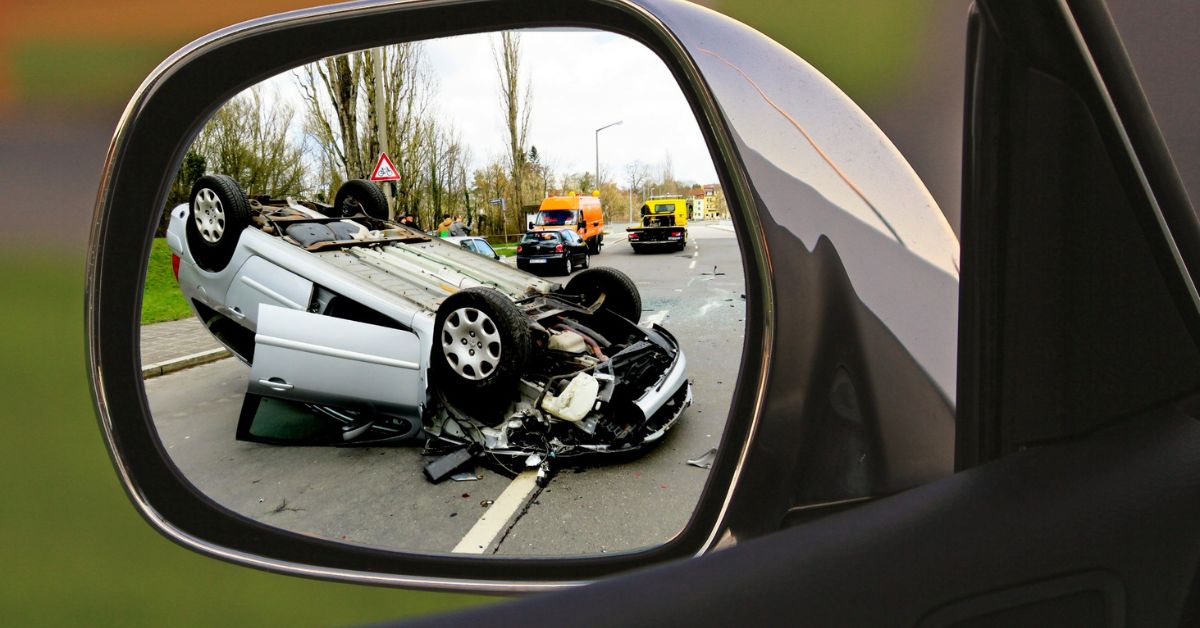
Fatal crash investigations focus on identifying the exact sequence of failures that allowed a preventable collision to result in loss of life. Wrongful death from MVA attorneys in Portland at Ritchie-Reiersen Injury & Immigration Attorneys examine vehicle paths, driver decisions, and roadway positioning to determine where the chain of events could have been interrupted. Physical evidence, such as debris distribution, point of impact, and final vehicle placement, provides measurable indicators of how the collision unfolded. Police reports and witness statements are tested against that physical evidence to identify contradictions or missing details that affect fault determination. Establishing where the driver lost control, failed to yield, or misjudged conditions defines how negligence directly produced the fatal outcome.
Investigation also requires evaluating factors that influenced driver perception and reaction in the moments leading up to impact. Wrongful death from MVA attorneys in Portland analyze lighting conditions, traffic flow, and obstructions that may have affected visibility or timing. Vehicle data, such as braking input and speed variation, provides objective insight into whether the driver attempted to avoid the collision. Medical findings are then matched to impact mechanics to show how force translates into fatal injury. This combined analysis connects driver conduct, environmental conditions, and injury causation into a single, evidence-based explanation.

Vehicle Movement and Impact Dynamics
Vehicle movement analysis focuses on how both vehicles traveled, interacted, and ultimately collided within a defined roadway space. Wrongful death from MVA lawyers in Portland evaluate lane position, direction changes, and relative speed to determine how the vehicles converged before impact. Damage patterns and impact angles reveal how force entered the vehicle and how that force was distributed through the collision. These findings help determine whether the crash resulted from a failure to maintain lane control, yield, or adjust speed. Mapping these mechanics identifies the precise moment where corrective driving action would have prevented the fatal collision.
Speed and Force Analysis
Speed determines how much time a driver has to recognize a hazard and respond before impact occurs. Higher speeds compress reaction windows and increase the energy transferred during collision events. Attorneys use crash data and physical evidence to calculate how speed affected both avoidance capability and injury severity.
Force Transfer and Injury Correlation
Impact force transfers through the body based on speed, angle, and point of contact. Specific injury patterns can be traced back to how force entered and moved through the body during a collision. This correlation allows attorneys to tie fatal injuries directly to the mechanics of the crash rather than speculation.
Driver Response and Pre-Impact Decisions
Driver behavior in the seconds before impact determines whether a collision can be avoided or its severity reduced. Attorneys analyze braking patterns, steering input, and acceleration changes to determine how the driver responded to the developing hazard. Evidence such as skid marks or the absence of evasive movement indicates whether the driver recognized the danger in time. Distraction, impairment, or delayed perception may explain why corrective action was not taken. These behavioral indicators establish whether the driver failed to exercise reasonable care under the circumstances.
Reaction Timing and Evasive Action
Reaction timing measures how quickly a driver identifies a hazard and begins corrective action. Delayed braking or lack of steering adjustments indicates reduced awareness or failure to monitor surroundings. Attorneys evaluate these delays to determine whether the driver had sufficient opportunity to avoid the crash.
Behavior Patterns and Negligence
Patterns of delayed or absent reaction show how driver inattention contributes to collision risk. Consistent failure to respond to visible hazards indicates a breakdown in safe driving practices. These patterns allow attorneys to demonstrate that the fatal crash resulted from preventable driver behavior.
Environmental and Roadway Influence
Roadway and environmental conditions affect how hazards are perceived and how vehicles respond during critical moments. Wrongful death from MVA lawyers in Portland evaluate lighting, weather, and road design to determine how these factors influenced visibility and control. Drivers are expected to adjust speed and awareness based on surrounding conditions at all times. Failure to adapt to reduced visibility or road hazards increases the likelihood of a collision. Evaluating these conditions helps determine whether environmental factors contributed to the driver’s failure to avoid the crash.
Visibility and Surface Conditions
Visibility determines how early a driver can identify and respond to potential hazards. Conditions such as darkness, glare, or weather can reduce detection distance and reaction time. Attorneys analyze these factors to determine whether the driver adjusted their behavior appropriately.
Driver Obligations Under Conditions
Drivers must modify speed and attention to account for environmental limitations. Failure to adjust increases stopping distance and reduces the ability to avoid hazards. This obligation remains central when determining whether driver conduct met reasonable safety expectations.
Evidence Integration and Timeline Construction
A wrongful death case requires organizing all evidence into a continuous sequence that explains how the crash developed from initial movement to final impact. Attorneys combine physical evidence, witness statements, and vehicle data into a unified timeline. Each stage must align without contradiction to maintain credibility and prevent disputes over causation. This structured timeline ensures that every element of the case supports the same sequence of events. A consistent timeline allows attorneys to present a clear explanation of how the fatal collision occurred.
Coordinating Multiple Evidence Sources
Different sources of evidence provide separate insights into the collision, including physical, testimonial, and technical perspectives. Aligning these sources ensures that each piece supports the same version of events. Attorneys in Portland verify consistency across all documentation to strengthen the case.
Timeline Consistency and Claim Strength
A consistent timeline prevents opposing parties from introducing alternative explanations for the crash. Each stage of the event must logically connect to demonstrate how the collision unfolded. This structure allows the case to present a cohesive and evidence-supported narrative.
How Wrongful Death From MVA Attorneys in Portland Calculate Financial and Personal Loss After a Crash
Calculating loss after a fatal collision requires identifying how the deceased contributed financially and functionally to the household before the incident occurred. Wrongful death from MVA attorneys in Portland examine employment history, income patterns, and expected career trajectory to determine what earnings would have been generated over time. Financial records such as pay stubs, tax returns, and benefits information provide a baseline for projecting future income loss. This analysis also considers raises, promotions, and long-term earning potential based on age and occupation. Establishing these projections allows the claim to reflect the actual economic value that has been removed from the family.
Loss extends beyond income, requiring evaluation of how the deceased supported daily life through services that now must be replaced or compensated. Attorneys assess responsibilities such as childcare, transportation, and household management to determine their measurable value. These contributions are calculated using replacement cost methods that assign financial figures to tasks previously performed without direct payment. Medical expenses related to the fatal injury and funeral costs are also included to capture the immediate financial impact. Combining these elements ensures the claim reflects both ongoing and immediate financial consequences tied to the loss.
Income Loss and Future Earnings Projection
Income loss calculations begin with identifying the deceased’s current earnings and projecting how those earnings would have changed over time. Attorneys analyze wage growth, career advancement, and industry trends to estimate future financial contributions. This process includes evaluating benefits such as retirement contributions, bonuses, and insurance coverage that would have accumulated. Economic experts may be used to model these projections based on statistical data and employment patterns. Accurate projections ensure that compensation reflects long-term financial impact rather than short-term income alone.
Evaluating Employment History and Growth Potential
Employment records provide insight into earning stability, advancement opportunities, and expected career progression. Consistent work history and upward mobility support higher future income projections. Wrongful death from MVA attorneys in Portland use this information to build a realistic estimate of lost earnings.
Accounting for Long-Term Financial Contributions
Future earnings include not only wages but also benefits and retirement accumulation. These financial elements contribute to long-term household stability. Including them ensures the claim reflects the full scope of economic loss over time.
Household Contributions and Service Replacement
Daily responsibilities performed by the deceased often carry significant value when measured through replacement costs. Attorneys evaluate tasks such as childcare, home maintenance, and transportation to determine how those services supported the household. Replacement cost calculations assign financial value to hiring others to perform those same functions. This approach captures the practical impact of losing those contributions. Including these factors ensures that compensation reflects the full range of household disruption.
Identifying Measurable Service Contributions
Household services must be identified and quantified based on frequency and necessity. Tasks performed regularly contribute to overall household function and stability. Wrongful death from MVA lawyers in Portland document these contributions to support financial valuation.
Translating Services Into Financial Terms
Replacement cost methods convert daily tasks into measurable financial figures. Hiring outside services provides a basis for calculating those values. This conversion ensures that non-wage contributions are included in the claim.
Medical Expenses and Immediate Financial Impact
Medical expenses related to the fatal injury often accumulate rapidly, especially when emergency care and life-saving efforts are involved. Wrongful death from MVA attorneys in Portland review hospital records, treatment costs, and related expenses to determine the financial burden created before death occurred. Funeral and burial costs are also included to capture immediate financial obligations faced by the family. These expenses represent direct losses that must be accounted for in the claim. Including them ensures that the financial impact reflects both short-term and long-term consequences.
Reviewing Treatment and End-of-Life Costs
Medical records detail the care provided and the costs associated with treatment efforts. These expenses can include emergency transport, surgery, and intensive care services. Wrongful death from MVA attorneys in Portland use this documentation to calculate total medical costs.
Including Funeral and Burial Expenses
Funeral and burial costs represent immediate financial obligations following a fatal incident. These expenses vary based on the services and arrangements selected. Including them ensures that the claim reflects all direct financial losses.
Personal Loss and Family Impact
Personal loss includes the absence of guidance, support, and companionship that the deceased provided to surviving family members. Wrongful death from MVA lawyers in Portland evaluate these factors by examining the role the individual played within the family structure. Relationships, daily interactions, and long-term support are considered when assessing this type of loss. While these factors are not tied to direct financial records, they carry a measurable impact within legal claims. Including personal loss ensures that compensation reflects the full extent of harm experienced by the family.
Evaluating Relationship and Support Loss
The strength and nature of family relationships influence how personal loss is assessed. Emotional support, mentorship, and companionship represent significant contributions. Attorneys document these factors to support non-economic damages.
Recognizing Long-Term Family Impact
Loss affects family structure and daily life in ways that extend beyond immediate grief. Changes in support systems can influence long-term stability. Recognizing these effects ensures the claim reflects lasting personal consequences.
How Ritchie-Reiersen Injury & Immigration Attorneys Builds Fatal Collision Claims for Portland Families
Every fatal collision claim begins with identifying how the loss occurred in measurable terms, including the sequence of driving decisions, roadway positioning, and timing that led to the final impact. Ritchie-Reiersen Injury & Immigration Attorneys develops these cases by reconstructing the event using physical evidence, crash reports, and supporting data that define how the collision unfolded. Wrongful death from MVA lawyers in Portland examine how driver conduct, traffic conditions, and vehicle movement combined to create a situation where a fatal outcome became unavoidable. This process isolates the specific breakdown in judgment or control that caused the collision. Establishing that point of failure allows the claim to focus on provable conduct rather than conflicting narratives.
Case development then shifts toward connecting the collision to the losses experienced by the family through detailed financial and personal analysis. Ritchie-Reiersen Injury & Immigration Attorneys evaluates income history, future earning capacity, and the role the individual played within the household to determine how the loss affects long-term stability. Medical records, economic projections, and family impact assessments are aligned to show how the fatal injury translated into measurable consequences. Each element is organized to demonstrate continuity from the crash to the resulting loss without gaps or unsupported assumptions. This structure ensures that liability and damages remain directly connected throughout the claim.

Reconstructing the Crash Using Evidence
A clear reconstruction of the collision requires combining multiple forms of evidence to show how each moment contributed to the final outcome. Ritchie-Reiersen Injury & Immigration Attorneys reviews scene data, vehicle damage, and roadway markings to determine how the crash progressed from initial movement to impact. Attorneys align these findings with witness accounts and official reports to confirm accuracy. This approach ensures that each piece of evidence supports the same sequence of events. A precise reconstruction identifies where driver behavior deviated from expected safety standards.
Aligning Evidence With Collision Sequence
Evidence must be consistent across physical findings, reports, and data sources to support a reliable reconstruction. Conflicting details can weaken the connection between conduct and outcome. Ritchie-Reiersen Injury & Immigration Attorneys verifies alignment to maintain a cohesive case structure.
Using Reconstruction to Establish Fault
Reconstruction identifies how driver actions led directly to the collision. Each movement and decision is evaluated against expected driving behavior. This analysis provides a factual basis for assigning responsibility.
Integrating Financial Loss With Household Impact
Financial loss analysis extends beyond wages to include how the deceased contributed to long-term household stability. Ritchie-Reiersen Injury & Immigration Attorneys evaluates income patterns, career trajectory, and benefits to determine future financial impact. Wrongful death from MVA lawyers in Portland also assess household responsibilities that must now be replaced through paid services. These factors are calculated together to reflect the full economic effect of the loss. This integration ensures that compensation accounts for both direct income and indirect contributions.
Evaluating Income and Service Contributions
Income and household services must be measured together to reflect overall financial support. Employment records and daily responsibilities provide a complete view of contributions. Ritchie-Reiersen Injury & Immigration Attorneys uses this combined analysis to build accurate loss projections.
Connecting Financial Loss to Daily Stability
Loss of income and services affects routine living expenses and long-term planning. Financial disruption extends beyond immediate costs into future stability concerns. This connection ensures the claim reflects the ongoing economic impact.
Structuring Claims to Address Disputed Liability
Fatal collision claims frequently involve competing explanations that require clear evidence to resolve. Ritchie-Reiersen Injury & Immigration Attorneys prepares each case by anticipating arguments related to driver conduct, environmental factors, and potential shared responsibility. Wrongful death from MVA lawyers in Portland organize evidence to counter these claims with documented facts and consistent timelines. Each element of the case is structured to reinforce the same explanation of how the collision occurred. This preparation reduces the effectiveness of opposing arguments.
Responding to Alternative Explanations
Defendants may attempt to attribute the collision to factors unrelated to driver behavior. Addressing these claims requires evidence that clarifies how the event actually unfolded. Ritchie-Reiersen Injury & Immigration Attorneys uses documentation to challenge unsupported arguments.
Strengthening the Case Against Disputed Fault
Clear evidence reduces uncertainty in liability determinations. Consistent documentation prevents shifting narratives during negotiations or litigation. This structure supports a more reliable outcome based on facts.
Get a Free Case Review From Ritchie-Reiersen Injury & Immigration Attorneys Today
After a fatal crash, questions about what actually happened in those final moments and how that event now affects your family’s future arise. Answers to those questions depend on evidence, including scene conditions, vehicle data, and witness observations that can change or disappear over time. Insurance carriers begin analyzing fatal collisions immediately, forming conclusions that may not reflect the full sequence of events or the long-term impact of the loss. Acting early allows you to secure documentation that shows how the collision developed and how responsibility should be assigned based on verifiable facts. The timing of your next steps directly affects how accurately both the crash and its consequences are represented.
Ritchie-Reiersen Injury & Immigration Attorneys builds wrongful death claims by connecting collision mechanics, financial loss, and family impact into one consistent structure that reflects the full scope of the situation. Wrongful death from MVA lawyers in Portland at the firm evaluate how driver decisions, roadway conditions, and physical evidence combine to explain the cause of the crash, then align that analysis with detailed financial projections. Each component is supported by records that demonstrate how the loss affects both immediate obligations and long-term stability. Call Ritchie-Reiersen Injury & Immigration Attorneys at (888) 884-7337 or visit our contact page to learn how our attorneys can help you today.








Get In Touch
Schedule a Free Legal Consultation With Us
If you or a loved one needs the assistance of a personal injury or immigration attorney, don’t hesitate to reach out. Ritchie-Reiersen Injury & Immigration Attorneys can help you with their extensive experience.
- Proven results
- Years of courtroom experience
- No upfront costs for injury clients
- We are available 24/7 for clients