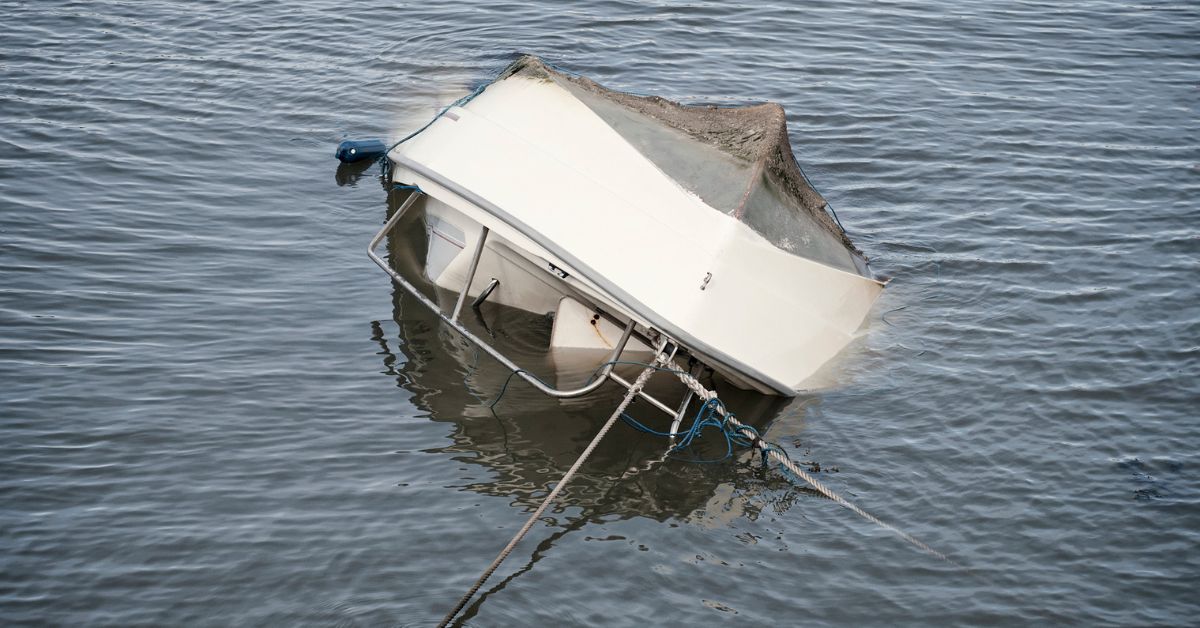
Boat Accident Lawyers in Portland
A boat accident is a very serious incident, particularly when people are thrown off balance or caught off guard on the water. Boat accident lawyers in Portland look closely at what was happening right before the incident, including how the operator handled speed, distance, and nearby traffic. The goal is to understand how the situation changed and where things went wrong, rather than just what happened at impact. This allows us to see how the accident developed and who is responsible.
Figuring out liability in these cases takes more than identifying who was operating the vessel at the time. Boat accident attorneys in Portland review how the boat was maintained, who had control over it, and if proper safety steps were followed beforehand. In some situations, responsibility may involve multiple entities, depending on ownership and use. Evidence on the water can disappear immediately once the scene clears, which makes early investigation important. Call Ritchie-Reiersen Injury & Immigration Attorneys at (888) 884-7337 or visit our contact page to talk with our Portland boat accident attorneys and learn how we can help you today.
How Boat Accident Lawyers in Portland Break Down What Led to the Crash
Understanding how a boat crash happened starts with looking at what each vessel was doing in the minutes before impact, including speed, direction, and spacing between boats. Boat accident lawyers in Portland review movement patterns to see how quickly the situation developed and whether there was enough time to avoid the collision. Even small decisions on the water, like turning too late or misjudging distance, can change how the entire event unfolds. Physical evidence, such as hull damage, debris location, and final vessel position, helps show how the crash actually occurred. Putting these details together allows the case to move beyond assumptions and focus on what can be proven. Ritchie-Reiersen Injury & Immigration Attorneys looks at the whole picture and analyzes how the crash occurred and who is liable.
The analysis also includes how operators responded once conditions started to change, especially when visibility, traffic, or water movement became factors. Boat accident attorneys in Portland examine whether the operator adjusted speed, maintained awareness, and followed basic navigation rules under the circumstances. Delayed reactions or failure to respond to nearby vessels can indicate that the situation was not handled properly. Environmental factors such as waves, glare, or congestion are also reviewed to see how they influenced decision-making. This step connects real conditions on the water to the actions that led directly to the crash.
Operator Decisions Before Impact
What the operator chose to do before the collision often explains why the situation became unsafe in the first place. Boat accident attorneys in Portland look at steering choices, throttle use, and how the operator approached other vessels in the area. These decisions show whether proper attention was given to spacing and movement on the water. Poor judgment in these moments can quickly remove the opportunity to avoid a crash. Identifying those choices helps show how control was lost before impact.
Reviewing Speed and Distance Control
Speed and distance determine how much time an operator has to react to changing conditions. Moving too fast or getting too close reduces the ability to avoid nearby vessels. Attorneys use these factors to evaluate whether safe control was maintained.
How Misjudgment Leads to Collision Risk
Misjudging speed or distance can cause operators to lose control of the situation. Reduced reaction time makes it harder to correct mistakes once they happen. These errors directly increase the likelihood of a collision.
Navigation Awareness and Visibility
Awareness on the water depends on how well an operator tracks surrounding vessels, obstacles, and changing conditions. Boat accident lawyers in Portland examine whether the operator maintained a clear line of sight and stayed alert to movement nearby. Visibility can change quickly due to lighting, weather, or water conditions, which requires constant adjustment. Failing to recognize another vessel in time can eliminate any chance to avoid impact. Understanding awareness helps explain how the crash became unavoidable.
Identifying Missed Hazards on the Water
Missed hazards often involve failing to notice another vessel or changing conditions in time. These situations show whether the operator was paying attention to the surroundings. Attorneys use this information to determine how awareness affected the outcome.
Why Visibility Problems Do Not Excuse Inaction
Limited visibility requires operators to adjust speed and increase attention. Ignoring those conditions can create unsafe situations quickly. This responsibility remains even when conditions are difficult.
Vessel Condition and Equipment Function
The condition of the boat itself can influence how well it responds during critical moments leading up to a crash. Attorneys review whether steering systems, engines, and safety equipment were functioning properly before the incident. Mechanical issues can reduce control or delay response when quick action is needed. Maintenance history and inspection records help show whether the vessel was safe to operate. These details reveal whether equipment problems contributed to the collision.
Examining Maintenance and Equipment Readiness
Maintenance records show whether the vessel was inspected and repaired as needed. Equipment readiness affects how the boat performs during sudden changes. Boat accident lawyers in Portland use these records to evaluate whether proper upkeep was maintained.
How Equipment Issues Affect Control
Malfunctioning equipment can limit steering, speed control, or responsiveness. Reduced control increases the chance of losing command of the vessel. These failures can directly contribute to a crash.
Environmental Conditions and Water Movement
Conditions on the water can change quickly and affect how vessels move and interact. Lawyers analyze waves, currents, and traffic density to understand how the environment influenced the situation. Operators are expected to adjust to these conditions by managing speed and maintaining awareness. Failure to adapt can create risks that lead to collisions. Evaluating these factors shows how external conditions played a role in the crash.
Assessing Water Traffic and Surrounding Activity
High traffic areas require careful navigation and increased attention to nearby vessels. Congestion can limit available space and reaction time. Lawyers consider these factors when evaluating how the incident developed.
How Conditions Shape Operator Responsibility
Changing conditions require operators to make adjustments in real time. Ignoring those changes can lead to loss of control. These factors help determine whether the operator acted reasonably.
How Boat Accident Lawyers in Portland Evaluate Injuries and Long-Term Impact
Injuries from boat collisions can change in the hours and days after the incident, especially when swelling, internal trauma, or delayed symptoms begin to surface. Boat accident lawyers in Portland track how the condition develops from the first medical visit through follow-up care to understand the full scope of harm. Initial diagnoses may only capture visible damage, while later imaging and specialist evaluations reveal deeper issues affecting movement or neurological function. These changes are documented over time to show how the injury progresses beyond the immediate aftermath. This progression creates a clear connection between the incident and the long-term impact on the body.
Evaluating impact also involves understanding how the injury affects daily function, work ability, and overall stability moving forward. Portland boat accident lawyers review treatment plans, medical restrictions, and recovery timelines to determine whether limitations are temporary or ongoing. Changes in strength, coordination, or endurance can affect how a person performs routine tasks or returns to prior work. Financial impact is then tied to these limitations through lost income, reduced earning capacity, and continued care needs. This approach ensures the claim reflects how the injury develops and affects life over time.
How Injuries Develop After a Boat Collision
The body can respond to trauma in stages, with some conditions becoming noticeable only after initial treatment has begun. Boat accident lawyers in Portland examine how symptoms evolve by comparing early medical records with later findings. Conditions such as internal injuries or soft tissue damage may not be immediately apparent during the first evaluation. Follow-up care helps identify these developments and provides a clearer understanding of the boat accident injury. Tracking these changes ensures the claim reflects the full extent of harm rather than only early observations.
Tracking Changes in Medical Findings
Comparing initial reports with later evaluations shows how the injury changes over time. Differences in diagnosis or treatment indicate that the condition was more serious than first understood. Attorneys use this progression to connect delayed symptoms to the original incident.
Why Injury Progression Matters for Claims
Injury progression shows that the impact extended beyond what was visible immediately after the collision. Ongoing symptoms require continued treatment and can affect recovery timelines. This connection supports claims that reflect the full scope of physical harm.
What Physical Limitations Look Like During Recovery
As recovery continues, injuries can affect movement, balance, and coordination in ways that limit daily activity. Portland boat accident lawyers evaluate how these limitations interfere with tasks such as walking, lifting, or maintaining stability. Medical assessments measure range of motion and strength to determine how function has changed. These findings provide measurable evidence of how the injury affects everyday life. Functional limitations demonstrate the real impact of the collision beyond medical records.
Measuring Loss of Movement and Strength
Physical evaluations identify how injuries reduce mobility and overall capability. Limitations in strength or coordination can prevent a return to normal routines. Attorneys rely on these findings to show how function has been affected.
How Limitations Affect Daily Life
Reduced mobility can change how a person completes basic tasks and responsibilities. Ongoing restrictions may require adjustments in work or daily routines. These effects show how the injury continues to impact everyday function.
How Ongoing Treatment Affects the Case
Treatment often continues beyond the initial phase, especially when therapy, follow-up care, or additional procedures are required. Attorneys track how care evolves to determine whether recovery is improving or complications are developing. Repeated medical visits and therapy sessions show that the injury requires continued attention. This ongoing care reflects both the severity and persistence of the condition. Documenting treatment over time helps establish the need for continued support.
Reviewing Treatment Timeline and Care Needs
Medical timelines show how often care is required and how the condition responds to treatment. Consistent treatment indicates that the injury has not fully resolved. Attorneys use these records to demonstrate the need for ongoing care.
Why Continued Care Influences Claim Value
Extended treatment increases both medical costs and recovery duration. Persistent care needs show that the injury has lasting effects. This pattern supports a more accurate evaluation of damages.
How Financial Loss Builds Over Time After an Injury
Financial impact develops alongside recovery as medical expenses and lost income accumulate. Portland boat accident lawyers evaluate how time away from work and reduced capacity affect earnings. Documentation from employers and medical providers helps quantify these losses. Some injuries may require long-term adjustments that affect future income potential. These factors ensure the claim reflects both immediate and ongoing financial consequences.
Calculating Income Loss and Future Impact
Income loss includes wages missed during recovery and potential earnings affected by limitations. Financial records and medical restrictions help establish these figures. Attorneys use this information to calculate the total economic impact.
Connecting Financial Loss to Injury Effects
Financial consequences must align with how the injury affects work ability. Reduced capacity directly influences earning potential over time. This connection ensures the claim reflects real economic impact.
Why Portland Residents Trust Ritchie-Reiersen Injury & Immigration Attorneys With Boat Accident Claims
Boat accident cases require a clear understanding of how conditions on the water, operator decisions, and vessel control came together to cause the incident. Ritchie-Reiersen Injury & Immigration Attorneys builds each case by focusing on how control was lost and what factors made the situation unsafe before impact. Attorneys at the firm examine operator behavior, vessel movement, and surrounding activity to create a detailed explanation of how the event developed. Each part of the case is supported with documentation that connects those actions to the resulting injury. This approach keeps the claim focused on what can be shown through evidence rather than competing versions of events.
Case development also involves connecting what happened on the water to how injuries evolve during recovery and how they affect daily life over time. Ritchie-Reiersen Injury & Immigration Attorneys organizes medical records, treatment updates, and recovery limitations to show how the injury progressed beyond the initial incident. Financial impact is evaluated alongside physical changes to demonstrate how the situation affects work capacity and long-term stability. Each component is aligned to prevent gaps that could weaken the claim. This structure allows the case to reflect both the cause of the incident and its continuing impact.

Reconstructing How the Incident Unfolded
A clear reconstruction explains how the situation developed from the first loss of control through the final point of impact. Ritchie-Reiersen Injury & Immigration Attorneys uses scene details, vessel positioning, and witness accounts to establish a consistent sequence of events. Each element must align to show how operator decisions and surrounding conditions combined to create the outcome. Gaps or inconsistencies can make it harder to establish responsibility. A detailed reconstruction shows how the incident progressed step by step.
Aligning Physical Evidence With Reported Events
Physical evidence must match written reports and witness statements to maintain accuracy. Differences between these sources can raise questions about what actually occurred. The firm reviews each detail to ensure the case reflects a consistent version of events.
Why Alignment Strengthens Case Clarity
When evidence matches across all sources, the sequence of events becomes easier to understand. Clear alignment reduces uncertainty about how the incident developed. This consistency supports a stronger explanation of responsibility.
Evaluating Operator Judgment on the Water
Operator decisions play a central role in determining whether a situation becomes unsafe or remains controlled. Ritchie-Reiersen Injury & Immigration Attorneys examines how speed, distance, and awareness were managed leading up to the incident. These decisions show whether proper attention was given to surrounding vessels and changing conditions. Poor judgment in these moments can remove the opportunity to avoid a collision. Identifying those choices helps explain how control was lost.
Reviewing Real-Time Decision Making
Real-time decisions are evaluated by looking at how the operator responded to nearby movement and environmental changes. Delayed adjustments or failure to respond can indicate reduced awareness. These patterns help show whether the operator acted within expected safety standards.
How Decision Patterns Affect Responsibility
Repeated errors or delayed responses can point to unsafe operation. These patterns connect behavior directly to the outcome. This relationship helps establish where responsibility should be placed.
Connecting Vessel Condition to Control Loss
The condition of the vessel can influence how it responds when quick adjustments are needed on the water. Ritchie-Reiersen Injury & Immigration Attorneys reviews maintenance history, equipment function, and inspection records to determine whether the boat was operating properly. Mechanical issues can limit steering, speed control, or responsiveness during critical moments. These factors help explain whether the operator had full control at the time of the incident. Identifying these issues shows how equipment may have contributed to the outcome.
Examining Maintenance and Equipment Function
Maintenance records reveal whether the vessel was inspected and repaired as needed. Equipment performance affects how the boat handles sudden changes in direction or speed. These details help determine whether proper upkeep was maintained.
How Equipment Condition Shapes Control
Faulty equipment can reduce the ability to respond to hazards. Limited control increases the likelihood of a collision. These conditions can directly contribute to how the incident occurred.
Organizing Claims to Address Disputed Fault
Boat accident cases can involve multiple perspectives about what happened, which makes preparation critical when responsibility is questioned. Ritchie-Reiersen Injury & Immigration Attorneys organizes evidence to show how the incident developed and why certain actions led to the outcome. This includes structuring documentation so that each part of the case supports the same explanation. Anticipating disputes allows the case to address conflicting accounts before they become a problem. This preparation helps maintain a clear and consistent claim.
Comparing Accounts With Supporting Evidence
Different accounts of the incident are reviewed alongside physical evidence to identify what is accurate. Conflicts between statements can be resolved by examining documented facts. This comparison helps clarify how the situation actually unfolded.
How Preparation Limits Disputes
Well-organized evidence reduces the ability to challenge the case. Clear documentation supports a consistent explanation of events. This structure keeps the focus on what can be proven.
Choose Ritchie-Reiersen Injury & Immigration Attorneys for Your Boat Accident Claims Today
After a boat accident, the initial crash is not the only issue at hand, as you also have to worry about injuries, missed work, and uncertainty about what actually caused the incident. Taking steps to document what happened while those details are still clear allows the case to be built around actual conditions rather than later assumptions. The timing of that process directly affects how clearly responsibility and impact can be shown.
Ritchie-Reiersen Injury & Immigration Attorneys builds boat accident claims by focusing on how the situation unfolded, how the injury progressed, and how long-term stability is affected. Boat accident lawyers in Portland evaluate operator decisions, vessel condition, and surrounding factors to explain how the incident occurred, then connect that analysis to medical records and financial impact. Each part of the claim is structured to show how the accident continues to affect daily life, work, and recovery. This approach keeps the case focused on documented facts that support both cause and consequence. Call us at (888) 884-7337 or visit the contact page to begin working through your situation with a clear plan based on how the incident actually happened.






Get In Touch
Schedule a Free Legal Consultation With Us
If you or a loved one needs the assistance of a personal injury or immigration attorney, don’t hesitate to reach out. Ritchie-Reiersen Injury & Immigration Attorneys can help you with their extensive experience.
- Proven results
- Years of courtroom experience
- No upfront costs for injury clients
- We are available 24/7 for clients