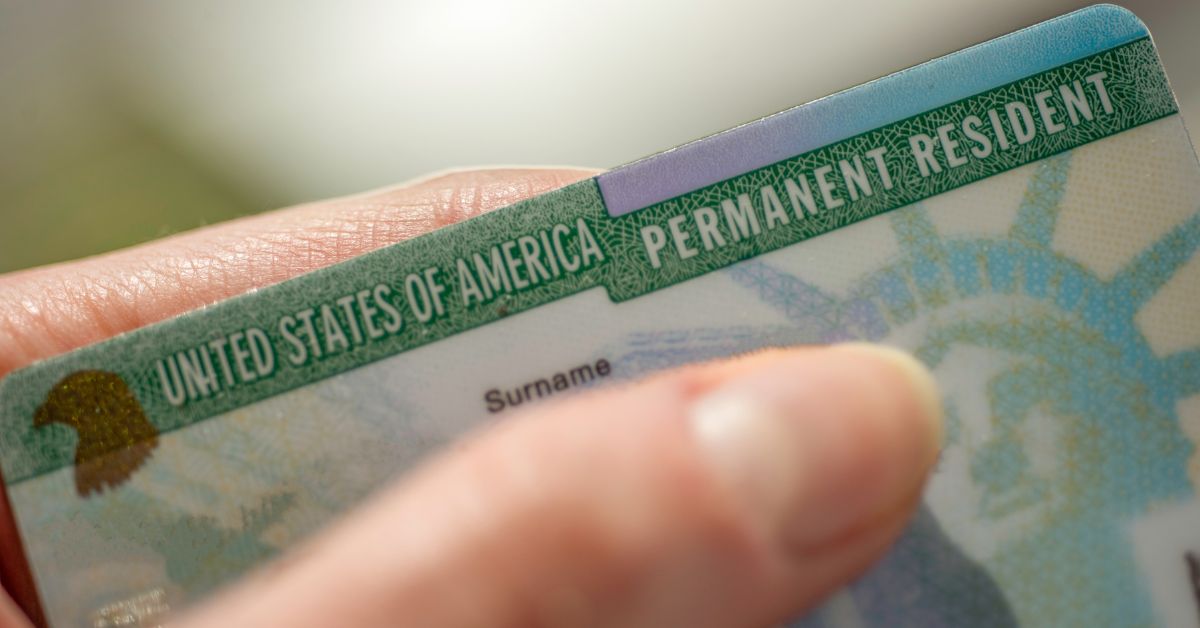
Immigration Green Card Lawyers in Mesa
Obtaining a green card involves securing lawful permanent residence through a process that evaluates eligibility under specific immigration categories, admissibility standards, and procedural requirements. Each pathway to permanent residence operates under different rules, which determine how applications are reviewed and what evidence must be provided. Immigration green card lawyers in Mesa analyze which pathway applies and how the case must be positioned to meet the legal criteria for approval. This includes assessing how the applicant’s history, current status, and supporting documentation interact within the selected category. The strength of the application depends on how well those details are structured from the beginning of the case.
Green card cases require coordination between multiple steps that may include petitions, adjustments of status, consular processing, or additional filings depending on the situation. Immigration green card lawyers in Mesa evaluate how each stage connects to the next and ensure that the case progresses without gaps or inconsistencies. Attorneys review if additional requirements, such as waivers or supporting documentation, must be addressed before approval can occur. Call Ritchie-Reiersen Injury & Immigration Attorneys at (888) 884-7337 to get a free case review from our immigration green card lawyers in Mesa.
How Immigration Green Card Lawyers in Mesa Evaluate Green Card Eligibility Across Different Categories
Immigration green card lawyers in Mesa evaluate green card eligibility across different categories by analyzing how each pathway to permanent residence applies to the applicant’s specific immigration history and legal circumstances. Green card eligibility is not determined by a single standard, since family-based, employment-based, humanitarian, and other categories each require different legal elements to be satisfied. Ritchie-Reiersen Injury & Immigration Attorneys examines which category aligns with the applicant’s situation and how that category defines eligibility under immigration law. This includes identifying what documentation, sponsorship, or qualifications must be demonstrated for approval. Proper evaluation ensures that the case is directed toward a pathway that can be supported under legal standards.
Attorneys also assess how eligibility requirements interact with admissibility rules and prior immigration activity that may affect approval. Immigration green card lawyers in Mesa review whether any issues exist that could limit eligibility within a selected category. This involves analyzing background factors, prior filings, and current status to determine whether additional steps are required. Attorneys ensure that eligibility is evaluated in the context of the full case rather than in isolation. Each decision is made based on how the application will be reviewed during adjudication.

Distinguishing Family-Based and Employment-Based Pathways
Attorneys determine whether eligibility is best pursued through family-based or employment-based categories by analyzing how the applicant qualifies under each pathway. Family-based categories depend on qualifying relationships, while employment-based options rely on job offers, skills, or employer sponsorship. Each pathway carries different requirements that must be satisfied through documentation and supporting evidence. Attorneys evaluate which option aligns with the applicant’s qualifications and circumstances. Selecting the appropriate pathway determines how the application will be structured.
Evaluating Sponsorship and Qualification Requirements
Attorneys review whether a qualifying sponsor exists and whether the applicant meets the requirements tied to that sponsorship. This includes confirming family relationships or employment eligibility supported by documentation. Proper evaluation ensures that the selected pathway is legally viable.
Comparing Requirements Across Categories
Attorneys compare eligibility criteria across multiple categories to determine which option provides the strongest basis for approval. This includes analyzing differences in documentation, sponsorship, and legal standards. Careful comparison supports informed decision-making.
Assessing Adjustment of Status Versus Consular Processing
Attorneys evaluate whether the applicant should pursue adjustment of status within the United States or consular processing through a U.S. embassy or consulate abroad. Each process involves different procedural steps and eligibility requirements that must be considered carefully. Attorneys analyze how the applicant’s current location and immigration status affect which process is available. This decision influences how the case will proceed and what documentation is required. Proper assessment ensures that the correct process is selected.
Determining Eligibility for Adjustment of Status
Attorneys review whether the applicant meets the criteria to adjust status without leaving the United States. This includes confirming lawful entry and compliance with applicable requirements. Eligibility for adjustment allows the case to proceed domestically.
Evaluating Consular Processing Requirements
Attorneys assess whether the case must proceed through consular processing and what requirements apply at that stage. This includes preparing for visa interviews and document submission abroad. Proper evaluation ensures readiness for consular review.
Evaluating Admissibility and Potential Barriers
Attorneys analyze whether any factors exist that could prevent approval under admissibility rules, including prior immigration violations or other legal issues. These factors can affect eligibility regardless of the selected category. Attorneys identify whether any barriers must be addressed before proceeding with the application. This evaluation ensures that potential issues are identified early in the process. Addressing admissibility concerns supports successful case progression.
Identifying Factors That Affect Admissibility
Attorneys review the applicant’s history to determine whether any issues could affect eligibility for permanent residence. This includes examining prior immigration activity and other relevant factors. Identifying these issues allows for proper case planning.
Preparing Strategies to Address Eligibility Barriers
Attorneys develop approaches to address identified issues so that the application can proceed under applicable legal standards. This may involve additional documentation or filings. Proper preparation supports continued case progress.
Aligning Eligibility With Supporting Evidence
Attorneys ensure that eligibility claims are supported by documentation that meets the requirements of the selected category. This includes organizing records so that each element of eligibility is clearly demonstrated. Evidence must align with legal standards and remain consistent across all submissions. Attorneys verify that documentation supports the overall case structure. Proper alignment strengthens how the application is evaluated.
Organizing Evidence to Support Eligibility Claims
Attorneys compile documentation that directly corresponds to each eligibility requirement within the selected category. This ensures that immigration authorities can verify the basis of the application. Organized evidence in your case supports efficient review and increases your chances of the case being successful.
Maintaining Consistency Across All Submissions
Attorneys ensure that all documentation remains consistent throughout the application process so that no discrepancies arise. This includes verifying information across multiple filings. Consistency supports accurate evaluation of the case.
How Immigration Green Card Lawyers in Mesa Build Green Card Applications
Immigration green card lawyers in Mesa build applications by aligning filings with strict review requirements. Each submission must present eligibility, documentation, and forms without contradictions or unsupported claims. Attorneys structure cases so officers can verify each requirement directly from submitted materials. This includes coordinating timelines, documents, and filings so each element reinforces eligibility. Proper structure prevents confusion during intake and reduces requests for additional evidence. Strong preparation ensures applications enter review stages without avoidable processing setbacks.
Submission planning requires understanding how applications move through intake and adjudication stages. Immigration green card lawyers in Mesa prepare filings knowing each stage evaluates completeness and accuracy. Attorneys confirm that all required materials are included before submission begins. They also account for how officers interpret evidence during final review decisions. Proper sequencing ensures the case remains consistent across each processing stage. Coordinated submissions allow applications to move forward without unnecessary administrative interruptions.
Organizing Required Forms
Attorneys identify all required forms for the selected green card category before preparation begins. Each form must reflect consistent information that matches supporting documentation and prior records. Attorneys review every entry to ensure accuracy across names, dates, and identifying details. Incorrect or conflicting entries can delay processing or trigger additional government review steps. Properly completed forms allow officers to confirm eligibility without requiring further clarification. Organized filings create a structured record that supports efficient case processing.
Ensuring Accuracy Across All Forms
Attorneys verify that all identifying information matches across every submitted form. Even minor inconsistencies can delay review or require additional agency clarification. Accurate forms allow officers to confirm eligibility without questioning the record.
Confirming Completeness Before Submission
Attorneys confirm that every required field is completed before filing the application. Missing information can result in rejection or significant processing delays. Complete filings ensure the application proceeds directly into formal review stages.
Assembling Supporting Documentation for Review
Attorneys gather documentation that directly proves each eligibility requirement under the selected category. Each document must support a specific fact required for permanent residence approval. Attorneys organize materials so officers can confirm eligibility without reviewing unnecessary information. Poorly structured documentation can slow review or create uncertainty during evaluation. Clear organization allows officers to follow the case without searching for supporting evidence. Well-prepared documentation strengthens how the application is reviewed and processed.
Selecting Evidence That Meets Legal Requirements
Attorneys choose documents that directly satisfy each eligibility element required for approval. This includes verifying authenticity and ensuring relevance to the claimed immigration category. Focused evidence allows officers to evaluate applications without unnecessary delays.
Structuring Documents for Easy Verification
Attorneys arrange documents so each item supports a specific eligibility requirement clearly. This structure allows officers to confirm claims without confusion during review. Organized submissions improve efficiency and reduce the likelihood of follow-up requests.
Coordinating Filing Strategy and Submission Timing
Attorneys determine when to file based on readiness, eligibility, and processing conditions. Filing at the wrong time can delay review or complicate application processing stages. Attorneys ensure all requirements are satisfied before submitting the application package. This includes aligning filings with visa availability and procedural requirements. Strategic timing allows cases to enter processing without unnecessary delays or complications. Proper coordination supports steady progress through each stage of review.
Selecting the Appropriate Filing Method
Attorneys determine whether adjustment of status or consular processing applies to the case. Each method requires different procedural steps that must be satisfied before submission. Proper selection ensures the application follows the correct legal pathway.
Aligning Submission With Case Readiness
Attorneys confirm that all documentation and eligibility requirements are fully satisfied before filing. Submitting incomplete applications can delay processing or trigger additional review requests. Proper timing ensures the case progresses without avoidable interruptions.
Preparing Applications for Agency Review and Follow-Up
Attorneys prepare applications with the expectation that further review or clarification may occur. Each submission must remain consistent across all documents, forms, and supporting evidence. Attorneys identify areas where additional evidence may be requested during processing stages. Preparing for follow-up ensures the case can continue without delays if requests arise. Clear preparation allows officers to evaluate the case without uncertainty or confusion. Anticipating review issues strengthens how the application is handled during adjudication.
Anticipating Requests for Additional Evidence
Attorneys identify potential weaknesses and prepare supporting materials before submitting applications. This reduces delays when additional evidence is requested during later review stages. Prepared responses allow the case to continue without interruption.
Maintaining Consistency During Follow-Up
Attorneys ensure that any additional submissions match the original application information exactly. Inconsistent updates can affect how officers evaluate the case during review. Consistency supports continued progress toward permanent residence approval.
The Approach Ritchie-Reiersen Injury & Immigration Attorneys Applies to Green Card Applications
Ritchie-Reiersen Injury & Immigration Attorneys applies an approach centered on how immigration officers evaluate permanent residence applications. Each case is structured based on the exact legal standards governing eligibility, admissibility, and documentation requirements. Attorneys examine how officers verify claims and ensure every element is supported by precise evidence. This method eliminates ambiguity by presenting information in a format that mirrors adjudication standards. Each application is developed to withstand detailed review across multiple evaluation checkpoints. Strong alignment between evidence and legal requirements directly affects approval outcomes.
The firm also applies an approach that accounts for how applications progress through multiple review stages. Immigration green card lawyers in Mesa prepare filings so each stage receives complete and consistent information. Attorneys anticipate how applications will be interpreted during intake, background review, and final adjudication stages. This preparation prevents delays caused by missing details or conflicting documentation across submissions. Each decision reflects how the case will be handled throughout the entire process. Coordinated development ensures the application remains stable as it advances toward final determination.

Structuring Applications Around Officer Review
Attorneys build applications by identifying how officers confirm eligibility during each stage of review. This requires mapping every requirement to specific evidence that verifies each claimed element. Each submission is organized so officers can confirm facts without relying on assumptions or interpretation. Attorneys ensure that documentation directly corresponds to the legal standards governing the selected pathway. Proper structuring allows officers to evaluate the application efficiently and accurately. Clear alignment between evidence and requirements strengthens overall case presentation.
Matching Documentation to Required Legal Elements
Attorneys ensure each document directly supports a defined eligibility requirement within the application. This includes verifying that records clearly establish identity, qualifications, and legal eligibility criteria. Accurate matching allows officers to confirm claims without requesting additional clarification.
Removing Gaps Between Statements and Supporting Evidence
Attorneys review applications to confirm that every statement is supported by corresponding documentation. Unsupported claims can trigger additional review or requests that delay processing timelines. Eliminating gaps ensures the application remains consistent and fully supported during evaluation.
Maintaining Consistency Across All Application Materials
Attorneys control consistency across forms, documents, and supporting records submitted throughout the application process. This requires verifying that all information remains aligned across every submission and update. Inconsistencies can create credibility concerns that affect how officers evaluate the case. Attorneys review each component to ensure that details remain uniform across all filings. Consistency allows officers to confirm accuracy without questioning the reliability of the record. Stable documentation strengthens how the application is reviewed at every stage.
Verifying Alignment Between Forms and Supporting Records
Attorneys confirm that names, dates, and identifying details match across all submitted materials. Even minor discrepancies can lead to additional review or requests for clarification. Accurate alignment ensures the application presents a reliable and verifiable record.
Preventing Conflicts With Prior Immigration Filings
Attorneys review prior immigration records to ensure new submissions remain consistent with existing documentation. Conflicting information can delay processing or create concerns about accuracy during evaluation. Preventing conflicts ensures the application remains credible throughout the review process.
Managing Application Development Across Processing Stages
Attorneys prepare applications with full awareness of how cases move through multiple processing stages. Each stage involves different evaluation criteria that must be satisfied before advancement occurs. Attorneys coordinate filings so the application remains consistent as it progresses through each phase. This includes preparing documentation that satisfies both initial review and later adjudication requirements. Proper coordination prevents delays caused by incomplete or misaligned submissions. Managed development ensures steady progression through each stage of processing.
Preparing Applications for Sequential Review Stages
Attorneys structure filings so each stage receives the information required for advancement. This includes organizing materials to meet intake, background, and adjudication standards. Proper preparation allows the case to progress without unnecessary interruptions.
Ensuring Readiness for Final Adjudication Review
Attorneys confirm that all eligibility elements are fully supported before final evaluation begins. Incomplete documentation at this stage can delay decision-making or require further review. Complete preparation allows officers to issue decisions based on a fully supported record.
Addressing Issues Before Submission
Attorneys analyze applications to identify potential issues that could affect review before filing occurs. This includes examining documentation, eligibility factors, and prior immigration history for inconsistencies. Attorneys address these issues early to prevent complications during later stages of processing. Each application is reviewed with attention to how officers may question or verify submitted information. Early correction reduces the likelihood of delays caused by follow-up requests. Proactive analysis strengthens how the case is handled during adjudication.
Detecting Weak Points Within Application Materials
Attorneys evaluate applications to identify areas that may require clarification or additional evidence. This includes reviewing whether documentation fully supports each eligibility requirement. Detecting weaknesses early allows attorneys to strengthen the application before submission.
Preparing Responses for Potential Follow-Up Requests
Attorneys organize additional materials that can be submitted if officers request further evidence. This preparation allows responses to be provided quickly without disrupting processing timelines. Ready responses ensure the case continues moving forward without unnecessary delay.
Aligning Strategy With Long-Term Immigration Goals
Attorneys develop application strategies that consider both immediate approval and future immigration objectives. This includes selecting pathways that support long-term eligibility for benefits such as citizenship. Attorneys evaluate how current filings affect future applications and legal status changes. Each decision is made with awareness of how the case will evolve after approval. Strategic alignment prevents complications that could arise in later stages. Long-term planning strengthens both approval outcomes and future immigration opportunities.
Evaluating How Current Filings Affect Future Status
Attorneys assess how each application decision influences eligibility for future immigration benefits. This includes ensuring that filings support pathways toward permanent residence and eventual citizenship. Proper evaluation prevents issues that could arise in later stages.
Structuring Records for Future Immigration Filings
Attorneys prepare applications so documentation remains consistent for future submissions and legal processes. This includes maintaining accurate records that support continued eligibility for benefits. Structured records ensure long-term stability within the immigration system.
Schedule With Our Lawyers at Ritchie-Reiersen Injury & Immigration Attorneys Today
Green card cases can stall or fail when critical details are overlooked before submission. Filing without addressing those issues can lead to delays, requests for additional evidence, or denial decisions that could have been avoided. Ritchie-Reiersen Injury & Immigration Attorneys prepares each application with attention to how officers verify information and resolve inconsistencies during review. Early precision in the case reduces the risk of procedural errors later in the process.
Understanding how your case should be handled requires evaluating both eligibility requirements and potential obstacles before filing begins. A detailed case review can identify which pathway applies and what evidence must be prepared to support approval. Ritchie-Reiersen Injury & Immigration Attorneys works with you to develop a strategy based on how permanent residence applications are reviewed and finalized. Call us at (888) 884-7337 or visit our contact page to get a free case review today.









Get In Touch
Schedule a Free Legal Consultation With Us
If you or a loved one needs the assistance of a personal injury or immigration attorney, don’t hesitate to reach out. Ritchie-Reiersen Injury & Immigration Attorneys can help you with their extensive experience.
- Proven results
- Years of courtroom experience
- No upfront costs for injury clients
- We are available 24/7 for clients