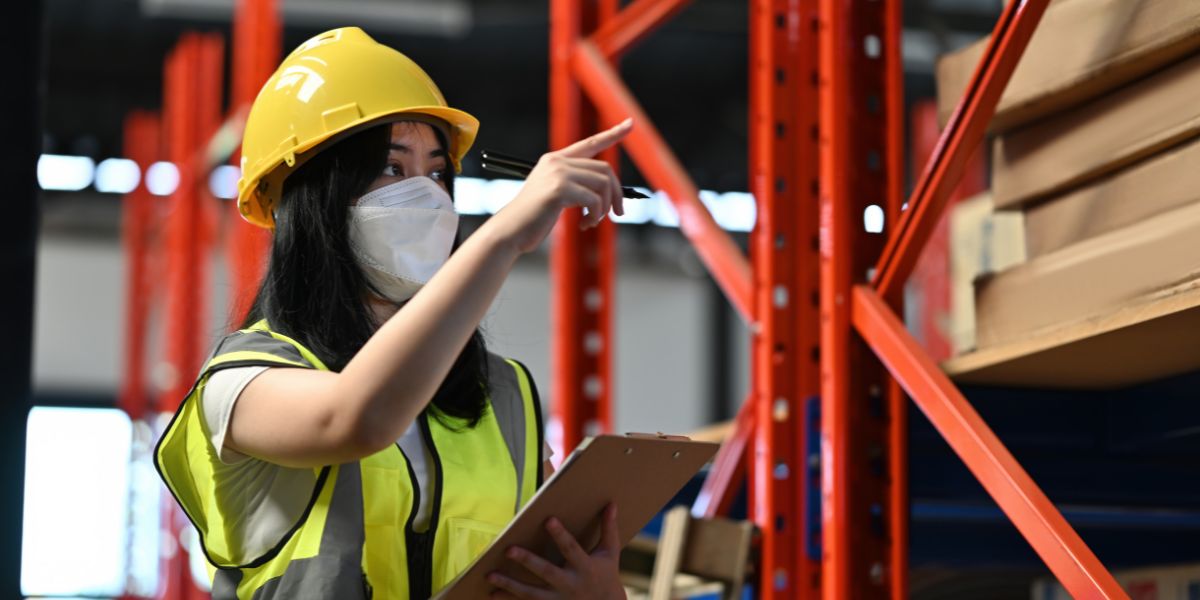
Premises Liability Lawyers in Kennewick
Property owners in Kennewick have a legal responsibility to keep their premises reasonably safe for visitors, tenants, and customers. When unsafe conditions such as unmarked hazards or ignored repairs cause serious injuries, the consequences can affect every part of your life. Medical expenses, lost income, and uncertainty about how to hold the responsible party accountable often follow, leaving injured people searching for clear answers and dependable legal guidance. People begin looking for premises liability lawyers in Kennewick to get help navigating the legal process.
At Ritchie-Reiersen Injury & Immigration Attorneys, our premises liability lawyers in Kennewick help people who were hurt because a property owner failed to take reasonable steps to prevent harm. We understand how quickly a routine visit can turn into a serious injury situation. Our firm focuses on identifying unsafe conditions, proving negligence under Washington law, and pursuing compensation that reflects both immediate losses and long-term impact. If you were injured on someone else’s property in Kennewick and need answers about your legal options, speak with our premises liability lawyers who can help you understand your next steps. Call Ritchie-Reiersen Injury & Immigration Attorneys today at (888) 884-7337 or visit our contact page to schedule a free consultation and get guidance on how to protect your recovery.
How Premises Liability Laws Protect Injured People in Kennewick

Washington premises liability laws exist to protect people who suffer injuries because a property owner failed to maintain reasonably safe conditions. In Kennewick, these laws apply to a wide range of properties, including retail stores, apartment complexes, office buildings, hotels, and other locations open to visitors. Understanding how these legal protections work helps injured people recognize when a property owner’s conduct crosses the line from an unfortunate accident into legally actionable negligence.
Premises liability cases focus on accountability rather than blame. The law examines whether the property owner took reasonable steps to identify hazards, correct dangerous conditions, or warn visitors when immediate repairs were not possible. When owners fail to meet these obligations and someone is injured as a result, Washington law provides a clear path for pursuing compensation through a premises liability claim.
Legal Duties Property Owners Owe to Visitors in Kennewick
Property owners in Kennewick must take active steps to keep their premises reasonably safe for people who are lawfully present. This duty includes regular inspections, timely maintenance, and addressing conditions that could foreseeably cause harm. The scope of this responsibility depends on the relationship between the property owner and the injured person.
Duty of Care Owed to Customers
Businesses and commercial property owners owe a high duty of care to customers and invited guests who enter their property for legitimate purposes. This duty requires owners to proactively look for hazards, fix dangerous conditions, and provide clear warnings when risks cannot be eliminated immediately. Failing to meet these expectations can expose property owners to liability when injuries occur.
Higher Safety Expectations for Public Properties
Properties that invite regular public access, such as stores and restaurants, face heightened safety expectations due to constant foot traffic. Owners must anticipate common hazards like spills, worn flooring, or poor lighting and address them promptly. Courts often evaluate whether these owners followed reasonable commercial safety practices when determining liability.
Responsibilities Toward Tenants and Residents
Landlords and property managers owe ongoing duties to tenants and residents to maintain common areas in safe condition. Stairwells, walkways, parking areas, and shared facilities must be properly maintained to prevent foreseeable injuries. Neglecting these responsibilities may result in premises liability claims when residents or their guests are harmed.
Ongoing Maintenance Obligations in Residential Properties
Residential property owners must respond to known hazards and perform routine upkeep to prevent dangerous conditions from developing. Delayed repairs, ignored complaints, or lack of inspection can indicate a breach of legal duty. These failures often form the basis of premises liability claims involving apartment complexes and rental properties.
How Negligence Is Evaluated Under Kennewick Premises Liability Law
Negligence serves as the foundation of most premises liability claims in Kennewick. The legal analysis focuses on whether the property owner acted reasonably under the circumstances and whether their conduct directly caused the injury. Establishing negligence requires connecting unsafe conditions to the owner’s actions or inaction.
Knowledge of Dangerous Conditions and Reasonable Response Time
Liability often depends on whether the property owner knew or should have known about the hazardous condition. Actual knowledge exists when an owner receives complaints or observes the issue directly, while constructive knowledge applies when a hazard existed long enough that reasonable inspections would have discovered it. Courts closely examine how quickly the owner responded once the danger became known.
Actual Versus Constructive Notice in Premises Liability Claims
Actual notice may come from maintenance reports, employee observations, or prior incidents involving the same hazard. Constructive notice focuses on whether the condition was present long enough to be discovered through ordinary care. Proving either form of notice plays a critical role in establishing negligence.
How Premises Liability Laws Apply to Different Types of Kennewick Properties
Premises liability laws apply broadly across different property types in Kennewick, but the legal obligations imposed on property owners vary based on how the property is used, who is invited onto the premises, and the level of control the owner maintains over the space. Courts evaluate whether the property owner took reasonable steps to address hazards that are common or foreseeable for that type of property, rather than applying a one-size-fits-all standard. Even private property owners may face liability when injuries occur in areas where visitors are expected to walk or perform work-related tasks. In each situation, Washington law examines whether the owner acted reasonably in light of the property’s purpose, usage patterns, and known risks, making property type a central factor in premises liability analysis.
Commercial Properties and Business Locations
Commercial properties must account for high visitor volume and predictable hazards associated with their operations. Owners are expected to monitor conditions continuously and address risks that arise throughout the day. Injuries in these settings often involve issues related to maintenance, housekeeping, or inadequate supervision.
Risk Management Expectations for Kennewick Businesses
Businesses are expected to implement risk management practices that reduce injury potential. This includes staff training, inspection logs, and prompt responses to reported hazards. Failure to maintain these systems often strengthens premises liability claims.
Private and Semi Private Properties
Private property owners may still be held liable when injuries occur under circumstances where visitors were lawfully present. Social guests, delivery workers, and contractors may all receive protection under premises liability law. Owners must consider foreseeable risks even in noncommercial settings.
Duty to Address Known Hazards in Noncommercial Settings
Homeowners and private property owners must address hazards they know about or should reasonably discover. Ignoring unsafe conditions such as broken steps or unstable walkways can expose owners to legal responsibility. Liability often turns on whether the danger was foreseeable and preventable.
Role of Comparative Fault in Kennewick Premises Liability Cases
Washington follows a comparative fault system that can affect how compensation is awarded in premises liability claims. Property owners and insurers may argue that the injured person shares responsibility for the accident. Understanding how comparative fault works helps injured people anticipate potential challenges.
How Shared Responsibility Can Affect Compensation
If an injured person is found partially at fault, their compensation may be reduced proportionally. This does not bar recovery entirely, but it can impact the final amount awarded. Courts examine whether the injured person acted reasonably under the circumstances.
Common Arguments Raised by Property Owners
Property owners may claim that the injured person was distracted, failed to observe warnings, or wore inappropriate footwear. These arguments often rely on assumptions rather than evidence. Careful factual analysis helps challenge unsupported claims of shared fault.
Common Property Hazards That Lead to Premises Liability Claims in Kennewick
Dangerous property conditions remain one of the most common reasons people seek help from premises liability lawyers in Kennewick. Many injuries occur not because of unusual circumstances, but because property owners fail to address hazards that routinely develop in commercial, residential, and public spaces. When these conditions go uncorrected, Washington premises liability law allows injured people to pursue accountability and compensation.
Property hazards often develop gradually or repeatedly, giving owners ample opportunity to identify and correct them. Courts examine whether the hazard was foreseeable, how long it existed, and whether reasonable steps were taken to prevent harm. Understanding the most common hazards helps explain why liability frequently rests with property owners rather than injured visitors.
Slip and Fall Hazards in Kennewick Commercial and Residential Properties
Slip and fall hazards represent one of the leading causes of premises liability claims in Kennewick. These hazards often arise in places where people reasonably expect safe walking conditions, such as stores, apartment buildings, and office complexes. Even temporary conditions can create serious risks when not addressed promptly.
Wet Floors and Unaddressed Spills
Liquids on walking surfaces create immediate dangers, especially in grocery stores, restaurants, and building entrances. Rainwater tracked indoors, spilled products, and recently cleaned floors often remain hazardous when property owners fail to monitor conditions consistently. These situations frequently lead to falls that cause serious injuries.
Failure to Use Warning Signs or Restrict Access
Property owners must warn visitors when dangerous conditions cannot be fixed immediately. Missing warning signs, cones, or barriers often indicate that the owner failed to take reasonable precautions. Courts frequently view the absence of warnings as evidence of negligence.
Stairway and Handrail Dangers on Kennewick Properties
Stairways require heightened safety attention due to the increased risk of serious injury from falls. Property owners must ensure that stairs remain structurally sound, properly lit, and equipped with secure handrails. Failures in these areas often lead to severe injuries.
Broken Steps and Structural Defects
Damaged stair treads, loose steps, and crumbling materials compromise stability. These conditions may not be obvious until weight is applied, leaving visitors with little chance to avoid falling. Structural defects frequently indicate inadequate inspection or neglect.
Responsibility to Inspect High Risk Areas Regularly
Stairways demand regular inspection because of their inherent risk. Owners who fail to monitor these areas may struggle to argue that they acted reasonably. Courts often expect higher vigilance in areas where falls can cause significant harm.
Poor Lighting Conditions That Increase Injury Risk
Adequate lighting allows visitors to see hazards and navigate spaces safely. Poor lighting conditions make even minor defects dangerous by reducing visibility. Lighting issues commonly contribute to premises liability claims in Kennewick.
Inadequate Lighting in Hallways and Parking Areas
Burned out bulbs, dim fixtures, and poorly designed lighting layouts limit visibility in areas where people expect safe passage. Parking garages, stairwells, and building corridors often become hazardous when lighting fails. Owners must address these issues promptly.
Increased Risk During Evening and Early Morning Hours
Low visibility conditions increase fall risk during nighttime and early morning hours. Property owners should anticipate these risks and ensure consistent lighting. Failure to do so often strengthens claims that the hazard was foreseeable.
Weather Related Hazards on Kennewick Properties
Weather conditions regularly contribute to premises liability injuries, particularly during rainy or icy periods. Property owners must anticipate how weather affects walking surfaces and take reasonable steps to reduce risks. Ignoring weather-related hazards often leads to preventable injuries.
Slippery Outdoor Walkways and Entryways
Rainwater, mud, and debris can make outdoor surfaces dangerously slick. Without slip-resistant materials or increased maintenance, these areas pose ongoing risks. Owners must adapt safety measures to changing conditions.
Failure to Adjust Maintenance During Adverse Weather
Reasonable property management includes increasing inspections and cleanup during adverse weather. When owners fail to adapt, they may be held responsible for resulting injuries. Courts often view weather-related neglect as foreseeable and preventable.
How Kennewick Premises Liability Lawyers Build Injury Claims
Premises liability lawyers in Kennewick build injury claims through a structured process designed to prove negligence, preserve evidence, and present a clear narrative of responsibility under Washington law. A successful claim must show not only that an injury occurred on someone else’s property, but that the property owner failed to take reasonable steps to prevent foreseeable harm. Each phase of the process focuses on strengthening liability while documenting the full impact of the injury.
This approach protects injured people from insurance tactics that attempt to minimize responsibility or shift blame. By preparing every case with detailed evidence and litigation readiness, lawyers position claims for meaningful settlement discussions while remaining prepared to proceed in court if necessary.
Investigating the Accident Scene and Identifying Hazardous Conditions
The first step in building a premises liability claim involves a detailed investigation of where and how the injury occurred. Attorneys evaluate the property conditions that existed at the time of the accident to determine whether they violated reasonable safety expectations. This investigation establishes the factual foundation of the claim.
Documenting Unsafe Conditions at the Property
Lawyers collect photographs, videos, measurements, and written observations that capture the hazardous condition as close in time to the accident as possible. This documentation may include uneven walking surfaces, missing warning signs, inadequate lighting, or structural defects that contributed directly to the injury. Preserving these details creates objective evidence that supports liability.
Preserving Evidence Before Property Conditions Change
Property owners often repair hazards shortly after an injury occurs, which can eliminate visible proof of negligence. Early documentation ensures that evidence remains available even after repairs are made. This preservation protects the integrity of the claim and prevents disputes over what conditions existed.
Determining Responsibility and Establishing Legal Control
A premises liability claim depends on accurately identifying who controlled and maintained the area where the injury occurred. Attorneys analyze ownership records, leases, and management agreements to determine which party had authority over safety and maintenance. Correctly identifying responsibility prevents delays and strengthens the claim.
Identifying the Party With Control Over the Injury Location
Control may rest with a business owner, landlord, property management company, or maintenance contractor depending on the circumstances. Attorneys evaluate who had responsibility for inspections, repairs, and safety measures at the time of the accident. This analysis ensures that the claim targets the correct defendant.
Preventing Liability Disputes Through Early Clarification
Misidentifying responsible parties often leads to delays and legal disputes. Early clarification allows lawyers to pursue claims efficiently and reduces opportunities for defendants to shift blame. Accurate identification supports smoother progression toward resolution.
Proving Negligence and the Full Impact of the Injury
Once responsibility is established, lawyers focus on proving negligence and documenting how the injury affected the injured person’s life. This phase connects unsafe conditions to measurable damages, including medical costs and financial losses. Thorough documentation prevents undervaluation of the claim.
Using Records to Demonstrate Negligence and Damages
Attorneys gather maintenance logs, inspection reports, medical records, and employment documentation to show how the property owner failed to act reasonably and how that failure caused harm. Medical records establish causation, while employment records demonstrate lost income or reduced earning capacity. Together, these materials create a comprehensive picture of damages.
Preparing the Claim for Negotiation or Litigation
Insurance companies often challenge premises liability claims by disputing fault or minimizing injuries. Attorneys prepare each case with the expectation that litigation may be required, organizing evidence and anticipating defenses early. This preparation strengthens negotiation leverage and keeps pressure on insurers to resolve claims fairly.
Ritchie-Reiersen Injury and Immigration Attorneys Commitment to Kennewick Injury Victims

Ritchie-Reiersen Injury and Immigration Attorneys approaches premises liability cases with a focus on accountability, clarity, and steady guidance for injured people in Kennewick. Property injury claims often involve uncertainty, especially when insurance companies question responsibility or minimize harm. Our firm’s commitment centers on building trust through preparation, transparency, and advocacy that reflects the real impact an injury has on your life.
Every premises liability case receives careful attention because outcomes depend on details. From the first conversation through resolution, our lawyers work to create a clear path forward by explaining legal options, setting realistic expectations, and taking decisive action when property owners fail to meet their obligations under Washington law.
Client Focused Representation Built on Clear Communication
Effective legal representation starts with understanding how an injury affects daily life, work, and long-term stability. Our firm prioritizes communication that keeps injured people informed and involved throughout the legal process. This approach reduces uncertainty and supports confident decision-making.
Providing Transparency Throughout the Legal Process
Our attorneys explain each stage of a premises liability claim, including investigation, evidence development, and negotiation strategy. We avoid vague reassurances and focus instead on practical explanations of what to expect and why certain steps matter. Clear communication helps injured people remain engaged and prepared as their case progresses.
Ensuring Clients Understand Options and Potential Outcomes
Legal decisions often involve weighing risks and benefits. We take time to discuss available options, potential challenges, and likely outcomes based on evidence and Washington law. This clarity allows clients to make informed choices that align with their recovery goals.
Thorough Case Preparation That Supports Accountability
Premises liability cases succeed when preparation is detailed and deliberate. Ritchie-Reiersen Injury and Immigration Attorneys commits resources early to investigating unsafe conditions and documenting negligence. This preparation strengthens claims and limits opportunities for property owners to deflect responsibility.
Building Claims With Evidence and Legal Analysis
Our attorneys gather physical evidence, maintenance records, and witness statements to establish how unsafe conditions developed and persisted. We analyze how these facts align with Washington premises liability standards to show where property owners failed to act reasonably. Strong evidence creates leverage during negotiations and litigation.
Preparing Every Case With Litigation Readiness in Mind
Insurance companies often respond differently when they know a firm prepares cases for court. We organize evidence and legal arguments as if trial may become necessary, even while pursuing settlement. This readiness encourages fairer resolution and protects claim value.
Balanced Advocacy During Negotiation and Litigation
Resolving premises liability claims often involves negotiation, but meaningful outcomes require leverage. Our firm balances negotiation with litigation preparedness to pursue compensation that reflects the full impact of an injury. This balance helps maintain momentum toward resolution.
Managing Insurance Company Tactics Strategically
Insurers frequently attempt to minimize injuries or argue shared fault. Our lawyers respond with evidence-based arguments that address these tactics directly. Strategic communication keeps discussions focused on facts rather than assumptions.
Maintaining Focus on Recovery and Long Term Stability
Legal outcomes should support recovery, not create additional stress. We remain focused on resolutions that address medical needs, financial losses, and long-term consequences. This client-centered focus helps injured people move forward with greater security.
Speak With Our Premises Liability Lawyers in Kennewick Today
An injury caused by unsafe property conditions often disrupts far more than daily routines. Medical decisions, financial uncertainty, and unanswered questions about responsibility can create stress long after the accident itself. When a property owner’s inaction plays a role in your injury, understanding your rights under Washington premises liability law becomes an important part of regaining stability.
Ritchie-Reiersen Injury and Immigration Attorneys provides focused legal support for injured people in Kennewick who need a clear, informed path forward. Our premises liability lawyers in Kennewick approach each case with careful analysis, direct communication, and preparation that accounts for both immediate losses and long-term consequences. If you want guidance grounded in accountability rather than assumptions, our team is ready to help. To discuss what happened and learn how the law applies to your situation, contact Ritchie-Reiersen Injury and Immigration Attorneys today. Call us at (888) 884-7337 or visit our contact page to schedule a free consultation with premises liability lawyers in Kennewick and get experienced guidance on how to move forward with confidence.






Get In Touch
Schedule a Free Legal Consultation With Us
If you or a loved one needs the assistance of a personal injury or immigration attorney, don’t hesitate to reach out. Ritchie-Reiersen Injury & Immigration Attorneys can help you with their extensive experience.
- Proven results
- Years of courtroom experience
- No upfront costs for injury clients
- We are available 24/7 for clients