
Truck Accident Lawyers in Auburn
A truck accident often causes more than physical injuries, because the legal aftermath can feel overwhelming and unfamiliar. Collisions in Washington involving commercial trucks frequently raise complex questions about federal regulations, corporate responsibility, and evidence that disappears quickly. When injuries interrupt your ability to work, care for family, or regain stability, guidance from truck accident lawyers in Auburn becomes essential for understanding how these cases differ from ordinary crashes and what steps protect your recovery.
Ritchie-Reiersen Injury and Immigration Attorneys approaches Auburn truck accident cases with empathy and precision, recognizing how intimidating these situations can feel. Our team understands that truck accidents involve layered investigations, multiple liable parties, and aggressive insurance responses that place additional stress on injured people. Truck accident lawyers in Auburn focus on clarifying the process, preserving critical evidence, and helping you make informed decisions while recovery remains the priority. If you were injured in a truck accident and need clear guidance about your legal options, call Ritchie-Reiersen Injury and Immigration Attorneys at (888) 884-7337 or visit our contact page to get a free consultation today.
How Federal Trucking Regulations Affect Auburn Truck Accident Claims
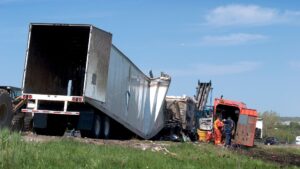
Federal trucking regulations play a central role in how truck accident claims are evaluated and proven. Truck accident lawyers in Auburn examine these rules because commercial trucking cases involve mandatory safety standards that do not apply to ordinary passenger vehicles. When a crash occurs, regulatory compliance often determines whether negligence existed before the collision happened. Understanding how these regulations apply helps clarify responsibility and strengthens the foundation of a truck accident claim.
These regulations also affect how evidence is gathered and preserved after a crash. Trucking companies must maintain detailed records related to driver activity, vehicle condition, and operational practices. Truck accident lawyers in Auburn use these records to identify violations that contributed to unsafe driving conditions. Regulatory analysis often reveals systemic failures rather than isolated driver mistakes.
How Hours of Service Rules Influence Truck Accident Liability
Hours of Service rules limit how long commercial drivers may operate without rest to reduce fatigue-related crashes. Truck accident lawyers in Auburn review driver logs, trip schedules, and delivery demands to determine whether fatigue played a role. Violations often indicate pressure from carriers to meet deadlines despite safety risks. Fatigue evidence can significantly alter how liability is assessed in a truck accident claim.
Why Driver Fatigue Creates Foreseeable Safety Risks
Fatigue reduces reaction time and decision-making ability during commercial driving. Federal rules recognize these predictable dangers. Violations support arguments that crashes were preventable.
How Logbook Violations Strengthen Negligence Claims
Logbook inconsistencies often reveal excessive driving hours. These records provide objective proof of regulatory violations. Strong documentation supports liability findings.
How Driver Qualification Requirements Affect Auburn Truck Accident Claims
Federal regulations require trucking companies to verify driver qualifications before allowing operation. Truck accident lawyers in Auburn examine licensing, training history, and medical certifications to confirm compliance. Inadequate screening or supervision often points to negligent hiring practices. These failures expand liability beyond the individual truck driver.
Why Hiring Practices Matter in Commercial Truck Cases
Unqualified drivers increase crash risk significantly. Regulations impose responsibility on carriers for proper vetting. Hiring failures often indicate broader safety neglect.
How Missing Certifications Expose Corporate Responsibility
Absent or expired certifications violate federal standards. These lapses demonstrate regulatory noncompliance. Corporate accountability becomes central to the claim.
How Truck Maintenance Regulations Shape Accident Investigations
Maintenance regulations require regular inspections and timely repairs for commercial trucks. Truck accident lawyers in Auburn analyze maintenance logs, inspection reports, and repair histories after serious crashes. Mechanical failures often trace back to ignored safety requirements. Maintenance violations frequently reveal long-standing operational negligence.
Why Inspection Records Play a Critical Investigative Role
Inspection records document vehicle conditions before crashes occurred. Missing entries suggest skipped safety checks. These gaps raise serious compliance concerns.
How Deferred Repairs Contribute to Mechanical Failure
Deferred repairs increase the likelihood of brake or tire failure. Regulations require timely corrective action. Noncompliance strengthens negligence arguments.
Evidence That Must Be Preserved After a Truck Accident in Auburn
Evidence preservation plays a decisive role in truck accident claims because critical information can disappear quickly without immediate legal action. Truck accident lawyers in Auburn focus on securing time-sensitive records before trucking companies overwrite, discard, or alter them through routine business practices. Commercial truck accidents differ from passenger vehicle crashes because carriers control electronic data, internal documents, and vehicle access from the outset. Preserving this evidence early often determines whether regulatory violations and operational negligence can be proven.
The complexity of trucking operations also increases the likelihood that evidence will be lost without prompt intervention. Truck accident lawyers in Auburn understand that carriers retain records for limited periods unless preservation obligations are triggered. Early evidence preservation protects injured people from claims built on partial disclosures or reconstructed narratives favoring corporate interests. This process ensures investigations rely on original data rather than selective summaries.
Why Electronic Data From Commercial Trucks Is Time Sensitive
Commercial trucks generate extensive electronic data that captures vehicle operation before and during a collision, yet this data often remains available only briefly. Truck accident lawyers in Auburn act quickly to preserve engine control module data, event data recorder information, and onboard system records before automatic overwriting occurs. These electronic systems frequently record speed changes, braking activity, throttle input, and steering behavior that objectively show driver actions. Losing this information can permanently eliminate the most reliable evidence of unsafe operation.
How Engine Control Module Data Documents Vehicle Performance
Engine control modules record speed, braking force, and throttle engagement. These records show how the truck operated immediately before impact. Objective data often resolves disputed crash mechanics.
Why Event Data Recorders Are Overwritten Quickly
Event data recorders overwrite information during normal driving cycles. Continued vehicle operation erases prior collision data. Immediate preservation prevents permanent loss.
How Electronic Evidence Counters Conflicting Driver Statements
Electronic records provide objective proof when recollections differ. Data eliminates reliance on subjective memory. Accurate records strengthen factual determinations.
Why Delays Increase the Risk of Irrecoverable Data Loss
Routine truck operation overwrites stored electronic data. Delayed requests allow evidence destruction. Early action preserves evidentiary integrity.
How Driver Logs and Dispatch Records Support Truck Accident Claims
Driver logs and dispatch records reveal how trucking companies schedule work and apply delivery pressure. Truck accident lawyers in Auburn review these materials to identify fatigue risks, regulatory violations, and unrealistic delivery expectations. Dispatch communications often show whether drivers were encouraged to exceed safe limits to meet deadlines. These records connect corporate decisions directly to crash causation.
Why Hours of Service Logs Reveal Fatigue Risks
Hours of Service logs document driving time and rest periods. Excessive hours indicate fatigue exposure. Fatigue increases collision likelihood significantly.
How Dispatch Communications Reflect Operational Pressure
Dispatch messages show delivery demands and scheduling expectations. Aggressive timelines encourage unsafe driving behavior. Carrier pressure expands liability considerations.
Why Logbook Inconsistencies Suggest Regulatory Noncompliance
Conflicting log entries indicate potential falsification. Regulations require accurate reporting. Discrepancies strengthen negligence arguments.
How Cross Referencing Records Exposes Unsafe Practices
Comparing logs with GPS and receipts reveals hidden violations. This analysis identifies systemic issues. Comprehensive review supports accountability.
Why Truck Maintenance and Inspection Records Matter After a Crash
Maintenance and inspection records demonstrate whether a truck was kept in safe operating condition before a collision. Truck accident lawyers in Auburn examine repair histories, inspection reports, and service schedules to identify mechanical defects. Brake failures, tire blowouts, and steering malfunctions often trace back to deferred maintenance. These records help establish whether safety obligations were ignored.
How Inspection Reports Establish Pre Crash Vehicle Condition
Inspection reports document vehicle safety status before operation. Missing or incomplete reports raise concerns. These records establish baseline compliance.
Why Repair Histories Reveal Negligent Maintenance Patterns
Repair histories show whether known defects were addressed timely. Deferred repairs indicate safety prioritization failures. Patterns support systemic negligence claims.
How Skipped Inspections Increase Mechanical Failure Risk
Skipped inspections allow defects to go unnoticed. Regulations require routine inspections. Noncompliance increases crash likelihood.
Why Deferred Repairs Strengthen Negligence Allegations
Delayed repairs worsen mechanical issues over time. Safety rules mandate prompt correction. Deferred action supports liability findings.
Multiple Parties Who May Be Responsible in Auburn Truck Accident Claims
Truck accident liability frequently extends beyond the driver because commercial trucking involves layered control across multiple business entities. Truck accident lawyers in Auburn analyze responsibility by examining corporate relationships, contractual authority, and regulatory obligations tied to each involved party. Many safety decisions occur long before a truck ever reaches the roadway. Identifying all responsible parties prevents claims from being unfairly limited to individual driver fault alone.
Multiple responsible parties also introduce overlapping insurance coverage and coordinated defense strategies. Truck accident lawyers in Auburn assess how each entity’s decisions contributed to unsafe operating conditions that caused the crash. This approach prevents corporate actors from deflecting responsibility onto drivers or unrelated parties. Comprehensive liability analysis strengthens recovery by addressing every contributing failure.
How Trucking Companies Can Be Held Responsible After Auburn Crashes
Trucking companies often bear primary responsibility because they control hiring standards, training practices, scheduling expectations, and safety enforcement. Truck accident lawyers in Auburn evaluate whether carriers created unsafe conditions through aggressive delivery demands or inadequate supervision systems. Corporate policies frequently influence driver behavior more than individual judgment during high-pressure operations. Carrier responsibility becomes central when systemic practices increase foreseeable crash risk.
Why Employer Control Creates Vicarious Liability Exposure
Trucking companies exercise direct control over driver schedules, routes, and performance expectations. This level of operational authority establishes legal responsibility for driver conduct. Failures in oversight often support vicarious liability findings.
How Safety Policy Failures Indicate Corporate Negligence
Ineffective safety policies allow predictable risks such as fatigue and speeding to persist. Lack of enforcement demonstrates disregard for regulatory obligations. These failures frequently connect directly to collision causation.
How Inadequate Supervision Enables Unsafe Driving Practices
Insufficient supervision allows repeated safety violations to continue without correction. Drivers operate under pressure without accountability mechanisms. This absence of oversight strengthens negligence arguments against carriers.
Why Scheduling Pressure Often Leads to Regulatory Violations
Aggressive scheduling expectations encourage drivers to exceed legal driving limits. Carriers design delivery timelines that influence unsafe behavior. Pressure-driven violations support expanded corporate liability findings.
When Freight Brokers and Shippers Share Liability in Truck Accidents
Freight brokers and shippers may share responsibility when their business decisions influence unsafe trucking operations. Truck accident lawyers in Auburn review contracts, load instructions, and delivery timelines imposed by these entities. Control over routing, deadlines, or cargo specifications can directly affect driver safety decisions. Liability extends when efficiency priorities override reasonable safety considerations.
How Control Over Delivery Terms Creates Legal Responsibility
Entities that dictate delivery conditions influence how drivers operate vehicles. Unrealistic terms increase operational pressure during transport. This level of control establishes a duty of care.
Why Load Specifications Affect Crash Risk
Improper cargo specifications affect weight distribution, braking distance, and vehicle stability. Shippers determine how freight is prepared and secured. These decisions directly impact roadway safety.
How Unrealistic Deadlines Encourage Fatigue and Speeding
Compressed delivery windows pressure drivers to skip rest periods or speed. Fatigue and excessive speed significantly increase collision risk. Deadline pressure supports shared liability arguments.
Why Contract Language Matters in Liability Analysis
Contracts reveal which parties exercised operational control over transport decisions. Specific terms define responsibility allocation clearly. Contract language often determines liability exposure.
How Maintenance Contractors Contribute to Truck Accident Liability
Maintenance contractors may be legally responsible when negligent inspections or repairs contribute to mechanical failure. Truck accident lawyers in Auburn analyze service agreements, inspection logs, and repair records from third-party providers. Outsourcing maintenance does not eliminate safety obligations. Negligent service practices can create independent liability.
Why Outsourced Repairs Still Carry Safety Obligations
Maintenance contractors assume responsibility for ensuring vehicle safety after repairs. Poor workmanship creates foreseeable mechanical hazards. Safety duties extend beyond trucking companies.
How Inspection Failures Lead to Preventable Crashes
Missed defects allow dangerous mechanical conditions to persist unchecked. Inspections exist to identify safety risks proactively. Failure undermines fundamental vehicle safety systems.
How Incomplete Repairs Worsen Mechanical Defects
Partial repairs allow existing mechanical issues to deteriorate further over time. Systems degrade under continued operation stress. Escalation increases crash probability significantly.
Why Documentation Gaps Signal Negligent Maintenance Practices
Missing or inconsistent service records indicate inadequate maintenance procedures. Documentation reflects professional care standards. Gaps frequently support negligence findings.
How Ritchie-Reiersen Injury and Immigration Attorneys Guides Auburn Truck Accident Victims Forward

Truck accident claims introduce layers of complexity that can feel overwhelming while recovery is still ongoing. Ritchie-Reiersen Injury and Immigration Attorneys guides Auburn truck accident victims forward by focusing on structure, clarity, and informed decision-making rather than rushed action. This guidance recognizes that federal regulations, corporate defenses, and evolving investigations require patience and careful sequencing. Establishing direction early helps injured people regain a sense of control while critical facts continue developing.
Guidance also means remaining steady as circumstances change throughout the claim lifecycle. Ritchie-Reiersen Injury and Immigration Attorneys helps Auburn truck accident victims navigate shifting medical conditions, expanding liability theories, and aggressive corporate responses without losing claim integrity. This approach emphasizes continuity and deliberate progress rather than speed. A stable legal path forward protects long-term recovery interests.
Providing Direction While Federal and Corporate Complexity Unfolds
Truck accident claims often evolve as regulatory violations and corporate involvement become clearer over time. Ritchie-Reiersen Injury and Immigration Attorneys provides direction that helps Auburn truck accident victims understand which decisions require immediate attention and which require restraint. This guidance prevents premature actions that could undermine later investigative findings. Clear direction reduces uncertainty while allowing evidence and responsibility to fully surface.
Why Early Structure Matters During Complex Truck Investigations
Complex investigations generate overlapping information and competing narratives quickly. Structured guidance helps prioritize actions without limiting future options. Early organization preserves flexibility as facts develop.
How Clear Direction Prevents Reactionary Decision Making
Pressure from insurers and carriers often pushes for quick resolutions. Direction helps resist reactionary choices made under stress. Deliberate pacing protects claim strength.
How Sequencing Decisions Preserves Investigative Integrity
Certain steps must occur only after evidence is secured properly. Sequencing prevents premature disclosures. Integrity improves factual accuracy.
Why Patience Often Strengthens Truck Accident Claims
Truck investigations uncover issues gradually over time. Patience allows full regulatory and corporate review. Thoroughness improves outcomes.
Helping Auburn Truck Accident Victims Avoid Early Errors Under Pressure
Early mistakes frequently occur when injured people face corporate insurers and trucking companies alone. Ritchie-Reiersen Injury and Immigration Attorneys helps Auburn truck accident victims recognize situations where unguarded decisions reduce claim value. This guidance focuses on avoiding irreversible errors before the full scope of responsibility is known. Preventing early missteps often preserves substantial recovery potential.
Why Early Statements Create Long Term Claim Risks
Initial statements often occur before injuries and violations are fully understood. Early remarks may be misinterpreted later. Controlled communication reduces risk.
How Documentation Timing Affects Corporate Defense Strategies
Corporations analyze timing gaps aggressively during claims. Delayed documentation weakens credibility. Proper timing strengthens defensive positioning.
Why Incomplete Medical Context Leads to Undervaluation
Early medical records may not reflect injury severity. Incomplete context favors insurers. Full documentation supports accurate valuation.
How Avoiding Premature Settlement Discussions Protects Leverage
Early settlement discussions limit investigation scope. Corporations seek early closure. Delaying discussions preserves leverage.
Maintaining Claim Stability as Truck Accident Cases Evolve
Truck accident claims rarely remain static as investigations progress and new information emerges. Ritchie-Reiersen Injury and Immigration Attorneys helps Auburn truck accident victims maintain stability while adapting strategy responsibly. This includes responding to changing medical diagnoses, additional liable parties, and evolving regulatory findings. Stability prevents insurers from exploiting inconsistency.
How Evolving Evidence Requires Controlled Strategic Adjustments
New evidence often changes liability understanding significantly. Controlled adjustments maintain coherence. Strategy evolves without contradiction.
Why Consistency Matters During Long Running Truck Claims
Long investigations invite scrutiny of every claim detail. Consistency preserves credibility. Managed messaging supports trust.
How Stability Protects Claims From Corporate Reframing
Corporations reframe narratives when inconsistencies appear. Stability limits reframing opportunities. Controlled evolution preserves accuracy.
Why Coordinated Strategy Reduces Unnecessary Disputes
Uncoordinated actions invite procedural disputes. Coordination streamlines claim progression. Fewer disputes preserve focus.
Contact Ritchie-Reiersen Injury and Immigration Attorneys to Get a Free Consultation Today
Recovering after a truck accident often involves navigating serious injuries, corporate insurance pressure, and unanswered legal questions simultaneously. When multiple responsible parties become involved, uncertainty can increase stress during an already difficult recovery period. Speaking with truck accident lawyers in Auburn provides clarity about your legal options, investigative timelines, and how Washington and federal laws apply to your situation.
Ritchie-Reiersen Injury and Immigration Attorneys offers informed guidance for Auburn truck accident victims who want deliberate decisions rather than rushed resolutions. Our team focuses on preserving evidence, maintaining claim stability, and addressing corporate defense strategies that commonly arise in serious truck accident cases. If you need answers about next steps, liability exposure, or protecting long-term recovery interests, experienced legal guidance can make a meaningful difference. Call Ritchie-Reiersen Injury and Immigration Attorneys at (888) 884-7337 or visit our contact page to speak with our truck accident lawyers in Auburn today.









Get In Touch
Schedule a Free Legal Consultation With Us
If you or a loved one needs the assistance of a personal injury or immigration attorney, don’t hesitate to reach out. Ritchie-Reiersen Injury & Immigration Attorneys can help you with their extensive experience.
- Proven results
- Years of courtroom experience
- No upfront costs for injury clients
- We are available 24/7 for clients