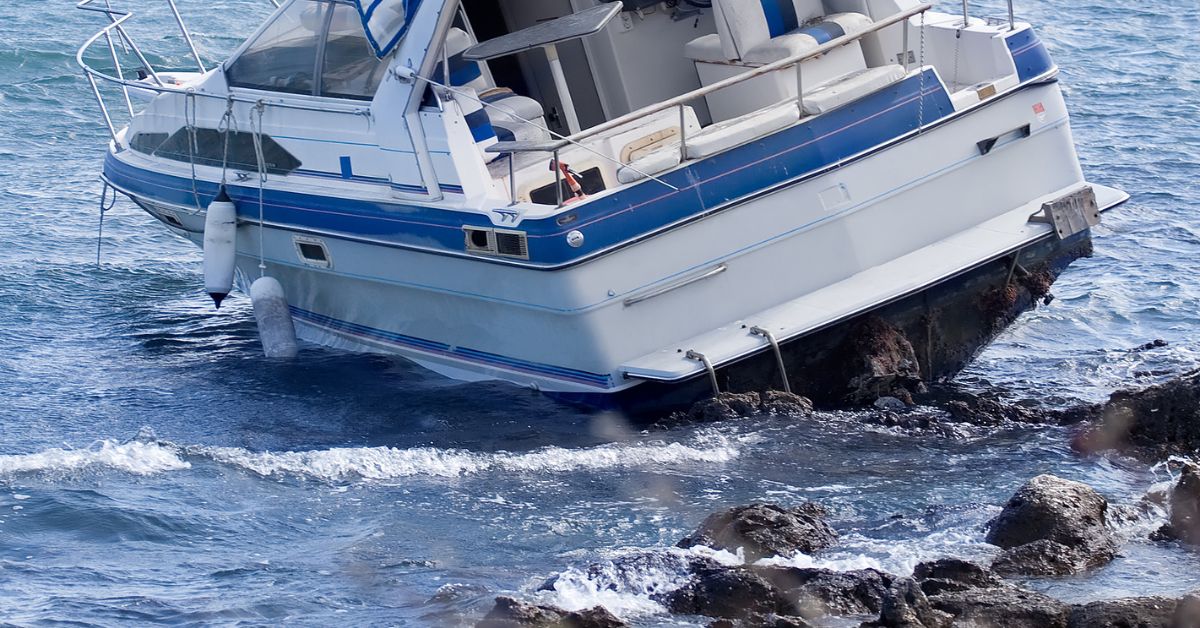
Boat Accident Lawyers in Twin Falls
Boat accidents can develop immediately and are due to other drivers’ lack of attention a lot of the time. Our boat accident lawyers in Twin Falls look at what was happening before the incident, including how the vessel was operated, how the surrounding traffic moved, and how water conditions influenced control. Understanding what led to the accident requires putting all these factors together into a single narrative instead of focusing on a single moment. Early review helps preserve details such as witness observations, vessel condition, and how the situation developed in real time.
Injuries from boating accidents can continue to affect daily life long after the initial incident, especially when recovery involves ongoing medical care. Boat accident lawyers in Twin Falls assess how those injuries influence work and long-term stability by connecting medical treatment to financial impact. A claim must reflect both the immediate costs and the changes that develop over time as recovery progresses. Showing how the accident led to lasting consequences helps ensure the claim reflects the full impact of not just now, but for the future as well. Call Ritchie-Reiersen Injury & Immigration Attorneys at (888) 884-7337 to get a free case review today from our Twin Falls boat accident lawyers.
How Boat Accident Cases in Twin Falls Are Investigated After an Incident on the Water
Boat accident lawyers in Twin Falls begin investigations by reconstructing how the incident developed across changing water conditions, vessel movement, and operator decisions leading up to the event. Unlike roadway collisions, boating incidents require evaluating how visibility, current, and navigation patterns influenced reaction time and control. Ritchie-Reiersen Injury & Immigration Attorneys gathers multiple forms of evidence to determine how these variables interact rather than isolating a single cause. This includes reviewing physical damage, operator conduct, and environmental conditions present at the time of the accident. Establishing a clear sequence of events requires aligning these elements into a consistent and supportable timeline. A well-developed reconstruction allows liability to be assigned based on how the incident actually unfolded.
Boat accident lawyers in Twin Falls also examine how responsibility may extend beyond a single operator when multiple contributing factors are involved. Those who are liable can include vessel owners, operators, or parties responsible for maintenance and safety compliance. Attorneys evaluate how each role influenced the conditions that led to the accident and whether proper precautions were followed. Idaho comparative fault principles may apply when more than one party contributed to the incident, affecting how responsibility is divided. This analysis requires evidence that supports how each action or failure impacted the outcome. Accurate evaluation of these relationships ensures that all responsible parties are considered within the claim.
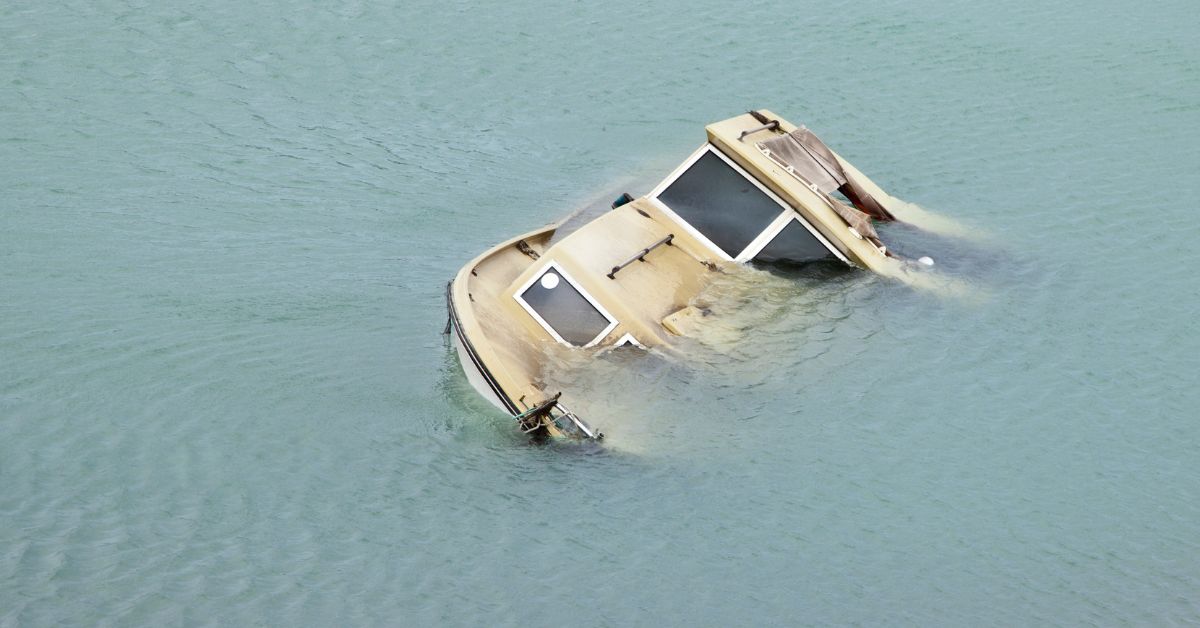
Examining Operator Decisions Before the Incident
Boat accident lawyers in Twin Falls review operator conduct to determine how decisions made before the incident influenced the final outcome. Speed control, navigation choices, and awareness of surrounding vessels all affect how risks develop on the water. Attorneys analyze whether the operator followed established boating safety practices and adjusted to changing conditions appropriately. These decisions are evaluated in relation to how quickly hazards emerged and whether corrective action was possible. Identifying these factors helps explain how the incident progressed from initial conditions to impact. Operator conduct provides a key reference point for understanding responsibility in boating cases.
Reviewing Navigation Behavior and Reaction Timing
Attorneys examine how the operator responded to surrounding conditions and whether actions were taken in time to avoid the incident. Reaction timing is compared against environmental conditions and vessel movement to determine whether reasonable care was exercised. This analysis clarifies how decision-making influenced the outcome of the incident.
How Operator Actions Influence Liability Outcomes
Operator decisions directly affect how risk develops and whether an incident can be avoided. Delayed or incorrect responses can increase the likelihood of a collision or loss of control. These factors are used to establish how responsibility is assigned within the claim.
Evaluating Water Conditions and Environmental Factors
Boat accident attorneys in Twin Falls assess environmental conditions to determine how external factors contributed to the incident. Water current, visibility, weather conditions, and traffic patterns all influence how vessels move and respond. Attorneys analyze whether these conditions created risks that required specific adjustments by the operator. Failure to account for environmental factors can increase the likelihood of accidents on the water. These elements must be evaluated alongside operator decisions to understand how the incident developed. Environmental conditions provide essential context for determining fault.
Assessing Visibility, Current, and Water Movement
Attorneys review how water movement and visibility affected navigation and control at the time of the incident. These conditions influence how quickly hazards can be identified and avoided. Evaluating these factors helps explain how the situation changed leading up to the accident.
Why Environmental Conditions Affect Case Evaluation
External conditions can either increase or reduce the level of control an operator has over the vessel. Ignoring these factors can lead to incorrect conclusions about how the incident occurred. Proper evaluation ensures that the fault reflects the actual circumstances present on the water.
Inspecting Vessel Condition and Mechanical Performance
Boat accident attorneys in Twin Falls investigate whether the vessel itself contributed to the incident through mechanical issues or maintenance failures. Equipment such as engines, steering systems, and safety components must function properly to maintain control. Attorneys review maintenance records and inspection history to determine whether the vessel was in safe operating condition. Mechanical problems can affect how a vessel responds during critical moments leading up to an accident. These factors are analyzed alongside operator actions to determine their role in the incident. Vessel condition represents an additional layer of responsibility in boating cases.
Reviewing Maintenance History and Equipment Function
Attorneys examine whether the vessel received proper maintenance and whether any known issues were addressed before the incident. Maintenance records provide insight into how the vessel was managed over time. This information helps determine whether mechanical failures contributed to the outcome.
How Mechanical Issues Expand Liability Considerations
Equipment failures can limit an operator’s ability to respond to changing conditions. When maintenance is inadequate, responsibility may extend beyond the operator to other parties. Identifying these issues helps establish how liability should be distributed.
Identifying Multiple Sources of Responsibility
Boat accident lawyers in Twin Falls analyze how different parties may share responsibility for the incident based on their roles and actions. Liability may involve operators, vessel owners, or parties responsible for maintenance and oversight. Attorneys evaluate how each party contributed to the conditions that led to the accident. This process requires connecting evidence to specific responsibilities held by each party. Idaho comparative fault principles are applied to determine how responsibility is divided when multiple parties are involved. This analysis ensures that liability reflects the combined effect of all contributing factors.
Breaking Down Roles Across Involved Parties
Attorneys assess how each party’s actions or omissions influenced the development of the incident. Evidence is used to assign responsibility in proportion to each party’s contribution. This breakdown ensures that liability is not assigned based on incomplete analysis.
How Shared Responsibility Impacts Financial Recovery
Compensation is adjusted based on how responsibility is distributed among the involved parties. Higher fault percentages can reduce the amount recovered under Idaho law. Accurate allocation helps protect the overall value of the claim.
How Boat Accident Injuries Affect Recovery and Long-Term Stability in Twin Falls
Serious boating injuries can change how a person moves, works, and manages daily responsibilities long after the initial incident has passed. Recovery is rarely confined to a short period when the injury involves impact forces, water exposure, or lack of protective barriers during the event. Extended treatment often becomes necessary, which can interrupt income while increasing financial obligations tied to medical care. These overlapping pressures create instability that develops gradually as recovery continues. Establishing how those conditions evolve is essential for connecting the injury to long-term consequences. Boat accident lawyers in Twin Falls focus on documenting these patterns so claims reflect sustained impact rather than temporary disruption.
Long-term stability is shaped by how medical needs, work limitations, and financial demands interact over time following a boating accident. Ongoing care requirements can reduce earning capacity while introducing recurring expenses that affect financial planning. Adjustments to employment, living arrangements, or daily routines may become necessary when recovery does not restore prior function. Insurers may attempt to frame these changes as short-term setbacks, which requires detailed evidence showing how limitations persist. Demonstrating how these factors combine over time strengthens the connection between injury and financial impact. Boat accident lawyers in Twin Falls build claims that account for these long-range effects instead of isolated losses.
Lasting Physical Restrictions After a Boating Incident
Physical injuries from boating accidents frequently involve sudden force, instability, or unexpected movement that affects balance and coordination. These conditions can limit mobility, reduce strength, and interfere with routine activities that previously required little effort. Recovery may include ongoing therapy or medical oversight that extends well beyond initial treatment stages. Functional limitations often remain even after visible healing has occurred, which changes how daily tasks are performed. These restrictions influence both independence and the ability to return to previous routines. Long-term physical limitations directly shape how recovery impacts overall stability.
Measuring Changes in Mobility and Functional Ability
Limitations in movement can affect transportation, work tasks, and basic household responsibilities. Reduced coordination or strength may require adjustments in how daily activities are completed. These changes demonstrate how physical injuries alter functional independence over time.
How Functional Loss Translates Into Ongoing Instability
Reduced physical capability can limit employment options and increase reliance on assistance. These effects introduce both financial and lifestyle challenges that continue beyond recovery. Functional loss becomes a key factor in long-term stability outcomes.
Shifts in Employment and Earning Capacity
Work capacity often changes when injuries prevent a return to prior roles or reduce the ability to maintain consistent productivity. Some individuals may require modified duties, while others must transition into entirely different types of employment. These adjustments can lower income while limiting opportunities for advancement over time. Employment changes also affect benefits, retirement contributions, and long-term financial growth. Evaluating these shifts helps define how the injury alters earning potential. These impacts extend financial consequences far beyond the initial recovery period.
Identifying Work Limitations Following Injury
Medical restrictions may prevent lifting, standing, or other essential job functions, depending on the role. These limitations can require reduced hours or complete career changes. Understanding these constraints clarifies how income potential has been affected.
Why Employment Changes Influence Long-Term Financial Outcomes
Reduced earning ability affects savings, investment growth, and long-term financial security. Career disruption can also limit access to stable benefits and future opportunities. These outcomes connect injury-related limitations directly to financial instability.
Ongoing Adjustments to Daily Living and Financial Planning
Daily routines may need to be restructured when injuries affect independence and require ongoing support. Changes in housing, transportation, or task management can increase costs while reducing flexibility in daily life. Financial planning may shift to account for continued medical expenses and reduced income stability. These adjustments reflect how injuries influence long-term decision-making rather than temporary inconvenience. Evaluating these changes helps show how recovery alters both lifestyle and financial priorities. The combined effect demonstrates how injuries reshape stability over time.
Recognizing Changes in Living Conditions and Routine
Adjustments may include relocating, modifying living spaces, or relying on assistance for routine activities. These changes reflect how injuries alter independence and daily function. Documenting these shifts helps explain the long-term impact tied to the accident.
How Lifestyle Changes Create Lasting Financial Pressure
Ongoing adjustments can introduce recurring expenses while limiting income consistency. These pressures affect budgeting, savings, and long-term planning decisions. Lifestyle changes become a measurable indicator of sustained financial strain.
How Ritchie-Reiersen Injury & Immigration Attorneys Prepares Boat Accident Cases for Court in Twin Falls
Preparing a case for court requires more than organizing evidence, since each element must meet legal standards for admissibility and clearly explain how the incident occurred. Ritchie-Reiersen Injury & Immigration Attorneys approaches litigation by building a structured narrative that connects liability, causation, and damages into a cohesive argument. Boat accident lawyers in Twin Falls focus on how facts will be interpreted in a courtroom setting rather than relying on informal summaries used during early claim stages. This preparation ensures that every piece of evidence supports a specific legal point tied to responsibility or financial impact. Anticipating how opposing counsel may challenge the case allows weaknesses to be addressed before they are raised in court. This method positions the case to withstand inspection during each phase of litigation.
Court preparation also involves aligning medical evidence, financial documentation, and expert analysis so they clearly demonstrate how the accident caused long-term consequences. Ritchie-Reiersen Injury & Immigration Attorneys evaluates how each category of evidence contributes to proving both liability and damages under Idaho law. Boat accident lawyers in Twin Falls structure claims to reflect how injuries affect stability, earning capacity, and future obligations in a way that courts recognize. This process requires translating complex details into clear arguments that can be understood by judges and juries. Managing this transition from investigation to litigation ensures that the case remains consistent as it moves forward. This preparation supports stronger positioning during both trial and settlement discussions.

Translating Evidence Into Court Admissible Arguments
Ritchie-Reiersen Injury & Immigration Attorneys organizes evidence so that it meets courtroom standards and directly supports each legal claim presented. This involves connecting physical evidence, witness testimony, and documentation to specific elements required to prove negligence. Attorneys ensure that each piece of evidence is relevant, properly obtained, and clearly tied to the facts of the case. Presenting evidence in this way prevents confusion and limits challenges from opposing counsel. This structured approach strengthens how the case is evaluated during court proceedings. Clear alignment between evidence and legal arguments increases credibility before the court.
Preparing Documentation for Legal Standards
Evidence must be formatted and presented in a way that complies with courtroom rules and procedures. Attorneys review how records were collected and maintained to ensure admissibility. Proper preparation prevents evidence from being excluded during litigation.
Why Admissibility Determines Case Strength in Court
Evidence that fails to meet legal standards cannot be considered during trial proceedings. Excluded documentation weakens the ability to prove key elements of liability and damages. Ensuring admissibility directly impacts how effectively the case can be argued.
Challenging Opposing Narratives Before Trial
Ritchie-Reiersen Injury & Immigration Attorneys evaluates potential defense arguments early to prevent opposing counsel from reshaping how the case is presented in court. This includes identifying weaknesses that insurers or defendants may attempt to use to reduce liability or damages. Attorneys prepare counterarguments supported by evidence that directly address these challenges. This proactive approach limits the effectiveness of alternative explanations presented during litigation. Addressing these issues early strengthens the overall position of the case. Anticipating disputes allows the case to remain controlled and consistent.
Identifying Weak Points in Defense Arguments
Opposing parties may attempt to introduce alternative explanations for how the accident occurred. Attorneys analyze these potential arguments and prepare evidence that challenges their validity. This preparation reduces the impact of defense strategies during the trial.
How Early Strategy Prevents Narrative Shifts in Court
Allowing opposing arguments to go unchallenged can change how the case is perceived by a jury. Addressing these arguments early maintains control over how facts are interpreted. This approach protects the integrity of the claim throughout litigation.
Presenting Liability Across Multiple Responsible Parties
Ritchie-Reiersen Injury & Immigration Attorneys structures cases to show how multiple parties contributed to the boating accident when applicable. This involves connecting each party’s actions to specific failures that led to the incident. Attorneys apply Idaho comparative fault principles to demonstrate how responsibility should be divided among involved parties. Evidence is used to support each allocation of fault presented in court. This process ensures that liability reflects the full scope of contributing factors rather than a simplified explanation. Proper presentation of shared responsibility affects how compensation is determined.
Demonstrating Each Party’s Role in the Incident
Attorneys identify how each party’s actions influenced the outcome of the accident. Evidence is organized to show the relationship between those actions and the resulting harm. This breakdown clarifies how responsibility should be distributed.
How Fault Allocation Influences Courtroom Outcomes
The percentage of fault assigned to each party directly affects compensation under Idaho law. Incorrect allocation can reduce the amount recovered by the injured party. Accurate presentation of fault protects the value of the claim during trial.
Positioning the Case for Trial While Negotiating From Strength
Ritchie-Reiersen Injury & Immigration Attorneys prepares each case as if it will proceed to trial, even while negotiations are ongoing. This approach ensures that evidence, arguments, and documentation are developed to meet courtroom standards from the beginning. Attorneys use this preparation to strengthen their position during settlement discussions. Opposing parties are more likely to offer fair compensation when they recognize that the case is ready for trial. Maintaining this level of readiness allows the firm to control how the case progresses. This strategy supports both effective negotiation and strong trial performance.
Maintaining Trial Readiness Throughout the Process
Preparation for trial requires consistent development of evidence and legal arguments at every stage. Attorneys ensure that the case remains ready for courtroom presentation if negotiations fail. This readiness prevents delays and supports stronger positioning.
Why Trial Preparation Increases Settlement Leverage
Cases that are fully prepared for trial create pressure on opposing parties during negotiations. Insurers are less likely to risk unfavorable trial outcomes when evidence is strong. This leverage can lead to more favorable settlement terms.
Schedule a Free Case Review With Ritchie-Reiersen Injury & Immigration Attorneys Today
After a boating accident, it can be difficult to piece together what actually happened, especially when multiple factors contribute to the incident. Questions about responsibility, injury impact, and next steps don’t always have clear answers without a detailed review of the circumstances. Boat accident lawyers in Twin Falls focus on breaking down those details so the situation can be understood in a way that supports a legal claim. The way evidence is gathered and interpreted at this stage can influence how the case is evaluated later by insurers. Moving forward with the right legal guidance helps ensure that your position is supported by clear and consistent information.
Ritchie-Reiersen Injury & Immigration Attorneys works with injured individuals to develop cases that reflect how the accident occurred and how the injuries continue to affect daily life and long-term stability. Each case is structured to address both liability and financial impact in a way that aligns with how claims are reviewed. This approach keeps the focus on facts that can be supported rather than assumptions that can be disputed. Call Ritchie-Reiersen Injury & Immigration Attorneys at (888) 884-7337 or visit our contact page to get a free case review today from our boat accident attorneys in Twin Falls.








Get In Touch
Schedule a Free Legal Consultation With Us
If you or a loved one needs the assistance of a personal injury or immigration attorney, don’t hesitate to reach out. Ritchie-Reiersen Injury & Immigration Attorneys can help you with their extensive experience.
- Proven results
- Years of courtroom experience
- No upfront costs for injury clients
- We are available 24/7 for clients