
Slip and Fall Accident Lawyers in Everett
Slip and fall injuries in Everett often happen in everyday places that people rely on. This can include grocery aisles, apartment walkways, parking lots, and building entrances that should be maintained for safe access. Weather, foot traffic, and rushed maintenance can turn a simple errand into a serious injury when a property owner leaves a hazard unaddressed. Slip and Fall Accident Lawyers in Everett establish whether property owners noticed the condition, whether the hazard persisted long enough to require action, and how the incident affected your health and stability. Ritchie-Reiersen Injury & Immigration Attorneys build these claims around clear premises liability proof, strong documentation of injuries, and a damages presentation that reflects both immediate costs and longer recovery needs.
These cases often become more challenging than people expect because property owners and insurers move quickly to dispute what happened. They may argue that the hazard appeared moments earlier, that warning signs were present, or that the injured person should have seen the condition and avoided it. Our team works to preserve available evidence, identify responsible parties, and document the full impact of the injury, including time away from work and ongoing treatment needs. When immigration status, job concerns, or family pressure makes it harder to pursue a claim, we address those issues directly and keep the process organized and respectful while we pursue fair compensation.
Call Ritchie-Reiersen Injury & Immigration Attorneys at (888) 884-7337 to schedule a free consultation.
Book a Free Case Review with the Slip and Fall Lawyers in Everett

A case review for a slip and fall injury should quickly identify what makes the claim provable, not just what made the incident painful. Many Everett premises liability cases hinge on details that are easy to miss early, including who controlled the area, how long the hazard likely existed, and whether routine inspection practices would have caught it. During the review, we focus on the facts that insurers and property owners typically challenge, such as visibility, lighting, footwear arguments, and whether warnings were posted. You should come away with a clear sense of what information matters most, what steps can protect your claim, and how the case can be positioned to pursue full compensation. That is why Everett accident victims turn to Ritchie-Reiersen.
Call Us 24/7 for a Free Consultation After a Slip and Fall Accident
Early contact matters because property conditions can change within hours, and evidence can disappear quickly once staff cleans up or repairs the area. A quick consultation helps you understand what to document, which questions to ask, and how to handle insurance contact without creating avoidable confusion. Our slip and fall accident lawyers in Everett will listen to what happened, identify immediate priorities, and explain what can be done even if you do not have photos or an incident report yet. This early guidance often reduces stress because you get a practical plan instead of guessing at the next step.
What to Gather After an Everett Slip and Fall Injury
You do not need perfect documentation to start, but a few items can help clarify liability quickly. If you have photos of the scene, names of witnesses, an incident report reference, or any notes about lighting, signage, and floor condition, share what you can. Medical visit summaries also help connect the timing of the fall to symptoms and treatment recommendations. When details get captured early, the claim tends to feel more straightforward and less vulnerable to dispute.
A Case Review That Gives You Clear Next Steps Without Pressure
A helpful consultation should not feel like a sales conversation. We explain how a premises liability claim typically develops, what timelines matter, and which issues property owners use to deny responsibility. You will understand what to expect, what decisions are safe to delay, and what choices may affect case value. This clarity supports trust because you can decide what to do next with full information.
Support That Helps You Handle Property Owner and Insurer Communications
Property owners and insurers may contact you quickly and frame the incident as minor or unavoidable. We help you understand what requests are routine, which ones deserve caution, and how to avoid statements that get taken out of context later. This guidance can be especially important when adjusters ask for broad medical authorizations or push for early settlement discussions. When communication stays controlled and consistent, the claim remains easier to defend.
Less Stress Through Organized Claim Management
Clients often feel the most frustration when they cannot get answers or when the case seems to stall without explanation. Our team keeps the claim organized, tracks deadlines, and follows up so you do not have to manage the process while recovering. You will receive updates that connect each step to a clear purpose, which makes the process easier to tolerate. Consistent communication supports satisfaction and strengthens the claim’s credibility.
No Charge for your Slip and Fall Injury Claim Unless We Win
A slip and fall injury can create immediate financial strain, and legal fees should not block access to representation. We handle Everett slip and fall claims on a contingency fee basis, which means you do not pay upfront attorney fees to begin the case. Our firm advances the work required to investigate the incident, build the proof file, and pursue compensation, and we only get paid if we recover money for you. This structure gives clients room to focus on medical care and stability while still having a legal team pursuing fair value.
Transparent Fee Terms and Clear Expectations From the Start
Clients deserve straightforward answers about how representation works. We explain the fee arrangement in plain language, outline common cost categories, and describe how expenses are handled. You will have time to ask questions and receive direct responses without legal jargon. Transparency builds trust because you know what to expect before the case begins.
A Claim Strategy Focused on Full Compensation, Not Fast Closure
Slip and fall cases often require careful proof work to overcome property owner defenses. We focus on presenting liability and damages in a way that is credible and supported, rather than rushing toward a low offer that does not match the injury impact. When ongoing treatment or work disruption becomes clearer over time, the claim strategy adapts so the settlement reflects the full recovery picture. This approach supports maximum compensation while keeping the process client-centered and respectful.
Where Do Slip and Fall Accidents in Everett Happen?
Slip and fall claims often come down to location, because different properties have different maintenance routines, inspection expectations, and safety obligations. A fall in a busy store raises different questions than a fall on a rental walkway or a cracked sidewalk, even when the injuries feel similar. The setting influences what evidence may exist, who controls the hazard, and which defenses the property owner will likely raise. Understanding the most common Everett locations helps Slip and Fall Accident Lawyers in Everett build a cleaner liability narrative and pursue compensation that reflects the full impact of the injury.
Grocery Store and Retail Store Slip and Fall Accidents in Everett
Retail falls often involve routine hazards that should be anticipated, such as spills, tracked-in water, torn mats, or cluttered aisles. These incidents can also involve unsafe displays, stocking activity, and heavy foot traffic that makes the hazard harder to spot until it is too late. Stores often have surveillance systems and inspection routines, which can create valuable records when a fall occurs. A well-built claim focuses on whether staff addressed the hazard in a reasonable timeframe and whether store practices kept customers safe.
Spills, Tracked-In Water, and Floor Hazards That Create Preventable Falls
Most store hazards arise from predictable conditions, including wet entry areas, leaking refrigeration units, or recently cleaned floors. The legal question often centers on how long the hazard existed and whether an employee should have noticed it through routine checks. When a hazard persists, it may suggest a breakdown in inspection practices or delayed response. These details support trustworthiness because they rely on objective facts, not speculation.
Store Policies and Surveillance Footage Can Clarify What Happened
Many stores document cleaning schedules, incident reports, and employee shift coverage that may explain why a hazard remained. Video footage can also show the hazard forming and whether staff walked past it without acting. When that information exists, it can reduce disputes about notice and strengthen settlement posture. A claim supported by records often leads to smoother negotiations and a more defensible compensation demand.
Falling in an Everett-Area Restaurant
Restaurants create unique slip risks because food, drinks, and high-traffic pathways lead to frequent wet surfaces. Entryways, restrooms, and server routes can become hazardous when spills happen during busy periods. These cases often involve questions about lighting, floor material, mats, and whether warning signs were used appropriately. Liability tends to focus on whether staff responded reasonably given how foreseeable these hazards are in a dining environment.
Kitchen and Restroom Pathways Often Create High-Risk Slip Zones
Restaurant floors near drink stations, restrooms, and kitchen entrances tend to experience repeated moisture and debris. Even when staff cleans regularly, hazards can persist when the response is delayed or the layout encourages spills. The condition of mats, traction surfaces, and lighting can affect whether the hazard was reasonably visible. When the evidence shows a known high-risk area without adequate safeguards, the claim becomes harder to dismiss.
Incident Documentation Can Support Credibility and Case Value
Restaurants may create an incident report, gather witness names, or document the condition of the floor after a fall. Receipts, reservation records, and staff scheduling can also help confirm timing when disputes arise later. When the facts stay clear and consistent, insurers have fewer openings to deny that the hazard existed. Clear documentation supports a more complete compensation outcome because it reduces time spent arguing about basics.
When You Are Injured in an Apartment Complex or on Rental Properties
Falls on rental properties often involve repeated maintenance issues, including broken stairs, loose railings, uneven walkways, or poor lighting. These hazards may develop slowly, which creates a stronger notice argument when tenants and visitors have raised concerns before. Liability can involve property owners, management companies, or maintenance vendors depending on who controlled repairs. A strong claim focuses on control and responsibility, then ties the hazard to documented injury impact.
Stairways, Walkways, and Lighting Failures in Everett Rental Properties
Staircases and exterior walkways can become dangerous when surfaces deteriorate or lighting fails, especially during darker winter hours. Loose steps, uneven concrete, and missing handrails increase fall severity because there is little opportunity to regain balance. Property owners have a duty to maintain common areas in a reasonably safe condition for tenants and visitors. When maintenance problems persist, the case often turns on whether the issue was reported, observed, or obvious enough to require action.
Maintenance Records and Prior Complaints Can Strengthen Liability Proof
Tenant communications, work orders, and inspection reports can show that the hazard existed long enough to require repair. If the property had a history of similar issues, that context can support foreseeability and responsibility. These records also help counter defenses that the hazard appeared suddenly or could not have been addressed. When proof shows repeated neglect, settlement discussions often become more serious and more focused on damages.
Sidewalk, Parking Lot, and Entryway Fall Injuries in Everett
Outdoor falls often involve uneven pavement, potholes, poor drainage, and slippery conditions that worsen during rain and freezing temperatures. Parking lots and sidewalks also create visibility problems at night when lighting is weak or when surface changes blend into the background. These cases can involve questions about who owned or controlled the area, especially near commercial properties with shared spaces. A clear location analysis helps determine which party had responsibility for inspection and repair.
Uneven Surfaces and Drainage Issues Create Predictable Fall Risks
Sidewalk cracks, broken curbs, and pooled water are common hazards that can cause serious injuries when they are left unaddressed. Drainage issues can create slick algae growth, standing water, or ice-prone zones near entrances. The most important questions often involve how long the condition existed and whether reasonable inspection would have identified it. When the hazard appears long-standing, it becomes easier to argue that repair or warning should have occurred.
Determining Property Control Is Often the Key Step in Outdoor Fall Claims
Outdoor areas may be controlled by a business owner, a property management company, or another responsible entity depending on leases and maintenance agreements. Identifying who controlled the area helps avoid wasted time pursuing the wrong party. Once responsibility is clarified, the claim can focus on hazard documentation, injury impact, and compensation. This structured approach supports client satisfaction because it creates a clearer path to resolution.
Types of Injuries Our Slip and Fall Accident Lawyers in Everett Commonly See

Slip and fall injuries often look straightforward at first, yet they can create longer recovery timelines than people expect. The way you land matters, including whether your head strikes the floor, whether you twist while trying to catch yourself, and whether the impact transfers force into the spine or hips. Many Everett falls also involve secondary impacts, such as hitting shelving, tables, railings, or a curb after the initial loss of footing. Understanding the most common injury patterns helps Slip and Fall Accident Lawyers in Everett evaluate damages realistically and present a claim that reflects both immediate treatment needs and longer-term limitations.
Head Injuries and Traumatic Brain Injuries
Head injuries can occur even in falls that feel low-speed, especially when there is no time to brace or when the surface is hard. Symptoms may start as headaches, dizziness, nausea, or concentration issues, then develop into more persistent cognitive or mood changes. Insurers often try to label these injuries as temporary, which makes medical documentation and symptom tracking especially important. A credible claim connects the fall mechanics to diagnosis, treatment recommendations, and how the injury affects daily function.
Concussion Symptoms That Can Disrupt Work and Daily Routine
A concussion can affect attention, sleep quality, tolerance for screens, and the ability to handle noise and stress. Many people in Everett try to push through these symptoms, yet overexertion can prolong recovery. Medical follow-up helps document symptom progression and the practical limits that can affect employment and household responsibilities. Clear records make it harder for insurers to dismiss the injury as minor.
Proving the Full Impact of a TBI Requires Consistent Documentation
Brain injuries often involve symptoms that are difficult to measure with a single test. The strongest proof typically comes from consistent reporting across medical visits and treatment notes that reflect functional limitations. When cognitive symptoms affect driving, memory, or workplace tasks, the claim should capture those changes in a grounded and detailed way. This level of documentation supports a damages presentation that aligns with real recovery needs.
Back Injuries and Neck Injuries
Back and neck injuries are common in slip and fall cases because the spine absorbs force during impact and twisting. Some people experience immediate pain, while others notice stiffness and nerve symptoms days later as inflammation increases. These injuries can involve discs, joints, and soft tissue, and they can affect everything from sitting and standing tolerance to lifting and sleep quality. A well-built claim explains how the fall caused the injury and why the resulting limitations justify meaningful compensation.
Disc and Nerve Issues That Can Create Lingering Pain
Falls can aggravate discs and compress nerves, leading to radiating pain, numbness, or weakness in the arms or legs. These symptoms often change with posture and activity, which can make daily routines unpredictable. Diagnostic imaging and specialist evaluations can help clarify the source of pain and support the need for ongoing treatment. When documentation links symptoms to objective findings, insurers have less room to argue that the injury is unrelated or exaggerated.
Functional Limits Matter as Much as the Diagnosis
Even when imaging looks modest, the functional impact can be significant. Limitations such as reduced range of motion, pain during prolonged sitting, and difficulty lifting can affect work and quality of life. A strong claim ties these limits to consistent treatment notes and workplace restrictions when applicable. That connection supports damages that reflect real limitations, not just a label on a chart.
Fractures of the Limb, Back, or Hips
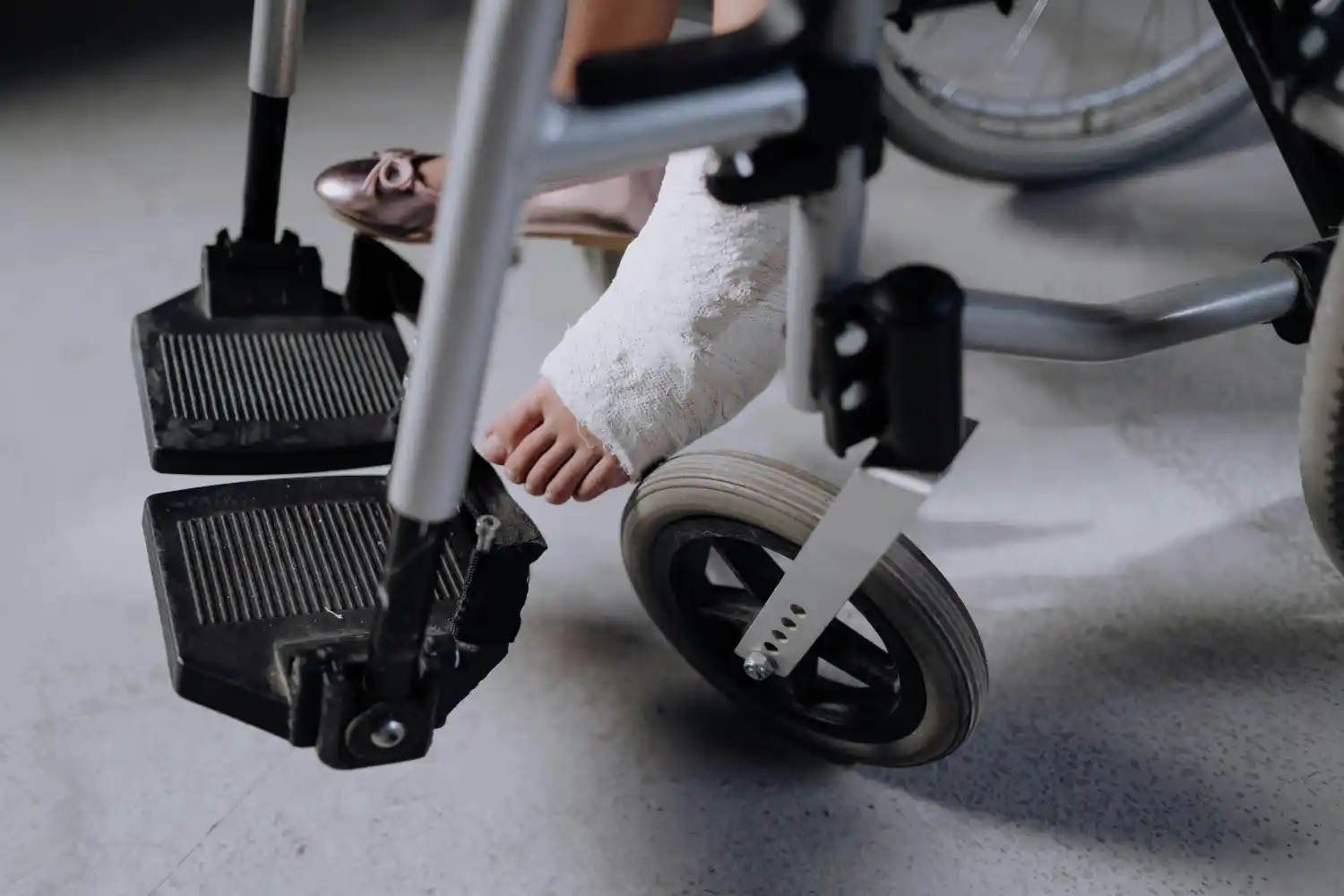
Fractures often occur when the body takes the full impact of a fall or when a person lands awkwardly on an outstretched hand or on the hip. Wrist, ankle, and shoulder fractures are common, and hip fractures can be especially serious for older adults because they often require surgery and extended rehabilitation. Fractures can also create complications such as reduced mobility, prolonged pain, and risk of re-injury during recovery. A thorough damages presentation should include the full course of treatment and how the fracture affects daily stability.
Treatment Timelines for Fractures Can Extend Beyond the Cast
Many fractures require follow-up imaging, orthopedic care, and therapy to restore strength and range of motion. Even after the bone heals, stiffness and weakness can limit activity, especially for people who work with their hands or spend long hours standing. Surgical hardware or complications can extend recovery and create ongoing symptoms. These factors should be reflected clearly in the claim so the compensation aligns with the true recovery arc.
Mobility and Independence Impacts Often Drive Case Value
A fracture can change how someone moves, drives, works, and handles basic errands. Temporary loss of independence can create added costs for transportation and household support, especially when the injury affects the dominant hand or a weight-bearing joint. When the claim captures these practical consequences, negotiations tend to focus on real loss rather than just medical invoices. This approach helps support a fair and complete compensation outcome.
Sprains and Torn Ligaments
Soft tissue injuries are common because people often twist, brace, or try to catch themselves when they slip. Sprains can affect ankles, knees, wrists, and shoulders, and ligament tears can create instability that persists long after the initial swelling subsides. Insurers sometimes dismiss these injuries as minor, yet they can require significant therapy and even surgical evaluation. A strong claim documents the injury severity, the course of care, and the ongoing limitations that affect normal activity.
Knee and Ankle Instability Can Affect Work and Safety
Ligament injuries in the knee or ankle can make walking, climbing stairs, and balancing on uneven surfaces difficult. People often change their gait to compensate, which can create secondary pain in the hips and back. Therapy and orthopedic guidance help document why the injury affects function and why continued care is reasonable. When the records show persistent instability, the claim becomes harder to minimize.
Demonstrating Ongoing Limitations Strengthens Soft Tissue Damages
Soft tissue cases often depend on consistent treatment notes and clear descriptions of functional change. Range of motion testing, therapy progress notes, and work restrictions can help show that the injury affects daily life in measurable ways. When the documentation stays consistent over time, insurers have less room to argue that symptoms resolved quickly. This supports damages that reflect the true impact of the injury rather than a short-term snapshot.
Call Our Slip and Fall Accident Lawyers in Everett For Help Today
A strong Everett slip and fall settlement starts with a claim that leaves little room for denial. Property owners and insurers often rely on uncertainty, missing documentation, and rushed narratives to reduce what they pay, especially when they believe the injured person will accept a quick offer to move on. Ritchie-Reiersen Injury & Immigration Attorneys focuses on building a clear record that ties the hazard to responsibility and ties the injury to real-life limitations, so the settlement discussion stays grounded in proof. When the claim is organized and consistent, negotiations tend to move toward fair value instead of getting stuck in arguments about what “might have” happened.
The goal is not just a settlement, but a settlement that supports your recovery and protects your financial stability. A fair result should account for the costs you have already faced and the ways the injury continues to affect work, mobility, and daily routines in Everett. Our team keeps the process steady and transparent so you understand what is happening and why each step matters, without being pushed into premature decisions. If you are ready to pursue a resolution that reflects the full impact of the fall, we can help you move forward with a plan built for real compensation.
Call Ritchie-Reiersen Injury & Immigration Attorneys at (888) 884-7337 to schedule your free consultation with our slip and fall accident lawyers in Everett today.








Get In Touch
Schedule a Free Legal Consultation With Us
If you or a loved one needs the assistance of a personal injury or immigration attorney, don’t hesitate to reach out. Ritchie-Reiersen Injury & Immigration Attorneys can help you with their extensive experience.
- Proven results
- Years of courtroom experience
- No upfront costs for injury clients
- We are available 24/7 for clients