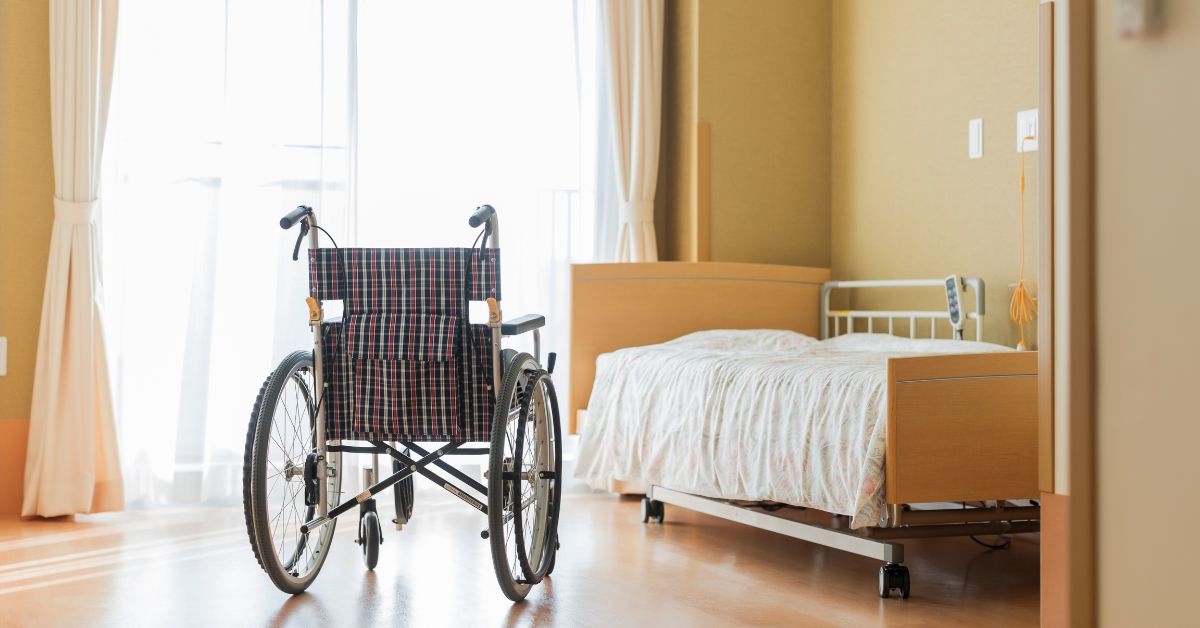
Nursing Home Abuse Lawyers in Mesa
Injuries inside nursing homes can raise questions about resident safety, supervision, and facility accountability. Nursing home residents rely on staff members for daily assistance, medical monitoring, and protection from preventable harm. When a resident develops unexplained injuries or signs of emotional distress, families may begin investigating what occurred inside the facility. Nursing home abuse lawyers in Mesa examine these situations to determine how Arizona nursing home protection laws apply when residents suffer harm in long term care environments.
Arizona law requires nursing homes and assisted living facilities to provide reasonable care, maintain safe conditions, and protect residents from abuse. Violations of these responsibilities can lead to serious physical injuries, worsening medical conditions, and emotional trauma for residents. Lawyers analyze medical records, staff schedules, incident reports, and inspection histories to understand how facility practices may have contributed to the harm. Legal investigations often reveal understaffing, inadequate training, or failures to respond to medical needs within the facility. Call Ritchie-Reiersen Injury & Immigration Attorneys at (888) 884-7337 to get a free consultation from our nursing home abuse lawyers in Mesa today.
How Nursing Home Abuse Lawyers in Mesa Investigate Abuse and Neglect in Care Facilities

Investigating abuse or neglect inside a long term care facility requires examining how daily care, supervision, and medical attention were provided to residents. Arizona regulations require nursing homes to maintain safe conditions, adequate staffing, and prompt responses to health concerns. When injuries, malnutrition, infections, or unexplained physical trauma occur, legal investigations focus on determining how facility practices contributed to the harm. Ritchie-Reiersen Injury & Immigration Attorneys analyzes facility records, medical documentation, and staff activity to understand how the incident developed. This process helps identify safety failures within the care environment. Careful investigations reveal how neglect or abuse occurred.
Arizona law allows injured residents and their families to pursue civil claims when a facility fails to provide reasonable care or violates resident protection standards. Legal investigations must establish how the facility’s conduct contributed to injury or declining health. Nursing home abuse attorneys in Mesa review internal records, witness accounts, and regulatory inspection reports to determine how facility policies were applied in practice. Understanding these factors allows attorneys to evaluate whether negligence occurred under Arizona law. Investigations may also reveal patterns of unsafe conditions affecting multiple residents. Strong evidence supports accountability for nursing home abuse claims.
Reviewing Medical Records and Injury Documentation
Medical records provide important information about a resident’s physical condition before and after a suspected incident of abuse or neglect. Attorneys review treatment notes, medication records, and hospital reports to determine when injuries first appeared and how facility staff responded. These documents may reveal delayed treatment, untreated medical conditions, or inconsistent explanations for injuries. Nursing home abuse lawyers in Mesa examine this information to determine whether staff actions complied with medical care standards required in Arizona facilities. Careful medical review helps establish the timeline surrounding the injury. Medical documentation helps explain how harm occurred.
Identifying Treatment Delays or Medical Neglect
Failure to respond promptly to medical needs may allow conditions such as infections, dehydration, or pressure injuries to worsen. Attorneys review nursing logs and physician orders to determine how quickly staff addressed medical concerns. Treatment delays may indicate neglect in facility care practices.
Comparing Injury Reports With Medical Records
Facility incident reports sometimes describe events differently than medical documentation recorded during treatment. Attorneys compare these records to identify inconsistencies regarding how the injury occurred. These comparisons help clarify the cause of resident injuries.
Examining Staffing Levels and Supervision Practices
Adequate staffing plays an important role in preventing neglect inside long term care facilities. When staff members must care for too many residents, supervision and safety monitoring may decline. Nursing home abuse attorneys in Mesa review staffing schedules, shift assignments, and employee training records to determine whether the facility maintained appropriate staffing levels. Insufficient staffing may contribute to falls, untreated medical conditions, or delayed assistance for residents. Legal analysis examines whether facility management followed Arizona care standards regarding supervision. Staffing conditions may explain how unsafe situations developed.
Evaluating Staff Training and Responsibilities
Employees responsible for resident care must understand how to monitor health conditions and respond to emergencies. Attorneys review training records and staff responsibilities assigned during the shift when the incident occurred. Inadequate training may contribute to unsafe resident care.
Reviewing Shift Schedules and Work Assignments
Work schedules reveal how many staff members were responsible for supervising residents at a given time. Attorneys examine these schedules to determine whether the facility maintained appropriate staffing coverage. Staffing shortages may contribute to neglect or unsafe supervision.
Analyzing Facility Incident Reports and Complaints
Nursing homes must document accidents, injuries, and unusual events affecting residents. These incident reports describe how the event occurred and what actions staff members took afterward. Nursing home abuse lawyers in Mesa review these reports along with prior complaints submitted to facility management. Patterns of repeated incidents may indicate unresolved safety problems within the facility. Investigating these reports helps determine whether management responded appropriately to earlier warnings. Repeated complaints may reveal systemic problems inside the facility.
Reviewing Internal Complaint Records
Residents and family members sometimes report safety concerns directly to facility administrators. Attorneys examine complaint logs and internal investigations connected to those reports. Complaint histories may reveal unresolved safety concerns.
Comparing Reports With Witness Statements
Witness accounts from staff members or visitors sometimes provide additional details about how an incident occurred. Attorneys compare these statements with the facility’s written reports. Differences between these accounts may clarify the events.
Reviewing Regulatory Inspections and Violations
State regulators inspect nursing homes to ensure that facilities comply with Arizona safety and care standards. Inspection reports may document violations involving staffing shortages, sanitation problems, or inadequate supervision. Nursing home abuse attorneys review these reports to determine whether regulators previously identified safety issues at the facility. Prior violations sometimes demonstrate that unsafe conditions existed before the resident’s injury occurred. Regulatory findings may help explain how the incident developed. Inspection records help establish patterns of unsafe facility practices.
Examining State Inspection Findings
Inspection reports issued by Arizona regulators identify deficiencies in facility operations. Attorneys analyze these findings to determine whether the violations relate to the incident being investigated. State inspection findings may reveal unsafe facility conditions.
Reviewing Corrective Action Plans
Facilities sometimes submit corrective action plans after regulators identify violations. Attorneys review these plans to determine whether the facility addressed the safety issues described by inspectors. Unresolved violations may indicate continuing risks inside the facility.
How Arizona Law Holds Nursing Homes Responsible for Resident Harm
Arizona law requires nursing homes and assisted living facilities to provide reasonable care, maintain safe conditions, and protect residents from preventable harm. These obligations arise from both state regulations governing licensed care facilities and general negligence principles applied in civil claims. When a facility fails to meet these requirements, injured residents may pursue legal action to recover damages related to physical injury, medical expenses, and other losses. Nursing home abuse lawyers in Mesa analyze how Arizona law applies to each case based on the specific conduct involved. Legal evaluation focuses on whether the facility followed required care standards and responded appropriately to known risks. Arizona law establishes clear responsibilities for nursing home safety.
Civil liability in nursing home abuse cases depends on proving that the facility’s actions or failures directly contributed to harm experienced by a resident. Arizona courts evaluate evidence showing how care practices, staffing decisions, and medical responses affected the resident’s condition. Nursing home abuse lawyers in Mesa review these factors to determine how liability may be established under Arizona negligence law. Legal analysis may involve examining regulatory violations alongside the facts surrounding the incident. These elements work together to form the basis of a claim against the facility. Strong legal claims rely on clearly established responsibility under Arizona law.
Nursing Home Duty of Care in Arizona
Nursing homes in Arizona must provide services that meet accepted standards of care for resident safety, supervision, and medical attention. This duty includes monitoring health conditions, preventing avoidable injuries, and responding promptly to medical needs. Facilities must also comply with Arizona administrative rules governing staffing, training, and operational practices. Nursing home abuse lawyers in Mesa evaluate whether the facility met these obligations based on the care provided. Establishing this duty forms the foundation of a negligence claim. Duty of care defines the legal obligations owed to residents.
Establishing Required Care Standards
Arizona regulations outline expectations for supervision, hygiene, and medical oversight within licensed facilities. Attorneys review these requirements to determine what level of care the facility was required to provide. Defined care standards establish the baseline for evaluating facility conduct.
Applying Care Standards to Resident Treatment
Legal analysis compares the care actually provided to the standards required under Arizona law and regulations. Differences between expected care and actual treatment may indicate a breach of duty. These comparisons help determine whether negligence occurred.
Violations of Care Standards
A nursing home may be considered negligent when it fails to follow required care standards or ignores known risks affecting resident safety. Violations may include inadequate supervision, failure to administer medication correctly, or neglecting basic hygiene needs. Arizona law allows these failures to serve as evidence supporting a negligence claim. Nursing home abuse lawyers in Mesa examine whether the facility’s actions departed from accepted care practices. Identifying these violations helps establish how the facility failed to meet its legal obligations. Breaches of care standards support claims of negligence.
Identifying Regulatory Violations
State inspections and internal records may reveal violations of Arizona care facility regulations. Attorneys analyze these findings to determine how the facility’s conduct failed to comply with required standards. Regulatory violations provide evidence of improper care practices.
Linking Violations to Resident Harm
Legal claims require showing that identified violations contributed to the injury or condition experienced by the resident. Attorneys connect specific failures to the harm documented in medical records. This connection strengthens the basis for liability.
Proving Causation in Abuse Cases
Establishing causation requires demonstrating that the facility’s actions or omissions directly contributed to the resident’s injury or declining condition. Arizona courts evaluate medical evidence, timelines, and expert analysis when determining whether causation exists. Nursing home abuse lawyers in Mesa analyze how the resident’s condition changed in relation to the care provided. This process may involve comparing medical records before and after the incident. Demonstrating causation connects the facility’s conduct to the resulting harm. Causation links negligent actions to resident injuries.
Analyzing Medical Timelines
Medical records help establish when symptoms developed and how they progressed over time. Attorneys review these timelines to determine whether delays or omissions in care affected the outcome. Accurate timelines clarify how injuries developed.
Using Expert Medical Opinions
Medical experts may provide opinions regarding whether the facility’s conduct contributed to the resident’s condition. Attorneys rely on these opinions to explain how the harm occurred. Expert analysis supports causation in complex cases.
Who Can Be Held Liable
Liability in nursing home abuse cases may extend beyond individual staff members to include the facility itself and other responsible parties. Arizona law allows claims against employers when employees act within the scope of their duties. Nursing home abuse lawyers in Mesa evaluate whether the facility’s management, policies, or staffing decisions contributed to the harm. Third party contractors or medical providers may also be involved depending on the circumstances. Identifying all responsible parties helps ensure that claims address the full scope of liability. Liability may extend to multiple responsible entities.
Evaluating Facility Responsibility
Facilities may be held responsible for the actions of their employees and for failures in supervision or policy enforcement. Attorneys review internal policies and management decisions related to the incident. Facility responsibility depends on how operations were managed.
Identifying Additional Responsible Parties
Some cases involve outside providers or contractors who contributed to the resident’s care. Attorneys evaluate these roles to determine whether additional parties share responsibility. Multiple parties may be held accountable for the harm.
Why Ritchie-Reiersen Injury & Immigration Attorneys Is Trusted for Nursing Home Abuse Claims in Mesa

Addressing harm in a nursing home setting requires careful legal evaluation, clear documentation, and an understanding of how Arizona law applies to care facility conduct. Ritchie-Reiersen Injury & Immigration Attorneys works with families seeking answers about how injuries or declining health conditions developed inside a facility. Legal analysis focuses on identifying failures in supervision, medical care, or facility operations that may have contributed to harm. Each case requires examining records that explain what occurred and how the facility responded. This process allows claims to be built on documented facts rather than assumptions. Families gain clarity when legal analysis connects facility conduct to specific injuries.
Building a nursing home abuse case involves organizing medical records, facility documentation, and witness information in a way that supports legal claims under Arizona law. Attorneys evaluate how the evidence reflects the care provided and whether that care met required standards. Ritchie-Reiersen Injury & Immigration Attorneys prepares cases by focusing on the relationship between facility conduct and the resident’s condition. This approach allows legal claims to reflect how specific actions or omissions contributed to harm. Clear case preparation supports communication with insurers, opposing counsel, and courts. Strong documentation helps demonstrate how facility decisions affect resident safety outcomes.
Evaluating Care Facility Conduct
Understanding how a facility operated during the time of an incident requires reviewing policies, staff actions, and the care provided to residents. Attorneys examine whether staff followed required procedures and responded appropriately to changes in a resident’s condition. This evaluation helps determine how the facility’s conduct may have contributed to the outcome. Reviewing daily care practices provides insight into how supervision and medical attention were handled. Detailed evaluation helps identify gaps in care delivery. Identifying these gaps helps establish how unsafe practices led to injury.
Reviewing Facility Policies and Procedures
Internal policies describe how staff should respond to medical needs, safety concerns, and resident supervision. Attorneys review these policies to determine whether staff actions aligned with facility expectations. Policy review helps establish whether procedures were followed correctly. These policies define the expected level of care required under Arizona facility regulations.
Comparing Policies to Actual Care Practices
Legal analysis compares written procedures with the care residents actually received during the incident. Differences between policy and practice may indicate failures in implementation. These comparisons help reveal breakdowns in care delivery. Documented inconsistencies help demonstrate how the facility failed to follow its own safety procedures.
Developing Evidence for Legal Claims
Nursing home abuse cases rely on evidence demonstrating how the facility’s actions affected the resident’s health and safety. Attorneys gather medical records, incident reports, and witness statements to build a clear understanding of what occurred. Each piece of evidence contributes to explaining how the incident developed over time. Careful organization ensures that the information supports the legal elements required for a claim. This process allows attorneys to present a consistent narrative supported by documentation. Strong evidence helps establish how specific failures resulted in measurable harm.
Gathering Medical and Facility Records
Medical records and facility documentation provide key details about the resident’s condition and the care provided. Attorneys review these records to identify inconsistencies or gaps in treatment. Record collection supports accurate case evaluation. These records help establish a timeline linking care decisions to resulting injuries.
Organizing Evidence for Case Presentation
Collected evidence must be arranged in a way that clearly explains the sequence of events. Attorneys organize records to reflect how the incident occurred and how the facility responded. Structured evidence supports effective legal presentation. Organized evidence helps show how multiple failures combined to produce the injury.
Working With Medical and Care Experts
Expert analysis may be necessary to explain how facility conduct affected a resident’s health. Medical professionals can provide opinions regarding whether the care provided met accepted standards. Attorneys work with these experts to interpret medical records and explain complex conditions. This collaboration helps clarify how injuries or declining health may be connected to facility actions. Expert input adds depth to the legal analysis of the case. Expert findings help establish whether care fell below accepted medical standards.
Consulting Qualified Medical Professionals
Medical experts review records to determine whether the care provided met accepted medical standards. Attorneys rely on these evaluations to understand how treatment affected the resident’s condition. Expert consultation provides insight into medical issues. These evaluations help explain how improper care contributed to worsening health conditions.
Applying Expert Findings to Legal Claims
Expert opinions help connect medical findings to the legal elements required in a claim. Attorneys use these findings to explain how the facility’s conduct contributed to harm. Expert analysis strengthens the legal position of the case. These findings help demonstrate how the injury could have been prevented with proper care.
Preparing Cases for Legal Resolution
Nursing home abuse claims may proceed through negotiation, settlement discussions, or litigation depending on the circumstances. Attorneys prepare each case by organizing evidence and identifying the legal arguments that support the claim. This preparation allows the case to move forward through the appropriate legal process. Ritchie-Reiersen Injury & Immigration Attorneys focuses on presenting claims in a way that reflects the evidence gathered during the investigation. Clear preparation supports communication with all parties involved in the case. Thorough preparation helps position the case for a resolution supported by documented facts.
Structuring Legal Arguments
Legal arguments must reflect the evidence collected and the applicable Arizona law governing nursing home care. Attorneys organize these arguments to demonstrate how the facility’s conduct led to harm. Structured arguments support legal proceedings. These arguments show how the facility’s actions satisfied each element required for liability.
Coordinating Case Presentation
Presenting a case requires aligning evidence, expert analysis, and legal arguments in a clear format. Attorneys coordinate these elements to ensure that the claim is supported by documented facts. Coordinated presentation strengthens the case. This coordination allows decision makers to clearly understand how the injury occurred.
Get a Free Consultation From Ritchie-Reiersen Injury & Immigration Attorneys Today
Uncertainty about abuse inside a nursing home setting can leave families without clear answers about how a resident’s condition changed or why care did not meet expectations. When nursing home records, staff explanations, and medical outcomes do not align, understanding what actually occurred requires a structured legal review grounded in Arizona law. Nursing home abuse lawyers in Mesa examine how daily care decisions, supervision practices, and facility policies influenced the resident’s health over time. This type of analysis focuses on identifying specific actions that contributed to injury to strengthen the claim rather than relying on general assumptions about facility operations.
Nursing home abuse lawyers in Mesa work through medical charts and internal records to determine how care was delivered and how conditions developed. This process helps clarify whether the facility met its obligations or allowed preventable harm to occur. If you need to understand what happened or what steps may be available, legal guidance can provide that clarity. Call Ritchie-Reiersen Injury & Immigration Attorneys at (888) 884-7337 or visit our contact page to get a free case review from our nursing home abuse lawyers in Mesa.








Get In Touch
Schedule a Free Legal Consultation With Us
If you or a loved one needs the assistance of a personal injury or immigration attorney, don’t hesitate to reach out. Ritchie-Reiersen Injury & Immigration Attorneys can help you with their extensive experience.
- Proven results
- Years of courtroom experience
- No upfront costs for injury clients
- We are available 24/7 for clients