Kennewick Nursing Home Abuse Lawyer
Nursing Home Neglect Attorneys Can Help Protect Your Loved Ones
If your loved one has been a victim of nursing home neglect or abuse, it is imperative that the nursing home be held responsible for the actions of their employees.
The Kennewick nursing home abuse lawyers at Ritchie-Reiersen Injury & Immigration Attorneys have spent many years helping protect the rights of individuals who are being mistreated and injured through no fault of their own – and they can help you find justice through this difficult situation.
An Aging Population With Increased Needs
When our parents or spouse get to the advanced age where health concerns become more than we are able to handle on our own, we often turn to nursing homes in the community to give them the daily care that is required to keep them healthy and safe. We trust these nursing homes to care for our loved ones in every way – medically, emotionally, and socially. Much of the time this happens as expected and is a blessing that allows us to be involved with the daily life of our loved ones, yet decreases the stress and heartache that accompanies our inability to fully care for them at the level their health requires.
When the unthinkable happens, however, and we find that our older loved ones are not being properly cared for in the nursing home, what recourse is available? At Ritchie-Reiersen Injury & Immigration Attorneys, we recognize and honor our aged population. These individuals have lived through a multitude of changes and challenges in their lives, and they deserve to be cared for with the love and respect that their own family would provide. When nursing homes fail to provide safety for their residents, either as a result of neglect or outright abuse, it is imperative that they be held responsible.
What Does Nursing Home Neglect Look Like?
When our loved ones enter a nursing home, it is usually due to health concerns that are more than we can help them with on our own in our homes. We trust the nursing home staff to give these loved ones the attention and medical care that they critically need. What should we look for as red flags that perhaps our loved ones aren’t receiving the care they need? Some signs of nursing home neglect can include:
- Inadequate sanitation and hygiene
- Depression or isolation
- Unexplained injuries, falls, bruises, or sores
- Dehydration or malnutrition
- Continuous illnesses
- Bedsores
Because individuals of this population are considered “vulnerable adults” there are special legal considerations given to them. However, due to medical or other issues, they may not be able to tell us what is happening to them at the nursing home. It is important to be vigilant, and if you suspect your loved one is experiencing neglect, contact an attorney right away.
At Ritchie-Reiersen Injury & Immigration Attorneys, we understand how devastating instances of elder abuse and neglect can be on the entire family. We feel it is important to talk about the issue and demand justice – not only for your own loved one, but also for the other individuals who may not have someone to advocate for them. If you suspect abuse or neglectful actions in a nursing home, call us today to speak with a local personal injury attorney. We offer a free, no-obligations consultation and would be honored to earn your trust and help your loved ones live their golden years surrounded by love and respect.
Neglect is the only type of nursing home abuse that could be considered unintentional. This often occurs when a facility often has poor management, is understaffed, has poorly trained staff, or fails to have proper oversight. Overcrowding can also lead to neglect of residents. Abuse in a nursing home can take many forms.
Physical Abuse
Includes, hitting, slapping, pushing, or otherwise causing physical harm on purpose. Inappropriate use of restraints can also be considered physical abuse.
Financial Abuse
Includes unauthorized use of a resident’s money, credit cards, or financial assets. This also includes billing for procedures that aren’t needed or weren’t received.
Sexual Abuse
Includes any unwanted or inappropriate attention that is sexual in nature – fondling or touching, exposing oneself to a resident, or unnecessarily causing a resident to be naked can all be considered sexual abuse.
Emotional Abuse
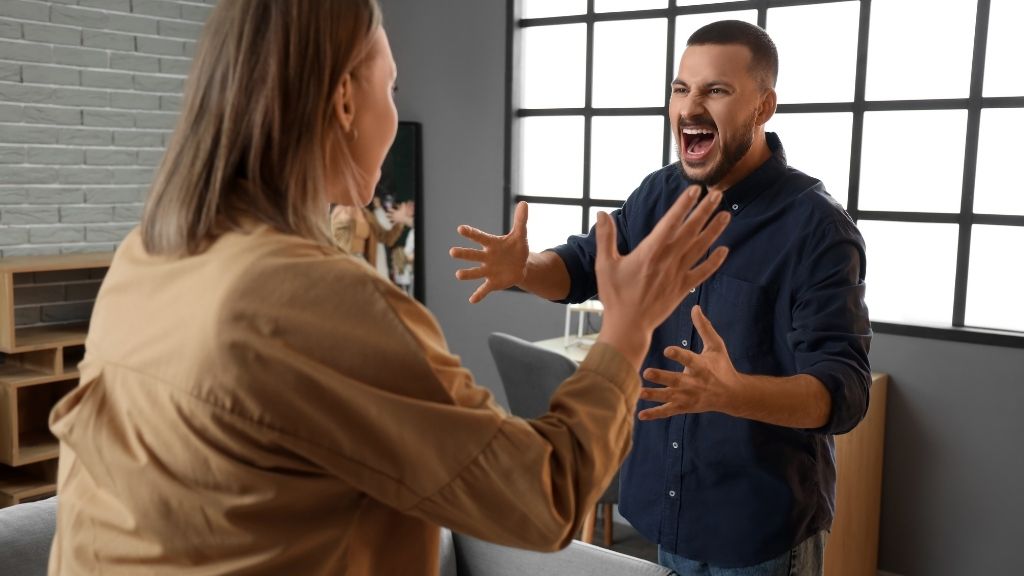
Is much more difficult to notice unless you witness it – but can include embarrassing a resident, belittling them, isolating residents, or threatening a resident (often to hide other forms of abuse).
How Can We Help You Fight For Justice In a Case of Nursing Home Neglect?
If you suspect neglect or abuse in a nursing home, it is important to find help right away. If neglect or abuse is happening to your loved one, it is most likely happening to many of the residents. You can be a force in stopping the abusive nature of the nursing home by bringing it to light. You can expect your Kennewick nursing home abuse attorney at Ritchie-Reiersen Injury & Immigration Attorneys to:
- Help calculate the damages your loved one is owed due to their experiences and suffering;
- Communicate with you on a regular basis to keep you updated on progress of case;
- Fully investigate and collect evidence to support your claim, including gathering records that will prove the extent of damages your loved one has experienced;
- Manage all communication with the nursing home, its insurance company, and its legal team;
- File a lawsuit on behalf of your loved one and represent your family in court, if necessary.
- Attempt to negotiate a fair settlement agreement; and

What Damages Are Available in Cases of Nursing Home Abuse or Neglect?
As your legal representative, the attorneys at Ritchie-Reiersen Injury & Immigration Attorneys will listen to you and your loved ones experiences. We will fully investigate the situation. If we can prove that your loved one is experiencing abuse or neglect, we may be able to recover financial compensation for them. Some of the damages your loved one may be able to receive include:
- Any out-of-pocket expenses that were incurred due to the neglect or abuse and the effects of that
- Reimbursement of money lost through financial abuse
- Costs related to changing facilities
- Damages for the pain and suffering your loved one experienced
- Expenses related to medical treatment
Obviously no amount of financial compensation makes up for the neglect or abuse that was suffered – but it can bring a sense of justice to an unfortunate situation and help your loved one find a different nursing home facility if needed.
We offer a free consultation for all clients, and work on a contingency fee system. If we take your case, you don’t pay us until we win for you. There are no up-front costs, and no hidden expenses. We are open and honest in the way we conduct business, and we consider it an honor to earn your trust. Fighting against nursing home neglect can feel overwhelming – but you don’t have to do it alone. We have the skills and knowledge to take on that fight for you and help you and your loved ones find peace in their surroundings.
Why Choose Ritchie-Reiersen Injury & Immigration Attorneys to Help You Fight Nursing Home Neglect?
At Ritchie-Reiersen Injury & Immigration Attorneys, our clients come first. We are committed to treating all individuals with honor and respect. Not only are cases of nursing home abuse and neglect illegal, but it cuts deep in our hearts to see our valued older generation being mistreated. With a strong knowledge of the law and the ability to fight for the rights of your loved one, we will do everything in our power to not only put a stop to the abuse and neglect, but to help your loved one receive compensation for the damages they have had to endure. Our Kennewick elder mistreatment lawyers are passionate about standing up for justice and doing the right thing.
When Nursing Home Abuse and Neglect Become a Legal Issue in Kennewick
Nursing home abuse and neglect becomes a legal issue in Kennewick when harm results from preventable failures in care, supervision, staffing, or safety, not simply from a resident’s age or underlying medical condition. Families often sense something is wrong long before they receive a clear explanation, especially when the facility’s answers stay vague or records feel incomplete. Nursing Home Abuse Lawyers in Kennewick can help clarify whether the situation crosses the line into actionable neglect or abuse by identifying what the facility was required to do, what it actually did, and how that gap caused injury or decline. A seasoned Washington State attorney can also help families act quickly without escalating conflict in a way that risks the resident’s comfort or safety.
With Ritchie-Reiersen Injury & Immigration Attorneys involved, families can request and organize the right documentation, such as care plans, incident reports, medication logs, and staffing information, so concerns are evaluated using facts rather than assurances. That structure also helps distinguish between a natural health decline and a preventable breakdown in basic care, which is often where facilities try to blur the line. Early legal guidance can reduce the chance that key records get lost, revised, or explained away after a complaint is raised. It also gives families a steady point of contact so they do not have to negotiate with administrators while trying to protect a vulnerable loved one. The result is a clearer path for both immediate protection and a claim built to support full compensation if harm occurred.
A Pattern of Preventable Harm Often Signals Neglect in Kennewick Care Facilities
Neglect claims frequently involve repeated failures that create predictable injury, such as missed repositioning that leads to pressure sores, inconsistent hygiene that causes infection, or delayed response to falls and mobility risks. These issues often appear as a chain of small breakdowns rather than one obvious incident, which is why documentation and timeline building matter. An experienced attorney can identify patterns across care notes, medication logs, and incident reports to show that the harm was not random or unavoidable.
Untreated Pressure Injuries and Infections Often Reflect Care Failures
Bed sores, skin breakdown, and recurring infections can indicate that a resident did not receive appropriate turning schedules, wound care, hydration support, or monitoring. Facilities sometimes describe these outcomes as inevitable, yet the care plan and charting often tell a more specific story. A knowledgeable attorney can review records to determine whether the facility ignored warning signs or failed to follow basic protocols.
Repeated Falls Can Suggest Supervision and Mobility Planning Problems
A fall may happen even with good care, but repeated falls often point to inadequate supervision, missing assistive devices, or failure to implement fall prevention measures. Families should not have to accept recurring injuries as normal when safer systems were available. Skilled counsel can evaluate whether the facility updated risk assessments and acted on known hazards.
Physical Abuse and Rough Handling Create Clear Legal Exposure
Physical abuse can involve direct harm such as striking, restraining improperly, or forceful movement that causes bruising, fractures, or pain. These cases can be hard to prove without prompt action because bruising fades, staffing schedules change, and internal reports may be incomplete. Nursing Home Abuse Lawyers in Kennewick can help preserve evidence and build accountability without relying on speculation.
Unexplained Bruising and Fractures Need Immediate Record Review
Facilities may attribute bruising to skin fragility or “unknown causes,” yet timing and charting often show whether an incident was reported appropriately. A skilled attorney can request relevant care notes, medication records, and staffing logs to identify inconsistencies. That approach helps clarify whether the injury came from an accident, improper handling, or a failure to supervise.
Improper Restraints Can Lead to Both Physical Injury and Severe Emotional Harm
Restraints may include physical devices or medication practices used to control behavior rather than treat a medical need. When restraints cause injury, fear, or rapid decline, the legal questions often focus on justification, monitoring, and adherence to safety standards. Experienced counsel can evaluate whether restraint use followed documented medical necessity and proper oversight.
Financial Exploitation and Isolation Can Also Trigger Legal Action
Abuse is not always visible on the body, and some of the most damaging misconduct involves money, access, and manipulation. Sudden changes in spending, missing belongings, or a resident becoming unusually withdrawn can signal exploitation or coercion. A seasoned attorney can investigate whether a caregiver or facility-related person used access to take advantage of a vulnerable resident.
Unusual Account Activity and Missing Property Can Be Actionable
Families may notice repeated withdrawals, new “friendships,” or missing valuables with no clear explanation. Facilities sometimes treat these reports as private disputes rather than safety issues. A knowledgeable attorney can help families request documentation and investigate how access was managed and whether staff failed to protect the resident.
Restricted Visitation and Communication Barriers Can Mask Abuse
If a facility discourages visits, limits communication, or controls interactions in unusual ways, families should treat that as a serious warning sign. Isolation can allow neglect or exploitation to continue without accountability. Skilled counsel can help families respond strategically and document concerns without relying on confrontation.
Care Plan Violations Often Turn a Concern Into a Strong Case
Nursing homes typically develop care plans for each resident, and failures to follow those plans can provide clear evidence of neglect. When the chart shows a plan for nutrition support, fall precautions, or wound care, and the outcomes show predictable harm, the gap becomes difficult to defend. Nursing Home Abuse Lawyers in Kennewick can use care plan evidence to build a clear narrative of preventable injury.
Medication Errors and Overmedication Can Cause Rapid Decline
Residents can suffer when medication is administered incorrectly, when doses are missed, or when sedating medications are used to manage staffing constraints. Families often notice sudden sleepiness, confusion, or loss of function without clear medical explanation. A skilled attorney can evaluate medication logs, physician orders, and incident documentation to determine whether the decline connects to preventable medication practices.
Nutrition and Hydration Failures Often Show Up in Weight and Lab Changes
Unexplained weight loss, dehydration, and poor lab results may point to missed meals, inadequate assistance during eating, or lack of monitoring. Facilities may claim the resident simply refused food, yet care notes should reflect interventions and follow-up. Experienced counsel can examine whether the facility responded appropriately or allowed preventable decline.
A Skilled Kennewick Attorney Can Help Families Act Without Guesswork
Families often struggle to balance urgency with the fear of making the situation worse for a loved one still living in the facility. Legal representation can bring structure to that decision-making by clarifying options, preserving records, and managing communications in a calm, controlled way. Ritchie-Reiersen Injury & Immigration Attorneys can help Kennewick families protect residents while pursuing accountability and maximum compensation when preventable harm has occurred.
Early Action Helps Preserve Documentation Before It Disappears
Care notes, staffing schedules, and internal incident reports can change as staff turnover occurs or as facilities respond to complaints. Delays often make it harder to prove what happened and who was responsible. An experienced attorney can move quickly to preserve relevant records and strengthen the claim’s foundation.
Families Benefit From Clear Guidance During a Sensitive Process
Nursing home cases involve emotion, guilt, and fear, and families deserve an approach that is respectful and steady. Clear next steps and consistent communication reduce stress and improve confidence. Skilled counsel can provide that support while keeping the focus on the resident’s safety, dignity, and full compensation.
How Kennewick Lawyers Investigate Nursing Home Abuse and Neglect
A nursing home abuse investigation in Kennewick has to be methodical because facilities often control the records, staff may change quickly, and the resident’s health can deteriorate for multiple reasons at once. The strongest investigations separate normal medical complexity from preventable care failures by building a precise timeline and verifying what happened through documents, witnesses, and objective clinical detail. Nursing Home Abuse Lawyers in Kennewick can lead that process without forcing families to fight administrators for answers or accept vague explanations that never match the paperwork. A seasoned attorney can also keep the approach respectful and resident-centered, focusing on safety, dignity, and a claim positioned for maximum compensation.
Documentation Requests Build the Foundation of a Kennewick Nursing Home Abuse Case
A serious investigation begins with targeted records requests that go beyond a discharge summary or a brief chart snapshot. Care plans, turning schedules, wound documentation, medication administration records, dietary notes, and fall risk assessments often reveal whether staff followed basic protocols. An experienced attorney can identify which documents matter most for the suspected harm pattern and can organize them into a timeline that shows what changed, when it changed, and how the facility responded.
Medication Administration Records Often Reveal Hidden Neglect or Overmedication
Medication logs can show missed doses, inconsistent administration times, or sedating medications used in ways that do not align with physician intent. Families may notice unusual sleepiness or confusion, yet the records may show a different story than what the facility communicated. A skilled attorney can compare orders to administration entries and identify red flags that support accountability.
Care Plan Updates Can Show Whether the Facility Reacted to Decline
Facilities should update care plans when a resident’s condition changes or when new risks appear. Failure to revise fall precautions, nutrition assistance, or wound protocols can indicate that staff did not respond appropriately to worsening health. An experienced lawyer can highlight gaps between documented needs and actual care.
Incident Reconstruction Uses Timelines, Internal Reports, and External Proof
Many facilities document incidents in internal reports, but those reports may omit key context or use vague language that softens responsibility. An effective investigation compares incident reports to nursing notes, vitals, medication logs, and any available outside records such as hospital intake documentation. Nursing Home Abuse Lawyers in Kennewick can build a timeline that makes inconsistencies visible and prevents the defense from rewriting events after the fact.
Hospital Records Often Provide a Cleaner Snapshot of Condition and Injury
Emergency department notes, imaging results, and provider observations can capture injuries and symptoms in a way that is less influenced by facility self-protection. These records can also reveal dehydration, infection, malnutrition, or pressure injury staging that contradicts what the facility documented. A seasoned attorney can use hospital records to anchor the case around objective clinical findings.
Witness Interviews Can Clarify What the Paperwork Does Not Say
Residents, family members, visitors, and even former staff may provide important detail about staffing levels, response times, hygiene conditions, and routine practices. Facilities may claim that care was consistent, yet witnesses often describe delays and gaps that align with the harm. Experienced counsel can gather statements carefully and professionally so the investigation remains credible and focused.
Staffing and Training Analysis Often Explains Why Neglect Happened
Neglect cases frequently trace back to understaffing, high turnover, poor supervision, or inadequate training rather than one person’s isolated mistake. Staffing schedules, job assignments, and policy documentation can show whether the facility had enough people on shift to meet basic care needs. A knowledgeable Kennewick personal injury attorney can examine these factors to determine whether systemic failures created predictable harm.
Response Time Patterns Can Indicate Inadequate Supervision
Repeated delays in toileting assistance, hygiene support, wound care, or fall response can suggest staffing levels that could not meet resident needs. Facilities may attribute delays to resident behavior or complexity, yet logs often reveal recurring patterns. A skilled lawyer can use documented response gaps to show that the facility’s operational choices contributed to harm.
Training and Policy Gaps Can Strengthen Accountability
If staff lacked training on mobility assistance, pressure injury prevention, or medication management, preventable harm becomes more foreseeable. Policies may also exist only on paper without real enforcement. Experienced counsel can identify where training and policy failures created risk and can use that evidence to strengthen the case for maximum compensation.
Regulatory and Complaint History Can Provide Context for a Kennewick Facility
Some investigations include reviewing prior complaints, inspection findings, and documented issues that show the facility had notice of specific problems. A history of similar concerns can support arguments about foreseeability and repeated safety failures. Nursing Home Abuse Lawyers in Kennewick can evaluate whether prior issues relate to the current harm and can use that context strategically without overstating it.
Prior Similar Incidents Can Undercut “This Was Unavoidable” Defenses
Facilities often argue that the resident’s decline was inevitable or that the incident was a rare anomaly. When the facility has a documented history of falls, wound issues, or care lapses, that narrative becomes harder to maintain. A skilled attorney can use notice evidence to show the facility had opportunities to improve and failed to act.
Complaint Handling Records Can Reveal a Pattern of Minimization
Families sometimes report concerns and receive reassurances that do not match subsequent outcomes. Complaint records can show whether the facility took corrective action or simply documented a response without real change. Experienced counsel can use these records to show why the harm was preventable and why accountability is appropriate.
Medical Review Helps Translate Records Into Clear Proof of Preventable Harm
Nursing home cases often involve complex health conditions, so a strong investigation uses medical review to connect care failures to specific injuries or decline. Pressure injuries, infection progression, malnutrition, and medication effects can be evaluated against accepted care standards. An attorney can coordinate appropriate medical review so the case remains grounded, credible, and ready for negotiation or litigation.
Causation Analysis Protects the Case From “Age and Illness” Deflections
Defense teams often argue that a resident’s age or diagnosis explains everything, even when clear care failures exist. A proper causation analysis shows how the timeline of care and the timeline of harm align. An experienced attorney can present that connection clearly so compensation reflects preventable injury, not generalized health decline.
Clear, Organized Findings Increase Settlement Leverage
Facilities and insurers are more likely to resolve claims fairly when the investigation produces a clean narrative with well-supported conclusions. Disorganized accusations invite delay and denial. Nursing Home Abuse Lawyers in Kennewick who build a structured investigative record can create the leverage needed to pursue maximum compensation while keeping families informed and supported.
Who Can Be Held Responsible for Nursing Home Abuse in Kennewick
Responsibility for nursing home abuse in Kennewick rarely rests on one person alone, especially when harm stems from staffing decisions, poor supervision, and facility-wide care practices. Many cases involve layered accountability, including the staff member who caused harm, the supervisors who failed to intervene, and the organization that set unsafe conditions through policies or chronic understaffing. Nursing Home Abuse Lawyers in Kennewick can identify every responsible party because that analysis often determines what insurance coverage applies and how families pursue maximum compensation. A seasoned Kennewick attorney can also help families understand who is legally accountable without forcing them to guess based on titles or job roles.
Direct Care Staff Can Be Liable for Abuse and Hands-On Neglect
Nursing assistants, caregivers, and other frontline staff can cause harm through rough handling, improper transfers, missed toileting assistance, or failure to follow basic safety precautions. These cases often turn on what staff did during a shift and whether the care provided matched the resident’s documented needs. An experienced attorney can connect charting, witness accounts, and injury timing to specific hands-on failures that support liability.
Improper Transfers and Mobility Assistance Can Cause Preventable Injuries
Many residents need help moving from bed to chair, using walkers, or transferring to the bathroom safely. A rushed or improper transfer can cause falls, fractures, and severe bruising, especially when staff attempt lifts without assistance. Skilled counsel can examine care plans and staffing assignments to determine whether the resident received the level of support required.
Failure to Monitor High-Risk Residents Can Support Accountability
Residents with fall risk, confusion, or limited mobility often require structured monitoring and timely response. When call lights go unanswered or supervision lapses, injuries can follow quickly. A knowledgeable attorney can evaluate response patterns and shift assignments to show how preventable harm occurred.
Supervisors and Charge Nurses May Share Responsibility for Unsafe Care Practices
Supervisors can be accountable when they ignore safety concerns, fail to staff appropriately, or allow shortcuts that put residents at risk. Leadership decisions often shape whether staff follow care plans, complete documentation, and respond promptly to decline. Nursing Home Abuse Lawyers in Kennewick can look beyond the immediate incident and evaluate whether poor supervision contributed to the conditions that allowed harm.
Training Failures Can Create Predictable Harm Across a Facility
When staff are not trained properly on wound prevention, infection control, dementia care, or medication safety, residents face foreseeable risk. Facilities may claim training exists, yet the record of practice tells a different story. An experienced attorney can evaluate whether training was meaningful, enforced, and adequate for resident needs.
Ignored Complaints Can Strengthen a Case for Negligent Supervision
Families often report concerns and receive reassurance without real change. If leadership knew about unsafe conditions and failed to correct them, liability exposure increases. Skilled counsel can track complaint history and internal responses to show why the harm was foreseeable.
Facility Owners and Corporate Operators Can Be Held Accountable for Systemic Neglect
Many nursing homes operate under corporate ownership structures, and decisions about staffing levels, budgets, and policies often come from higher management. When a facility runs understaffed, relies on underqualified workers, or prioritizes occupancy over safe care, resident harm can become predictable. Your attorney can investigate whether corporate decisions contributed to neglect and can pursue accountability at the organizational level.
Understaffing and Scheduling Practices Often Drive Care Failures
Chronic understaffing can lead to missed turning schedules, delayed hygiene assistance, and inadequate monitoring, even when individual caregivers try to do their best. Facilities may frame these issues as unavoidable, yet staffing choices are operational decisions. An experienced attorney can use schedules, acuity levels, and documented delays to show that harm resulted from preventable resource choices.
Policies That Encourage Shortcuts Can Create Facility-Wide Liability
Some facilities develop routines that prioritize speed over resident safety, including rushed toileting, limited repositioning, and delayed wound checks. These routines can become normal practice even when they violate accepted standards of care. Skilled counsel can use documentation patterns and witness accounts to show how policy culture created foreseeable harm.
Contracted Providers and Outside Vendors May Also Share Responsibility
Some residents receive care from contracted providers, including physical therapy staff, wound care specialists, transportation services, or third-party medical personnel. If these providers deliver unsafe care, fail to communicate critical information, or mishandle transfers, they may share liability. Nursing Home Abuse Lawyers in Kennewick can identify whether a third-party vendor played a role and whether additional insurance coverage is available.
Medication Management and Pharmacy Errors Can Contribute to Harm
Facilities sometimes use outside pharmacies or medication management services that supply and package medications. Errors in dispensing, labeling, or delivery can lead to missed doses or dangerous interactions. An experienced attorney can evaluate medication records against prescriptions to identify whether third-party mistakes contributed.
Transportation and Transfer Incidents Can Involve Vendor Liability
Residents can be injured during transport to appointments or during transfers handled by outside services. These incidents often involve inadequate restraints, poor training, or rushed handling. Skilled counsel can identify who controlled the transport and how responsibilities were divided.
Medical Directors and Treating Providers May Be Involved in Certain Cases
Some nursing home harm involves medical decision-making, including delayed diagnosis of infection, failure to respond to worsening wounds, or inadequate monitoring of medication side effects. Not every poor outcome is malpractice, but certain failures in clinical oversight can create liability exposure. A seasoned attorney can review whether provider decisions met standards and whether medical oversight contributed to preventable decline.
Delayed Response to Sepsis, Dehydration, or Rapid Decline Raises Red Flags
When residents show clear signs of worsening condition and the facility delays escalation to higher care, harm can become severe quickly. Families may hear that symptoms were normal aging, yet the clinical picture may suggest otherwise. An experienced attorney can compare documented vitals and symptoms to the response timeline to evaluate accountability.
Documentation Gaps Can Point to Unsafe Medical Oversight
Missing assessments, vague charting, and inconsistent notes can signal that monitoring did not match the resident’s condition. Those gaps can also make it harder for the facility to defend its decisions. Skilled counsel can use inconsistencies as evidence of poor oversight and preventable harm.
A Skilled Kennewick Attorney Can Identify All Liable Parties in Nursing Home Abuse Claims
Families often suspect a particular staff member, yet the legal responsibility may extend much farther, especially when systemic conditions drove the harm. Identifying every responsible party can increase coverage options and prevent the defense from narrowing the case to one isolated moment. Ritchie-Reiersen Injury & Immigration Attorneys can help Kennewick families pursue accountability in a structured way that supports maximum compensation while keeping the resident’s dignity and safety at the center.
Multi-Party Accountability Strengthens Settlement Leverage
When a claim shows clear liability across multiple layers, facilities and insurers often have greater incentive to resolve the case fairly. Narrow claims can be easier to deflect or minimize. Experienced counsel can build a complete responsibility map that increases pressure for full compensation.
Clear Communication Helps Families Feel Supported During a Sensitive Process
Families deserve to understand who may be accountable and why, without being overwhelmed by legal jargon. A responsive attorney can explain roles, responsibilities, and next steps in plain language. That clarity helps families make confident decisions while the case moves forward.
Are You Concerned About Nursing Home Abuse for your Loved One? Call Ritchie-Reiersen
Concern about a loved one’s safety in a Kennewick nursing home often starts with small changes that do not sit right, such as unexplained injuries, sudden withdrawal, or repeated assurances that never seem to match what you observe. Families should not have to choose between trusting a facility and protecting someone who depends on others for daily care. Nursing Home Abuse Lawyers in Kennewick at Ritchie-Reiersen Injury & Immigration Attorneys help families evaluate these situations with care, discretion, and a focus on facts. Our approach centers on protecting the resident’s dignity while building a clear understanding of whether harm resulted from preventable neglect or abuse.
Taking action does not mean creating conflict or placing your loved one at risk. legal team works with Kennewick families to gather records, manage communications, and clarify next steps without forcing confrontations or rushed decisions. We understand how emotional and stressful this process can feel, especially when immigration or employment concerns make advocacy more complicated. Ritchie-Reiersen Injury & Immigration Attorneys provides steady guidance and clear communication so families can make informed choices and pursue accountability that supports safety and appropriate compensation.
Call Ritchie-Reiersen Injury & Immigration Attorneys at (888) 884-7337 to schedule a free consultation and discuss your concerns in confidence.








Get In Touch
Schedule a Free Legal Consultation With Us
If you or a loved one needs the assistance of a personal injury or immigration attorney, don’t hesitate to reach out. Ritchie-Reiersen Injury & Immigration Attorneys can help you with their extensive experience.
- Proven results
- Years of courtroom experience
- No upfront costs for injury clients
- We are available 24/7 for clients