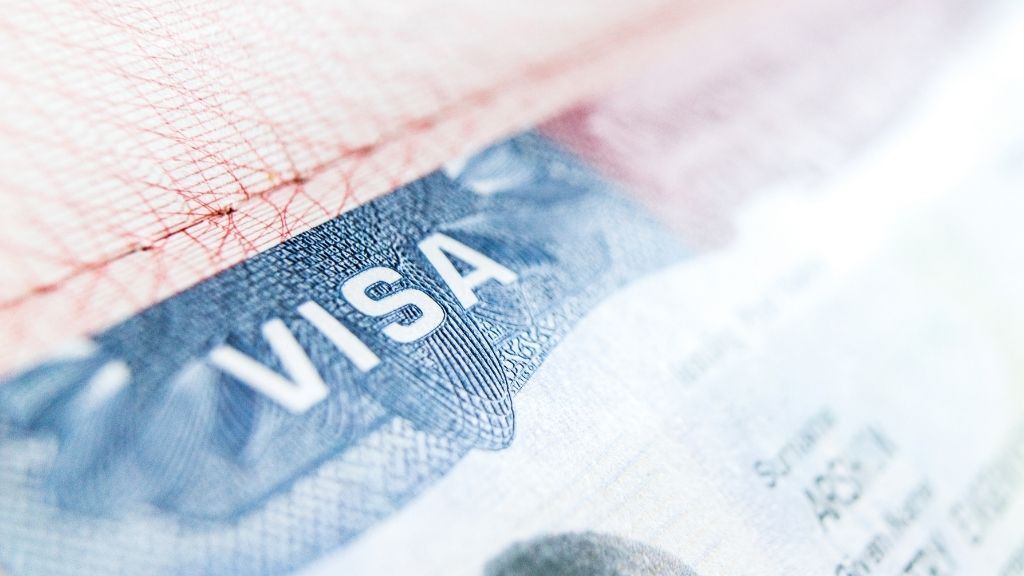
Washington DACA Lawyers
Deferred Action for Childhood Arrivals (DACA) gives people who came to the United States as children temporary protection from deportation and permission to work. It is not a visa and not a path to a green card by itself, and it has lived under court challenge for most of its existence. That makes careful renewals, clean records and a plan beyond DACA more important than ever.
The attorneys at Ritchie-Reiersen Injury & Immigration Attorneys help DACA recipients across Washington renew on time, apply for advance parole when it is available, respond to requests for evidence, and evaluate whether a more permanent option exists. Consultations are available in English and Spanish.
The Current State of DACA
DACA has been the subject of federal litigation since 2017. Renewals for people who already have or previously had DACA have continued to be accepted and processed throughout. The treatment of first-time (initial) requests has changed repeatedly under court orders, and eligibility for work authorization has been restricted in some states by those rulings. Because the rules can shift with a single court decision, we confirm the current status with you at the time of your consultation rather than relying on what was true last year.
DACA Eligibility Requirements
The basic requirements have not changed since the program began. To qualify you must show that you:
- Were under the age of 31 on June 15, 2012
- Came to the United States before your 16th birthday
- Have continuously resided in the United States since June 15, 2007
- Were physically present in the United States on June 15, 2012 and at the time of your request
- Had no lawful immigration status on June 15, 2012
- Are in school, have graduated or obtained a GED, or are an honorably discharged veteran
- Have not been convicted of a felony, a significant misdemeanor or three or more other misdemeanors, and do not pose a threat to public safety
Proving continuous residence back to 2007 is often the hardest part, especially for people who were young children at the time. School records, medical records, leases, pay stubs and sworn statements can fill the gaps. We help you assemble a record that holds up.
Renewing DACA
DACA and the accompanying work permit are granted for two years at a time. USCIS recommends filing a renewal 120 to 150 days before your current grant expires. Filing late risks a gap in work authorization and, if your DACA has been expired for more than a year, the request may be treated as an initial request rather than a renewal. A renewal is also the point at which USCIS reviews any new arrests or convictions, so if anything has happened since your last grant, talk to an attorney before you file, not after.
Advance Parole for DACA Recipients
DACA recipients may apply for advance parole, which is permission to travel abroad and return, for humanitarian, educational or employment reasons. A trip on advance parole can do more than reunite you with family. Returning on advance parole counts as a lawful entry, which may allow a DACA recipient who is married to a U.S. citizen, or who has another immediate relative petition, to apply for a green card inside the United States through adjustment of status. This strategy has specific risks, including the possibility of being denied reentry, and it is not right for everyone. We evaluate your full history before recommending travel.
Criminal Issues and DACA
DACA has stricter criminal bars than many other immigration benefits. A single significant misdemeanor, which includes domestic violence, DUI, drug distribution, burglary, unlawful possession of a firearm and any offense with a sentence of more than 90 days, can end eligibility. If you are facing charges, your criminal defense attorney and your immigration attorney need to work together before any plea. We regularly consult with defense counsel on the immigration consequences of charges in Washington courts.
Planning Beyond DACA
Because DACA offers no path to permanent residence, every recipient should know whether another option exists. Depending on your circumstances, that could be a family petition after a lawful entry on advance parole, a U visa if you were the victim of a crime, VAWA if you suffered abuse from a U.S. citizen or resident family member, asylum if conditions in your country have changed, or employment-based sponsorship. We review these with every DACA client so that your status does not depend on the next court ruling.
Why DACA Recipients Choose Ritchie-Reiersen
- Attorneys who practice immigration law exclusively and track the litigation that governs DACA
- Spanish-speaking attorneys and staff for you and your family
- Eleven offices across Washington, Oregon, Idaho and Arizona, plus phone and video consultations
- Straight answers about what DACA can and cannot do for you
Related Guides
Frequently Asked Questions
Is DACA still accepting applications?
Renewals continue to be accepted and processed. The handling of first-time requests has changed several times because of court orders and may differ based on where you live. Contact us for the current status before filing.
When should I file my DACA renewal?
USCIS recommends filing 120 to 150 days before your current DACA expires. Filing earlier than 150 days may cause USCIS to reject or hold the request, and filing late risks a gap in your work permit.
Can DACA lead to a green card?
Not on its own. Some DACA recipients qualify for a green card through a U.S. citizen spouse or parent, especially after a lawful entry on advance parole, or through another category such as a U visa or VAWA. An attorney can tell you whether any of these apply to you.
Can I travel outside the United States with DACA?
Only with advance parole approved in advance by USCIS, and only for humanitarian, educational or employment purposes. Leaving without advance parole ends your DACA and can trigger bars to returning.
What happens if I get arrested while I have DACA?
An arrest alone does not automatically end DACA, but USCIS can terminate it, and certain convictions make you ineligible to renew. Speak with an immigration attorney before accepting any plea, even to a charge that sounds minor.
Our Immigration Attorneys

Stephen Brown
Stephen (Steve) Brown has practiced immigration law exclusively throughout his career, with experience in the Seattle and Tacoma Immigration Courts and before USCIS in Seattle and Yakima. He is fluent in Spanish, holds a J.D. from Seattle University School of Law, and is a member of the American Immigration Lawyers Association (AILA).
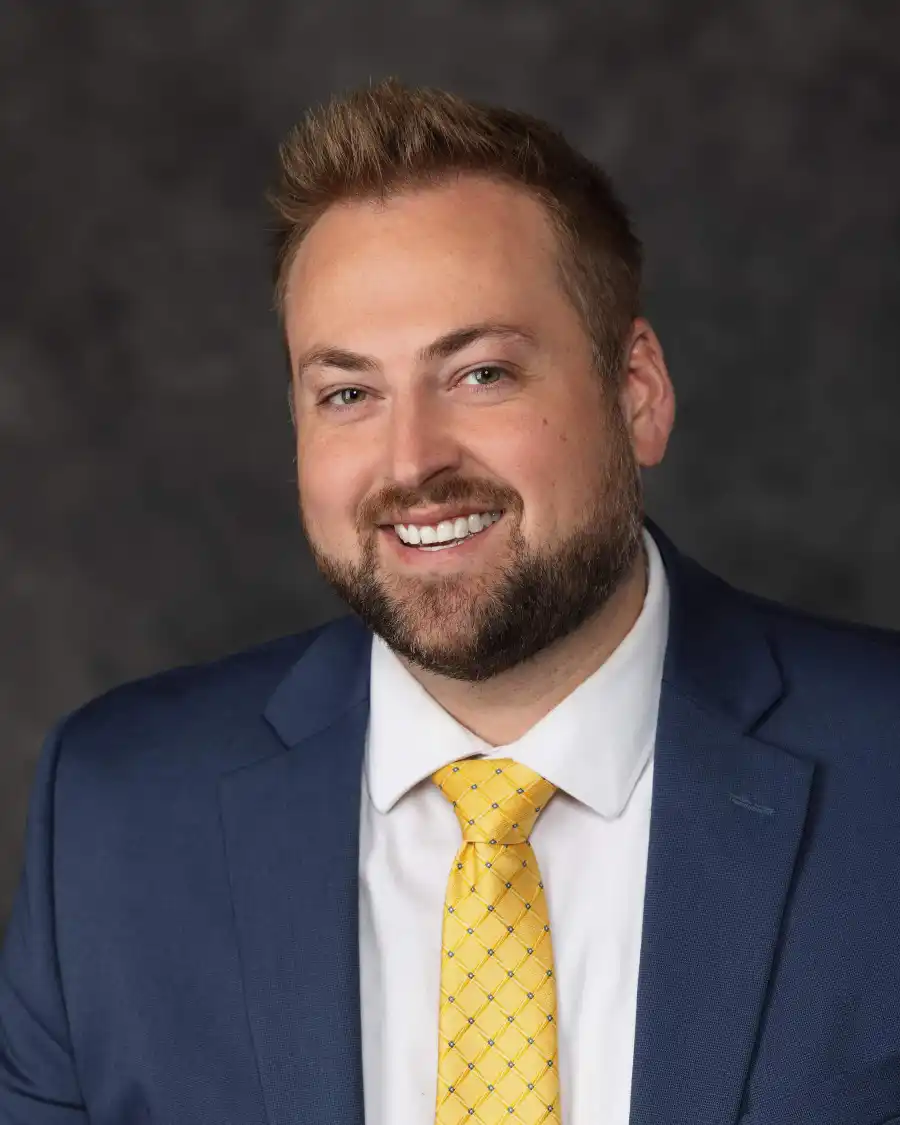
Shane Crager
Shane Crager has worked solely as an immigration attorney, focusing on family-based cases, U visas, deportation defense, asylum and naturalization. He is fluent in English and Spanish and holds a J.D. from Marquette University Law School.
Attorney Eric Reiersen, also fluent in Spanish, practices immigration law alongside the team. Every consultation is available in English or Spanish.
We meet clients at our offices in Kennewick, Tacoma, Auburn, Yakima, Moses Lake, Everett, Spokane, Wenatchee, Portland, OR, Twin Falls, ID, Mesa, AZ. Phone and video consultations are available throughout Washington, Oregon, Idaho and Arizona.
Talk to an Immigration Lawyer
Call (888) 884-7337 or send us a message to schedule a confidential consultation. Se habla español.









Get In Touch
Schedule a Free Legal Consultation With Us
If you or a loved one needs the assistance of a personal injury or immigration attorney, don’t hesitate to reach out. Ritchie-Reiersen Injury & Immigration Attorneys can help you with their extensive experience.
- Proven results
- Years of courtroom experience
- No upfront costs for injury clients
- We are available 24/7 for clients