Preparing for the naturalization process requires gathering accurate documentation that demonstrates your eligibility for U.S. citizenship. Naturalization attorneys in Seattle often review several types of records to ensure every application is complete, consistent, and supported by the necessary evidence. Missing or inaccurate documents may lead to unnecessary delays, requests for additional information, or other complications during the review process. Understanding which records may be required before filing helps applicants stay organized while reducing avoidable mistakes. Taking time to prepare complete documentation often makes the naturalization process more efficient and less stressful.
Applying for U.S. citizenship represents an important milestone, and having experienced legal guidance can make the process easier to navigate. Ritchie-Reiersen helps individuals understand the documentation required for their naturalization applications while addressing questions that arise throughout the process. Our team carefully reviews every case to identify potential issues before paperwork is submitted, helping clients move forward with greater confidence. If you are preparing to apply for citizenship, call us at (206) 462-1883 to discuss your situation with our experienced legal team.
How Naturalization Attorneys in Seattle Can Help With Case Documentation
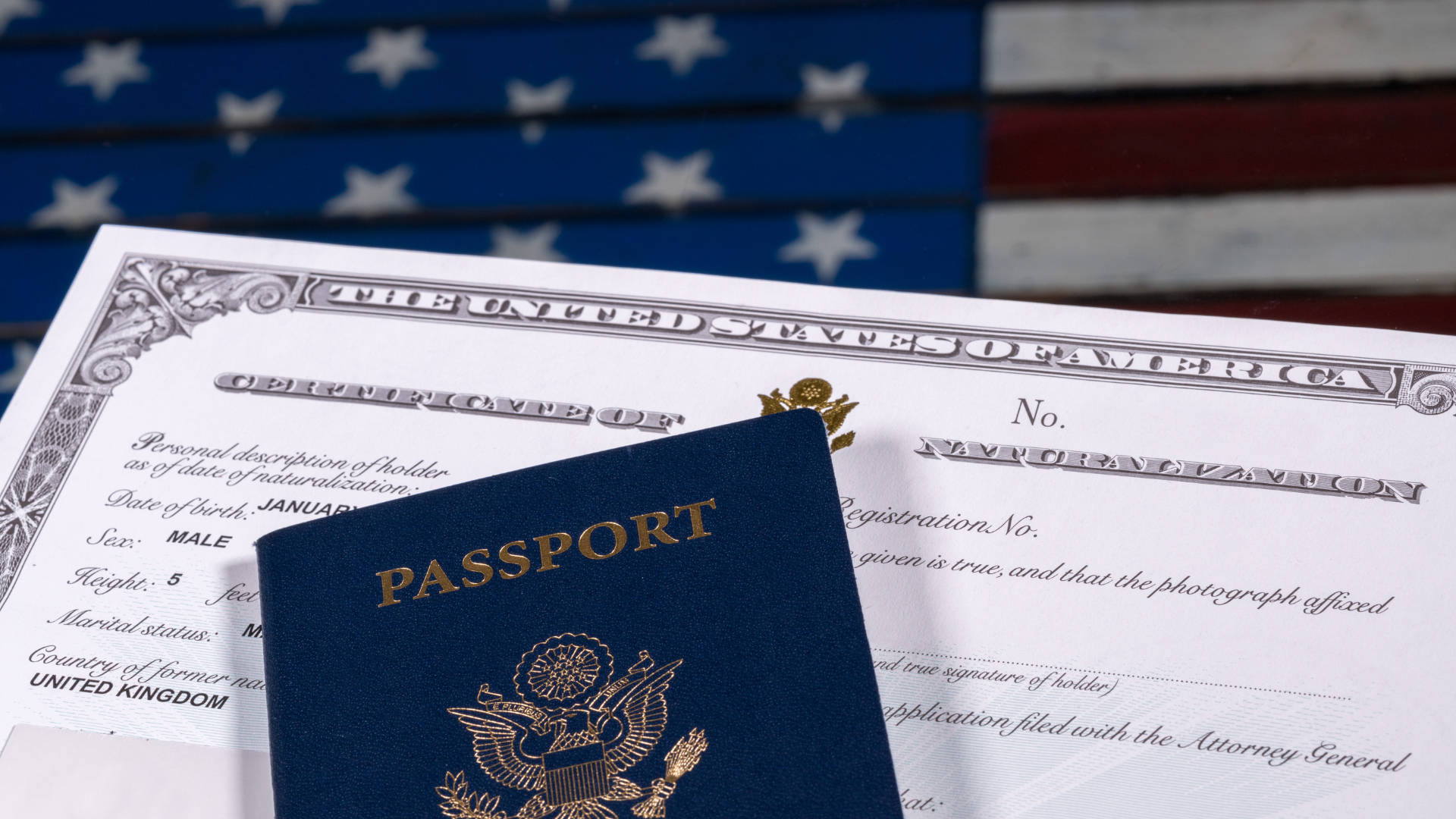
Ritchie-Reiersen helps clients work with naturalization attorneys in Seattle by reviewing documentation carefully and preparing applications supported by complete, accurate information. We examine immigration records, identity documents, travel history, and supporting evidence to help ensure every application satisfies USCIS requirements. We also identify missing information before filing, explain documentation requests clearly, and answer questions throughout every stage of the process. Our goal remains helping clients submit well-prepared applications while minimizing unnecessary delays caused by incomplete paperwork. Every case receives individualized attention because every applicant’s immigration history presents unique circumstances.
Preparing citizenship documentation often involves more than collecting paperwork from different sources. We work closely with our clients to organize records, verify important details, and address potential concerns before submitting an application. We also explain how different documents support eligibility while helping clients understand what additional evidence may become necessary. Throughout the process, we remain committed to providing responsive communication and personalized guidance that allows our clients to approach the naturalization process with confidence. Careful preparation often creates a stronger application from the very beginning.
Proof of Permanent Resident Status
Lawful permanent resident status forms the foundation of every naturalization application, making these records among the most important documents to gather. Applicants typically need documentation confirming they have maintained permanent resident status for the required period before applying for citizenship. Reviewing these records early helps identify inconsistencies that could delay the application process. Complete documentation also allows applicants to respond more efficiently if USCIS requests additional information. Organized records support a smoother review throughout the naturalization process.
Permanent Resident Cards
A valid Permanent Resident Card, commonly known as a Green Card, often serves as primary evidence of lawful permanent resident status. Applicants should ensure the information appearing on the card matches other documents included with the application. Reviewing expiration dates and personal information before filing also helps avoid preventable issues. Maintaining accurate records supports a more organized application package. Careful preparation reduces unnecessary complications later.
Keeping Copies of Important Records
Applicants should maintain copies of every immigration document submitted with a naturalization application. Organized records make responding to future USCIS requests much easier if additional documentation becomes necessary. Maintaining complete copies also provides valuable reference materials throughout the application process. Careful organization supports greater confidence during every stage of the case.
Identity and Personal Records
USCIS generally requires documents confirming an applicant’s identity and important personal information before approving a naturalization application. These records may include government-issued identification, birth certificates, marriage certificates, divorce decrees, or legal name change documents when applicable. Reviewing these records carefully helps ensure consistency across every part of the application. Matching information reduces unnecessary questions during the review process. Accurate documentation strengthens the overall application.
Marriage and Family Documentation
Applicants whose eligibility depends partly on marriage to a United States citizen may need additional supporting documentation. Marriage certificates, evidence of ongoing marital relationships, and related family records frequently become important during the review process. These documents help establish eligibility under applicable immigration laws. Complete records often simplify USCIS evaluations. Thorough preparation supports a stronger application.
Legal Name Changes
Individuals who have legally changed their names should include official court orders or other documentation explaining those changes. Consistent identification across every submitted record helps reduce confusion during application review. Verifying this information before filing also minimizes avoidable delays. Accurate documentation strengthens the overall application package.
Travel History and Continuous Residence
Travel outside the United States frequently becomes an important topic during the naturalization process because applicants must generally satisfy continuous residence and physical presence requirements. USCIS reviews travel history to determine whether extended absences may affect eligibility. Organizing travel records before filing allows applicants to provide accurate information throughout the application. Complete documentation also helps resolve questions involving previous international travel. Thorough preparation supports a smoother review process.
Passport and Travel Records
Applicants should gather passports, travel documents, and other records documenting trips taken outside the United States. These materials help verify travel dates while supporting the information included in the naturalization application. Accurate travel histories reduce inconsistencies that could delay processing. Organized documentation also simplifies responses to follow-up questions from USCIS. Maintaining complete travel records benefits applicants throughout the process.
Reviewing Travel Dates Carefully
Comparing passport stamps, airline records, and personal travel information helps applicants provide accurate timelines. Reviewing these details before filing reduces the likelihood of reporting incorrect travel dates. Consistent information strengthens the credibility of the application. Careful preparation often prevents unnecessary delays.
Employment and Tax Records
Employment history and tax compliance frequently become important considerations during the naturalization process. USCIS may review employment information alongside tax filings to evaluate eligibility and verify information provided in the application. Maintaining organized employment records helps applicants answer questions accurately. Complete documentation also demonstrates consistency across multiple sources of information. Careful recordkeeping supports a well-prepared application.
Tax Documentation
Applicants should maintain copies of tax returns and other financial records that may become relevant during the naturalization process. Accurate tax documentation helps verify compliance with federal obligations while supporting information included within the application. Reviewing these records before filing also allows applicants to identify potential issues requiring clarification. Organized financial documentation contributes to a stronger application. Complete records often simplify future requests from USCIS.
Maintaining Financial Records
Keeping organized copies of tax returns, payment records, and supporting financial documents helps applicants respond efficiently if additional information becomes necessary. Well-maintained records reduce unnecessary stress during the application process. Thorough organization also demonstrates responsible preparation. Complete documentation supports smoother case management.
Additional Supporting Documentation
Some applicants may need additional records depending on their individual circumstances and immigration history. Court records, military service documents, selective service information, or documentation explaining previous immigration matters may become necessary in certain cases. Reviewing these issues early allows applicants to gather appropriate evidence before filing. Comprehensive preparation reduces the likelihood of unexpected delays during USCIS review. Every applicant benefits from understanding which documents apply to their specific situation.
Responding to USCIS Requests
USCIS sometimes requests additional documentation after reviewing an application if clarification becomes necessary. Responding promptly with organized records helps maintain forward progress while demonstrating cooperation throughout the review process. Understanding these requests also allows applicants to provide complete responses without unnecessary confusion. Careful preparation often simplifies these situations. Organized documentation remains valuable throughout every stage of the naturalization process.
Staying Organized Throughout Your Case
Creating a dedicated file containing immigration records, correspondence, receipts, and supporting documents helps applicants manage their cases more efficiently. Organized records reduce the time needed to locate important information if questions arise later. Maintaining thorough documentation also supports greater confidence throughout the naturalization process. Good organization benefits every stage of a citizenship application.
What Documents Should You Gather Before Meeting Naturalization Attorneys in Seattle?
Preparing for your initial consultation with naturalization attorneys in Seattle allows you to make the most of your meeting while helping your attorney evaluate your case more efficiently. Bringing organized documentation gives your attorney a clearer understanding of your immigration history, eligibility, and any potential concerns that could affect the naturalization process. Although every applicant’s circumstances differ, gathering important records before the consultation often reduces delays and helps identify missing information early. Careful preparation also allows your attorney to answer questions more accurately while recommending the next appropriate steps. Taking time to organize your documents before the meeting often creates a smoother and more productive experience.
No two naturalization cases are exactly alike, which means the documents required for one applicant may differ from another. However, most consultations benefit from having identification documents, immigration records, travel information, employment history, and supporting family records readily available. Even if certain documents are unavailable, bringing as much information as possible allows your attorney to determine what additional records may be needed. Remaining organized throughout the process also makes responding to future USCIS requests much easier. Thorough preparation often lays the foundation for a stronger naturalization application.
Gather Your Immigration Documents First
Immigration records provide one of the most important starting points when evaluating eligibility for United States citizenship. These documents help establish your immigration history, lawful permanent resident status, and previous interactions with United States Citizenship and Immigration Services. Reviewing these materials before filing also helps identify inconsistencies that may require clarification. Complete immigration records allow your attorney to assess your case more thoroughly while identifying potential concerns before submitting an application. Organized documentation supports a more efficient legal review.
Bring Your Permanent Resident Card
Your Permanent Resident Card, commonly called a Green Card, confirms your lawful permanent resident status and serves as one of the primary documents reviewed during a naturalization consultation. Your attorney will typically compare the information appearing on the card with other immigration records to ensure consistency throughout the application. Reviewing expiration dates and personal information also helps identify issues that should be addressed before filing. Accurate documentation frequently reduces unnecessary delays later in the process. Keeping your Green Card readily available supports a productive initial consultation.
Make Copies Before Your Appointment
Creating clear copies of your Green Card and other immigration documents helps preserve your original records while making it easier to organize your case file. Copies also allow your attorney to review information without repeatedly handling original documents. Maintaining organized copies throughout the process simplifies future communications with USCIS. Good organization often saves valuable time during the preparation of your application.
Include Previous Immigration Notices
Many applicants receive correspondence from USCIS throughout their immigration journey, including approval notices, appointment notices, and prior application decisions. Bringing these documents helps your attorney understand your immigration history more completely. Previous notices may also explain issues that could affect your naturalization application. Organized immigration correspondence creates a more complete record of your case. Thorough documentation often improves legal analysis.
Keep USCIS Correspondence Together
Maintaining all USCIS notices in one organized folder makes locating important information much easier during your consultation. Organized correspondence also helps prevent important documents from being misplaced before filing. Reviewing these records together often provides a clearer understanding of your immigration history. Careful organization supports more efficient case preparation.
Organize Your Identity and Family Records
Identity documents help verify important personal information throughout the naturalization process. Applicants should review these records carefully to ensure names, dates, and other identifying information remain consistent across every document submitted with the application. Family records may also become important depending on the basis for eligibility and individual immigration history. Complete documentation allows your attorney to identify discrepancies before they create unnecessary complications. Organized records strengthen the overall application.
Collect Birth and Marriage Records
Birth certificates, marriage certificates, divorce decrees, and legal name change documents frequently become important supporting evidence during the naturalization process. These records help verify identity while explaining changes that may appear throughout your immigration history. Reviewing them before your consultation allows your attorney to determine whether additional documentation may be necessary. Complete family records often simplify the preparation of your application. Accurate documentation helps avoid preventable delays.
Verify Personal Information
Applicants should compare names, dates of birth, and other identifying information across every document before meeting with an attorney. Even small inconsistencies sometimes require additional explanation during the naturalization process. Correcting issues early often prevents unnecessary complications later. Careful review supports a stronger application.
Bring Government-Issued Identification
Government-issued identification, such as a driver’s license or state identification card, helps confirm your current identity and residence. These documents frequently accompany other records during the naturalization process. Providing current identification also allows your attorney to verify important personal information before preparing your application. Accurate identification supports a more organized consultation. Complete documentation helps streamline future filings.
Keep Identification Current
Applicants should review expiration dates and personal information appearing on every identification document before attending their consultation. Updating outdated records early may prevent unnecessary questions later in the process. Current identification supports greater consistency throughout the application. Organized preparation benefits every stage of your case.
Prepare Your Travel History
International travel frequently becomes an important topic during the naturalization process because applicants generally must satisfy continuous residence and physical presence requirements. Bringing organized travel information helps your attorney evaluate whether previous trips could affect eligibility. Accurate travel records also reduce the likelihood of reporting incorrect dates on your application. Preparing this information before the consultation often saves valuable time later. Complete travel documentation supports a more accurate application.
Gather Passports and Travel Records
Current and expired passports frequently provide valuable information regarding travel dates and international trips. Airline itineraries, entry records, and other travel documentation may also help confirm time spent outside the United States. Reviewing these materials carefully creates a more complete travel history. Organized records help answer USCIS questions more efficiently. Accurate information strengthens the naturalization application.
Review International Travel Carefully
Applicants should compare passport stamps, travel itineraries, and personal records before listing travel dates on their applications. Careful review reduces the possibility of inaccurate reporting that may require future clarification. Consistent information supports the credibility of your application. Thorough preparation often simplifies USCIS review.
Document Extended Absences
Long trips outside the United States may require additional discussion during your consultation with an attorney. Providing accurate information regarding extended travel allows your attorney to evaluate whether continuous residence requirements remain satisfied. Supporting documentation may also explain the reasons for longer absences when necessary. Honest and complete information benefits the legal review. Early preparation helps address concerns before filing.
Organize Travel Chronologically
Creating a chronological list of international trips often makes reviewing your travel history much easier. Organized timelines also help identify missing dates or supporting documentation before preparing the application. Clear records improve communication throughout the naturalization process. Careful organization supports accurate reporting.
Gather Employment and Financial Information
Employment and financial records frequently help verify important information included in a naturalization application. Maintaining organized records allows your attorney to review employment history alongside tax documentation for consistency. Complete financial records also demonstrate responsible preparation before filing. Organizing these materials before your consultation often saves time during the application process. Thorough documentation strengthens your overall case.
Bring Recent Tax Returns
Federal tax returns frequently become important supporting documents during the naturalization process. These records help verify compliance with tax obligations while supporting information included within your application. Reviewing tax documentation before your consultation also allows your attorney to identify potential issues requiring clarification. Complete financial records often strengthen the overall application. Organized documentation benefits future USCIS review.
Keep Financial Records Accessible
Maintaining organized copies of tax returns and related financial documents makes responding to future requests much easier. Accessible records also simplify discussions during your consultation with an attorney. Thorough organization demonstrates careful preparation throughout the naturalization process. Good recordkeeping supports a stronger application.
Prepare Employment Information
Applicants should gather employment records that accurately reflect current and previous jobs when preparing for a naturalization consultation. Employment information helps verify important details appearing throughout the application. Reviewing this information before filing reduces inconsistencies between employment history and other supporting documents. Organized employment records contribute to a smoother application process. Careful preparation strengthens the accuracy of your case.
Review Employment Dates
Applicants should confirm employment dates before meeting with an attorney to ensure accurate reporting throughout the application. Consistent employment information reduces confusion during USCIS review. Organized records also simplify future updates if additional information becomes necessary. Accurate documentation supports a stronger naturalization application.
Create an Organized File Before Your Consultation
Organizing every important document before meeting with an attorney allows the consultation to focus on legal strategy rather than locating paperwork. Well-organized records also make it easier to identify missing documents before beginning the naturalization process. Bringing documents in clearly labeled folders or categories improves efficiency while reducing unnecessary stress. Careful preparation demonstrates a proactive approach that benefits both the applicant and the attorney. Staying organized from the beginning often creates a smoother experience throughout the entire citizenship process.
Separate Documents by Category
Grouping immigration records, identification documents, travel information, financial records, and family documents into separate sections makes every record easier to locate during your consultation. Organized files also reduce the likelihood of overlooking important supporting evidence. Clear organization improves communication while simplifying case preparation. Careful planning benefits every stage of the naturalization process.
Update Your File Regularly
Adding newly received USCIS notices, updated identification, and additional supporting documentation to your file keeps your records complete throughout the application process. Reviewing your file regularly also helps identify missing information before important deadlines arrive. Organized documentation supports efficient communication and informed decision-making. Consistent recordkeeping helps create a stronger naturalization application.
Contact Experienced Naturalization Attorneys in Seattle Today

Preparing a successful naturalization application often begins with careful planning, complete documentation, and a clear understanding of the legal requirements involved. At Ritchie-Reiersen, we understand how important this process is for individuals and families seeking to become United States citizens. We work closely with our clients to review documentation, explain every step of the application process, and identify potential issues before they become unnecessary obstacles. Our team remains committed to providing personalized legal guidance while helping clients prepare strong, well-organized citizenship applications. Throughout every stage of the process, we focus on protecting our clients’ interests while helping them move toward their immigration goals with confidence.
Every naturalization case deserves careful attention, responsive communication, and experienced legal guidance tailored to the applicant’s individual circumstances. We take time to answer questions, explain documentation requirements, and help our clients understand what to expect throughout the naturalization process. Our team remains dedicated to providing dependable representation while helping clients navigate every stage of their citizenship journey. We believe thorough preparation often creates stronger applications and greater peace of mind for those pursuing United States citizenship. Call us at (206) 462-1883 or reach out online today to schedule a consultation with our team.