
Pedestrian Accident Lawyers in Portland
Getting hit by a vehicle while walking can change everything in a matter of seconds, leaving you dealing with injuries that require immediate attention and a long-term recovery process. Hospital visits, follow-up care, and time away from work create pressure that builds over time. Pedestrian accident lawyers in Portland look closely at how the crash happened by breaking down driver actions, road conditions, and right-of-way rules under Oregon law. Those details matter because fault depends on showing the driver failed to act with reasonable care in a situation where a pedestrian had priority.
Attorneys work to secure evidence such as police reports, witness statements, and medical records that explain both how the collision occurred and how it affected you. Oregon law allows injured pedestrians to pursue compensation when a driver’s negligence leads to harm, yet the strength of the claim depends on how clearly each piece of evidence connects. Call Ritchie-Reiersen Injury & Immigration Attorneys at (888) 884-7337 to speak with our pedestrian accident attorneys in Portland today and learn how we can help you.
How Pedestrian Accident Attorneys in Portland Determine Right-of-Way Violations
Right-of-way rules in Oregon define when a pedestrian has priority, yet applying those rules to a real collision requires careful analysis of timing, positioning, and driver response. Pedestrian accident attorneys in Portland examine where the pedestrian was located, how traffic signals were functioning, and whether the driver had a legal obligation to yield at that moment. These cases often turn on small details such as crossing distance, lane position, and whether the pedestrian had already entered the roadway before the vehicle approached. Drivers are expected to remain alert and adjust speed when pedestrians are present, especially near intersections and marked crossings. Establishing how these factors interact helps determine whether the driver failed to follow the required right-of-way laws. Ritchie-Reiersen Injury & Immigration Attorneys helps evaluate who is at fault and pursues accountability and compensation.
Disputes over right of way frequently arise because drivers claim the pedestrian entered the roadway unexpectedly or outside a designated crossing area. Pedestrian accident lawyers in Portland counter these arguments by gathering evidence that shows visibility conditions, vehicle speed, and reaction time leading up to the impact. Oregon law does not automatically remove protection from pedestrians simply because they were not in a crosswalk, which makes context critical in these evaluations. Investigating the full sequence of events allows attorneys to show whether the driver had a reasonable opportunity to avoid the collision. A well-documented analysis connects driver behavior directly to the violation that caused the injury.

Traffic Signals and Controlled Intersections
Traffic signals play a central role in determining right of way, yet their interpretation depends on how both the driver and pedestrian respond to the signal cycle. Pedestrian accident attorneys in Portland review signal timing, walk indicators, and vehicle light phases to establish who had the legal right to proceed. Even when a pedestrian begins crossing with a proper signal, drivers must yield and allow enough time to complete the crossing safely. Collisions at intersections often involve drivers turning through crosswalks without accounting for pedestrians already in motion. Evaluating signal behavior alongside movement patterns helps clarify whether the driver ignored a clear obligation to yield.
Signal Timing and Driver Response
Signal timing determines how long pedestrians have to cross and when vehicles are permitted to move through an intersection. Drivers must observe these signals while also maintaining awareness of pedestrians who may still be crossing as the lights change. Attorneys analyze whether the driver accelerated prematurely or failed to adjust when the crossing remained occupied.
When Signal Changes Still Require Yielding
A changing traffic light does not eliminate a driver’s duty to yield to a pedestrian already in the roadway. Drivers must allow pedestrians to complete their crossing even after the signal shifts. Failing to recognize this obligation often leads directly to preventable collisions.
Crosswalk Positioning and Pedestrian Presence
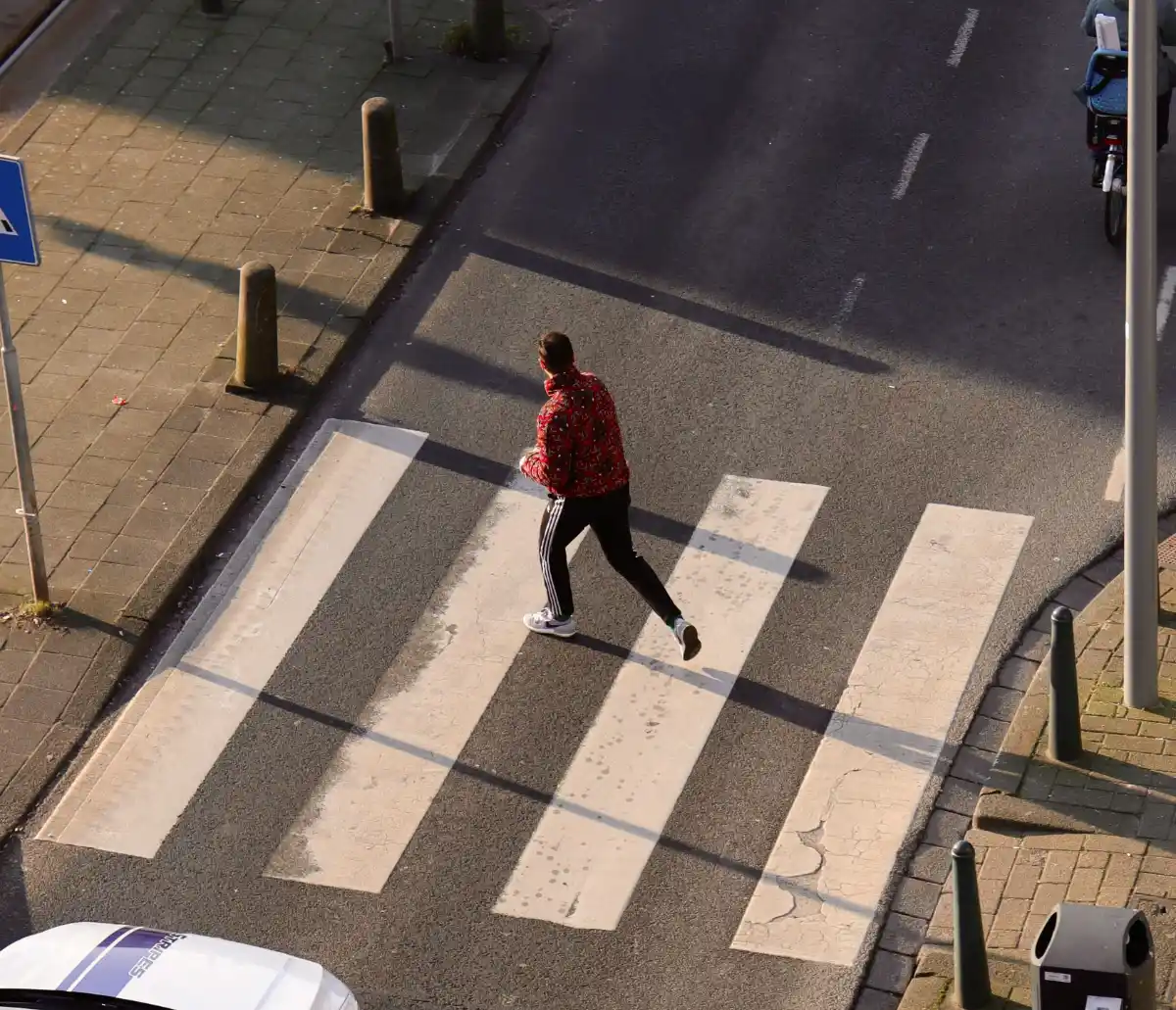
The location of the pedestrian within the roadway significantly affects how right-of-way is determined under Oregon law. Attorneys assess whether the pedestrian was within a marked crosswalk, an unmarked intersection crossing, or another area where pedestrian travel is expected. Drivers must yield when a pedestrian is occupying any portion of the lane they are entering or approaching. Many collisions occur when drivers focus only on traffic flow and fail to account for pedestrians already in their path. Establishing where the pedestrian was positioned at the time of impact helps clarify legal responsibility.
Evaluating Lane Occupancy at Impact
Lane occupancy analysis focuses on whether the pedestrian had already established a presence in the roadway before the vehicle entered the same space. Drivers must adjust speed and direction when a pedestrian occupies or is about to occupy their lane. Pedestrian accident lawyers in Portland use this analysis to show that the driver failed to respond to a visible hazard.
Why Positioning Influences Liability Outcomes
A pedestrian’s position determines how clearly the driver should have recognized the need to yield. Greater visibility and an established presence increase the expectation of driver response. These factors directly influence how fault is assigned.
Driver Awareness and Reaction Time
Right-of-way violations frequently involve a failure to observe or respond to conditions that should have been apparent to a reasonably attentive driver. Pedestrian accident lawyers in Portland evaluate whether the driver maintained proper lookout, adjusted speed, and reacted within a reasonable timeframe before impact. Factors such as distraction, speed, and lighting conditions influence how quickly a driver can respond to a pedestrian. Even brief lapses in attention can eliminate the opportunity to avoid a collision. Understanding how awareness and reaction time interact helps establish whether the driver acted negligently.
Identifying Delayed or Inadequate Response
Delayed braking, failure to swerve, or lack of any evasive action may indicate that the driver did not recognize the pedestrian in time. These indicators help show that the driver was not maintaining proper attention to the roadway. Attorneys use this evidence to demonstrate a breakdown in driver responsibility.
How Reaction Failures Establish Negligence
Inadequate reaction shows that the driver failed to respond to a foreseeable hazard. Drivers are expected to anticipate pedestrian presence and adjust accordingly. When that expectation is not met, liability becomes easier to establish.
Conditions Affecting Visibility and Control
Environmental and roadway conditions influence how easily a driver can detect and respond to a pedestrian, yet they do not eliminate the duty to yield. Pedestrian accident lawyers in Portland examine lighting, weather, and road design to determine how these factors affected visibility and vehicle control. Drivers must adapt to conditions by reducing speed and increasing attention when visibility is limited. Collisions that occur in low light or adverse weather often involve a failure to adjust driving behavior appropriately. Evaluating these conditions helps determine whether the driver met their obligation to operate safely.
Environmental Factors and Driving Responsibility
Conditions such as rain, darkness, or glare can reduce visibility, requiring drivers to exercise greater caution. Drivers who fail to adjust speed or remain attentive increase the risk of missing pedestrians in their path. Attorneys use these conditions to show that the driver did not adapt as required.
Why Conditions Do Not Eliminate Liability
External conditions may complicate visibility, but they do not remove a driver’s responsibility to operate safely. Drivers must adjust their behavior to account for those conditions at all times. Failure to do so reinforces liability for resulting injuries.
How Pedestrian Accident Lawyers in Portland Evaluate Injury Severity and Long-Term Impact
Injury severity in pedestrian collisions depends on more than the initial diagnosis, since the body absorbs direct force that can affect multiple systems at once, including bones, soft tissue, and neurological function. Portland attorneys analyze how the injury presents immediately after impact and how it evolves through each stage of treatment, because early symptoms do not always reflect the full extent of damage. Medical providers document fractures, internal injuries, and trauma patterns that indicate how the collision occurred and how much force was involved. These findings become critical when insurers attempt to minimize claims by focusing only on early treatment notes. Establishing severity requires connecting initial trauma to the broader medical picture that develops over time.
Long-term impact involves understanding how injuries affect mobility, independence, and the ability to maintain a consistent income throughout recovery. Pedestrian accident attorneys in Portland review treatment plans, specialist evaluations, and rehabilitation progress to determine whether limitations are temporary or permanent. Changes in physical capacity, pain levels, and daily function often reveal that recovery extends far beyond the initial medical phase. These developments influence how compensation is calculated, especially when injuries prevent a return to prior work or routine activities. A detailed evaluation ensures that both immediate harm and lasting consequences are fully accounted for.
Medical Progression and Ongoing Treatment Needs
Injuries from pedestrian accidents rarely remain static, as symptoms may worsen or new complications emerge during recovery. Pedestrian accident attorneys in Portland track how treatment evolves, including surgeries, physical therapy, and follow-up care required to address lingering damage. Medical records often reveal that initial diagnoses underestimate the full scope of injury, especially when swelling or delayed symptoms mask underlying conditions. Continued treatment helps demonstrate that the injury requires sustained medical attention rather than short-term care. This progression supports claims that reflect the true extent of physical harm.
Tracking Changes Through Medical Records
Medical documentation provides a timeline that shows how the injury develops from initial diagnosis to later treatment stages. Each update reflects changes in symptoms, recovery progress, and future care needs. Lawyers use these records to establish continuity between the collision and ongoing medical issues.
Why Ongoing Care Increases Claim Value
Extended treatment indicates that the injury has lasting effects beyond the initial phase. Additional care increases both medical costs and recovery time. These factors directly influence the overall value of the claim.
Physical Limitations and Functional Loss
Pedestrian injuries frequently affect the ability to move, lift, or perform routine tasks, especially when lower extremities or the spine are involved. Pedestrian accident attorneys in Portland evaluate how these limitations interfere with daily activities such as walking, standing, or maintaining balance. Functional loss may also affect coordination, strength, and endurance, which can limit independence over time. Medical assessments often measure range of motion and physical capacity to determine the extent of impairment. These limitations play a central role in determining long-term damages.
Assessing Reduced Mobility and Strength
Physical evaluations identify how injuries restrict movement and reduce overall capability. Reduced strength or mobility can prevent a return to normal routines or work demands. Pedestrian accident lawyers in Portland rely on these findings to demonstrate real-world impact.
How Functional Loss Affects Daily Life
Limitations can make basic activities more difficult and require ongoing assistance. Changes in mobility may alter how a person works, travels, or completes routine tasks. These effects contribute significantly to long-term compensation.
Financial Consequences and Income Disruption
Injuries from pedestrian accidents often lead to missed work, reduced hours, or an inability to return to prior employment. Lawyers examine employment records and medical restrictions to determine how the injury affects earning capacity. Lost income may begin immediately and continue as recovery progresses or limitations persist. Some individuals face long-term career changes due to physical restrictions or ongoing treatment needs. These financial consequences must be included when evaluating total damages.
Calculating Lost Income and Future Earnings
Income loss includes both wages already missed and potential future earnings affected by the injury. Documentation from employers and medical providers helps establish these losses. Pedestrian accident lawyers in Portland use this data to quantify financial impact.
Long-Term Effects on Career Stability
Career changes or reduced capacity can affect income over time. Ongoing limitations may prevent advancement or require different work. These long-term impacts increase the overall claim value.
Pain, Recovery, and Quality of Life Changes
The impact of a pedestrian injury extends beyond physical damage, as pain and recovery challenges can affect emotional well-being and daily experience. Pedestrian accident attorneys in Portland evaluate how ongoing discomfort, disrupted routines, and reduced independence influence overall quality of life. Recovery may involve setbacks that prolong healing and create additional stress. These factors are documented through medical reports and personal accounts that show how life has changed after the collision. Recognizing these effects ensures the claim reflects the full scope of harm.
Evaluating Pain and Daily Disruption
Pain levels and recovery challenges influence how a person functions each day. Persistent discomfort can limit activity and reduce overall well-being. Portland lawyers use this information to support non-economic damages.
Why Quality of Life Matters in Compensation
Changes in daily experience reflect the broader impact of the injury. Reduced independence and ongoing discomfort affect long-term well-being. These factors play a key role in determining fair compensation.
How Ritchie-Reiersen Injury & Immigration Attorneys Structures Pedestrian Accident Cases in Portland
Every pedestrian collision is broken down into a sequence of measurable events, including vehicle speed, braking distance, pedestrian position, and the driver’s line of sight at the moment leading up to impact. Ritchie-Reiersen Injury & Immigration Attorneys reconstructs these elements using police reports, roadway design data, and witness accounts to determine exactly where the driver failed to yield or respond. Pedestrian accident lawyers in Portland within the firm examine how traffic flow, intersection layout, and signal timing influenced the driver’s ability to recognize and react to a pedestrian in the roadway. This reconstruction isolates the precise moment where reasonable driving behavior would have prevented the collision. Establishing that point of failure creates a direct connection between the driver’s conduct and the resulting injury.
Case development then shifts toward integrating medical evidence with the physical mechanics of the crash to demonstrate how the impact translated into specific injuries. Ritchie-Reiersen Injury & Immigration Attorneys evaluates fracture patterns, impact points, and treatment progression to show how the body absorbed force during the collision. Medical records, imaging results, and specialist evaluations are aligned with the collision sequence to establish causation without relying on assumptions. This process ensures that every injury is traced back to a specific aspect of the crash, such as vehicle angle, speed, or point of contact. Linking these elements prevents insurers from separating injuries from the event that caused them.

Building the Case Timeline From Impact Through Recovery
A structured timeline connects the moment of impact to each stage of treatment, allowing the case to show how injuries develop over time rather than appearing as isolated medical events. Ritchie-Reiersen Injury & Immigration Attorneys compiles emergency records, follow-up care, and rehabilitation updates into a continuous sequence that reflects how the injury progressed. Each stage of that timeline identifies changes in symptoms, treatment requirements, and physical limitations that emerged after the collision. This approach prevents gaps that could allow opposing parties to question when or how complications developed. A complete timeline keeps the entire claim anchored to a consistent progression of documented events.
Coordinating Evidence Across Each Stage
Medical records, imaging reports, and provider notes must align with the accident timeline to maintain consistency throughout the claim. Discrepancies between these sources can be used to challenge both liability and injury severity. Ritchie-Reiersen Injury & Immigration Attorneys reviews each record to ensure that descriptions of the injury match the mechanics of the collision.
Maintaining Continuity Throughout the Claim
Each medical update must clearly connect to earlier findings to show that the injury developed from the original impact. Breaks in documentation can create opportunities for insurers to argue alternative causes. Consistent documentation reinforces that the injury progression remains tied to the collision.
Aligning Medical Evidence With Driver Conduct
Medical findings are analyzed alongside driver behavior to show how specific actions led to identifiable physical harm. Ritchie-Reiersen Injury & Immigration Attorneys examines how braking patterns, turning movements, and visibility conditions correspond to the injuries recorded in medical reports. For example, lower extremity fractures may indicate front bumper impact, while head injuries may reflect secondary contact with the ground or vehicle. These correlations allow the case to demonstrate how the collision unfolded without relying solely on witness accounts. Aligning physical evidence with medical findings creates a cohesive explanation of causation.
Linking Injury Patterns to Collision Mechanics
Injury location and severity often correspond to specific points of impact during the collision. Medical imaging can confirm how force was transferred through the body at the time of contact. Ritchie-Reiersen Injury & Immigration Attorneys uses these patterns to support conclusions about how the crash occurred.
Strengthening Causation Through Medical Detail
Detailed medical records establish how injuries developed immediately after the collision and during recovery. These records show how symptoms progressed and how treatment addressed specific damage. This level of detail supports a direct link between the crash and the injuries claimed.
Positioning Claims for Negotiation or Litigation
Case preparation includes organizing evidence in a way that allows it to be presented clearly during both settlement discussions and court proceedings. Ritchie-Reiersen Injury & Immigration Attorneys structures claims to include documented liability, medical progression, and financial impact supported by verifiable records. Demand packages are built using treatment costs, lost income documentation, and future care projections to present a complete picture of damages. This preparation ensures that each component of the claim can withstand challenges from opposing parties. A fully developed case allows for consistent presentation regardless of how the claim proceeds.
Presenting a Fully Supported Claim
A complete claim includes evidence of fault, detailed medical documentation, and a clear calculation of financial losses. Each element must be supported by records that align with the overall case timeline. Ritchie-Reiersen Injury & Immigration Attorneys ensures that all documentation is organized for direct presentation.
Preparing for Court When Necessary
Litigation preparation requires evidence to meet procedural standards and withstand examination in court. This includes verified records, consistent testimony, and clear documentation of damages. Preparing these elements in advance allows the case to move forward without delays if litigation becomes necessary.
Get a Free Case Review From Ritchie-Reiersen Injury & Immigration Attorneys Today
What you do after the accident directly affects how your injuries are documented, how fault is assigned, and how much of your financial loss can actually be recovered. Medical providers record early findings that become the center for your entire claim, while insurance companies begin building their position using whatever information is available first. Delays can result in missing scene evidence, incomplete medical connections, and gaps that allow opposing parties to challenge how the crash occurred or how serious the injuries became. Taking action early allows you to secure documentation that reflects the full sequence of events.
Ritchie-Reiersen Injury & Immigration Attorneys develops pedestrian accident claims by aligning crash reconstruction, medical progression, and financial impact into one consistent argument that supports each fact of the case. Our pedestrian accident lawyers in Portland examine how the driver’s actions, roadway conditions, and injury patterns connect so that liability and damages are presented together rather than treated separately. Medical records, wage loss documentation, and future care projections are organized to show how the collision continues affecting your life beyond the initial incident, which allows you to pursue long-term compensation as well. This approach ensures that your claim reflects measurable evidence instead of assumptions or incomplete narratives. Call us at (888) 884-7337 or visit the contact page to get a free consultation from our Portland pedestrian accident attorneys today.







Get In Touch
Schedule a Free Legal Consultation With Us
If you or a loved one needs the assistance of a personal injury or immigration attorney, don’t hesitate to reach out. Ritchie-Reiersen Injury & Immigration Attorneys can help you with their extensive experience.
- Proven results
- Years of courtroom experience
- No upfront costs for injury clients
- We are available 24/7 for clients