
Tacoma Child Injury Lawyer
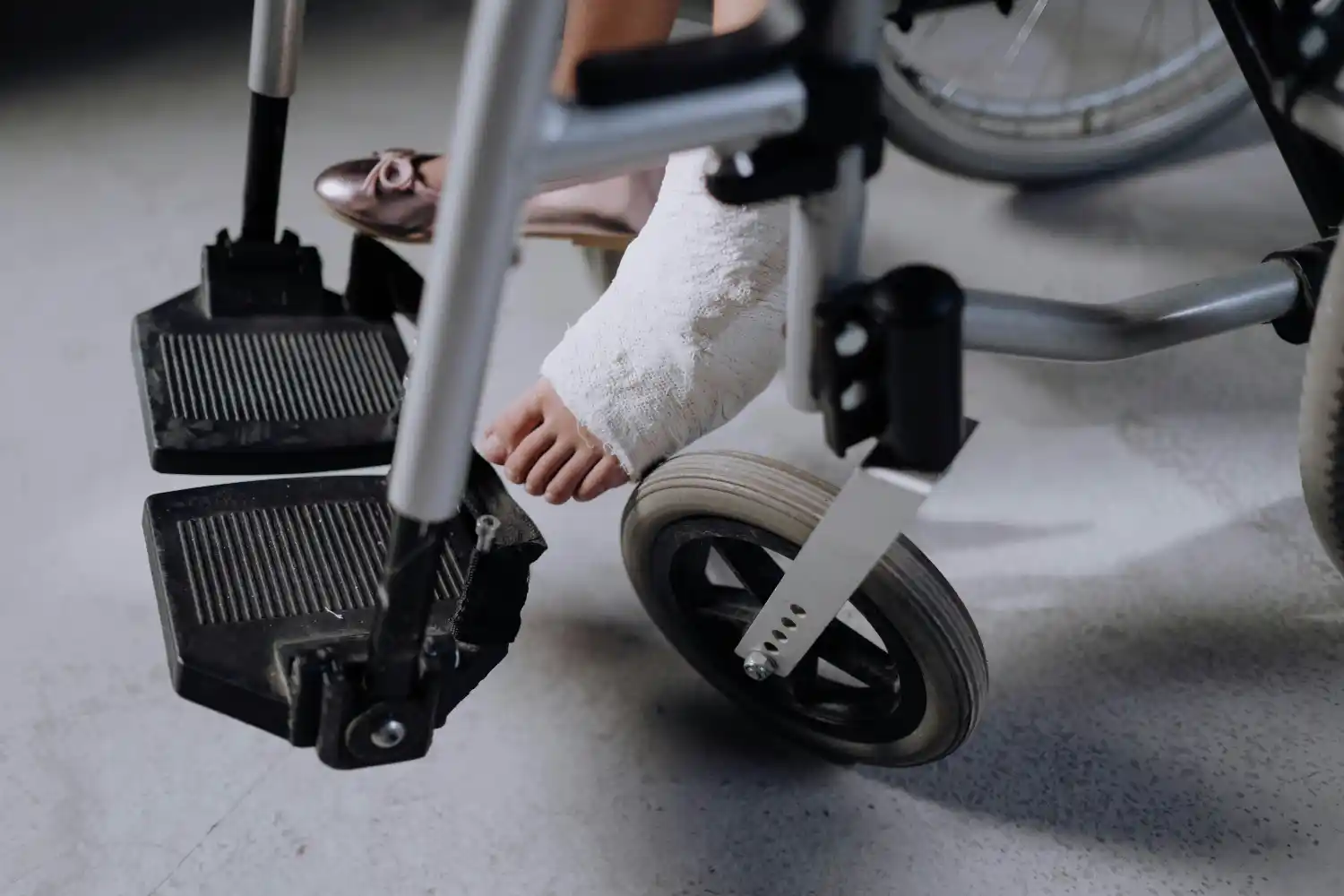
When a child is injured, the parents or guardians can face severe emotional hardship. The child’s recovery could also bring sudden and unexpected financial challenges. Children that are injured by negligent adults could be entitled to financial compensation. A seasoned injury attorney could help a family pursue these claims.
If your child was injured, they could be entitled to a monetary award. This is true whether the injuries stem from a dangerous hazard like an abandoned pool or from a motor vehicle accident. An experienced Tacoma child injury lawyer could pursue legal action under any of these scenarios.
How Child Injuries Happen
Children can be injured in a variety of ways. Often, these injuries result from the same factors that lead to harm among adults. When child injuries happen, a qualified Tacoma attorney might be able to help. Some of the situations that frequently result in serious physical injuries to children include:
- Car accidents
- Swimming pool accidents
- Bicycle accidents
- Sports accidents
- Falls
Children are more prone to injury than most adults for a number of reasons. The bone structure of a small child has not yet fully developed, which increases the odds of a serious injury. Children also lack the decision-making skills of adults, which could lead them to suffer an injury when putting themselves in dangerous circumstances.
Compensation for a Child Injury
When a child is injured through no fault of their own, they could be entitled to financial recovery. Often, serious injuries can have lasting consequences for a child. Some injuries could impact their ability to care for themselves or earn a living as an adult.
A monetary award cannot completely undo the hardship an injured child faces. However, compensation could provide them with the medical care they need as well as improve their quality of life. Some of the types of damages that could be available to an injured child include:
- Past and future medical expenses
- Disability
- Disfigurement
- Diminished future earnings
- Pain and suffering
- Mental anguish
Determining what a child’s injury case is worth can be difficult, as it involves estimating what their future needs might include. A dedicated Tacoma child injury attorney could provide context for the current and future needs of a child.
The Attractive Nuisance Doctrine
The law recognizes that children in Tacoma require special protection from dangerous hazards. For that reason, state law has adopted something referred to as the “attractive nuisance” doctrine. Under this doctrine, property owners in Washington have a duty to prevent children from being injured on their property due to a dangerous hazard. This burden is in place even if the child was trespassing.
The attractive nuisance doctrine could apply to any hazard that is likely to draw the attention of a minor child. For example, this doctrine is often used when injuries occur in empty swimming pools, dangerous equipment, or abandoned wells. The property owner has an obligation to prevent children from entering the property and suffering an injury. However, when these injuries happen, a child accident lawyer in Tacoma could pursue financial payments from the property owner.
How Child Injury Lawyers in Tacoma Break Down the Events Leading to Injury
Understanding how a child’s injury occurred requires more than looking at the final outcome, since the cause is usually tied to a sequence of events that developed over time. Child injury lawyers in Tacoma begin by examining what was happening before the incident, including supervision, environment, and any conditions that may have contributed to the risk. Each moment leading up to the injury is reviewed to identify how the situation changed and whether warning signs were present. This process focuses on how actions, decisions, or lack of attention influenced what ultimately happened. Looking at the full sequence helps avoid relying on assumptions or incomplete explanations. Ritchie-Reiersen Injury & Immigration Attorneys works ot create a clear understanding of how the injury happened and determines responsibility through that.
Reconstructing events also involves comparing what occurred to what should have been done under similar circumstances. Child injury attorneys in Tacoma review witness accounts, incident reports, and physical evidence to determine how the situation unfolded in real time. Differences between expected behavior and actual actions can reveal where responsibility may exist. Timing, supervision, and environmental factors are all considered together rather than separately. Each detail is placed within a broader context to show how one step led to the next. This structured analysis helps explain how the injury resulted from specific circumstances rather than chance.

Examining What Happened Before the Incident
Events leading to an injury often begin with conditions or actions that create risk before anything actually happens. Child injury lawyers in Tacoma review what was taking place in the environment, including supervision levels, activity type, and potential hazards. Understanding these early conditions helps explain how the situation became unsafe over time. Small changes in attention, environment, or behavior can increase the likelihood of injury if they are not addressed. Each factor is evaluated to determine whether it contributed to the outcome. This step establishes how the situation developed before the incident occurred.
Identifying Conditions That Increased Risk
Certain conditions can make injuries more likely, especially when they are not recognized or addressed in time. These may include unsafe environments, lack of supervision, or situations where risks were not properly managed. Identifying these conditions helps show how the environment contributed to the injury.
How Early Conditions Influence Outcomes
Conditions present before the incident can shape how events unfold and whether injury becomes likely. When risks are not addressed, they can lead directly to harmful situations. This connection helps explain how early factors influenced the outcome.
Reconstructing the Sequence of Events
Breaking down the exact sequence of events provides a clearer view of how the injury occurred in real time. Child injury attorneys in Tacoma organize information to show what happened step by step from the beginning of the incident to the moment of injury. This includes reviewing timelines, actions taken, and how quickly responses occurred. Each step is analyzed to determine whether it followed expected behavior under similar circumstances. Understanding this sequence helps identify where the process shifted in a way that led to harm. This structured reconstruction explains how the incident developed.
Organizing Events in Chronological Order
Placing events in order helps show how one action led to another during the incident. This structure makes it easier to identify gaps, delays, or unexpected changes. It also helps clarify how the situation progressed.
How Sequence Clarifies Responsibility
A clear sequence shows how decisions and actions contributed to the final outcome. It connects each step to what follows in a logical way. This helps determine where responsibility may lie.
Evaluating Supervision and Response
Supervision and response play a key role in preventing injuries or reducing their severity when risks arise. Child injury attorneys in Tacoma examine whether those responsible were attentive and able to respond to changing conditions. The level of supervision expected depends on the child’s age, activity, and environment. Delayed or inadequate responses can allow situations to escalate quickly. This evaluation focuses on whether reasonable care was provided throughout the incident. It helps determine whether supervision or response contributed to the injury.
Reviewing Actions Taken During the Incident
Actions taken during the incident can influence how the situation develops and whether harm is prevented. These actions include monitoring, intervention, and response to risk. Reviewing them helps show whether proper care was provided.
How Response Affects the Outcome
The way someone responds to risk can change the severity of an injury or prevent it entirely. Delayed or ineffective responses can allow harm to occur. This connection helps explain how the response influenced the result.
Connecting Events to the Resulting Injury
The final step involves linking the sequence of events to the injury itself in a way that clearly shows cause and effect. Child injury attorneys in Tacoma evaluate how each factor contributed to the outcome and whether the injury could have been prevented. This includes examining how conditions, actions, and timing combined to create the situation. Each element is connected to the final result to show how the injury occurred. This approach avoids relying on isolated details and instead focuses on the full picture. It provides a clear explanation of how the events led to the injury.
Linking Actions and Conditions to Harm
Each action and condition is analyzed to determine how it contributed to the injury. This helps show whether the outcome was preventable. Connecting these elements strengthens the explanation of what happened.
How Cause and Effect Are Established
Establishing cause and effect requires showing how each step led to the next in a clear way. This connection explains how the injury developed from the events. It helps support a complete understanding of responsibility.
How Child Injury Lawyers in Tacoma Assess Long-Term Effects on Growth and Routine
The effects of a child’s injury can change over time, especially as development continues and new demands are placed on the body and mind. Child injury lawyers in Tacoma focus on how the condition evolves rather than relying only on the initial diagnosis or early treatment results. Medical records, follow-up care, and specialist evaluations are reviewed to understand whether the child is improving, stabilizing, or facing new challenges. Some limitations may not become clear until later stages when growth or activity levels increase. Tracking these changes helps show how the injury continues to affect development beyond the early stages. This approach connects the original incident to how the child’s condition progresses over time.
Evaluating long-term effects also involves looking at how the injury fits into the child’s daily routine and overall lifestyle. Attorneys examine how physical ability, learning, and behavior may be influenced as the child returns to normal activities. Changes in participation, independence, or performance can reveal impacts that are not immediately visible in medical reports. These factors are documented through school records, therapy updates, and ongoing observations. Each detail is connected back to the injury to show how it affects real-life situations. This process ensures the case reflects both current challenges and future implications.
Changes in Physical Ability and Development
Physical development can be affected when injuries interfere with strength, coordination, or growth during key stages of childhood. Attorneys review how movement, balance, and physical function change over time as the child continues to develop. Some injuries may limit participation in activities that are important for physical progress and confidence. Medical evaluations and therapy records provide insight into whether improvement is consistent or if limitations remain. These patterns help determine whether the condition is temporary or long-term. This analysis explains how physical development is shaped by the injury.
Tracking Progress Through Growth Stages
Growth stages provide a reference point for understanding expected physical development over time. Comparing actual progress to expected milestones helps reveal where limitations exist. This evaluation shows how the injury affects development across different stages.
How Physical Limitations Affect Daily Activities
Limitations in strength, coordination, or endurance can affect how a child participates in routine activities. These changes may influence independence and the ability to engage with others. This connection shows how the injury impacts everyday function.
Impact on Learning and School Participation
Some injuries affect cognitive function, attention, or the ability to process information during important learning periods. Child injury lawyers in Tacoma review school records, teacher observations, and evaluations to understand how academic performance is affected. Changes in focus, memory, or participation can become more noticeable over time. These effects may require additional support or adjustments within the learning environment. Tracking these changes helps show how the injury influences educational progress. This evaluation connects the injury to long-term learning outcomes.
Reviewing Academic Performance and Behavior
School performance can provide insight into how a child is functioning after an injury. Changes in grades, behavior, or engagement may indicate underlying challenges. Reviewing these records helps identify how the injury affects learning.
How Educational Changes Influence Future Development
Difficulties in learning can affect long-term academic progress and opportunities. These challenges may require continued support or intervention. This connection shows how the injury impacts future development.
Emotional and Behavioral Effects Over Time
Injuries can influence emotional stability and behavior, especially when a child is adapting to new limitations or experiences. Attorneys examine how mood, social interaction, and behavior change throughout recovery. These changes may include withdrawal, frustration, or difficulty engaging with others. Observations from caregivers, therapists, and educators help document these patterns. Understanding these effects provides insight into how the injury impacts emotional development. This analysis explains how behavior changes over time.
Observing Shifts in Behavior and Interaction
Behavioral changes can appear gradually or become more noticeable in specific situations. These shifts may reflect emotional or cognitive challenges related to the injury. Observing these patterns helps provide a clearer picture of the impact.
How Emotional Changes Affect Daily Life
Emotional challenges can influence relationships, participation, and overall well-being. These effects may alter how a child interacts with others and responds to new situations. This connection shows how the injury affects everyday life.
Future Needs and Ongoing Support
Long-term effects often require planning for continued care, therapy, and support as the child grows. Attorneys evaluate medical recommendations and expected future needs based on how the condition is developing. Some cases involve ongoing treatment, adaptive support, or changes in routine to manage the condition. These needs are documented to show how the injury affects long-term stability and independence. Understanding these factors helps ensure the case reflects future impact. This approach connects present conditions to future requirements.
Estimating Long-Term Care Requirements
Future care may include therapy, medical treatment, or assistance with daily activities. These needs are evaluated based on how the condition is expected to progress. Reviewing these factors helps define long-term support requirements.
How Future Needs Influence the Case
Ongoing care and support create long-term personal and financial impact. These needs must be considered when evaluating the full effect of the injury. This connection ensures the case reflects future consequences.
Schedule With Ritchie-Reiersen Injury & Immigration Attorneys Today
Figuring out what to do after a child is injured can feel uncertain because it is hard to determine the full impact at first. What you see early on may not reflect how the injury will affect development, daily routines, or future needs in the future. Important details about how the injury happened and how it progresses are easier to connect when they are reviewed early.
At Ritchie-Reiersen Injury & Immigration Attorneys, the focus is on building a clear picture of how the injury is affecting your child now and how it may continue to develop. Child injury lawyers in Tacoma review medical care, changes in ability, and long-term needs to ensure the case reflects real-life impact. Each part of the case is organized to show how the injury connects to long-term challenges rather than treating it as a one-time event. This approach helps families move forward with a clearer understanding of what options are available. Call us at (888) 884-7337 or visit the contact page to talk through your situation with our child injury lawyers.
Talk to a Tacoma Child Injury Attorney Today
Few things are more traumatic for a parent than seeing their child suffer an injury. While it is impossible to turn back time and prevent your child from suffering harm, you could have the ability to improve their future by pursuing a civil claim.
Let a Tacoma child injury lawyer assist you with seeking justice for your child. Call right away to learn more.







Get In Touch
Schedule a Free Legal Consultation With Us
If you or a loved one needs the assistance of a personal injury or immigration attorney, don’t hesitate to reach out. Ritchie-Reiersen Injury & Immigration Attorneys can help you with their extensive experience.
- Proven results
- Years of courtroom experience
- No upfront costs for injury clients
- We are available 24/7 for clients